Home Visit
 Upload






Preventive Healthcare
Adnexal Tumors: What They Are, Symptoms & How They're Treated
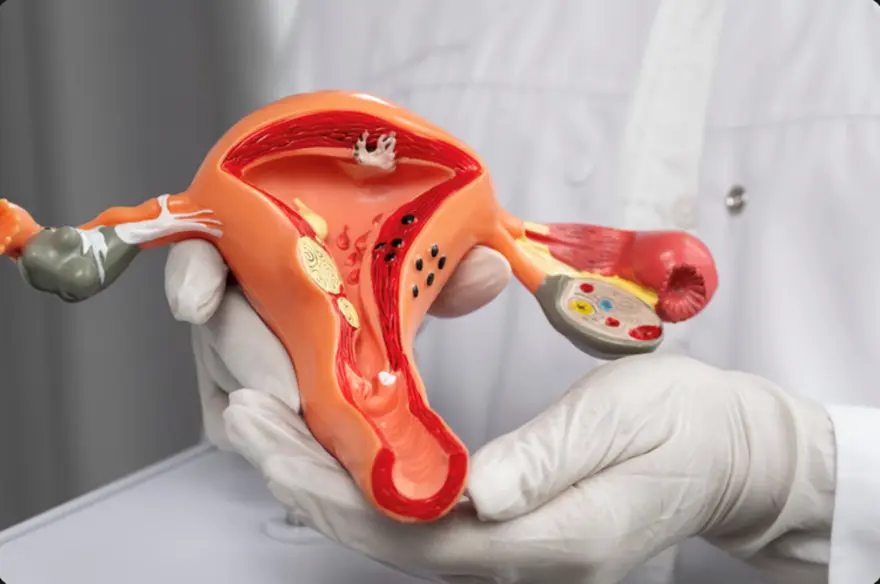
Table of Contents
- What Are Adnexal Tumors?
- What Causes Adnexal Tumors and Masses?
- Who Is at Risk?
- Signs & Symptoms: When to Be Concerned
- Diagnosis: How Are Adnexal Tumors Detected?
- Imaging & Diagnostic Tests to Identify Adnexal Tumors
- Treatment Options: What to Expect
- Prognosis: What Outcomes Can Be Expected?
- Living With an Adnexal Tumor
- Conclusion
- FAQs
What Are Adnexal Tumors?
Adnexal Tumors—also known as adnexal masses—are abnormal growths that develop on or around the reproductive organs adjacent to the uterus. These structures, collectively known as the adnexa, include the ovaries, fallopian tubes, and surrounding connective tissues. According to the National Institutes of Health (NIH), most adnexal Tumors are benign, meaning they're not cancerous and won't spread to other parts of your body.
These masses can vary significantly in size, from tiny cysts barely visible on imaging to large growths that cause noticeable abdominal swelling. Some adnexal Tumors develop gradually over months or years, while others, particularly functional cysts related to the menstrual cycle can appear and disappear within a few weeks.
The location and characteristics of adnexal Tumors influence both their symptoms and treatment approaches. Masses that develop near sensitive structures may cause more noticeable adnexal Tumor symptoms, while others remain completely silent until discovered during routine examinations.
What Causes Adnexal Tumors and Masses?
The most common causes include hormonal fluctuations during your menstrual cycle, which can lead to functional cysts in your ovaries. These natural processes sometimes result in fluid-filled sacs that typically resolve on their own within a few months.
Other causes include endometriosis, where tissue similar to your uterine lining grows in abnormal locations, creating masses called endometriomas. Infections in your pelvic organs can also lead to abscesses or scarring that appear as adnexal masses on imaging studies. Additionally, structural abnormalities like blocked fallopian tubes filled with fluid, known as hydrosalpinx, may appear as concerning findings during imaging studies.
Less commonly, adnexal masses may be due to an ectopic pregnancy, where a fertilized egg implants in a fallopian tube instead of the uterus. This condition requires immediate medical attention as it can be life-threatening if left untreated.
Gynaecologic Adnexal Tumors
• Functional cysts form during normal ovulation when follicles don't release eggs properly, or the corpus luteum persists longer than usual
• Endometriomas develop when endometrial tissue grows on your ovaries, often called "chocolate cysts" due to their dark appearance
• Dermoid cysts contain different tissue types—such as hair, teeth, or skin cells—and are typically benign
• Cystadenomas are fluid-filled growths that can become quite large but are usually non-cancerous
• Polycystic ovaries, seen in women with PCOS, feature multiple small follicles that often affect hormonal balance
• Ovarian cancer represents the most serious type
• Fallopian tube cancer is rare but requires prompt treatment when detected
Nongynaecologic Adnexal Tumors
• Appendicitis can cause inflammation that mimics ovarian problems, particularly on your right side
• Bowel masses or diverticular disease can mimic adnexal Tumors on imaging
• Bladder abnormalities, including diverticula or Tumors, can masquerade as gynaecological masses
• Kidney abnormalities, such as ectopic kidneys positioned unusually low in your pelvis
• Nerve Tumors growing along spinal branches can create masses in your pelvic region
Who Is at Risk?
• Postmenopausal women face higher risks of malignant masses, as benign functional cysts become less common after menopause
• A family history of breast, ovarian, or fallopian tube cancers increases your risk, particularly if multiple relatives were affected
• Genetic mutations, particularly in the BRCA1 and BRCA2 genes, significantly increase ovarian cancer risk
• Hormonal factors such as early menstruation, late menopause, or not having been pregnant may influence Tumor development
• Previous cancer treatments, particularly radiation therapy to your pelvis, can increase future risks
• Lifestyle factors such as smoking may contribute to malignant transformation of some masses
Signs & Symptoms: When to Be Concerned
• Pelvic pain ranging from mild discomfort to severe, sharp sensations, particularly during menstruation or intercourse
• Abdominal bloating or feeling of fullness, especially after eating small amounts
• Irregular periods or changes in your normal menstrual pattern, including heavier or lighter bleeding
• Urinary symptoms such as increased frequency, urgency, or difficulty emptying your bladder completely
• Bowel changes, including constipation, difficulty passing gas, or changes in bowel movement patterns
• Unexplained fatigue or feeling generally unwell, particularly if accompanied by weight loss
What Does an Adnexal Tumor Feel Like?
During a physical examination, your doctor might detect an adnexal Tumor as a firm, often painless lump in your pelvic area. You might not feel this mass yourself, especially if it's small or positioned deep within your pelvis.
If the Tumor is larger, you might notice a sense of fullness or pressure in your lower abdomen, similar to how you might feel when your bladder is very full.
Diagnosis: How Are Adnexal Tumors Detected?
- Medical history review: Your doctor will ask about your symptoms, menstrual patterns, family history, and any previous pelvic problems
- Physical examination: A pelvic exam helps detect masses, assess their size and mobility, and check for tenderness
- Blood tests: CA-125 and other Tumor markers may provide additional information but are not definitive for diagnosis
- Imaging studies: Ultrasound scans create detailed pictures of your pelvic organs to characterise any masses
- Advanced imaging: CT or MRI scans may be required for complex cases or when malignancy is suspected
- Surgical evaluation: In some cases, laparoscopy is necessary to establish a definitive diagnosis and provide treatment
Imaging & Diagnostic Tests to Identify Adnexal Tumors
• Transvaginal ultrasound provides the clearest images of your ovaries and fallopian tubes, helping distinguish between solid and cystic masses
• Abdominal ultrasound offers a broader view of larger masses and their relationship to surrounding organs
• Doppler ultrasound assesses blood flow to masses, as increased vascularity can suggest malignancy
• CT scans create detailed cross-sectional images useful for staging if cancer is suspected
• MRI scans provide the most detailed tissue characterisation, particularly helpful for complex masses
• Blood tests, including CA-125 Test and HE4 With Roma Index test, can support diagnosis, though they're not specific enough for screening
Treatment Options: What to Expect
Adnexal Tumor treatment depends on several factors, including the mass's size, appearance, your age, symptoms, and cancer risk. Treatment approaches range from careful monitoring to surgical intervention, depending on the findings:
• Observation with regular follow-up scans for small, clearly benign masses in premenopausal women
• Hormonal therapy using birth control pills to suppress ovulation and prevent new functional cysts
• Pain management with anti-inflammatory medications for symptomatic relief while monitoring masses
• Surgical removal for large, symptomatic, or suspicious masses that don't resolve with conservative treatment
• Cancer treatment, including chemotherapy or radiation therapy if malignancy is confirmed after surgical removal
Surgery for Adnexal Tumors
• Laparoscopic surgery uses small incisions and a camera to remove masses with minimal invasiveness and faster recovery
• Laparotomy involves a larger abdominal incision for complex cases or when cancer is suspected
• Cystectomy removes only the cyst while preserving healthy ovarian tissue, important for fertility preservation
• Oophorectomy removes the entire affected ovary when masses are large or concerning for malignancy
• Salpingectomy involves removing fallopian tubes when they contain masses or are damaged beyond repair
Non-Surgical Management & Monitoring
- Regular ultrasound surveillance every 6–12 weeks to monitor changes in mass size or characteristics
- Symptom management using appropriate pain relief and lifestyle modifications to improve comfort.
- Hormonal suppression with birth control pills to prevent new functional cyst formation
- Follow-up blood tests to monitor Tumor markers if initially elevated
- Lifestyle modifications, including stress reduction and healthy eating, to support overall reproductive health
Prognosis: What Outcomes Can Be Expected?
The outlook for women with adnexal Tumors is generally excellent, particularly since most masses prove to be benign. Functional cysts related to normal menstrual cycles typically resolve within two to three months without any intervention. Even larger benign masses can often be removed through minimally invasive surgery, allowing you to return to normal activities within weeks.
For the small percentage of adnexal Tumors that prove malignant, early detection significantly improves outcomes. Stage I ovarian cancer, confined to the ovaries, has a five-year survival rate above 90%. However, advanced-stage disease carries a more guarded prognosis, emphasising the importance of regular gynaecological care and prompt evaluation of concerning symptoms.
Most women who undergo treatment for adnexal Tumors maintain normal fertility and quality of life, particularly when fertility-sparing surgical approaches are used for younger patients who desire future pregnancies.
Living With an Adnexal Tumor
If you're managing an adnexal Tumor through observation rather than immediate surgery, maintaining regular medical follow-up is essential. This typically involves scheduled ultrasound examinations and blood tests to ensure the mass isn't growing or changing in concerning ways.
Managing adnexal Tumor symptoms like pelvic pain or irregular periods may require lifestyle adjustments, including regular exercise, stress management techniques, and appropriate pain relief when needed. Some may benefit from keeping a symptom diary to track patterns and identify triggers that worsen their discomfort.
For those who've undergone surgical treatment, recovery usually progresses smoothly with proper post-operative care. Following your surgeon's instructions regarding activity restrictions, wound care, and follow-up appointments helps ensure optimal healing and early detection of any complications.
Conclusion
Understanding adnexal Tumors empowers you to recognise important symptoms and seek appropriate medical care when needed. While the prospect of discovering a pelvic mass can feel overwhelming, remember that most adnexal Tumors are benign and highly treatable when identified early. Early detection through regular gynaecological examinations and prompt evaluation of symptoms like persistent pelvic pain or irregular periods leads to the best outcomes.
Whether your situation requires simple monitoring, hormonal therapy, or surgical intervention, working closely with your healthcare team ensures you receive personalized care tailored to your specific needs and circumstances.
At Metropolis Healthcare, we support your health journey with comprehensive diagnostic services designed around your needs. Our extensive portfolio of over 4,000 tests includes specialised panels for reproductive health and cancer screening, ensuring accurate diagnosis when you need it most. Through our nationwide network of over 10,000 touchpoints across India, we bring convenient home sample collection directly to you, eliminating the stress of clinic visits during an already challenging time.
FAQs
What are the most common symptoms of adnexal Tumors?
Common adnexal Tumor symptoms include pelvic pain, abdominal bloating, irregular periods, and urinary frequency, though many remain asymptomatic initially.
Are adnexal Tumors cancerous?
Most adnexal Tumors are benign, but postmenopausal women face higher risks of malignancy requiring careful evaluation and monitoring.
How are adnexal Tumors diagnosed?
Diagnosis involves pelvic examination, ultrasound imaging, blood tests including CA-125, and sometimes advanced imaging or surgical evaluation.
What treatments are available for adnexal Tumors?
Treatment options include observation, hormonal therapy, pain management, laparoscopic surgery, or comprehensive cancer treatment if malignancy is confirmed.
When should I see a doctor for a possible adnexal Tumor?
Seek medical attention for persistent pelvic pain, significant bloating, irregular periods, or any concerning reproductive health symptoms.
When is an adnexal Tumor cancerous?
Higher cancer risk occurs in postmenopausal women with solid masses, elevated Tumor markers, or a strong family cancer history.