Home Visit
 Upload






Health Wellness
PT/INR Test (Prothrombin Time): Purpose, Precautions, Normal Range and Results
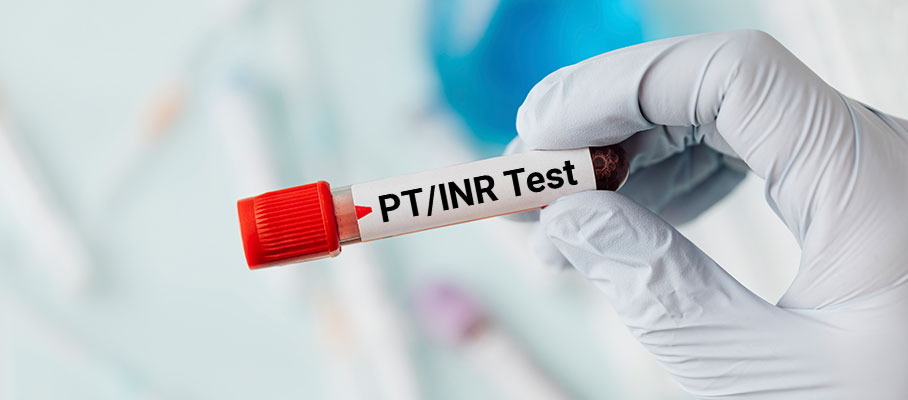
Table of Contents
- What Is the PT/INR Test?
- What Does PT Measure?
- What Is INR?
- PT/INR Test Normal Range
- Why Is the PT/INR Test Done?
- When Is a PT/INR Test Recommended?
- PT/INR Test in Warfarin Monitoring
- High PT/INR Levels: Causes & Symptoms
- Low PT/INR Levels: Causes & Symptoms
- Symptoms That May Require a PT/INR Test
- How to Prepare for a PT/INR Test
- PT/INR Test Procedure (Step-by-Step)
- PT/INR Test Results: How to Interpret Them
- Factors That Affect PT/INR Results
- When to See a Doctor
- Conclusion
- FAQs
What Is the PT/INR Test?
The PT/INR test measures how long it takes your blood to clot by assessing prothrombin time (PT) and expressing the result as an International Normalised Ratio (INR). This test evaluates how well your blood forms clots to prevent excessive bleeding from injuries.
Prothrombin, produced by the liver, is a key protein that helps your blood clot properly. When you have an injury, prothrombin converts to thrombin, which helps form blood clots to stop bleeding. The PT test measures this conversion process, while the INR calculation standardises these measurements for consistent interpretation. Doctors rely on this test to monitor patients taking blood-thinning medications, assess liver function, and diagnose various bleeding disorders.
What Does PT Measure?
According to StatPearls, the prothrombin time (PT) test measures the activity of specific clotting factors in your blood, including factors I (fibrinogen), II (prothrombin), V, VII, and X. These factors work together in what doctors call the extrinsic and common coagulation pathways.
When tissue injury occurs, factor VII activates the extrinsic pathway, triggering a chain reaction involving other clotting factors. The PT test measures how efficiently this process works, with results reported in seconds.
This blood coagulation test specifically assesses vitamin K-dependent clotting factors, which makes it particularly valuable for monitoring warfarin therapy. Warfarin works by blocking vitamin K, thereby reducing these clotting factors and preventing unwanted blood clots.
What Is INR?
The International Normalised Ratio (INR) standardises PT results using this formula: INR = (Patient PT / Normal PT)^ISI. This calculation accounts for variations in laboratory reagents, ensuring consistent results regardless of where your test is performed.
Before INR standardisation, PT results varied significantly between laboratories, making warfarin monitoring challenging and potentially dangerous. Your PT/INR result enables doctors to adjust medication safely and track your response over time.
PT/INR Test Normal Range
|
Measure |
Normal Range |
|
Prothrombin Time |
9.4-12.5 sec |
|
PT (INR) Value |
Normal Population: 0.8 - 1.2 Standard Therapy: 2.0-3.0 High-Dose Therapy: 3.0-4.5 |
Why Is the PT/INR Test Done?
• Warfarin monitoring: Ensuring your blood-thinning medication works effectively without causing dangerous bleeding.
• Pre-surgical assessment: Evaluating bleeding risk before invasive procedures or surgeries.
• Diagnosing bleeding disorders: Identifying conditions that affect your blood's ability to clot properly.
• Liver disease evaluation: Assessing liver function, as the liver produces most clotting factors.
• Vitamin K deficiency detection: Identifying inadequate vitamin K levels that affect clotting.
• Treatment monitoring: Adjusting anticoagulant medications based on your body's response.
When Is a PT/INR Test Recommended?
• Starting warfarin therapy: Establishing baseline clotting function before beginning treatment.
• Regular warfarin monitoring: Ensuring medication effectiveness and safety during ongoing therapy.
• Unexplained bleeding symptoms: Investigating causes of excessive bruising, nosebleeds, or prolonged bleeding.
• Before medical procedures: Assessing bleeding risk before dental work, surgery, or invasive tests.
• Suspected liver disease: Evaluating liver function when symptoms suggest hepatic problems.
• Family history concerns: Screening for inherited bleeding disorders in high-risk individuals.
PT/INR Test in Warfarin Monitoring
Warfarin monitoring represents the most common use of the PT INR test. Warfarin is a vitamin K antagonist that prevents blood clots by reducing the production of clotting factors. However, finding the right dose requires careful monitoring because too much warfarin increases bleeding risk, while too little fails to prevent dangerous clots.
The PT INR test procedure for warfarin monitoring typically follows this pattern: frequent testing during the first few weeks of treatment, then monthly testing once your levels stabilise. Your doctor adjusts your warfarin dose based on your PT INR test result, aiming for your target therapeutic range.
High PT/INR Levels: Causes & Symptoms
• Excessive warfarin dosing: Taking too much medication or drug interactions that enhance warfarin's effects.
• Liver disease: Reduced production of clotting factors due to hepatic dysfunction.
• Vitamin K deficiency: Low intake or poor absorption, which reduces the body’s ability to produce clotting factors.
• Certain medications: Antibiotics, aspirin, or other drugs that interfere with clotting.
• Alcohol consumption: Excessive drinking that affects liver function and vitamin K metabolism.
Symptoms of high PT/INR levels include easy bruising, prolonged bleeding from minor cuts, frequent nosebleeds, blood in urine or stool, and unusually heavy menstrual periods. If you experience these symptoms, contact your doctor immediately for evaluation and possible dosage adjustment.
Low PT/INR Levels: Causes & Symptoms
Low PT/INR levels indicate faster-than-normal blood clotting, which can increase your risk of developing dangerous blood clots. Common causes include insufficient warfarin dosing, increased vitamin K intake from leafy green vegetables, certain medications that reduce warfarin effectiveness, or genetic factors affecting drug metabolism.
Low PT/INR levels usually don’t cause symptoms until complications such as blood clots develop. Symptoms of blood clots can include leg swelling, chest pain, shortness of breath, or sudden neurological changes. This is why regular PT/INR test monitoring is crucial for people taking anticoagulant medications.
Symptoms That May Require a PT/INR Test
• Unexplained bruising: Large bruises appearing without significant trauma or injury
• Prolonged bleeding: Cuts that bleed for extended periods or won't stop bleeding
• Frequent nosebleeds: Regular episodes of nasal bleeding without apparent cause
• Heavy menstrual periods: Significantly heavier or longer periods than normal
• Blood in body fluids: Presence of blood in urine, stool, or vomit
• Excessive bleeding after procedures: Unusual bleeding following dental work or minor surgery
How to Prepare for a PT/INR Test
• No fasting required: You can eat and drink normally before the test.
• Medication disclosure: Inform your doctor about all medications, supplements, and herbal products.
• Consistent vitamin K intake: Maintain steady consumption of leafy green vegetables if taking warfarin.
• Avoid alcohol excess: Limit alcohol consumption, which can affect liver function.
• Timing considerations: Take warfarin at the same time every day to maintain consistent results.
PT/INR Test Procedure (Step-by-Step)
- The technician cleans the inner elbow area with an antiseptic solution.
- A band is placed above your elbow to make the veins more visible.
- A small needle is inserted into your vein to collect blood.
- The blood sample is collected into a special tube containing an anticoagulant for testing.
- The needle is removed, pressure is applied, and a bandage covers the site.
- The sample is sent to the laboratory for analysis.
PT/INR Test Results: How to Interpret Them
• Normal results: PT 9.4-12.5 seconds, INR 0.8-1.2 indicate proper clotting function.
• High INR results: Indicate slower clotting and a higher risk of bleeding; Your doctor may adjust medication or recommend vitamin K.
• Low INR results: Mean faster clotting and may require an increase in warfarin dose or dietary adjustments.
Factors That Affect PT/INR Results
• Dietary changes: Sudden increases or decreases in vitamin K-rich foods like spinach, kale, or broccoli.
• Medication interactions: Antibiotics, pain relievers, or herbal supplements that affect warfarin metabolism.
• Illness or fever: Acute illnesses that temporarily alter liver function or drug absorption.
• Alcohol consumption: Excessive drinking that affects liver function and vitamin K processing.
• Dehydration: Can concentrate blood and cause inaccurate PT/INR readings
When to See a Doctor
• Signs of excessive bleeding: Severe bruising, prolonged bleeding, or blood in bodily fluids.
• Symptoms suggesting clots: Leg swelling, chest pain, or sudden shortness of breath
• Medication concerns: Questions about warfarin dosing or drug interactions.
• Abnormal PT/INR test results: Values outside your target range
• Pre-procedure planning: Before dental work, surgery, or other invasive procedures
Conclusion
The PT/INR test serves as an essential tool for monitoring blood clotting function, ensuring safe warfarin therapy, and diagnosing various bleeding disorders. Understanding your PT/INR test normal range, recognising symptoms that warrant testing, and following proper preparation guidelines empower you to actively participate in your healthcare.
Whether you're starting anticoagulant therapy, managing a chronic condition requiring warfarin monitoring, or investigating unexplained bleeding symptoms, the PT INR test provides crucial information for informed medical decisions. Regular testing, combined with consistent medication adherence and lifestyle habits, helps maintain optimal health outcomes whilst minimising risks.
At Metropolis Healthcare, we understand the importance of accurate, reliable diagnostic testing for your health journey. Our comprehensive portfolio of over 4,000 tests includes specialised coagulation studies like the PT INR test, performed with precision and care. Through our extensive network of 220+ laboratories and 10,000+ touchpoints across India, we bring convenient home sample collection directly to you, ensuring comfort and accessibility for regular monitoring needs.
FAQs
What is a normal PT/INR value?
• Prothrombin Time: 9.4-12.5 seconds for individuals not taking anticoagulants
• PT(INR) Value: 0.8-1.2 for normal clotting function, Standard Therapy: 2.0-3.0
and High Dose Therapy: 3.0-4.5
What does high INR mean?
High INR indicates slower blood clotting, typically from excessive warfarin or liver problems. This increases bleeding risk and often requires medication dose reduction or medical evaluation to prevent dangerous complications.
Can I lower my INR naturally?
• Increase vitamin K-rich foods like leafy greens consistently.
• Maintain stable dietary habits without sudden changes.
• Stay well-hydrated and limit excessive alcohol consumption.
• Always consult your doctor before making significant dietary modifications.
Do I need to fast before a PT/INR test?
No fasting is required for PT/INR testing. You can eat and drink normally beforehand, but inform your doctor about recent medications or dietary changes affecting vitamin K intake.
How often should PT/INR be checked?
Testing frequency depends on treatment stability: weekly during warfarin initiation, then every 4-6 weeks once stable. More frequent monitoring occurs with dose changes, illness, or medication interactions.
Is INR 1.1 normal?
Yes, INR 1.1 falls within the normal range for individuals not taking anticoagulants. However, for warfarin patients, this level is too low and indicates insufficient anticoagulation, requiring dose adjustment.
What foods increase INR levels?
• Cranberry juice or grapefruit that interacts with warfarin metabolism
• Sudden decreases in vitamin K-rich vegetables
• Alcohol in excessive amounts affects liver function.
• Certain herbs or supplements that enhance warfarin effects
Can dehydration affect INR?
Yes, dehydration concentrates blood components and may falsely alter PT/INR results. Proper hydration ensures accurate testing and helps maintain consistent medication effectiveness and safety.
What medications affect PT/INR?
• Antibiotics like metronidazole that enhance warfarin effects
• Pain relievers, including aspirin and NSAIDs
• Cholesterol medications and antifungal medicines
• Vitamin K supplements that reduce INR levels
What happens if INR is too high?
Extremely high INR (above 4-5) creates a severe bleeding risk, including brain haemorrhage. Treatment may include holding warfarin temporarily, administering vitamin K, or using clotting factor concentrates for reversal.