Home Visit
 Upload






Preventive Healthcare
Radish Benefits: Nutrition, Health Uses & How to Use It in Your Diet
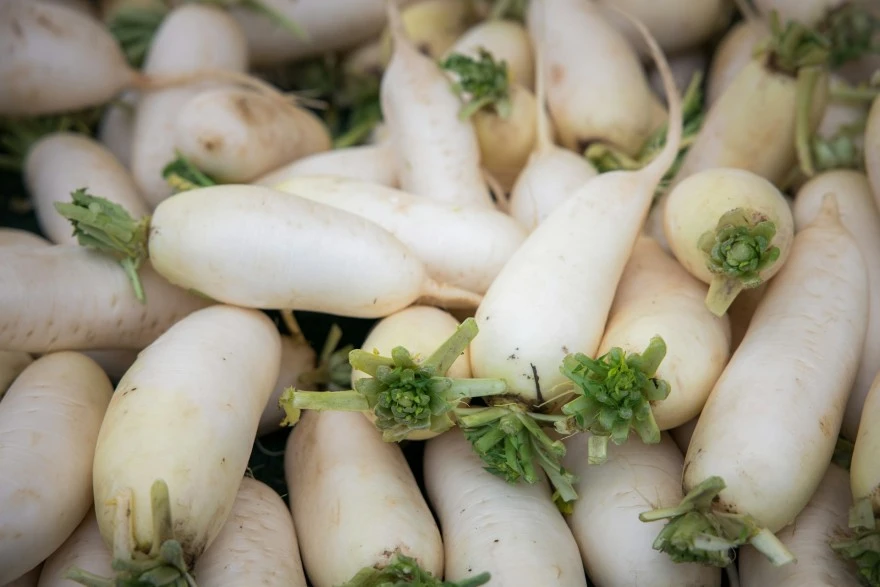
Table of Contents
What is Radish?
Radish, known as mooli in India, is a crisp root vegetable from the Brassicaceae (mustard) family. With its peppery flavour and refreshing crunch, radish is a common part of salads, soups, and traditional Indian recipes.
Available in various colours—white, red, purple, and black—radish offers more than taste. It is packed with essential nutrients that promote digestion, detoxification, and heart health. Both the root and leaves are edible and full of beneficial compounds such as antioxidants, fibre, and minerals.
From aiding liver function to boosting immunity, radish benefits extend far beyond being a salad garnish—it’s a powerful, low-calorie vegetable that supports overall wellness.
Nutritional Profile of Radish
According to the National Institutes of Health (NIH), Radishes are low-calorie yet nutrient-dense; especially the leaves, which provide ~2× more vitamin C and 3–10× more calcium, magnesium, iron, zinc, riboflavin, and folate than the roots, supporting metabolism, heart health, digestion (including gut motility), and healthy blood sugar and blood pressure.
Here’s what half a cup of raw radish typically contains:
|
Nutrient |
Amount |
Health Role |
|
Calories |
9 |
Low energy density; supports weight management |
|
Protein |
0 g |
— |
|
Fat |
0 g |
Naturally fat-free |
|
Carbohydrates |
2 g |
Small carb load; low GI |
|
Fiber |
0 g |
— |
|
Sugar |
0 g |
No added sugar impact |
|
Cholesterol |
0 mg |
Heart-friendly |
|
Sodium |
23 mg |
Low sodium |
Here’s a snapshot of the micronutrients and bioactive compounds in radish, along with their key benefits.
|
Nutrient (Grouped) |
Amount |
Health Role |
|
Vitamin C + Polyphenols (catechin, pyrogallol, vanillic acid) |
Present (amounts not specified) |
Antioxidant protection supports immunity and collagen |
|
B-vitamins (B1, B2, B3, B6, Folate) |
Present |
Energy metabolism, nerve function, and DNA synthesis |
|
Minerals (Potassium, Calcium, Iron, Manganese) |
Present |
Blood pressure regulation, bone health, oxygen transport, and antioxidant enzymes |
|
Glucosinolates & Isothiocyanates (incl. indole-3-carbinol, 4-MTBI*) |
Present |
Supports detox enzymes; studied for anti-cancer potential |
|
Natural nitrates |
Present |
May support healthy blood flow |
|
Coenzyme Q10 (CoQ10) |
Present |
Cellular energy and antioxidant support |
Radish's nutrition makes it an ideal food for hydration, digestion, and detoxification—especially in hot climates.
Types of Radishes
Radishes come in many varieties around the world, differing in size, colour, taste, and nutritional value. While all types belong to the Brassicaceae (mustard) family, their flavour profiles range from mild and sweet to pungent and spicy. These differences arise due to varying concentrations of glucosinolates — the natural compounds responsible for radish’s characteristic bite and health-promoting properties.
Here are some of the most common types of radishes and their unique characteristics:
1. White Radish (Daikon or Mooli)
The white radish, also known as daikon in Japan and mooli in India, is the most widely cultivated variety in Asia. It is long, cylindrical, and mild in flavour compared to red radish.
- White Radish Uses: Commonly used in Indian dishes like mooli paratha, sambar, and mooli achar (pickle), as well as in East Asian soups, stir-fries, and salads.
- Nutritional Note: Rich in fibre, vitamin C, and digestive enzymes that support liver detoxification.
2. Red Radish
Perhaps the most recognisable type, red radish is small, round, and bright red with a crisp white interior. It has a peppery flavour that adds freshness and a bit of spice to dishes.
- Red Radish Uses: Commonly eaten raw in salads, sandwiches, or as a garnish. It pairs well with lemon and salt for a refreshing snack.
- Nutritional Note: High in antioxidants like anthocyanins, which give it the red hue and protect cells from oxidative stress.
3. Black Radish
Known for its thick black skin and strong, earthy flavour, the black radish (also called Spanish radish) is valued in traditional medicine for its potent detoxifying and antimicrobial properties.
- Black Radish Uses: Usually consumed in small quantities due to its intensity — grated into salads, roasted, or juiced for liver cleansing.
- Nutritional Note: Rich in sulphur compounds and antioxidants that support bile production and liver health.
4. Watermelon Radish
One of the most visually appealing varieties, the watermelon radish features a pale green exterior and a vibrant pink or magenta core — resembling a watermelon slice when cut. It has a mildly sweet, less peppery taste and a juicy crunch.
- Watermelon Radish Uses: Often featured in gourmet salads, poke bowls, and sushi for its colour and subtle flavour.
- Nutritional Note: Contains anthocyanins (the same pigments found in blueberries) that help reduce inflammation and support heart health.
5. Green Radish (Chinese Radish or Qing Luo Bo)
This variety is light green on the outside and white inside, with a crisp texture and slightly sweet taste. Popular in Chinese and Korean cuisines, it is often used in soups, stews, and stir-fried dishes.
- Green Radish Uses: Added to noodle soups, fermented as kimchi, or cooked in broths to balance flavour.
- Nutritional Note: Provides a mix of vitamins A and C, along with fibre and minerals that aid digestion.
6. Purple Radish (Less Common but Nutritious)
A relatively newer hybrid variety, purple radish combines the sweetness of white radish with the spice of red. Its violet pigment comes from anthocyanins, known for their anti-inflammatory and anti-ageing benefits.
- Uses: Perfect for adding colour to salads, soups, or roasted vegetable platters.
- Nutritional Note: High in antioxidants and vitamin C, it supports collagen formation and skin health.
Each of these radish varieties provides similar nutritional benefits — including fibre, vitamin C, potassium, and antioxidants — but their phytochemical composition (such as glucosinolates and anthocyanins) varies slightly, influencing flavour and intensity.
Health Benefits of Mooli (Radish)
Radish is a nutrient-rich root vegetable that combines vitamins, minerals, antioxidants, and natural plant compounds to deliver multiple health benefits. Its high water and fibre content make it one of the most effective foods for cleansing, hydration, and metabolic balance. Here are the top radish health benefits supported by nutrition science and traditional dietary practices:
1. Supports Digestive Health
Radish is excellent for maintaining a healthy digestive system. Its high fibre content promotes regular bowel movements and prevents constipation, while its natural enzymes enhance bile flow, aiding the digestion of fats and complex foods.
Regular consumption of raw radish or radish juice also balances stomach acidity and reduces bloating, making it ideal for people with sluggish digestion or gastric discomfort.
2. Improves Liver and Kidney Function
One of the most important radish benefits is its detoxifying action on the liver and kidneys. Studies note that radish stimulates bile secretion, helping the liver process fats and eliminate toxins efficiently.
Its diuretic properties increase urine output, supporting kidney function and reducing water retention or mild swelling. Consuming radish regularly can thus help the body flush out waste and maintain healthy organ function.
3. Boosts Immunity
Radish is rich in vitamin C, a key nutrient for immune defence, wound healing, and collagen synthesis. In addition, antioxidants like anthocyanins and flavonoids protect cells from oxidative stress and inflammation.
A single serving of radish provides about 25% of the daily vitamin C requirement, helping the body resist infections and recover faster from seasonal illnesses.
4. Regulates Blood Pressure
High blood pressure is often linked to excess sodium in the diet. The potassium content in radish counterbalances sodium, relaxes blood vessel walls, and maintains optimal fluid balance.
This natural vasodilating effect supports heart health, improves circulation, and reduces the risk of hypertension-related complications.
5. Supports Weight Management
With just 16 calories per 100 grams, radish is a low-calorie, high-fibre food that promotes fullness without adding extra fat or sugar. It slows digestion, curbing appetite and preventing overeating.
Including radish recipes like salads, soups, or juices can help support weight-loss goals while providing essential nutrients and hydration.
6. Improves Skin Health
Clear, glowing skin often reflects internal health. Radish helps purify the blood and flush toxins, preventing acne and dullness. Its vitamin C content promotes collagen synthesis, maintaining skin elasticity and delaying signs of ageing.
The high water content also keeps skin hydrated, soft, and healthy, especially during dry or hot seasons.
7. Aids Blood Sugar Control
Plant compounds like glucosinolates and isothiocyanates in radish may improve insulin sensitivity and slow carbohydrate absorption.
This helps regulate post-meal blood sugar levels and may lower the risk of type 2 diabetes when included in a balanced, fibre-rich diet.
8. Enhances Heart Health
Radish is beneficial for cardiovascular health due to its antioxidant and anti-inflammatory compounds. These reduce oxidative damage to LDL cholesterol, a major contributor to plaque build up in arteries.
Regular intake helps maintain arterial flexibility, reduce inflammation, and support overall heart function — particularly when combined with a diet rich in leafy greens and whole grains.
9. Anti-inflammatory Properties
The bioactive compounds in radish, including flavonoids, anthocyanins, and sulforaphane, have natural anti-inflammatory effects. They help relieve mild pain, tissue irritation, and swelling, supporting recovery after exercise or illness.
Its detoxifying effect further reduces systemic inflammation linked to metabolic and lifestyle-related disorders.
10. Hydration and Detoxification
Composed of about 95% water, radish helps maintain hydration and electrolyte balance, especially in summer. It acts as a natural coolant that soothes the stomach and prevents dehydration-related fatigue.
Regular inclusion in meals aids detoxification by promoting urine output, flushing toxins, and supporting a healthy pH balance.
How to Include Radish in Your Diet
Radish is one of the most versatile vegetables that can easily be incorporated into everyday meals—whether raw, cooked, or fermented. Its crisp texture and mild peppery flavour add both nutrition and variety to your plate. Below are several delicious and healthy ways to include radish in your diet for maximum radish benefits.
1. Raw Salads
Grated or thinly sliced radish adds crunch, flavour, and freshness to mixed salads. Combine it with cucumbers, carrots, tomatoes, and a squeeze of lemon for a quick detox salad. You can also sprinkle a pinch of rock salt or chaat masala for taste.
Raw radish retains the highest amount of vitamin C and enzymes that aid digestion and immunity.
2. Radish Juice
Freshly extracted radish juice, especially when blended with carrot or apple, provides potent radish juice benefits such as improved liver detoxification, better digestion, and relief from bloating.
Drink a small glass in the morning or after meals to stimulate metabolism and cleanse the liver naturally.
3. Cooked Dishes
Cooked radish loses some of its sharpness but retains its nutrients. It blends well in Indian and Asian cuisines. You can add radish cubes to sambar, curries, or stir-fries for texture and mild sweetness.
Another popular option is mooli paratha—grated radish stuffed into whole wheat dough with spices—providing a filling, high-fibre meal ideal for breakfast or lunch.
4. Pickles (Achar)
Fermented or spiced mooli achar is not just a flavourful accompaniment but also a natural probiotic that supports gut health. The fermentation process increases beneficial bacteria, improving digestion and nutrient absorption. Pair a spoonful of radish pickle with rice or paratha for added zest and gut-friendly nutrition.
5. Radish Leaves
Don’t discard the greens! Radish leaves (mooli ke patte) are edible and highly nutritious. They’re an excellent source of iron, calcium, and antioxidants. Use them in stir-fries, dal, or soups to enhance flavour and add a mineral boost.
A quick sauté with garlic, cumin, and mustard seeds makes a wholesome side dish.
6. Soups and Curries
Radish adds mild sweetness and crunch to hot soups, stews, and broths. Try adding it to vegetable soups, lentil stews, or Asian-style miso soups. The fibre improves satiety while the natural enzymes aid digestion. Cooked radish is gentle on the stomach and ideal for people recovering from illness or following a detox plan.
Precautions and Side Effects
While radish is safe for most people, excessive consumption may cause minor side effects:
- Thyroid sensitivity: Large amounts may interfere with iodine absorption; those with hypothyroidism should eat radish in moderation.
- Gas or bloating: Overeating raw radish can cause temporary bloating.
- Gallstones: If you have gallstones, consult your doctor before drinking concentrated radish juice.
- Low blood pressure: Since radish helps lower blood pressure, people on antihypertensive medication should monitor intake.
- Allergic reactions: Rarely, some individuals may experience itching or irritation after handling or eating raw radish.
Moderation and variety are key — radish is best enjoyed as part of a balanced diet.
Conclusion
Crisp, refreshing, and nutrient-packed, radish (mooli) is more than just a salad ingredient — it’s a natural detoxifier that supports digestion, liver health, and immunity.
Including radish regularly in your meals can promote hydration, heart health, and overall wellness. From crunchy salads to fresh juices and traditional recipes, this humble root vegetable offers diverse radish health benefits for all ages.
If you’re making dietary changes or managing conditions like thyroid imbalance, diabetes, or kidney disease, consult your doctor or nutritionist first. For accurate nutritional assessments or recommended lab tests, book home sample collection with Metropolis Healthcare — India’s trusted diagnostics partner with 4,000+ tests, 10,000+ collection points, and reliable reports via the Metropolis App, website, or WhatsApp.
FAQs
What are the main health benefits of radish?
- Supports digestion and detoxification
- Improves heart and liver function
- Boosts immunity and skin health
- Helps regulate blood sugar and blood pressure
Can radish help with weight loss?
Yes. Radish is low in calories and high in fibre and water, promoting satiety. Regular inclusion in salads or soups can assist healthy weight management.
How should radish be consumed for maximum benefits?
For maximum benefits, eat fresh radish raw or lightly cooked to preserve vitamin C and enzymes. Radish juice or salads before meals can aid digestion and detoxification.
4. Are radish leaves edible?
Absolutely. Radish leaves (mooli ke patte) are edible and nutritious, providing iron, calcium, and antioxidants. Use them in stir-fries, soups, or parathas.
5. Can radish cause any side effects?
Mild side effects like gas or bloating may occur if eaten in excess. People with thyroid disorders or gallstones should consult their doctor before consuming large amounts.
References
1. https://pmc.ncbi.nlm.nih.gov/articles/PMC10385334/
2. https://pmc.ncbi.nlm.nih.gov/articles/PMC12469553/
3. https://www.nin.res.in/dietaryguidelines/pdfjs/locale/DGI24thJune2024fin.pdf
4. https://pmc.ncbi.nlm.nih.gov/articles/PMC6412475/