Home Visit
 Upload






Preventive Healthcare
Radiation Therapy 101: How It Works, Side Effects & Tips for Patients
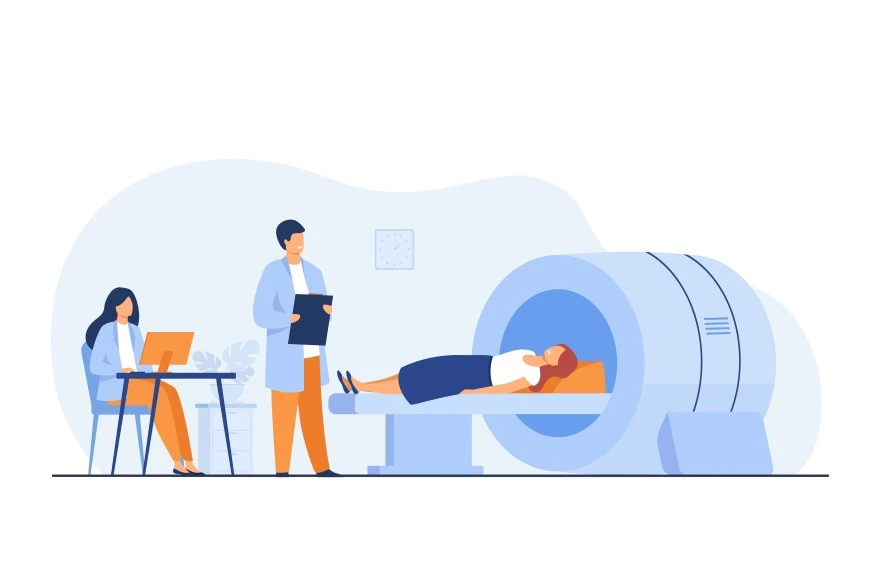
Table of Contents
- What is Radiation Therapy?
- How Does Radiation Therapy Work?
- Types of Radiation Therapy
- Planning Your Radiation Therapy
- What to Expect During Treatment?
- Side Effects of Radiation Therapy
- Managing Side Effects
- Tips for Patients Undergoing Radiation Therapy
- Radiation Therapy for Different Types of Cancer
- Recovery After Radiation Therapy
- Conclusion
- FAQs
If you or a loved one has been diagnosed with cancer, your doctor may recommend radiation therapy as part of your treatment plan. As a common cancer treatment, radiation therapy uses high-energy X-rays or particles (such as protons or electrons) to destroy cancer cells. Understanding how this therapy works, its potential side effects, and helpful tips can empower you to navigate the treatment process with greater confidence and preparedness.
What is Radiation Therapy?
Radiation therapy, also known as radiotherapy, is a type of cancer treatment that uses ionising radiation to destroy cancer cells and shrink tumours. It can be used as a primary treatment to cure cancer, before or after surgery, to reduce the risk of recurrence, or to alleviate symptoms in advanced cancer cases.
According to the National Cancer Institute, about 50% of all cancer patients receive some type of radiation therapy during the course of their treatment. Radiation therapy is prescribed and supervised by a specialised doctor known as a radiation oncologist.
How Does Radiation Therapy Work?
Radiation therapy works by damaging the DNA inside cancer cells, preventing them from multiplying and causing them to die. The goal is to deliver a precise dose of radiation that is strong enough to destroy the cancer cells while minimising harm to the surrounding healthy tissue.
Although both healthy and cancerous cells are affected by radiation, most normal cells can repair the damage more effectively than cancer cells. Cancer cells, on the other hand, are less efficient at repairing themselves, leading to their eventual death.
Types of Radiation Therapy
There are several types of radiation therapy, each with its own specific approach to targeting cancer cells:
- External Beam Radiation Therapy (EBRT): This is the most common type, delivering radiation from a machine outside the body and focusing beams precisely on the tumour site.
- Internal Radiation Therapy (Brachytherapy): This method involves placing radioactive sources directly inside or next to the tumour, providing a high dose of radiation to a localised area.
- Systemic Radiation Therapy: In this approach, a patient swallows or receives an injection of a radioactive substance that travels through the bloodstream to locate and destroy cancer cells throughout the body.
The choice of radiation therapy depends on factors such as the cancer’s type and location, the patient’s overall health, and the treatment goals.
Planning Your Radiation Therapy
Before beginning radiation therapy, you will undergo a careful planning process to ensure the treatment is tailored to your specific needs. This typically involves:
- Consultation: You will meet with the radiation oncologist to review your medical history and imaging scans, and to discuss the recommended course of treatment.
- Simulation: To precisely map the treatment area, you will undergo imaging such as CT, MRI, or PET scans while positioned as you will be during actual treatments.
- Treatment Planning: Using specialised software, your healthcare team will calculate the optimal radiation dose and identify the best angles for delivering the beams, aiming to target the cancer while sparing healthy tissues.
- Marking: The radiation therapist may create a mould or mask to ensure consistent positioning for each session and mark your skin with small, permanent dots (tattoos) to guide beam alignment.
What to Expect During Treatment?
Radiation therapy is usually delivered in multiple outpatient sessions over several weeks, though the schedule varies depending on the cancer type, site, and treatment intent.
Here's what you can generally expect during a session:
- Positioning: You will lie on a treatment table in the same position as during the simulation. The radiation therapist will help you get comfortably positioned and may use moulds or masks to immobilise the treatment area.
- Imaging: The therapist will take X-rays or CT scans to ensure you are in the correct position before delivering the radiation.
- Treatment Delivery: The therapist will step out of the room during radiation delivery but will monitor you closely via cameras and intercom. The machine will then deliver the radiation beams, which are painless and usually last only a few minutes.
Most treatment sessions take about 15-30 minutes from start to finish, with the actual radiation exposure lasting just a few minutes.
Side Effects of Radiation Therapy
While the radiation itself is painless, side effects can develop gradually during the course of treatment The nature and severity of these side effects largely depend on the location being treated, the radiation dose, and your individual response.
Common side effects of radiation therapy may include:
- Fatigue (feeling unusually tired or weak)
- Skin changes (redness, dryness, itching, or peeling) in the treated area
- Hair loss in the treated area
- Swelling or pain in the treatment site
- Site-specific effects, such as mouth sores in head and neck treatments or nausea in abdominal or pelvic radiation
Most side effects are temporary and improve within a few weeks after completing therapy. However, some effects may be long-term or permanent, especially with higher radiation doses or in sensitive areas.
Managing Side Effects
While side effects can be uncomfortable, there are several strategies to help manage them and maintain your quality of life during radiation therapy:
- Follow Skin Care Instructions: Keep the treated area clean, dry, and moisturised. Avoid using harsh soaps, lotions, or products not approved by your healthcare team.
- Prioritise Rest and Nutrition: Ensure adequate sleep, hydration, and a balanced diet to help your body tolerate treatment and recover efficiently.
- Communicate with Your Team: Promptly report any side effects or concerns to your doctor or nurse. They can recommend medications or supportive therapies to alleviate symptoms.
- Seek Emotional Support: Join support groups or speak with a counsellor or psychologist to help navigate emotional challenges during treatment.
Tips for Patients Undergoing Radiation Therapy
In addition to managing side effects, here are several tips for radiation therapy patients to prepare for and cope with radiation therapy:
- Attend All Scheduled Appointments: Consistent attendance is crucial to making treatment as effective as possible.
- Protect Your Skin: Wear loose, soft clothing over the treated area. Avoid exposing treated skin to direct sunlight, and apply sunscreen when outdoors.
- Stay Comfortable: Maintain a comfortable environment during treatment by wearing warm clothing or asking for blankets if you feel cold.
- Keep an Open Dialogue: Communicate openly with your healthcare team about your physical symptoms, emotional well-being, and any practical concerns.
- Lean on Loved Ones: Accept support from friends and family, and do not hesitate to ask for help when needed.
Radiation Therapy for Different Types of Cancer
- Breast cancer
- Prostate cancer
- Lung cancer
- Head and neck cancers
- Cervical cancer
- Brain tumours
The specific approach, radiation dose, and combination with other treatments, such as surgery or chemotherapy, will depend on the type and stage of cancer, as well as individual patient factors.
Recovery After Radiation Therapy
- Short-Term Effects: Most radiation therapy side effects will gradually improve within a few weeks after completing treatment. Fatigue may persist for several months.
- Follow-Up Care: You will have regular check-ups with your radiation oncologist to monitor your progress, evaluate treatment response, and manage any lingering side effects.
- Long-Term Considerations: Some patients may experience lasting side effects, particularly after high-dose treatments or radiation to sensitive areas. Discuss any concerns or symptoms with your doctor.
- Rehabilitation: Depending on the treatment site and side effects, you may benefit from rehabilitation services such as physical, occupational, or speech therapy.
Conclusion
Radiation therapy is a highly effective cancer treatment that has helped countless patients in their fight against the disease. While the prospect of undergoing radiation therapy may feel overwhelming, know that you are not alone. Your healthcare team is there to guide you through every step of the process, from planning to recovery.
Metropolis Healthcare combines precision, convenience, and nationwide reach to support your journey through radiation therapy. With services available across more than 750 towns, 220+ laboratories, 4600+ service centres, and 10,000+ touchpoints, we deliver reliable diagnostic solutions to monitor your body’s response to treatment. From routine blood tests to specialised cancer markers, our advanced laboratories provide accurate results and convenient home sample collection to support your ongoing recovery. With the right information, support, and medical care, you can face cancer with resilience and hope.
FAQs
Is radiation therapy painful?
The radiation therapy itself is painless. However, some patients may develop discomfort, itching, or tenderness in the treated area after a few weeks of treatment.
How long does radiation therapy take?
The length of a radiation therapy course depends on the cancer type, location, and stage. Most patients receive daily treatments five days a week, for a period of one to eight weeks. Each treatment session typically lasts 15-30 minutes.
Can radiation therapy be combined with other treatments?
Yes, radiation therapy is often used in conjunction with surgery, chemotherapy, immunotherapy, or hormone therapy. The specific combination depends on the type and stage of cancer, as well as individual patient factors and treatment goals.
Will radiation therapy make me radioactive?
External beam radiation therapy will not make you radioactive. With internal radiation (brachytherapy), the implanted radioactive sources may emit small amounts of radiation, so you may need to limit close contact with others for a period of time. Your doctor will provide specific safety instructions.
How can I reduce the side effects of radiation therapy?
To minimise side effects, follow your healthcare team's instructions for skin care, get plenty of rest, maintain a nutrient-rich diet, and promptly report any new or worsening symptoms. Your doctor may prescribe medications or suggest other strategies to manage specific side effects.
References
- https://www.cancer.gov/about-cancer/treatment/types/radiation-therapy
- https://www.cancer.org/treatment/treatments-and-side-effects/treatment-types/radiation/external-beam-radiation-therapy.html
- https://www.mayoclinic.org/tests-procedures/radiation-therapy/about/pac-20385162
- https://www.nhs.uk/conditions/radiotherapy/
- https://www.cancer.net/navigating-cancer-care/how-cancer-treated/radiation-therapy/understanding-radiation-therapy
- https://www.cancer.gov/news-events/cancer-currents-blog/2020/radiopharmaceuticals-cancer-radiation-therapy#:~:text=Radiation%20therapy%20was%20first%20used,kill%20tumors%20inside%20the%20body