Home Visit
 Upload






Preventive Healthcare
Open Heart Surgery: Procedure, Recovery & What to Expect
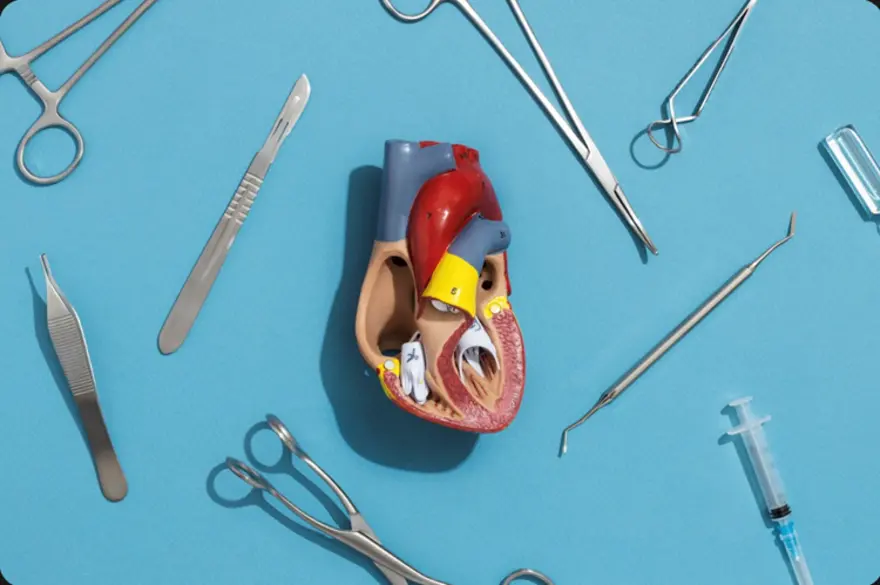
Table of Contents
- What is Open Heart Surgery?
- Why is an Open Heart Surgery Performed?
- What Are the Types of Open Heart Surgery?
- The Open Heart Surgery Procedure
- Pre-Surgery Considerations
- What Happens During Open Heart Surgery?
- Risks and Complications of Open Heart Surgery
- Recovery After Open Heart Surgery
- What to Expect in the First Few Weeks After Surgery
- Conclusion
- FAQs
- References
What is Open Heart Surgery?
Open heart surgery is a major surgical procedure where surgeons make a large incision through the breastbone to directly access the heart and surrounding blood vessels. During open-heart surgery, the chest cavity is opened through a median sternotomy, which involves cutting through the breastbone. This allows the surgical team to work directly on the heart muscle, valves, and coronary arteries.
The procedure typically requires the use of a heart-lung machine, which temporarily takes over the heart's pumping function and the lungs' oxygenation role while the surgeon performs the necessary repairs.
Why is an Open Heart Surgery Performed?
- Coronary artery disease treatment: When multiple arteries supplying blood to the heart become severely blocked or narrowed, bypass surgery restores proper blood flow.
- Heart valve repair or replacement: Damaged or diseased valves that cannot pump blood effectively require surgical intervention.
- Congenital heart defect correction: Heart defects often require surgical repair to ensure proper function.
- Heart failure management: Severe cases may require surgical intervention to improve heart function or prepare for transplantation.
- Aortic aneurysm repair: A dangerous bulge in the heart's main artery requires immediate surgical attention.
- Heart transplantation: End-stage heart failure may necessitate replacing the entire heart with a donor organ.
- Medical device implantation: Certain pacemakers or ventricular assist devices require open chest access for proper placement.
What Are the Types of Open Heart Surgery?
- Coronary Artery Bypass Grafting (CABG): The most common type, using healthy blood vessels from other parts of your body to create new pathways around blocked coronary arteries.
- Heart valve surgery: Either repairing existing valves or replacing them with mechanical or biological alternatives.
- Septal defect repair: Closing abnormal openings between heart chambers that affect blood flow.
- Aneurysm repair: Strengthening weakened areas of the heart or major blood vessels.
- Heart transplant surgery: Complete replacement of a diseased heart with a healthy donor heart.
- Combination procedures: Multiple repairs are performed during a single operation to address several issues simultaneously.
The Open Heart Surgery Procedure
- Preoperative preparation: You receive general anaesthesia and are connected to monitoring equipment that tracks your vital signs throughout the procedure.
- Chest incision: The surgeon makes a median sternotomy incision down the center of your chest.
- Breastbone division: Using a surgical saw, the surgeon carefully cuts through your sternum to access the heart cavity.
- Heart-lung machine connection: Tubes are inserted into major blood vessels to redirect blood flow through the bypass machine.
- Heart isolation: Your heart is temporarily stopped using specialized medications while the machine maintains circulation.
- Surgical repair: The surgeon performs the necessary procedure, whether bypass grafting, valve replacement, or defect repair.
- Heart restart: Once repairs are complete, your heart is restarted, and the bypass machine is gradually disconnected.
- Chest closure: The breastbone is rejoined using stainless steel wires, and the chest incision is closed with sutures or staples.
Pre-Surgery Considerations
- Comprehensive medical evaluation: Blood tests, imaging studies, and cardiac catheterisation provide detailed information about your heart disease.
- Medication review: Certain medications, such as blood thinners, must be stopped before surgery to reduce the risk of bleeding.
- Lifestyle modifications: Stopping smoking, improving nutrition, and optimising other health conditions enhance surgical outcomes.
- Preoperative fasting: You'll need to avoid food and drink for 8-12 hours before surgery.
- Consent process: Discuss risks, benefits, and alternatives with your surgical team before signing consent forms.
What Happens During Open Heart Surgery?
During open-heart surgery, you remain completely unconscious under general anaesthesia while your surgical team works with precision and care. Your surgeon carefully opens your chest and connects you to the heart-lung machine, which maintains blood circulation and oxygenation while your heart is temporarily stopped. This allows for precise surgical work on delicate cardiac structures without the movement and pressure of a beating heart. Advanced monitoring equipment tracks your blood pressure, heart rhythm, oxygen levels, and other critical parameters.
The surgical team works methodically to complete the necessary repairs, whether creating bypass grafts, replacing valves, or correcting structural abnormalities. Once the primary work is finished, your heart is carefully restarted, and the surgical team ensures it's functioning properly before closing your chest and transferring you to the recovery area.
Risks and Complications of Open Heart Surgery
- Infection: Surgical site infections can occur at the chest incision or around internal structures.
- Bleeding complications: Some patients may require blood transfusions or additional procedures to control bleeding.
- Stroke or heart attack: These serious complications can occur during or after surgery, though modern techniques minimise risks.
- Blood clot formation: Clots can form in the legs or lungs, potentially causing serious complications.
- Irregular heart rhythms: Temporary or permanent rhythm disturbances may develop following surgery.
- Kidney or lung problems: These organs may be affected by the stress of surgery and heart-lung machine use.
- Memory or cognitive changes: Some patients experience temporary confusion or memory difficulties.
- Anaesthesia reactions: Rare but serious reactions to anaesthetic medications can occur.
Heart Disease and Its Link to Open Heart Surgery
According to the World Health Organisation, cardiovascular diseases (CVDs) remain the leading cause of death globally. One of the common diseases among the CVDs is coronary heart disease, which is the result of plaque building up in the arteries supplying your heart muscle. As a result, the blood flow becomes severely restricted, leading to chest pain, a heart attack, or heart failure.
Open heart surgery, particularly coronary artery bypass grafting, provides a life-saving solution by creating new pathways for blood to reach your heart muscle. This restoration of proper blood flow can dramatically improve your symptoms, exercise tolerance, and long-term survival prospects.
Heart Attack Recovery and Surgery Impact
- Improved blood flow: Bypass surgery restores adequate blood supply to previously damaged areas of the heart muscle.
- Reduced future risk: Proper surgical intervention significantly lowers the chance of subsequent heart attacks.
- Enhanced heart function: Surgery can improve the heart's pumping ability and overall efficiency.
- Better exercise tolerance: Many patients find they can resume physical activities they previously couldn't.
- Medication optimization: Surgery often allows for better management of heart medications and improved blood pressure control.
Congestive Heart Failure and Open Heart Surgery
Congestive heart failure occurs when your heart cannot pump blood effectively throughout your body. This condition often develops from coronary artery disease, damaged heart valves, or congenital defects. Open heart surgery can address many underlying causes of congestive heart failure.
For patients with heart failure caused by blocked coronary arteries, bypass surgery can dramatically improve heart function by restoring an adequate blood supply. Valve repair or replacement surgery helps the heart pump more efficiently when valve problems cause heart failure. In severe cases where medical therapy fails, heart transplantation offers hope for patients with end-stage congestive heart failure.
Recovery After Open Heart Surgery
- Intensive care monitoring: You'll spend the first 1-2 days in the ICU with continuous heart rhythm, blood pressure, and oxygen monitoring.
- Ventilator weaning: Most patients breathe independently within hours, though some may need longer mechanical ventilation support.
- Gradual mobility: Physical therapy begins with simple movements in bed, progressing to sitting, standing, and short walks.
- Pain management: Medications help control discomfort while you begin gentle breathing exercises and movement.
- Tube removal: Chest tubes, urinary catheters, and IV lines are gradually removed as your condition stabilises.
- Diet progression: You'll start with clear liquids and advance to regular foods as tolerated.
- Hospital discharge: Most patients go home after 5-7 days, depending on their individual progress and any complications.
Post-Surgery Diet and Lifestyle Changes
- Heart-healthy nutrition: Focus on fruits, vegetables, whole grains, lean proteins, and healthy fats while limiting sodium, saturated fats, and processed foods.
- Regular physical activity: Cardiac rehabilitation programmes provide supervised exercise training to safely rebuild your fitness.
- Smoking cessation: Quitting tobacco use is essential for preventing further heart damage and promoting healing.
- Weight management: Maintaining a healthy weight reduces strain on your heart and improves overall cardiovascular health.
- Stress reduction: Learning effective stress management techniques supports both mental and physical recovery.
- Medication adherence: Taking prescribed medications exactly as directed helps prevent complications and supports healing.
- Regular follow-up care: Maintaining scheduled appointments allows your medical team to monitor your progress and adjust treatments.
How Long Does it Take to Recover from Open Heart Surgery?
Recovery from open-heart surgery is a gradual process that varies among individuals based on age, overall health, type of surgery, and commitment to rehabilitation. Most patients can expect to return to light activities within 2-3 weeks, though complete healing of the breastbone takes approximately 6-8 weeks.
Full recovery, including return to work and normal physical activities, typically occurs within two to three months for most patients. However, some individuals may require longer, particularly if complications arise or if they had poor health before surgery.
Pain Management After Open Heart Surgery
- Prescription pain medications: Initially, short-term use of stronger medications such as opioids may be prescribed to manage severe chest pain.
- Incision care: Proper wound care prevents infection and promotes healing, reducing long-term discomfort.
- Activity pacing: Gradually increasing activity levels prevents overexertion while promoting healing.
- Sleep positioning: Sleeping with your upper body elevated can reduce pain and improve breathing comfort.
What to Expect in the First Few Weeks After Surgery
The initial weeks following open-heart surgery bring significant changes as your body heals and adjusts to improved heart function. You'll likely experience fatigue that improves gradually, and your chest incision will progress through predictable healing stages.
Your activity level will increase progressively under medical guidance, starting with short walks and gradually building to longer distances and light household tasks. Sleep patterns may be disrupted initially, but most patients find their sleep quality improves as pain decreases and anxiety lessens. Regular follow-up appointments allow your medical team to monitor your healing progress and adjust medications as needed.
Conclusion
Open heart surgery represents a significant medical intervention that can dramatically improve your quality of life and longevity when facing serious cardiac conditions. Success in open heart surgery recovery depends largely on your commitment to post-operative care, including medication compliance, cardiac rehabilitation participation, and lifestyle modifications that support long-term heart health. Regular monitoring through comprehensive diagnostic testing ensures optimal outcomes and early detection of any concerns.
At Metropolis Healthcare, we understand that your journey to better heart health begins with accurate diagnostic information. Our comprehensive portfolio of more than 4,000 tests includes specialised cardiac assessments that help monitor your heart health before and after surgical interventions. Through our extensive network of more than 10,000 touchpoints across India, we provide convenient at-home sample collection services that make monitoring your cardiovascular health simple and accessible.
FAQs
What is the survival rate for open heart surgery?
Open heart surgery has excellent success rates, with survival exceeding 95% for most procedures when performed by experienced teams in appropriate candidates.
What are the side effects of open-heart surgery?
• Chest pain and tightness around the incision
• Fatigue and weakness lasting several weeks
• Sleep disturbances and appetite changes
• Mild swelling in legs or around the incision
• Temporary memory or concentration difficulties
• Mood changes, including anxiety or depression
What are the long-term effects after open-heart surgery?
Most patients experience dramatically improved quality of life, with better exercise tolerance, reduced symptoms, and extended life expectancy when following medical recommendations.
How can I prepare for open-heart surgery?
• Completing all pre-operative tests and appointments
• Stopping certain medications as directed by your doctor
• Quitting smoking and optimising nutrition several weeks before surgery
• Arranging home support and transportation for the recovery period
• Following fasting instructions carefully before your procedure
Can you live a normal life after open-heart surgery?
Yes, most patients return to normal activities and enjoy an excellent quality of life following successful recovery and appropriate lifestyle modifications.
References
- https://www.who.int/news-room/fact-sheets/detail/cardiovascular-diseases-(cvds)
- https://my.clevelandclinic.org/health/procedures/21502-open-heart-surgery
- https://www.nhlbi.nih.gov/health/heart-surgery/during
- https://medlineplus.gov/ency/article/002950.htm
- https://www.ncbi.nlm.nih.gov/books/NBK532935/
- https://www.heart.org/en/health-topics/consumer-healthcare/what-is-cardiovascular-disease/coronary-artery-disease