Home Visit
 Upload






Preventive Healthcare
Morphea (Localised Scleroderma): Symptoms, Triggers & How to Manage It
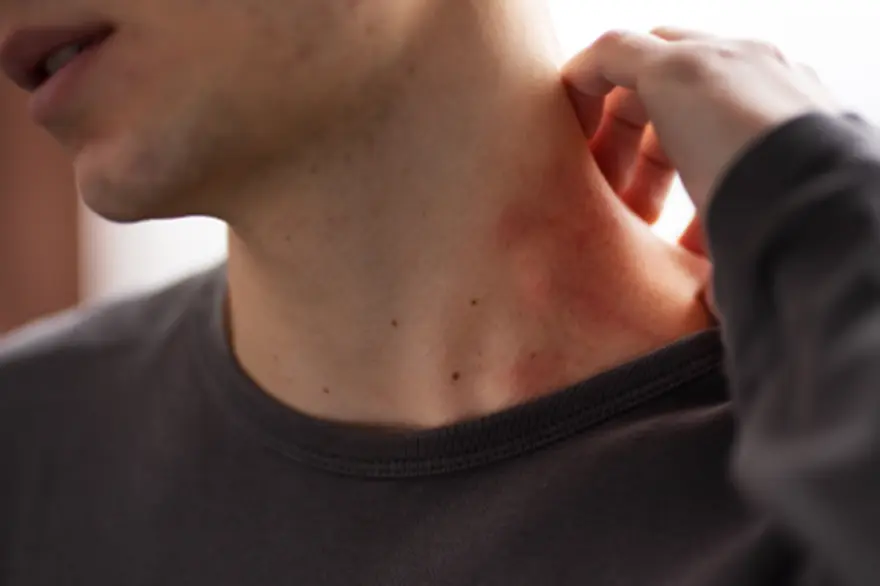
Table of Contents
- What Is Morphea (Localised Scleroderma)?
- Symptoms of Morphea
- Types of Morphea
- What Causes Morphea?
- Triggers of Morphea
- Risk Factors for Morphea
- How is Morphea Diagnosed?
- Tests Used to Diagnose Morphea
- Treatment Options for Morphea
- Managing Morphea Symptoms
- How to Prevent Morphea Flare-ups
- Living with Morphea: What You Need to Know
- Conclusion
- FAQs
What Is Morphea (Localised Scleroderma)?
Morphea is a rare autoimmune skin disorder in which the immune system targets healthy connective tissue, causing inflammation and excess collagen buildup, causing inflammation and excessive collagen production. This process leads to skin hardening and thickening in localised areas. The condition affects approximately 3 in every 100,000 people, with women being three times more likely to develop morphea than men.
Morphea typically progresses through three overlapping stages — inflammation, sclerosis, and atrophy. Initially, affected areas become red and inflamed. Subsequently, the skin hardens and develops a waxy appearance often surrounded by a characteristic lilac or violaceous border, a hallmark of active disease. Finally, the lesions may become lighter or darker than surrounding skin, sometimes leaving permanent scarring or indentation.
Symptoms of Morphea
Recognising morphea symptoms early can lead to more effective treatment outcomes. The condition presents various signs that may develop gradually over months or years:
- Skin discolouration: Patches appear lighter or darker than surrounding skin
- Hardened skin texture: Affected areas feel waxy, tight, or leather-like
- Shiny appearance: Skin develops an unusual glossy surface
- Hair loss: Complete absence of hair growth in affected regions
- Itching or burning: Uncomfortable sensations, particularly during active phases
- Joint stiffness: Limited mobility when lesions affect areas near joints
- Muscle weakness: Reduced strength in deeper variants affecting underlying tissues
- Cosmetic changes: Noticeable indentations or contour irregularities, particularly on the face or limbs
Types of Morphea
Understanding different types of morphea helps you understand what is morphea disease and how healthcare providers can determine appropriate treatment strategies. According to studies archived in the National Library of Medicine, here are the categories:
- Circumscribed (plaque-type) Morphea: Characterized by one or a few round or oval plaques, typically on the trunk on chest; sometimes causes scarring or joint stiffness
- Linear Morphea: Appears as linear or band-like areas of thickened skin, often crossing joints or affecting limbs or head/neck; can potentially lead to limb deformities or muscle weakness
- “En Coup de Sabre” Morphea: A linear form affecting the forehead and scalp, often causing hair loss; may cause neurological or eye-related symptoms
- Generalised Morphea: Involves multiple plaques over several body regions (commonly trunk and limbs) and can occasionally limit joint motion (typically more than four lesions in at least two sites); can restrict joint movement
- Mixed Morphea: Occurs when a patient exhibits features of more than one subtype
- Rare Variants: Rare forms such as bullous, guttate, or atrophoderma of Pasini-Pierini may occur, often requiring specialist evaluation, and related conditions like eosinophilic fasciitis or Parry–Romberg syndrome.
Linear morphea represents the most common childhood variant, while generalised morphea tends to affect adult women more frequently.
What Causes Morphea?
The exact cause of morphea remains unclear, though research suggests a complex interaction between genetic predisposition and environmental factors. Scientists have identified specific genetic markers, particularly HLA-DRB104:04 and HLA-B37, that increase susceptibility to developing this morphea skin condition.
When triggers activate the immune system in genetically susceptible individuals, inflammatory pathways become dysregulated. T-cells release pro-inflammatory substances that stimulate fibroblasts to produce excessive collagen. This cascade results in the characteristic skin thickening and hardening seen in morphea disease.
Autoantibodies, including ANA and anti-histone antibodies, are found in up to half of patients and may correlate with disease activity or extent, including antinuclear antibodies and anti-histone antibodies. Interestingly, morphea sometimes occurs alongside other autoimmune conditions such as type 1 diabetes, Hashimoto's thyroiditis, or autoimmune hepatitis, suggesting shared immunological pathways.
Triggers of Morphea
- Physical trauma: Injuries, surgical incisions, or repeated skin damage
- Radiation therapy: Medical treatments involving ionising radiation
- Infections: Viral infections including Epstein-Barr virus or varicella zoster
- Chemical exposures: Environmental toxins or occupational chemicals
- Vaccinations: Rare post-vaccination morphea cases have been reported, though causality remains unproven
- Medications: Certain pharmaceutical agents may trigger autoimmune responses
- COVID-19: Isolated reports describe morphea-like lesions following infection or vaccination, though evidence remains anecdotal.
Risk Factors for Morphea
- Gender: Women develop morphea three times more frequently than men
- Age: Peak incidence occurs between ages 2-14 and 40-50 years
- Ethnicity: European descent populations show higher prevalence rates
- Family history: Genetic predisposition to autoimmune diseases
- Autoimmune conditions: Existing conditions like type 1 diabetes or Hashimoto's thyroiditis
- Autoantibody presence: Elevated ANA, AHA, or anti-ssDNA antibody levels
- Previous trauma: History of significant skin injuries or surgical procedures
How is Morphea Diagnosed?
- Clinical examination: Detailed assessment of skin lesions, distribution patterns, and characteristics
- Medical history review: Discussion of symptom onset, progression, family history, and potential triggers
- Physical assessment: Evaluation of skin thickness, joint mobility, and systemic symptoms
- Laboratory testing: Blood tests for autoantibodies and inflammatory markers
- Imaging studies: MRI or high-frequency ultrasound can help determine the depth and extent of tissue involvement, especially in linear or deep morphea
- Skin biopsy: Tissue analysis confirming characteristic histopathological changes
- Systemic evaluation: Screening for internal organ involvement in severe cases
Tests Used to Diagnose Morphea
- Skin biopsy: Gold standard test showing inflammatory infiltrates and excessive collagen
- Antinuclear antibody testing: Positive in approximately 70% of morphea patients
- Anti-histone antibody testing: Associated with joint involvement and disease severity
- Complete blood count: Assesses overall immune system status and blood health
- Inflammatory markers: ESR and CRP levels indicating active inflammation
- Comprehensive metabolic panel: Evaluates organ function, particularly in systemic symptoms
- MRI imaging: Determines lesion depth and tissue involvement
- Dermoscopy: Magnified examination revealing characteristic morphea features
Treatment Options for Morphea
Effective morphea treatment focuses on controlling inflammation, preventing disease progression, and maintaining function. Treatment approaches vary depending on disease severity, location, and individual patient factors:
- Topical corticosteroids: First-line therapy for localised lesions
- Topical calcineurin inhibitors: Alternative anti-inflammatory medications
- Systemic corticosteroids: Oral medications for widespread or active disease
- Methotrexate: Immunosuppressive agent for moderate to severe morphea
- Antimalarial drugs: Hydroxychloroquine may help control inflammation and is often used as an adjunct in resistant or widespread disease
- Phototherapy: UVA-1 or narrowband UVB light treatments
- Physical therapy: Exercises maintaining joint mobility and preventing contractures
- Combination therapy: Dermatologists often combine systemic agents, topical therapy, and phototherapy for optimal disease control for optimal outcomes
Your dermatologist will develop a personalised morphea skin disease treatment plan considering your specific morphea type, disease activity, and individual circumstances.
Managing Morphea Symptoms
Managing morphea focuses on easing discomfort, protecting the skin, and preventing complications. Regular moisturising keeps the skin flexible, gentle stretching helps avoid joint stiffness, and sun protection prevents further sensitivity. Stress management, yoga, and mindfulness may support emotional well-being and help reduce inflammatory flare-ups and help minimise flare-ups.
How to Prevent Morphea Flare-ups
Preventing morphea flare-ups involves identifying and avoiding personal triggers whilst maintaining optimal skin health. Protecting your skin from trauma, excessive sun exposure, and harsh chemicals reduces the risk of new lesions developing. Maintaining general health through balanced nutrition, regular activity, adequate sleep, and avoiding smoking supports immune regulation supports immune system function.
Living with Morphea: What You Need to Know
Unlike systemic sclerosis, morphea disease remains localised to the skin and underlying tissues. This distinction is crucial because morphea doesn't typically affect your heart, lungs, kidneys, or digestive system, making the prognosis generally more favourable than systemic forms of scleroderma.
Many people with morphea lead fulfilling lives with appropriate medical care and lifestyle adjustments. Regular follow-up appointments allow monitoring of disease progression and treatment effectiveness, enabling timely adjustments to your morphea treatment plan.
Can Morphea Be Cured?
Morphea has no permanent cure, but many people see strong improvement with proper treatment. Early management can limit long-term damage and support better outcomes. Periods of remission are common, and ongoing research continues to explore more effective treatment options.
Complications of Morphea
- Joint contractures: Permanent tightening of skin and connective tissue limiting movement
- Muscle weakness: Reduced strength in affected areas
- Growth abnormalities: Limb length differences in childhood-onset disease
- Cosmetic deformities: Visible changes affecting self-esteem and social functioning
- Functional limitations: Difficulty performing daily activities
Is Morphea Contagious?
Morphea is not contagious and cannot spread from person to person through physical contact, shared items, or airborne transmission. The condition results from autoimmune dysfunction rather than infectious agents.
Conclusion
Understanding the meaning of morphea and how the skin condition develops empowers you to recognise symptoms early and seek appropriate medical care. This autoimmune skin condition, while challenging, can be effectively managed with proper treatment and lifestyle modifications.
If you're experiencing unexplained skin changes or have concerns about autoimmune conditions, consider comprehensive health screening. At Metropolis Healthcare, our extensive portfolio of over 4,000 advanced diagnostic tests includes specialised autoimmune panels that can help identify conditions like type 1 diabetes, Hashimoto's thyroiditis, and autoimmune hepatitis. Our convenient home sample collection service, supported by 10,000+ touchpoints across India, ensures comfortable access to accurate diagnostic testing.
FAQs
What is the life expectancy for someone with morphea?
Morphea usually does not affect life expectancy, as it remains confined to the skin and underlying tissues. Most people live normal lives, though symptoms can impact comfort, appearance, or mobility, making good care important.
Can morphea go away on its own?
Some cases improve over time, but waiting for spontaneous recovery can lead to scarring or stiffness. Early treatment offers the best chance to prevent long-term damage.
What is the best treatment for morphea?
Morphea treatment depends on the type and severity. Topical steroids help mild, localised disease, while deeper or widespread forms may need systemic options like methotrexate.
Can children get morphea?
Yes. Children can develop morphea, most commonly the linear type. Early diagnosis and treatment are essential to prevent growth-related issues and long-term complications.
Is there a cure for morphea?
There is no cure, but effective treatments can control symptoms and slow progression. Many patients achieve long periods of remission with proper care.