Home Visit
 Upload






Preventive Healthcare
Makar Sankranti Food Guide: Nutritional Benefits & Health Tests to Track Wellness
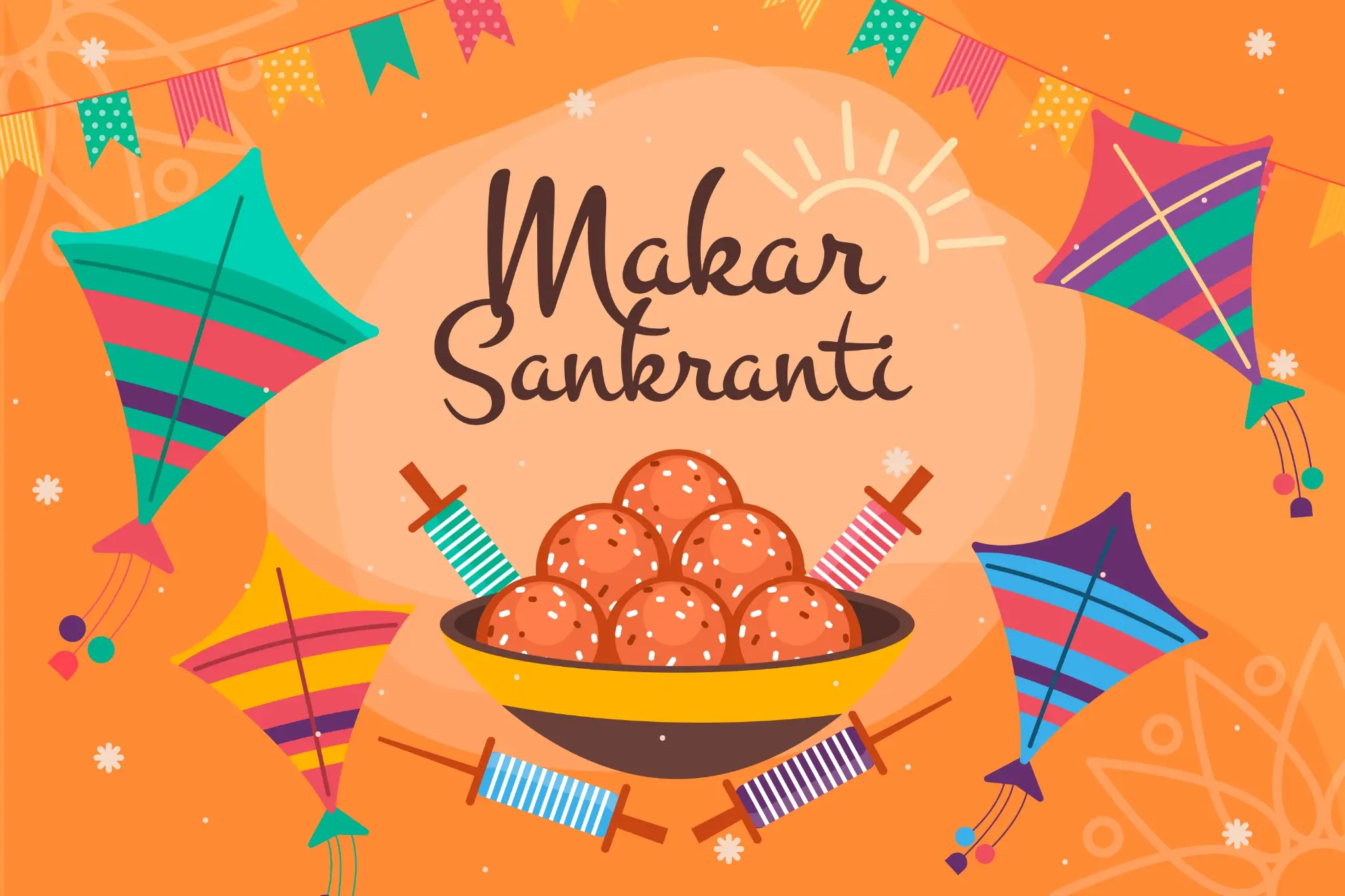
Table of Contents
- What is Makar Sankranti, and Why Is It Celebrated?
- Why Food Plays a Key Role During Makar Sankranti
- Understanding the Health Logic Behind Makar Sankranti Foods
- Popular Makar Sankranti Foods and Their Nutritional Benefits
- Traditional Makar Sankranti Foods & Health Benefits
- Key Nutrients in Makar Sankranti Foods
- How These Nutrients Support Winter Wellness
- Health Tests to Track Wellness After Festive Eating
- Who Should Be More Careful With Festive Foods?
- Tips to Enjoy Makar Sankranti Food Without Harming Health
- Healthy Alternatives for Traditional Makar Sankranti Foods
- Celebrate Makar Sankranti Mindfully This Year
- FAQs
What is Makar Sankranti, and Why Is It Celebrated?
Makar Sankranti is a cherished Hindu festival celebrated in mid-January (typically January 14), marking the Sun's transition from Capricorn (Makar) to Aquarius (Kumbh) in the zodiac. According to Encyclopaedia Britannica, this astronomical shift signals the end of the winter solstice and the beginning of Uttarayana, a period of longer, warmer days ahead.
The festival honours Surya, the Sun God, for providing life-sustaining energy that nurtures all living beings. Communities across India celebrate this harvest festival by taking holy dips in rivers, offering prayers, lighting bonfires and sharing abundant feasts. These rituals express deep gratitude for agricultural prosperity and spiritual renewal.
Makar Sankranti coincides with the completion of winter harvests, making it a time of thanksgiving for nature's bounty. Families gather to celebrate the seasonal transition with traditional foods that reflect centuries of nutritional wisdom.
Why Food Plays a Key Role During Makar Sankranti
Food assumes central importance during Makar Sankranti as this harvest festival celebrates agricultural abundance. Communities share nourishing dishes prepared from freshly harvested grains, sesame seeds, jaggery, and pulses to honour farmers and nature's generosity.
These rich, warming Makar Sankranti food traditions align perfectly with winter's end, providing essential nutrients needed during seasonal transition. Traditional recipes promote family unity through shared meals and charitable acts like donating khichdi to those in need.
The ritual of offering sweets to deities and ancestors symbolises prosperity and gratitude. This food-centred celebration strengthens community bonds whilst ensuring everyone receives proper nourishment during the shift towards warmer days.
Understanding the Health Logic Behind Makar Sankranti Foods
Traditional Makar Sankranti foods emphasize jaggery, wholesome grains, and sesame seeds for their seasonal benefits—ingredients chosen specifically for their warming properties during winter months. These foods provide sustained energy from complex carbohydrates and healthy fats, helping combat the increased demands of cold weather on your body.
This seasonal eating approach aligns with Ayurvedic principles of balancing body heat and supporting digestion during the transition from winter to spring. The nutrient-dense, calorically rich nature of these foods supports immunity and vitality during shorter daylight hours.
Our ancestors understood that winter requires foods that generate internal warmth while providing essential nutrients to maintain health. This wisdom remains relevant today for supporting your body's natural rhythms.
Popular Makar Sankranti Foods and Their Nutritional Benefits
Across India, Makar Sankranti food includes sesame-jaggery sweets (tilgul, til ladoo), peanut chikki, sugarcane, pongal, khichdi, and dishes featuring newly harvested rice and millets. Each region adds unique variations whilst maintaining core nutritional principles.
Sesame seeds and peanuts provide healthy fats, plant proteins, and essential minerals, including magnesium and calcium, supporting heart and bone health. Jaggery provides quick energy from carbohydrates, along with small amounts of iron and trace minerals.
Whole grains and legumes in dishes like pongal and khichdi contribute dietary fibre, B vitamins, and plant proteins that aid digestion and metabolic health. Ghee, when used moderately, adds fat-soluble vitamins and energy, whilst spices provide antioxidant and anti-inflammatory properties.
Traditional Makar Sankranti Foods & Health Benefits
Traditional dishes like tilgul, khichdi, and jaggery-based sweets represent harvest bounty designed for winter resilience. These foods contain anti-inflammatory, energy-boosting ingredients that support your health during seasonal changes.
Key Makar Sankranti food benefits include:
- Tilgul (sesame-and-jaggery laddoos): Sesame provides magnesium for heart health and zinc for immunity support; jaggery aids digestion with essential minerals.
- Khichdi: Combines rice and moong dal for complete protein, offering fibre-rich gut support with easy digestibility.
- Puran poli: Chickpea filling provides folate and protein; whole wheat increases fibre content for better blood sugar control.
- Payasam or sesame sweets: Nuts and milk add healthy fats and vitamins supporting skin and bone strength during cold weather.
Key Nutrients in Makar Sankranti Foods
- Healthy fats: From sesame, peanuts, and other nuts—support cardiovascular health and maintain cellular function.
- Plant protein: From lentils, mung dal, peanuts, and sesame; supports muscle maintenance, satiety, and metabolic health.
- Dietary fibre: From whole grains, millets, legumes, nuts, and seeds; improves digestion and helps regulate blood sugar and cholesterol.
- Complex carbohydrates: From rice, millets, and legumes; provide sustained energy compared to refined sugars.
- Iron: From jaggery, lentils, and millets—is important for red blood cell production and for preventing anemia..
- Magnesium: From sesame, peanuts, nuts, and whole grains; supports muscle function, blood sugar regulation, and blood pressure.
- Calcium: From sesame seeds and millets; supports bone health and muscle function.
- B vitamins: From whole grains, legumes, and peanuts; essential for energy metabolism and nervous system function.
How These Nutrients Support Winter Wellness
During colder months, the body's energy demands often increase, and traditional makar sankranti food provides calorie-dense yet nutrient-rich combinations that help meet these seasonal needs. Healthy fats and complex carbohydrates support the generation of warmth and sustained energy levels throughout the day.
Dietary fibre from legumes, millets, and nuts promotes digestive regularity despite potentially lower physical activity during winter months. Essential minerals like magnesium, calcium, and B vitamins from seeds, nuts, and whole grains support muscle function, nerve health, and energy metabolism, helping reduce fatigue. Antioxidants and anti-inflammatory compounds in spices and nuts may support immune function during the season when respiratory infections are more common.
Health Tests to Track Wellness After Festive Eating
- Fasting Blood Sugar (FBS) Test: Essential for monitoring how your body responds to jaggery and other sweet preparations.
- Lipid profile - 1/2/3: Evaluates cholesterol and triglyceride levels, especially after consuming rich foods like sesame and nuts.
- CBC (Complete Blood Count) Test: Assesses anaemia risk or inflammation markers following rich food consumption.
- Liver function test (LFT): Evaluates potential strain from fried and sweet dishes on liver health.
- HbA1c test: Tracks average blood sugar control over the previous 2–3 months, helpful after festival-season indulgence.
Who Should Be More Careful With Festive Foods?
- People with diabetes: High jaggery content risks dangerous blood sugar spikes requiring careful monitoring.
- Those with high cholesterol: Fried sweets and ghee can significantly increase triglyceride levels.
- Individuals with digestive issues (IBS): Heavy, oily foods may trigger uncomfortable bloating and digestive distress.
- People managing obesity: Calorie-dense treats can promote unwanted weight gain during celebrations.
- People with kidney disease: Excess minerals from sesame and jaggery may strain kidney filtration.
Tips to Enjoy Makar Sankranti Food Without Harming Health
- Limit sweets to one small serving daily during festivities.
- Pair khichdi with leafy greens for added fibre and nutrients.
- Opt for reduced oil quantities in cooking traditional recipes.
- Drink warm water throughout the day to support digestion after sweet and oily foods.
- Engage in at least 30 minutes of light physical activity daily to help stabilise blood sugar levels.
Healthy Alternatives for Traditional Makar Sankranti Foods
- Baked tilgul: Create oats-and-sesame balls using stevia instead of full jaggery.
- Moong dal khichdi: Skip white rice and add quinoa for a lower-glycaemic-index option.
- Jaggery-date laddoos: Blend with nuts while reducing jaggery quantity to enhance natural sweetness.
- Almond milk payasam: Prepare dairy-free, low-sugar versions flavoured with cardamom.
- Whole-grain puran poli: Use millet-flour stuffing with minimal jaggery for better nutrition.
Celebrate Makar Sankranti Mindfully This Year
Understanding the health logic behind Makar Sankranti foods helps you make informed choices while honouring cultural traditions. The benefits of sesame seeds' nutrition and the wholesome ingredients in traditional recipes offer genuine health advantages when consumed thoughtfully. By balancing indulgence with awareness, you can enjoy this beautiful festival whilst supporting your wellness goals. Regular health monitoring through appropriate tests ensures you can celebrate confidently, knowing your body's response to festive eating.
At Metropolis Healthcare, we make health tracking simple and accessible. With over more than 4,000 advanced diagnostic tests and a network spanning over 10,000 touchpoints across India, our comprehensive health checkups help you monitor the impact of dietary changes on your well-being. Our convenient home sample collection service ensures you can prioritise your health without disrupting your celebrations.
FAQs
What foods are eaten during Makar Sankranti?
Sesame-jaggery sweets (tilgul), khichdi, puran poli, payasam, and rice puddings dominate celebrations, made from harvest grains, pulses, and nuts for festive sharing.
Why are sesame seeds and jaggery eaten on Makar Sankranti?
Sesame provides essential body heat during winter months; jaggery offers iron and natural sweetness symbolising prosperity whilst nourishing during seasonal transition.
Is jaggery healthier than sugar during festivals?
Yes, jaggery retains beneficial minerals like iron and magnesium, unlike refined sugar, supporting digestion and preventing anaemia, though moderation remains essential.
Can diabetics eat Makar Sankranti food?
Diabetics can enjoy small portions of khichdi over sweets whilst monitoring blood sugar carefully. Consult your doctor about stevia-jaggery alternatives.
Which health tests are useful after festive eating?
- Fasting Blood Sugar (FBS) Test/HbA1c test for sugar control monitoring.
- Lipid profile 1/2/3 for cholesterol assessment.
- CBC test for overall nutritional status.
- Liver function tests for metabolic health.
Are traditional Makar Sankranti foods good for winter health?
Yes, sesame fats and jaggery minerals boost immunity and energy during cold weather; fibre content aids digestion when balanced appropriately.