Home Visit
 Upload






Preventive Healthcare
Heart Valve Disease: Causes, Symptoms & Treatment Options
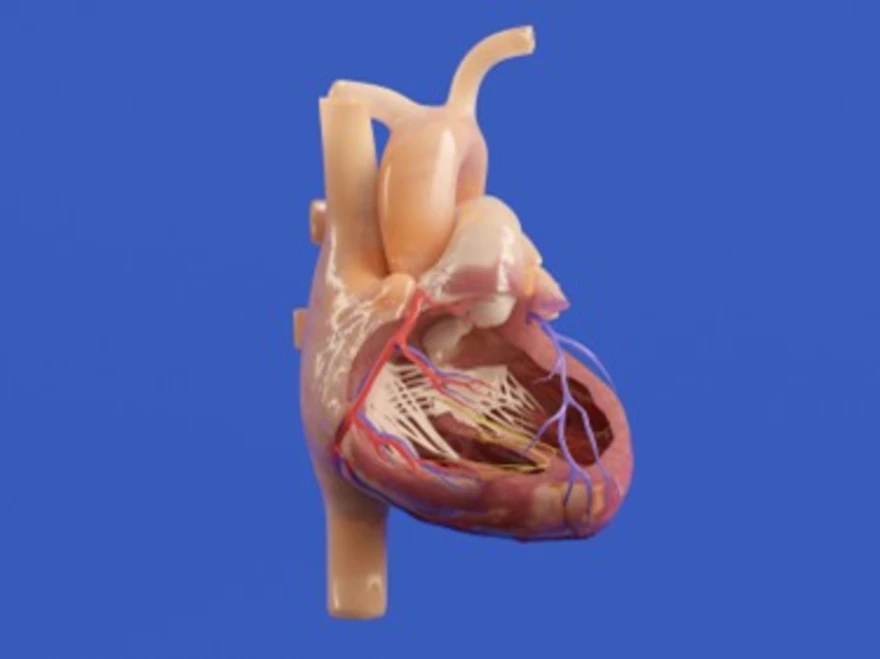
Table of Contents
- Heart Valve Disease Overview
- What Is Heart Valve Disease?
- Types of Heart Valve Disease
- Causes of Heart Valve Disease
- Risk Factors for Heart Valve Disease
- Symptoms of Heart Valve Disease
- How to Diagnose Heart Valve Disease
- Treatment Options for Heart Valve Disease
- Living with Heart Valve Disease
- Preventing Heart Valve Disease
- Conclusion
- FAQs
- References
Heart Valve Disease Overview
Heart valve disease occurs when one or more of your heart's four valves, the aortic, mitral, tricuspid, and pulmonary valves, fail to function correctly. These heart valves act as one-way doors, ensuring blood flows in the proper direction through your heart's chambers. When heart valve disease develops, it disrupts this essential process, forcing your heart to work harder and potentially leading to serious complications.
The condition can affect people of any age, though it becomes more common with advancing years. Heart valve disease may develop gradually over time or occur suddenly due to infection or injury. Some individuals are born with congenital heart valve disease, whilst others develop the condition later in life due to various factors, including age-related wear, infections, or other heart conditions.
What Is Heart Valve Disease?
Heart valve disease is a condition where your heart valves become damaged, diseased, or malformed, preventing them from opening and closing properly. Your heart has four valves that regulate blood flow: the mitral and tricuspid valves control flow between the upper and lower chambers, whilst the aortic and pulmonary valves control flow out of the heart.
When heart valve disease occurs, these valves may become narrowed (stenosis), leaky (regurgitation), or improperly formed. This disruption affects your heart's ability to pump blood efficiently, potentially leading to symptoms such as shortness of breath, fatigue, and chest pain. The severity of heart valve disease varies significantly between individuals, with some experiencing mild symptoms whilst others face life-threatening complications.
Types of Heart Valve Disease
Heart valve disease manifests in several distinct forms, each affecting valve function differently:
• Stenosis: Your valve leaflets become thick, stiff, or fused together, narrowing the valve opening and restricting blood flow through the heart.
• Regurgitation (Insufficiency): Your valve doesn't close completely, allowing blood to leak backwards instead of flowing forward efficiently.
• Prolapse: Your valve leaflets bulge or flop backwards into the previous chamber, sometimes causing regurgitation and affecting normal blood flow.
• Atresia: A rare congenital condition where your valve didn't form properly during development or is completely missing, preventing normal blood circulation.
Causes of Heart Valve Disease
Heart valve disease causes are diverse and can affect individuals at different life stages. Age-related degeneration represents one of the most common causes of heart valve disease, particularly affecting older adults. As you age, your heart valves naturally undergo wear and tear, potentially becoming thickened, stiffened, or calcified over time.
Infections pose another significant category of heart valve disease causes. Rheumatic fever, resulting from untreated streptococcal throat infections, can severely damage your heart valves. Endocarditis, an infection of your heart's inner lining and valves, can also cause substantial valve damage. These infectious heart valve diseases highlight the importance of prompt treatment for seemingly minor infections.
Congenital heart valve disease represents conditions present from birth, where your heart valves didn't develop normally during foetal development. Other heart conditions, including heart attacks, can damage your heart valves or the supporting structures around them. Additionally, certain medical treatments, such as high-dose radiation therapy for cancer, may contribute to heart valve disease causes later in life.
Risk Factors for Heart Valve Disease
Several factors can increase your likelihood of developing heart valve disease:
• Advanced age, particularly over 65 years, significantly increases your risk of valve degeneration and heart valve disease.
• Previous infections, including rheumatic fever, endocarditis, or other serious bacterial infections affecting your heart.
• Family history of heart valve disease, congenital heart valve disease, or other cardiovascular conditions.
• Existing heart conditions, such as coronary artery disease, previous heart attacks, or other forms of heart disease.
• High blood pressure that remains poorly controlled over extended periods, placing additional strain on your heart valves.
• High cholesterol levels contribute to atherosclerosis, which can indirectly affect valve function—particularly by promoting calcification of the aortic valve.
• Autoimmune conditions, such as lupus or rheumatoid arthritis, can affect your heart valve tissues.
• Previous radiation exposure to your chest area, often from cancer treatment, which may lead to valve calcification.
Heart Valve Disease and Heart Attack
The relationship between heart valve disease and heart attack is complex and significant. Whilst heart valve disease doesn't directly cause a heart attack, it can increase your risk of cardiovascular complications. When your heart valves don't function properly, your heart must work harder to maintain adequate blood circulation, potentially straining your cardiovascular system.
Conversely, experiencing a heart attack can damage your heart valves or the muscle tissue supporting them. The reduced blood supply during a heart attack may weaken valve structures or enlarge your heart chambers, making it more difficult for valves to close properly. This creates a concerning cycle where heart valve disease and heart attack risks can compound each other.
If you've experienced a heart attack, your healthcare provider will likely monitor your heart valve function more closely. Similarly, if you have heart valve disease, managing other cardiovascular risk factors becomes even more critical to prevent heart attack and other complications.
Symptoms of Heart Valve Disease
According to the National Institutes of Health (NIH), heart valve diseases can remain symptom-free for years, but fatigue is often the first early warning sign, making a timely diagnosis critical to prevent complications like heart failure or cardiac arrest.
- Shortness of breath, especially during physical activity or when lying flat, is often the most common early symptom.
- Persistent fatigue and reduced exercise tolerance that seem disproportionate to your activity level.
- Chest pain, pressure, or tightness that may worsen with exertion or stress.
- Heart palpitations or irregular heartbeats that feel like fluttering, racing, or skipping.
- Dizziness or light headedness, particularly when standing up quickly or during physical activity.
- Fainting episodes (syncope) may indicate severe valve problems requiring immediate attention.
- Swelling in your ankles, feet, legs, or abdomen due to fluid retention from poor circulation.
- Rapid weight gain from fluid accumulation can occur over several days, often signalling worsening heart failure.
- Persistent cough, especially one that produces white or pink-tinged phlegm.
How to Diagnose Heart Valve Disease
Diagnosing heart valve disease involves several comprehensive approaches that your healthcare provider will use to evaluate your condition:
• Physical examination: Your doctor listens to your heart with a stethoscope to detect heart murmurs or abnormal sounds.
• Echocardiogram: A painless ultrasound test that provides detailed images of your heart valves in motion and measures blood flow.
• Electrocardiogram (ECG): It records your heart's electrical activity and identifies rhythm abnormalities or signs of strain.
• Chest X-ray: Examines your heart size and looks for signs of fluid accumulation in your lungs.
• Cardiac MRI and/or CT angiography: Provides high-resolution imaging of your heart valves, chambers, and blood vessels when additional structural or functional information is needed.
• Cardiac catheterisation: In some cases, a thin tube is inserted into your blood vessels to directly measure pressures and blood flow.
• Blood tests: Check for signs of infection, heart failure markers, or other conditions that might affect your heart valves.
Heart Valve Disease and Congestive Heart Failure
Heart valve disease and congestive heart failure are closely interconnected conditions that often occur together. When your heart valves don't function properly, your heart must work significantly harder to pump blood effectively throughout your body. Over time, this increased workload can weaken your heart muscle, potentially leading to congestive heart failure.
Congestive heart failure occurs when your heart cannot pump enough blood to meet your body's needs, causing fluid to accumulate in your lungs, legs, and other parts of your body. If you have severe heart valve disease, particularly involving the mitral or aortic valves, your risk of developing congestive heart failure increases substantially.
The symptoms of heart valve disease and congestive heart failure often overlap, including shortness of breath, fatigue, and swelling. This is why a comprehensive evaluation is essential to determine whether valve problems are contributing to heart failure symptoms and to develop appropriate treatment strategies addressing both conditions.
Treatment Options for Heart Valve Disease
Heart valve disease treatment varies significantly depending on the severity of your condition, which valves are affected, and your overall health status. Your healthcare team will develop a personalised treatment plan that may include:
• Medications: To manage symptoms, control blood pressure, prevent blood clots, and reduce strain on your heart.
• Regular monitoring: Through periodic checkups and imaging tests to track disease progression.
• Lifestyle modifications: They include dietary changes, exercise recommendations, and infection prevention strategies.
• Minimally invasive procedures: Such as balloon valvuloplasty or transcatheter valve interventions.
• Surgical valve repair: To fix your existing valve when possible, preserving your natural valve function.
• Heart valve replacement: A surgery when repair isn't feasible, using either mechanical or biological replacement valves.
• Hybrid approaches: Combining different treatment methods to achieve optimal outcomes for your specific situation.
Medications for Heart Valve Disease
Several types of medications play important roles in heart valve disease treatment:
• Diuretics: They help reduce fluid buildup in your body, easing symptoms like swelling and shortness of breath.
• ACE inhibitors or ARBs: Help lower blood pressure and reduce strain on your heart, potentially slowing disease progression.
• Beta-blockers: Control your heart rate and blood pressure, helping your heart work more efficiently.
• Anticoagulants: Prevent blood clots from forming, particularly important if you have certain types of valve disease or artificial valves.
• Antiarrhythmic medications: Help control irregular heart rhythms, such as atrial fibrillation, which commonly occur with mitral valve disease.
• Antibiotics: Used for infective endocarditis prophylaxis before certain dental or surgical procedures only in high-risk patients (e.g., those with prosthetic heart valves or previous infective endocarditis).
Surgical Treatments for Heart Valve Disease
When medications and less invasive treatments aren't sufficient, surgical heart valve disease treatment options include:
- Valve repair surgery: It aims to preserve your natural valve by correcting structural problems and is often preferred when feasible due to better long-term outcomes.
- Valve replacement surgery: Involves removing your damaged valve and replacing it with either a mechanical valve or a biological tissue valve.
- Transcatheter valve procedures: Less invasive options such as transcatheter aortic valve replacement (TAVR) and transcatheter mitral valve repair (TMVR) are available for select patients unsuitable for open-heart surgery.
- Minimally invasive surgical approaches: They use smaller incisions and specialised techniques to reduce recovery time whilst achieving excellent results.
Living with Heart Valve Disease
Successfully living with heart valve disease requires ongoing attention to your health and regular communication with your healthcare team. Many people with heart valve disease lead active, fulfilling lives by following their treatment plans and making appropriate lifestyle adjustments.
Regular follow-up appointments are essential for monitoring your condition and adjusting treatments as needed. Your healthcare provider may recommend periodic echocardiograms or other tests to track changes in your heart valve function over time. These appointments also provide opportunities to discuss any new symptoms or concerns you may have.
Staying active within your capabilities is important for maintaining cardiovascular health. Your healthcare provider can help you develop an appropriate exercise plan that considers your specific heart valve disease and overall fitness level. Many people find that regular, moderate exercise helps them feel better and maintain their independence.
Preventing Heart Valve Disease
While you cannot prevent all forms of heart valve disease, particularly congenital heart valve disease, several strategies can reduce your risk:
• Promptly treat strep throat infections: To prevent rheumatic fever, which can damage your heart valves.
• Maintain good dental hygiene: To reduce your risk of infections that could spread to your heart valves.
• Control blood pressure: Through healthy lifestyle choices and medications when necessary.
• Manage cholesterol levels: With appropriate diet, exercise, and medications as recommended by your healthcare provider.
• Avoid tobacco use and limit alcohol consumption: To protect your overall cardiovascular health.
• Stay up to date with vaccinations: To prevent infections that could potentially affect your heart.
• Seek prompt medical attention: For any signs of infection, particularly if you have existing heart valve problems.
Conclusion
Heart valve disease can significantly impact blood flow and overall heart function, but early detection and timely treatment make a major difference. Understanding its causes, symptoms, and available therapies allows you to take control of your heart health. With proper care and monitoring, it is highly manageable with early diagnosis and timely care, and choosing the right testing partner makes all the difference.
Metropolis Healthcare offers 4000+ tests, advanced speciality cardiac panels, full body checkups, and accurate results with quick turnaround, supported by a trusted home sample collection network of 10,000+ touchpoints. With convenient booking via website, app, WhatsApp, or phone, Metropolis ensures reliable, seamless, and accessible heart-health testing for you and your family to lead a healthy, active life.
FAQs
What is heart valve disease?
Heart valve disease refers to a malfunction in one or more heart valves, affecting blood flow and forcing the heart to work harder. It may involve narrowing (stenosis), leakage (regurgitation), or improper valve formation.
Can heart valve disease cause a heart attack?
Not directly. However, severe valve disease can strain the heart, raise pressure, and increase risks associated with coronary artery disease, which may lead to a heart attack.
What are the symptoms of heart valve disease?
Common symptoms include shortness of breath, chest discomfort, fatigue, palpitations, swelling in the legs or abdomen, dizziness, and heart murmurs.
How is heart valve disease treated?
Heart valve disease can be treated with the following:
- Medications
- Heart valve repair
- Heart valve replacement
- Minimally invasive procedures like TAVR
- Lifestyle modifications
References
- https://www.nhlbi.nih.gov/health/heart-valve-diseases
- https://www.heart.org/en/health-topics/heart-valve-problems-and-disease
- https://www.nhs.uk/conditions/heart-valve-disease/