Home Visit
 Upload






Preventive Healthcare
Broken Hand: What to Expect, Treatment Options & Healing Time
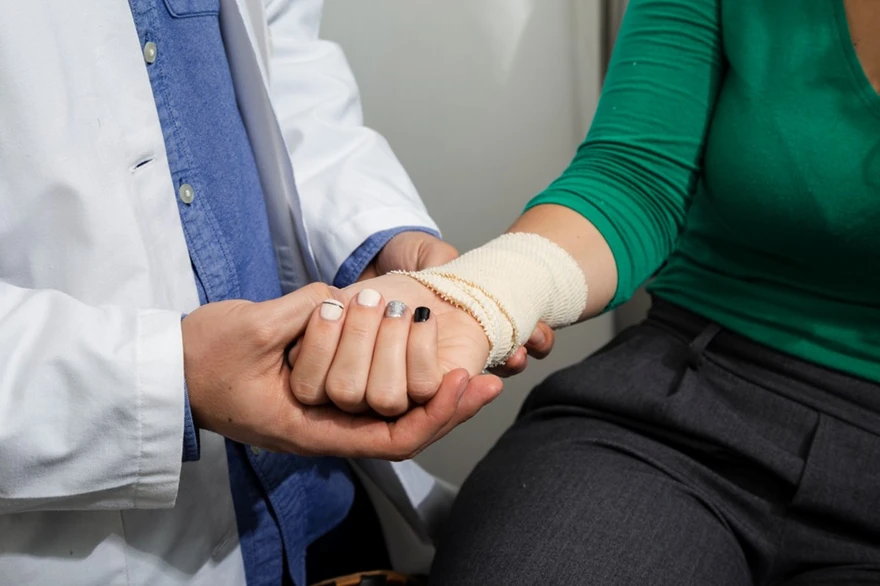
Table of Contents
What is a Broken Hand?
A broken hand occurs when one or more of the 27 bones in your hand sustain a fracture or crack. These bones include the metacarpals (palm bones) and phalanges (finger bones), each playing a vital role in hand function. Understanding hand fractures helps you appreciate why prompt treatment is essential.
The severity of a broken hand varies significantly. You might experience a simple hairline crack that heals relatively quickly, or a complex fracture where bones shatter into multiple pieces. Some breaks remain aligned, while others become displaced, requiring immediate medical intervention to prevent permanent damage.
Because of your hand’s intricate structure, these injuries can be particularly concerning. Each bone works together to provide the dexterity and strength you rely on daily. When a broken hand occurs, it affects not just the fractured bone but potentially surrounding tissues, nerves, and blood vessels.
Causes of a Broken Hand
Understanding how broken hands occur helps you recognise when medical attention is necessary.
The most common causes include:
• Falls and accidents: Landing on an outstretched hand often causes metacarpal or finger fractures
• Direct impact injuries: Punching walls, doors, or other hard surfaces often causes "boxer's fractures"
• Sports-related trauma: Contact sports, cricket, football, and cycling accidents commonly lead to hand injuries
• Motor vehicle collisions: High-impact accidents can cause severe, complex broken hand injuries
• Crush injuries: Heavy objects falling on hands or getting fingers caught in doors
• Workplace accidents: Manufacturing, construction, and manual labor environments pose higher risks
Certain factors increase your vulnerability to bone fractures. Age-related bone density loss makes older adults more susceptible to breaks from minor trauma. Additionally, conditions like osteoporosis significantly weaken bones, making them prone to fractures even during routine activities.
Symptoms of a Broken Hand
Recognising broken hand symptoms early ensures you seek appropriate treatment promptly.
Key warning signs include:
• Severe, persistent pain that worsens with movement or pressure
• Visible swelling around the injury site, often extending into the fingers
• Bruising and discoloration that may appear immediately or develop within a few hours
• Obvious deformity where bones appear crooked or out of alignment
• Limited mobility or complete inability to move the affected fingers
• Numbness or tingling suggesting possible nerve involvement
• Tenderness to touch around the fracture site
• Audible cracking sound at the time of injury
According to the American Society for Surgery of the Hand, a broken hand is a fracture of the metacarpal or phalanx bones, usually caused by impact, crush, or twisting injuries, leading to pain, swelling, and stiffness. Stable fractures are often treated with splints or casts, while unstable or severe fractures may need surgery with plates, screws, or pins, followed by hand therapy to restore movement.
Types of Hand Fractures
Different types of broken hand injuries require specific treatment approaches. Understanding these variations helps you anticipate your recovery journey:
• Metacarpal fractures: Breaks in palm bones, with fifth metacarpal "boxer's fractures" being most common
• Phalangeal fractures: Finger bone breaks affecting proximal, middle, or distal sections
• Displaced fractures: Bone fragments move out of normal alignment, often requiring surgical correction
• Non-displaced fractures: Cracks where bones remain properly positioned
• Comminuted fractures: Severe breaks creating multiple bone fragments
• Open fractures: Bone penetrates skin, creating infection risks requiring immediate treatment
Each fracture type influences your broken hand healing time and treatment complexity. Simple, non-displaced breaks typically heal faster than complex, displaced fractures that require surgical intervention.
How is a Broken Hand Diagnosed?
Proper diagnosis ensures you receive appropriate treatment for your specific injury. Healthcare providers use systematic approaches combining clinical examination with advanced imaging techniques.
During your initial assessment, doctors evaluate pain levels, patterns of swelling, and functional limitations. They test sensation, circulation, and movement while carefully examining for deformities or instability. This physical evaluation helps determine injury severity and guides further diagnostic steps.
Your medical history provides crucial context. Doctors need to understand how the injury occurred, your pain levels, and any previous hand problems. This information helps them anticipate potential complications and plan optimal treatment strategies.
Diagnostic Imaging Methods for Hand Fractures
Accurate diagnosis relies on sophisticated imaging techniques that reveal fracture details:
• X-rays: Standard first-line imaging showing bone alignment, fracture patterns, and displacement
• CT scans: Detailed cross-sectional images for complex fractures requiring surgical planning
• MRI scans: Soft tissue evaluation when ligament, tendon, or nerve damage is suspected
• Ultrasound: Sometimes used for initial assessment in emergencies
Most diagnoses of broken hands rely primarily on X-ray imaging. These images clearly show fracture lines, bone displacement, and healing progress during follow-up visits. Advanced imaging is used when initial X-rays don’t fully explain symptoms or when surgical planning requires detailed anatomical information.
Treatment Options for a Broken Hand
Treatment approaches depend on fracture severity, location, and your individual circumstances. Options range from conservative management to complex surgical procedures:
• Immobilization: Splints or casts keep bones properly aligned during healing
• Closed reduction: Non-surgical realignment of displaced bones under local anaesthesia
• Surgical fixation: Internal plates, screws, or pins for complex or unstable fractures
• Pain management: Medications to control discomfort during recovery
• Infection prevention: Antibiotics for open fractures to prevent osteomyelitis complications
A broken hand plaster or cast remains the cornerstone of conservative treatment. These devices maintain bone position while allowing natural healing processes to occur. Modern casting materials offer greater comfort and water resistance than traditional plaster options.
For severe injuries, surgical intervention becomes necessary. Surgeons use various techniques, including internal fixation with metal hardware, external fixation devices, or bone grafting, for complex reconstructions. The goal remains restoring normal anatomy and function.
Healing Time for a Broken Hand
Understanding realistic expectations for broken-hand healing time helps you plan accordingly and avoid frustration during recovery. Most simple fractures heal within 3-6 weeks with proper treatment, though complete functional recovery often takes longer.
Your broken hand recovery time depends on numerous factors. Simple, non-displaced fractures typically heal faster than complex fractures that require surgery. Age plays a significant role, with younger patients generally experiencing quicker bone healing than older adults.
Complete recovery encompasses more than just bone healing. After cast removal, you'll need time to regain strength, flexibility, and coordination. This rehabilitation phase may extend your total recovery time to several months, particularly for complex injuries or if complications arise.
What Factors Can Affect Healing Time?
Several factors influence how quickly your broken hand heals:
• Fracture severity and complexity: Simple cracks heal faster than shattered bones
• Patient age: Younger individuals typically experience faster bone regeneration
• Overall health status: Chronic conditions like diabetes can slow healing processes
• Smoking status: Tobacco use significantly impairs bone healing and increases complications
• Nutrition quality: Adequate protein, calcium, and vitamin D support optimal recovery
• Compliance with treatment: Following medical advice regarding activity restrictions and follow-up care
When Should You Seek Medical Help?
Specific symptoms demand immediate medical attention to prevent serious complications:
• Severe deformity or apparent bone displacement
• Open wounds with visible bone fragments
• Complete loss of sensation or circulation problems
• Increasing pain despite appropriate pain management
• Signs of infection, including fever, increased swelling, redness, or discharge
• Worsening symptoms after initial treatment
Rehabilitation After a Broken Hand
Rehabilitation begins once your doctor confirms that adequate bone healing has occurred. This phase focuses on restoring normal hand function through targeted exercises and activities.
Physical therapy typically starts with gentle range-of-motion exercises to prevent stiffness. As healing progresses, strengthening exercises help rebuild muscle mass lost during immobilisation. Occupational therapy may address specific functional tasks, such as writing, typing, or workplace activities.
Your rehabilitation timeline varies based on injury severity and individual factors. Simple fractures may require only basic home exercises, while complex injuries need formal therapy programs extending over several months.
Can You Exercise with a Broken Hand?
Exercise during broken hand recovery requires medical supervision and gradual progression. Initially, avoid activities that stress the injured area to prevent complications in healing.
Once your doctor approves gentle movement, specific exercises can actually promote healing by improving circulation and preventing stiffness. However, premature or excessive activity can disrupt bone healing and prolong recovery time.
Focus on exercises that don't involve the injured hand while maintaining overall fitness. Walking, lower-body strengthening, and cardiovascular activities help preserve overall health during recovery.
Conclusion
A broken hand is a significant injury that needs timely medical care and active participation in recovery. While simple fractures may heal within a few weeks, complex injuries or those requiring surgery can take several months and often need regular physiotherapy. Recognising symptoms early, seeking prompt treatment, and strictly following medical advice and exercises go a long way in preventing long-term stiffness, pain, and other complications.
At Metropolis Healthcare, we support your broken hand treatment with accurate and reliable diagnostics. Our portfolio of 4,000+ tests, along with advanced imaging and blood work, helps monitor healing progress and detect complications such as osteomyelitis. With 220+ laboratories and 10,000+ touchpoints across India, you can access quality testing from the comfort of your home. Book your home sample collection today to ensure your recovery is monitored with care and convenience.
FAQs
What should I do if I suspect a broken hand?
If you suspect a broken hand, immediately immobilise the injury using a makeshift splint or sling. Apply ice wrapped in a cloth to reduce swelling, but avoid direct ice contact with skin. Seek medical attention promptly, as delays can complicate treatment and affect long-term outcomes.
How long does a broken hand take to heal?
Broken hand healing typically takes about 3–6 weeks for simple fractures, though full recovery, including rehabilitation, may extend for several months. Complex injuries requiring surgery often need longer healing periods, sometimes extending 3-6 months for full functional recovery.
When is surgery needed for a broken hand?
Surgery becomes necessary for displaced fractures, open wounds, multiple bone fragments, or injuries affecting joint surfaces. Your surgeon will recommend the best approach based on fracture pattern, your age, activity level, and overall health status.
What are the signs that a broken hand is healing properly?
Positive healing signs include:
• Decreasing pain levels over time
• Reduced swelling and improved appearance
• Gradual return of sensation and circulation
• Improved range of motion as approved by your doctor
• X-ray evidence of bone healing progression
What complications can arise from a broken hand?
Potential complications include:
• Infection, particularly osteomyelitis in severe cases
• Permanent stiffness or reduced range of motion
• Chronic pain affecting daily activities
• Malunion, where bones heal in incorrect positions
• Nonunion, where bones fail to heal properly
• Nerve or blood vessel damage causing lasting problems
References
https://www.assh.org/handcare/condition/broken-hand
https://www.chop.edu/conditions-diseases/hand-fractures
https://www.assh.org/handcare/condition/hand-fracture
https://www.nhs.uk/conditions/broken-finger-or-thumb/