Home Visit
 Upload






Preventive Healthcare
How Obstructive Jaundice Affects Your Health and What You Need to Know
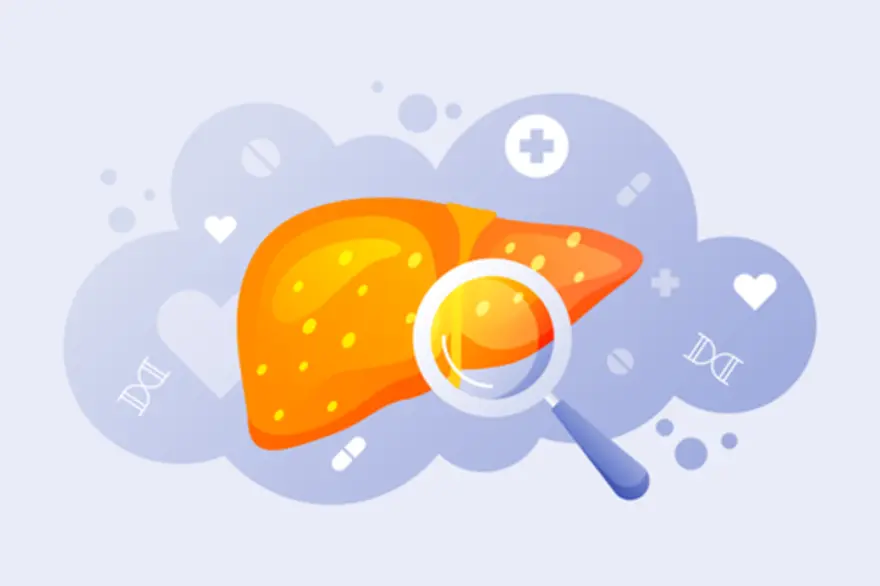
Table of Contents
- What is Obstructive Jaundice?
- Causes of Obstructive Jaundice
- Symptoms of Obstructive Jaundice
- Diagnosing Obstructive Jaundice
- Diagnostic and Imaging Methods for Detecting Obstructive Jaundice
- Treatment Options for Obstructive Jaundice
- Complications of Obstructive Jaundice
- Preventing Obstructive Jaundice
- Conclusion
- FAQs
- References
What is Obstructive Jaundice?
Obstructive jaundice is a medical condition where the normal flow of bile from your liver to your small intestine becomes blocked or obstructed. This blockage prevents bile (a yellow-green fluid that helps digest fats) from draining properly, causing bilirubin to build up in your blood and tissues.
Unlike other forms of jaundice that result from liver cell damage or excessive red blood cell breakdown, obstructive jaundice specifically involves a physical obstruction somewhere along the bile duct system. When bile cannot flow freely, bilirubin levels in obstructive jaundice typically rise significantly above normal, often exceeding 3 mg/dL.
The condition can develop gradually or suddenly, depending on the underlying cause. What makes obstructive jaundice particularly concerning is that it often indicates underlying serious conditions such as gallstones, tumors, cysts, or infections. The blocked bile also affects your body's ability to digest fats and absorb essential vitamins, leading to broader health implications.
Causes of Obstructive Jaundice
• Gallstones: Small, hard deposits that form in your gallbladder and can block bile ducts
• Tumours: Cancerous or benign growths in the pancreas, bile duct, or surrounding organs
• Bile duct strictures: Narrowing of bile ducts due to inflammation or scarring
• Pancreatitis: Inflammation of the pancreas that can compress nearby bile ducts
• Cholangitis: Infection and inflammation of the bile ducts themselves
• Parasitic infections: Certain parasites can cause bile duct blockages
• Congenital abnormalities: Structural bile duct anomalies present from birth
Symptoms of Obstructive Jaundice
- Yellowing of the skin and eyes: The hallmark sign that develops as bilirubin accumulates
- Dark urine: Results from excess bilirubin being filtered by your kidneys
- Pale or clay-coloured stools: Occurs when bile cannot reach your intestines
- Intense itching: Caused by bile salts depositing in your skin
- Abdominal pain: Often felt in the upper right side, especially with gallstones
- Fever and chills: May indicate infection requiring urgent treatment
- Nausea and vomiting: Common as your digestive system becomes affected
- Unexplained weight loss: Particularly concerning when tumours are present
- Fatigue and weakness: Results from your body's inability to process nutrients properly
How Obstructive Jaundice Affects the Liver
According to the American Liver Foundation, your liver carries out more than 500 essential functions, including filtering toxins and producing bile needed for digestion. When obstructive jaundice develops, this vital organ faces significant strain as bile backs up into liver cells. The accumulation of bile acids and bilirubin creates a toxic environment that can damage liver tissue over time.
Prolonged obstructive jaundice can lead to liver inflammation, scarring, and even cirrhosis if left untreated. Your liver's ability to produce essential proteins, metabolise medications, and maintain blood clotting factors becomes compromised.
Impact on Digestive Health
Bile is essential for breaking down fats and absorbing fat-soluble vitamins (A, D, E, and K). When obstructive jaundice prevents bile from reaching your intestines, you may experience poor fat digestion, leading to greasy, foul-smelling stools and deficiencies in vitamins A, D, E, and K.
These digestive problems can result in malnutrition, weakened immunity, and bleeding disorders due to vitamin K deficiency. Your body's inability to properly absorb nutrients can also contribute to the the fatigue and weakness commonly associated with obstructive jaundice.
Diagnosing Obstructive Jaundice
Your doctor will assess your symptoms, examine your skin and eyes for yellowing, and feel your abdomen for enlarged organs or masses. Blood tests play a crucial role in diagnosis, particularly the Bilirubin Total Test, which measures both direct and indirect bilirubin levels. In obstructive jaundice, direct bilirubin levels are typically elevated more than indirect levels. Additionally, A Liver Function Test (LFT) helps assess the extent of liver involvement and distinguish obstructive causes from other liver conditions.
Diagnosis also involves distinguishing obstructive jaundice from other forms, such as jaundice caused by hepatitis, hemolytic anemia, or in newborns.
Diagnostic and Imaging Methods for Detecting Obstructive Jaundice
• Abdominal ultrasound: Often the first imaging test, showing dilated bile ducts and potential blockages
• CT scan: Provides detailed cross-sectional images to identify tumours or stones
• MRCP (Magnetic Resonance Cholangiopancreatography): Provides detailed, non-invasive imaging of the bile ducts
• ERCP (Endoscopic Retrograde Cholangiopancreatography): Both diagnoses and treats certain bile duct blockages
• Blood tests: Including liver enzymes (such as Liver Function Test-1 (Maxi), and Liver Function Test-2 (Mini)), and bilirubin levels (such as Bilirubin Total Test, Bilirubin Total, Direct, Indirect, Serum and Bilirubin Direct, Serum)
Treatment Options for Obstructive Jaundice
• Endoscopic procedures: Endoscopic Retrograde Cholangio-Pancreatography (ERCP) can remove stones or place stents to open blocked ducts
• Medications: Antibiotics for infections, pain management, and symptom relief
• Surgical interventions: When endoscopic methods aren't suitable or effective
• Supportive care: Includes nutrition management, hydration, and careful monitoring
• Emergency drainage: In severe cases to prevent life-threatening complications
The choice of obstructive jaundice treatment depends on the underlying cause, your overall health, and the severity of the obstruction.
Surgical Interventions for Obstructive Jaundice
• Cholecystectomy: Surgical removal of the gallbladder to treat gallstone-related obstruction
• Bile duct exploration: Direct removal of stones or debris from bile ducts
• Stent placement: Inserting tubes to keep bile ducts open when tumours cause compression
• Bypass procedures: Creating alternative pathways when normal ducts cannot be restored
• Whipple procedure: A complex surgery performed for tumors in the head of the pancreas
• Liver transplantation: In cases of severe, irreversible liver damage
Lifestyle Adjustments for Managing Obstructive Jaundice
• Following a low-fat diet: Reduces strain on your compromised digestive system
• Taking prescribed medications consistently: Including antibiotics if infection is present
• Monitoring symptoms closely: Reporting any worsening to your healthcare team
• Staying well-hydrated: Supporting your body's natural detoxification processes
• Avoiding alcohol completely: Preventing additional liver stress during recovery
Complications of Obstructive Jaundice
Without prompt treatment, obstructive jaundice can lead to serious, potentially life-threatening complications. Cholangitis, a severe infection of the bile ducts, can develop rapidly and lead to sepsis.
Long-term complications include permanent liver damage, malnutrition from poor fat absorption, and bleeding disorders due to vitamin K deficiency. The elevated obstructive jaundice bilirubin can also affect brain function, leading to confusion and, in extreme cases, coma.
Preventing Obstructive Jaundice
• Maintaining a healthy weight: Reduces gallstone formation risk
• Following a balanced diet: Low in saturated fats and high in fibre
• Limiting alcohol consumption: Protects liver health and function
• Managing diabetes and cholesterol: Reduces various health complications
• Avoid hepatotoxic substances: Limit exposure to chemicals and medications that can harm the liver
• Regular health screenings: Especially important if you have known risk factors such as gallstones, pancreatitis, or chronic liver disease
Conclusion
Obstructive jaundice is a serious condition that demands immediate medical attention and proper treatment. Understanding the causes of obstructive jaundice, recognising obstructive jaundice symptoms early, and seeking appropriate obstructive jaundice treatment can significantly improve your outcomes and prevent life-threatening complications.
Elevated bilirubin levels serve as a key indicator of the severity of obstructive jaundice. Whether you're dealing with gallstones, tumours, or other causes of bile duct obstruction, prompt medical evaluation and intervention are essential for recovery.
At Metropolis Healthcare, we understand the urgency of accurate diagnosis when you're experiencing concerning symptoms like jaundice. Our comprehensive portfolio of more than 4,000 tests includes essential diagnostic tools that help identify obstructive jaundice and guide treatment decisions. With our extensive network of over 220 laboratories and 10,000+ touchpoints across India, we bring advanced diagnostics directly to your doorstep through our convenient home sample collection service.
FAQs
What causes jaundice in adults?
Jaundice in adults typically results from liver diseases, gallstones blocking bile ducts, or tumours affecting bile flow, leading to bilirubin accumulation and yellowing of the skin and eyes.
How is obstructive jaundice treated?
Obstructive jaundice treatment involves removing blockages through endoscopic procedures, surgery, or stent placement, along with supportive care and infection management when needed.
Can obstructive jaundice cause liver damage?
Yes, untreated obstructive jaundice can cause permanent liver damage through bile backup, leading to inflammation, scarring, and impaired liver function over time.
What are the signs that obstructive jaundice is getting worse?
Worsening signs include severe abdominal pain, high fever, mental confusion, persistent vomiting, and darkening urine, requiring immediate emergency medical attention.
References
- https://my.clevelandclinic.org/health/symptoms/15367-adult-jaundice
- https://pmc.ncbi.nlm.nih.gov/articles/PMC10405123/
- https://liverfoundation.org/about-your-liver/how-liver-diseases-progress/the-healthy-liver/
- https://www.nyp.org/cadc/liver-diseases-and-transplantation/obstructive-jaundice
- https://ejos.org/fulltext/136-1594470220.pdf?1763969234