Home Visit
 Upload






Preventive Healthcare
Basal Ganglia: The Brain's Movement Control Centre
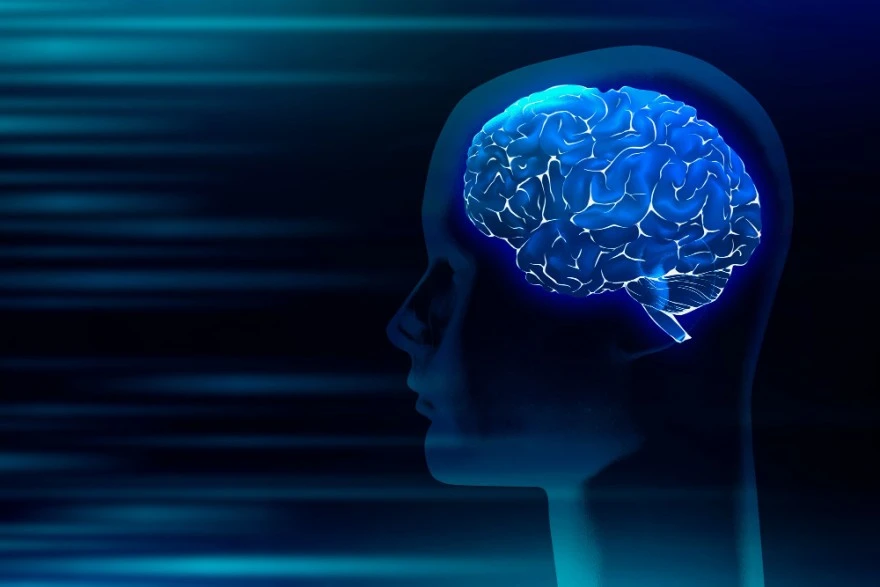
Table of Contents
What Is the Basal Ganglia?
The basal ganglia represents a group of deep brain structures located near the base of the forebrain, strategically positioned to control voluntary movement and coordinate motor functions. These interconnected nuclei work as your brain's command centre, processing signals from the cerebral cortex and filtering out unnecessary or incorrect motor impulses. the basal ganglia act as a crucial gateway between the brain’s motor planning regions and the areas responsible for executing movement.
When you decide to reach for something, your basal ganglia receives information about this intended action and determines whether to allow or suppress the movement. This filtering process prevents unwanted movements, tremors, or muscle contractions that could interfere with your daily activities.
The basal ganglia's function extends beyond simple movement control—these structures also play important roles in learning new motor skills, processing emotions, and supporting various cognitive functions that affect how you navigate your world.
Anatomy of the Basal Ganglia
Understanding the basal ganglia's anatomy helps explain how these structures work together to control movement. The basal ganglia parts include several key components, each with specific functions:
- Caudate nucleus: This C-shaped structure plays a crucial role in learning, memory formation, and movement regulation, helping you develop and maintain motor skills over time.
- Putamen: Working closely with the caudate nucleus as part of the striatum, the putamen regulates movement patterns and influences various types of procedural learning.
- Globus pallidus: Divided into external and internal segments, this structure regulates voluntary movement and serves as a major output pathway, sending refined movement commands to other brain areas.
- Subthalamic nucleus: This small but important structure modulates motor control and may act as a "pacemaker" for movement, helping maintain proper timing of motor actions.
- Substantia nigra: Perhaps the most well-known basal ganglia component, this structure produces dopamine, a crucial neurotransmitter for initiating and controlling movement.
- Nucleus accumbens: Part of the ventral striatum, this area participates in reward processing, motivation, and reinforcement learning.
A diagram of the basal ganglia would show these structures interconnected through complex neural pathways, demonstrating how they communicate to produce smooth, coordinated movement.
How Does the Basal Ganglia Control Movement?
The basal ganglia function as your brain's movement filter and selector, receiving input from various parts of the cerebral cortex about intended movements. When you plan to move, these structures process this information through complex circuits and decide which motor signals should proceed. Think of it like a sophisticated traffic control system; the basal ganglia determine which movements get the "green light" whilst blocking competing or unnecessary actions.
This filtering process occurs through two main pathways: the direct pathway, which facilitates desired movements, and the indirect pathway, which suppresses unwanted movements. By carefully balancing these opposing pathways, the basal ganglia ensure that only appropriate, well-coordinated movements occur. Once a movement is selected and refined, the basal ganglia send instructions back to the thalamus, which then relays these commands to the motor cortex and ultimately to your muscles.
Key Functions of the Basal Ganglia
The basal ganglia encompasses several crucial roles that affect your daily life:
- Regulation of voluntary motor movements: Controlling the initiation, execution, and termination of purposeful actions
- Coordination and fine-tuning of movement patterns: Ensuring smooth, fluid motions rather than jerky or uncontrolled movements
- Procedural learning: Helping you acquire new motor skills and automatic behaviours, such as riding a bicycle or playing an instrument
- Motor planning and execution: Organising complex movement sequences and ensuring proper timing
- Reward processing and motivation: Influencing your drive to pursue goals and respond to positive experiences
- Emotional regulation: Contributing to mood stability and emotional responses
- Cognitive processing: Supporting executive functions like decision-making and working memory
- Eye movement control: Coordinating precise eye movements for tracking and focusing
Basal Ganglia Disorders: Parkinson's Disease and Beyond
When basal ganglia function becomes impaired, various movement disorders can develop, significantly affecting quality of life:
- Parkinson's disease: Characterised by the loss of dopamine-producing cells in the substantia nigra, leading to tremor, rigidity, and slowness of movement that progressively worsens over time.
- Huntington's disease: A genetic disorder causing progressive degeneration of neurons within the basal ganglia, resulting in involuntary movements, cognitive decline, and emotional disturbances.
- Dystonia: Involuntary muscle contractions that cause repetitive movements or abnormal postures, often affecting specific body parts like the neck or hands.
- Tourette syndrome: Characterised by motor and vocal tics related to dysfunction in basal ganglia circuits, typically beginning in childhood.
- Wilson's disease: A rare genetic condition that causes copper accumulation in the brain, particularly in the basal ganglia, leading to movement problems and other symptoms.
- Hemiballism: Sudden, violent, involuntary movements typically resulting from damage to the subthalamic nucleus.
The Basal Ganglia’s Role in Movement Disorders
The basal ganglia act as your brain's movement quality control system, and when these structures are damaged or their signaling is disrupted, the smooth flow of motor commands breaks down.
In Parkinson's disease, decreased dopamine production reduces the basal ganglia's ability to initiate movements, resulting in the characteristic slowness and stiffness.
Conversely, in conditions like Huntington's disease, overactivity in certain pathways leads to excessive and uncontrollable movements. Both scenarios demonstrate how crucial the basal ganglia's balancing act is for normal movement.
Symptoms of Basal Ganglia Dysfunction
- Muscle stiffness or rigidity that makes movement difficult
- Tremors or involuntary shaking, particularly at rest
- Slowed movement (bradykinesia) affecting daily activities
- Difficulty initiating movements or getting started with actions
- Involuntary movements such as chorea, tics, or dystonic postures
- Changes in posture, balance, or walking pattern
- Cognitive or behavioural changes, including memory or mood problems
- Difficulty with coordination or fine motor control
Diagnosis of Basal Ganglia Disorders
- Comprehensive neurological examination: Assessing movement, reflexes, coordination, and cognitive function
- Detailed medical and family history review: Identifying potential genetic factors or environmental exposures
- Brain imaging studies: MRI or CT scans to visualise brain structure and identify any abnormalities
- Functional imaging: PET or SPECT scans to assess brain activity and neurotransmitter function
- Genetic testing: Particularly important for inherited conditions like Huntington's disease
- Laboratory tests: Blood work to rule out other causes of symptoms and assess overall health
Treatment and Management of Basal Ganglia Disorders
Managing basal ganglia disorders requires a comprehensive approach tailored to each individual's needs:
- Medications: Dopamine replacement therapy for Parkinson's disease, along with other drugs to manage specific symptoms
- Deep brain stimulation (DBS): Surgical implantation of electrodes to modulate abnormal brain activity
- Physical, occupational, and speech therapy: Helping maintain function and adapt to changing abilities
- Lifestyle modifications: Regular exercise, proper nutrition, and stress management techniques
- Psychological support and counselling: Addressing the emotional impact of chronic neurological conditions
- Experimental therapies: Participation in clinical trials exploring new treatment approaches
Can the Basal Ganglia Be Healed?
Many basal ganglia disorders involve permanent changes or loss of specific brain cells, such as the dopamine-producing neurons affected in Parkinson's disease. Whilst the underlying damage often cannot be completely reversed, current treatments can significantly improve symptoms and quality of life.
Various studies, including research published in PubMed Central, indicate that recent advances in deep brain stimulation (DBS), gene therapy research, and regenerative medicine offer hope for future basal ganglia disorder treatments. However, most current approaches focus on symptom management and slowing disease progression rather than achieving complete cures.
Conclusion
Understanding your basal ganglia and recognising early signs of dysfunction empowers you to seek appropriate medical care when needed. These remarkable brain structures work tirelessly to ensure smooth movement and coordination throughout your life.
At Metropolis Healthcare, we support your journey toward better neurological health through comprehensive diagnostic services. With over 4,000 advanced tests available, including specialised panels for neurological conditions, you can access precise diagnostics that guide effective treatment decisions. Our home sample collection service spans 10,000+ touchpoints across India, ensuring convenience and comfort when you need reliable health assessments.
FAQs
How does the basal ganglia impact movement?
The basal ganglia control movement by receiving, filtering, and refining signals from your brain that govern voluntary activity. These structures ensure that only correct movements are executed whilst suppressing unwanted or competing motions. This allows for smooth, coordinated, and purposeful movement in all your daily activities.
What diseases are caused by basal ganglia damage?
Damage or dysfunction in the basal ganglia is linked to several neurological conditions, including Parkinson's disease, Huntington's disease, dystonia, Tourette syndrome, Wilson's disease, and hemiballism. Some psychiatric conditions like obsessive-compulsive disorder may also involve basal ganglia abnormalities.
How is basal ganglia dysfunction treated?
Treatment depends on the specific disorder but may include medications such as dopamine replacement therapy, surgical interventions like deep brain stimulation, and supportive therapies including physiotherapy and occupational therapy. Psychological support and lifestyle modifications are also important components of comprehensive care.
Can basal ganglia disorders be prevented?
Most basal ganglia disorders stem from genetic factors or age-related changes and cannot be completely prevented. However, maintaining a healthy lifestyle with regular exercise, a balanced diet, and avoiding environmental toxins may help preserve overall brain health and potentially reduce risk factors for some conditions.
References
• https://pmc.ncbi.nlm.nih.gov/articles/PMC12053244/
• https://teachmeanatomy.info/neuroanatomy/structures/basal-ganglia/
• https://www.ncbi.nlm.nih.gov/books/NBK537141/
• https://my.clevelandclinic.org/health/body/23962-basal-ganglia