Home Visit
 Upload






Preventive Healthcare
World Leprosy Day: Symptoms, Early Diagnosis & Tests for Timely Detection
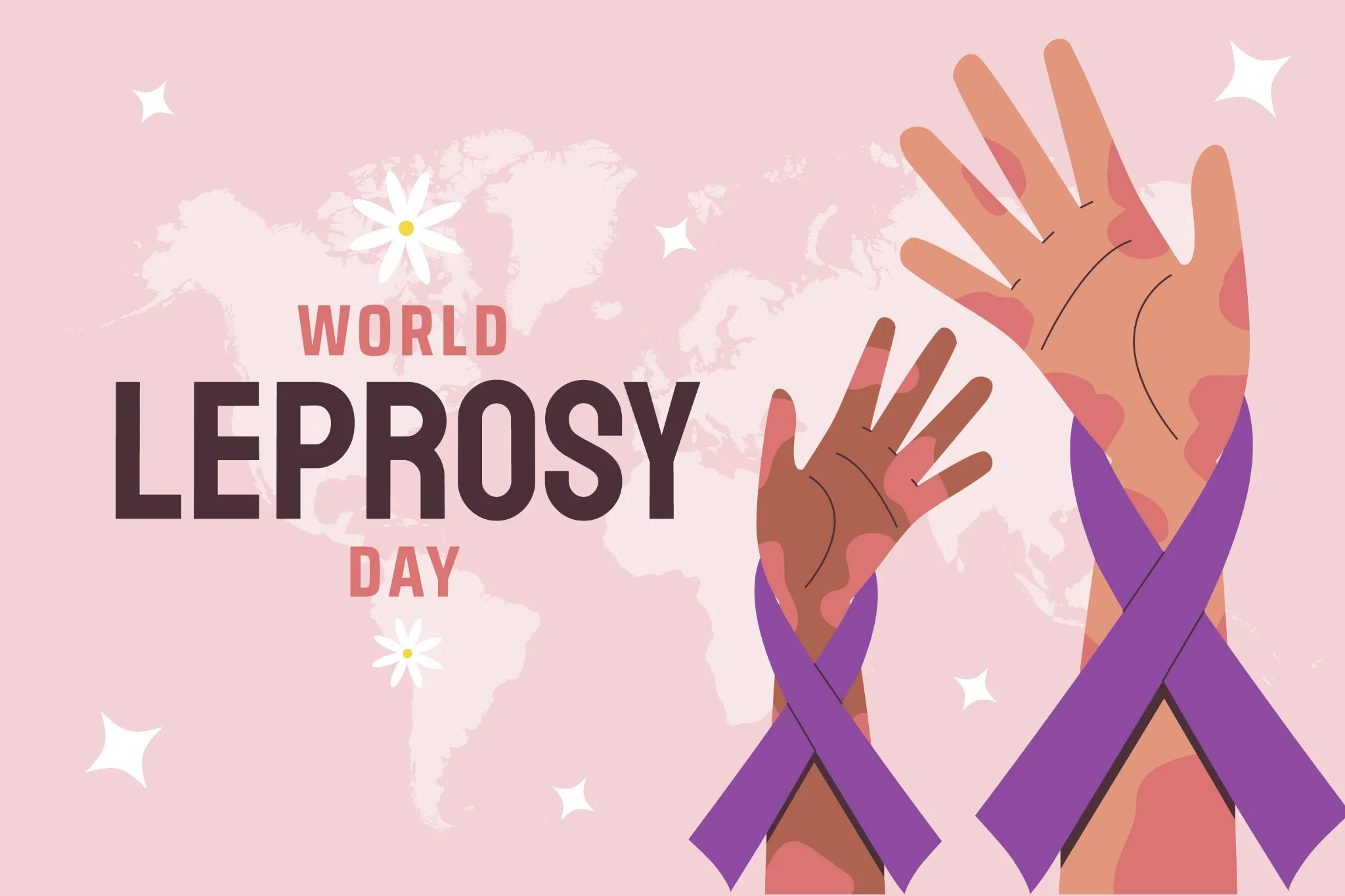
Table of Contents
What is World Leprosy Day?
World Leprosy Day is an annual international observance held on the last Sunday of January globally and on January 30 in India, on Mahatma Gandhi's death anniversary. The main purpose of the day is to raise awareness about leprosy, also known as Hansen's disease, and to honour his dedication to leprosy. This significant day promotes early detection and treatment while challenging the persistent stigma and discrimination that many affected individuals face worldwide.
The observance serves multiple crucial purposes: educating the public about the curability of leprosy, dispelling harmful myths, and fostering inclusion for people affected by this condition. World Leprosy Day particularly focuses on reaching marginalised communities where the disease often goes undiagnosed due to limited healthcare access and social barriers. Healthcare organisations, governments, and advocacy groups use World Leprosy Day to launch awareness campaigns, provide free screenings, and distribute educational materials.
History of World Leprosy Day
The history of World Leprosy Day traces back to 1954 when French journalist and philanthropist Raoul Follereau initiated this important observance. The history of World Leprosy Day reveals that Follereau deliberately chose the last Sunday of January, which coincides with the anniversary of Mahatma Gandhi's death, to honour Gandhi's compassionate work with individuals affected by leprosy.
Understanding World Leprosy Day history helps us appreciate how this observance grew from a single man's vision into a global movement. Follereau's initial goal was to highlight the intersection of leprosy, poverty, and social neglect that affected millions worldwide. The World Leprosy Day history shows how this grassroots initiative gained momentum and eventually received support from major organisations like the World Health Organization (WHO).
Importance of World Leprosy Day
World Leprosy Day holds vital importance in global health advocacy because it addresses a disease that disproportionately affects the world's most vulnerable populations. The day serves as a crucial reminder that leprosy remains active in over 120 countries, with new cases continuing to emerge annually.
The importance of this observance lies in its ability to combat misinformation and fear surrounding leprosy. Many people still believe outdated myths about the disease being highly contagious or incurable. World Leprosy Day provides an opportunity to share accurate information about transmission, treatment, and prevention.
Educational initiatives during World Leprosy Day are particularly important for healthcare workers in endemic areas. These programmes help medical professionals recognise early symptoms, understand proper diagnostic procedures, and provide appropriate treatment. Early intervention prevents the nerve damage that can lead to permanent disabilities — making timely education absolutely critical.
Why World Leprosy Day is Observed
World Leprosy Day is observed because leprosy continues to impact communities worldwide despite being entirely treatable with modern multi-drug therapy. The observance addresses the persistent challenge of late diagnosis, which often occurs due to stigma, limited healthcare access, and lack of awareness about early symptoms.
The day is particularly important for encouraging people to seek medical attention when they notice suspicious skin changes or numbness. Many individuals delay seeking help due to fear of social rejection or discrimination, leading to preventable complications. World Leprosy Day campaigns work to create supportive environments where people feel safe seeking medical care.
This observance also supports global elimination efforts by maintaining political and financial commitment to leprosy programmes. Without sustained attention, funding for detection and treatment programmes can diminish, potentially reversing progress made in reducing transmission rates and supporting affected communities.
Understanding Leprosy (Hansen's Disease)
Leprosy, scientifically known as Hansen's disease, is a chronic infectious condition caused by Mycobacterium leprae bacteria. This disease primarily affects the skin, peripheral nerves, eyes, and mucous membranes of the upper respiratory tract, potentially causing significant disability if left untreated.
The bacteria spread through respiratory droplets from untreated individuals during prolonged close contact. However, leprosy is not highly contagious — casual contact such as handshakes, sharing meals, or brief interactions does not transmit the disease. Most people possess natural immunity to leprosy, and even among those exposed, only a small percentage develop the condition.
Modern multi-drug therapy completely cures leprosy and stops transmission within days of starting treatment. The standard treatment combines three medications: dapsone, rifampicin, and clofazimine, provided free by the World Health Organization (WHO) to all affected countries. Early treatment prevents nerve damage and the physical deformities historically associated with leprosy.
Is Leprosy Still a Health Concern Today?
Yes, leprosy remains a significant health concern even today, with over 200,000 new cases reported annually across more than 120 countries, according to WHO. The persistence of leprosy as a health concern stems from several factors, such as social stigma, limited healthcare access in rural and marginalised communities, lack of awareness about early symptoms and poverty, malnutrition, and limited health access that increase susceptibility.
Children continue to be affected by leprosy, indicating ongoing transmission in communities. This is particularly concerning because childhood cases suggest recent transmission and highlight gaps in case detection and contact tracing.
Modern challenges include reaching nomadic populations, urban slum dwellers, migrant workers, and other vulnerable groups with limited contact with healthcare systems. Additionally, the COVID-19 pandemic disrupted many leprosy programmes, potentially leading to increased transmission and later diagnosis in some regions.
Conclusion
World Leprosy Day 2026 will continue the vital mission of educating communities about the curability of leprosy while promoting early detection and compassionate care. Understanding that leprosy is completely treatable and that transmission stops quickly with proper medication empowers individuals to seek help without fear. The key message remains clear: early diagnosis prevents disabilities, and no one should suffer from stigma or discrimination due to this entirely curable condition.
Taking action on leprosy begins with awareness and extends to supporting affected individuals in our communities. If you notice persistent skin patches with numbness, muscle weakness, or other concerning symptoms, consult a healthcare provider promptly. Regular health monitoring and diagnostic testing play crucial roles in maintaining overall wellness and detecting various conditions early.
At Metropolis Healthcare, we support your health journey through our comprehensive diagnostic services spanning more than 4,000 tests and profiles. Our extensive network of more than 220 laboratories and 4,600 service centers ensures accessible, accurate testing when you need it most. With convenient home sample collection available across more than 10,000 touchpoints throughout India, prioritising your health has never been more straightforward.
FAQs
Why is World Leprosy Day celebrated?
It raises awareness about the persistence of leprosy, promotes early treatment to prevent disabilities, challenges stigma, educates about curability, and supports affected individuals to build inclusive communities.
Is leprosy contagious?
Leprosy spreads through respiratory droplets from untreated cases during prolonged close contact. It's not highly contagious, and treatment quickly stops transmission—casual contact doesn't spread it.
What are the early signs of leprosy?
Early signs include skin patches (light or reddish) with numbness, tingling, or loss of sensation in affected areas; muscle weakness; eye problems; or nasal congestion.
Which tests are used to diagnose leprosy?
- Skin smear microscopy: Examines fluid from skin lesions for bacteria
- Skin biopsy: Analyzes tissue samples for bacterial presence and nerve damage
- Nerve conduction studies: Assesses peripheral nerve function impairment
- PCR tests: Detect bacterial DNA for confirmation
- Clinical examination: Evaluates symptoms and sensory loss
Is leprosy curable today?
Yes, leprosy is completely curable with multi-drug therapy provided free by the WHO. Early treatment halts progression, prevents disabilities, and stops transmission within days.
Can leprosy be prevented?
Prevention relies on early diagnosis and treatment, contact tracing, BCG vaccination in high-risk areas and reducing stigma to encourage health-seeking behavior among communities.
Does leprosy still exist in India?
Yes, India reports the highest number of global cases annually. Though declining with free treatment availability, stigma still hinders elimination efforts, but programmes aim for zero cases.