Home Visit
 Upload






Preventive Healthcare
Weight Loss Recipes: Healthy, Low-Calorie Indian Meals for Effective Fat Loss
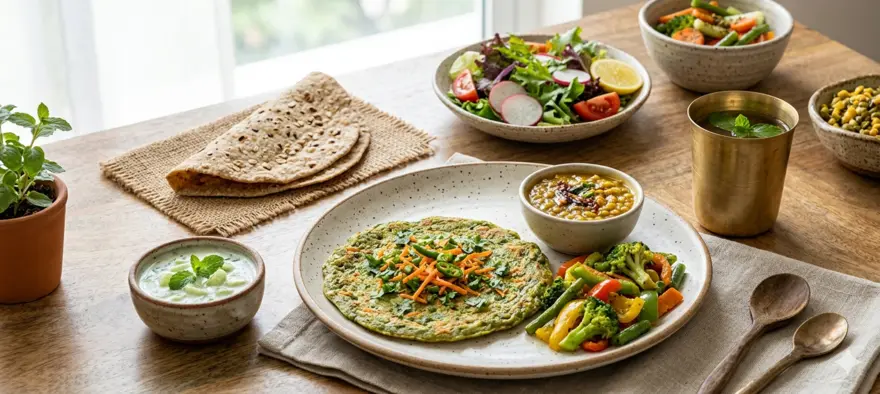
Table of Contents
- What Makes a Recipe Good for Weight Loss?
- Best Ingredients for Weight Loss Recipes
- Weight Loss Breakfast Ideas to Start Your Day Right
- Weight Loss Lunch Recipes for a Filling Midday Meal
- Top Weight Loss Dinner Ideas for a Light Yet Satisfying Meal
- Healthy Snack Recipes to Keep Hunger at Bay
- A Simple 5-Day Indian Meal Plan for Weight Loss
- How to Make Your Meal Plan Work for Weight Loss
- Frequently Asked Questions
- Closing Note
- References
Losing weight does not mean giving up the food you grew up eating. You do not need to survive on salads or switch to a diet that feels foreign or unsustainable. Indian cooking is full of ingredients and traditions that naturally support healthy weight management. The key lies in choosing the right recipes, using smarter cooking methods, and building meals that keep you full, nourished, and satisfied.
This guide brings together practical, flavourful Indian weight loss recipes for every meal of the day, along with a simple five-day meal plan and tips to help you stay consistent.
What Makes a Recipe Good for Weight Loss?
Before diving into the recipes, it helps to understand what makes a meal genuinely supportive of fat loss.
Weight loss happens when you consistently consume fewer calories than your body burns. But that does not mean eating less and feeling hungry all day. The most effective weight loss recipes are those that help you feel full on fewer calories.
A good weight loss recipe typically includes a source of protein, which takes longer to digest and helps preserve muscle while you lose fat. It includes dietary fibre, which slows digestion and keeps hunger at bay. It uses minimal oil and avoids deep-frying. And it builds on low calorie vegetables and wholesome grains that provide volume and nutrients without unnecessary calories.
Indian cuisine already does much of this naturally. Dal, sabzi, roti, and curd-based dishes are built on a foundation of plant protein, fibre, and spice. With a few thoughtful adjustments, your everyday meals can become powerful tools for fat loss.
Best Ingredients for Weight Loss Recipes
Stocking your kitchen with the right ingredients makes healthy cooking easier and more consistent. Here are the essentials, organised by category:
Proteins
- Moong dal, chana dal, toor dal, and masoor dal
- Paneer (in measured portions)
- Soya chunks and tofu
- Eggs
- Low-fat curd and Greek yoghurt
- Rajma and chickpeas
Grains and Carbohydrates
- Oats (rolled or steel-cut)
- Multigrain or whole wheat atta
- Brown rice and red rice
- Millets such as bajra, ragi, and jowar
- Daliya (broken wheat)
- Quinoa
Low Calorie Vegetables
- Lauki (bottle gourd), tinda, and turai
- Spinach, methi, and other leafy greens
- Cucumber, tomatoes, capsicum, and onions
- Broccoli, cauliflower, and cabbage
- Carrots and beans
Healthy Fats (Used Sparingly)
- Cold-pressed mustard oil or groundnut oil
- Ghee in small amounts
- Flaxseeds, chia seeds, and a small handful of nuts
Flavour Builders
- Turmeric, cumin, coriander, ginger, and garlic
- Fresh lime juice and amchur (dry mango powder)
- Low-fat curd for marinades and raitas
- Fresh coriander and mint
These ingredients form the backbone of every recipe in this guide. They are affordable, widely available, and deeply rooted in Indian cooking.
Weight Loss Breakfast Ideas to Start Your Day Right
A strong start to the morning sets the tone for your eating habits throughout the day. The best breakfast meals to lose weight are high in protein, rich in fibre, and light on oil. They keep you energised and prevent mid-morning hunger that leads to unhealthy snacking.
Here are some of the best weight loss breakfast ideas using everyday Indian ingredients:
Moong Dal Chilla
Soak and grind green moong dal into a batter. Add finely chopped onions, tomatoes, green chilli, and ginger. Cook on a non-stick pan with just a few drops of oil. Moong dal chilla is high in plant protein and fibre, making it one of the most effective breakfast meals to lose weight. Serve with mint chutney or low-fat curd.
Masala Oats Upma
Cook rolled oats with mustard seeds, curry leaves, chopped vegetables such as carrots, beans, and peas, and a small amount of cold-pressed oil. Season with turmeric and lime juice. Oats are rich in soluble fibre, which promotes fullness and supports healthy cholesterol levels.
Vegetable Poha
Rinse flattened rice (poha) and cook it with mustard seeds, curry leaves, onions, peas, and a handful of roasted peanuts. Add turmeric and lime. Poha is light, easy to digest, and satisfying when loaded with extra vegetables. Use less oil and more vegetables to keep the calorie count low.
Besan Cheela with Spinach
Mix gram flour with finely chopped spinach, tomatoes, and spices to make a batter. Cook thin pancakes on a non-stick pan. Besan is high in protein and fibre, and adding spinach boosts the iron and micronutrient content of your breakfast.
Sprouted Moong Salad Bowl
Toss sprouted green moong with chopped cucumber, tomatoes, onion, green chilli, lime juice, and rock salt. This is one of the most nutrient-dense weight loss breakfast ideas for those who prefer a lighter, no-cook option. Sprouts are rich in protein, enzymes, and dietary fibre.
Daliya Khichdi
Cook broken wheat with moong dal, cumin, and a mix of low calorie vegetables such as lauki, spinach, and peas. This wholesome combination provides complex carbohydrates and protein that sustain energy and fullness through the morning.
Weight Loss Lunch Recipes for a Filling Midday Meal
Lunch is your main opportunity to fuel your body for the afternoon. The goal is a balanced plate with protein, fibre, and a controlled portion of complex carbohydrates.
Dal Khichdi
A classic Indian comfort meal made by pressure cooking rice and moong or toor dal together with turmeric, cumin, and minimal ghee. Add chopped vegetables like carrots and beans to increase fibre content. Dal khichdi is easy to digest, nourishing, and naturally portion-friendly.
Paneer Bhurji with Multigrain Roti
Crumble low-fat paneer and stir-fry with onions, tomatoes, capsicum, and spices. Serve with two multigrain rotis. This combination is high in protein and keeps you full well into the afternoon.
Soya Chunks Curry
Rehydrate soya chunks and cook them in a tomato-onion gravy with whole spices. Soya is one of the richest plant-based protein sources available and is ideal for vegetarians looking to increase protein intake in their weight loss recipes.
Lauki Chana Dal
Cook bottle gourd with chana dal, tomatoes, and cumin. Lauki is one of the most effective low calorie vegetables in Indian cooking. It is high in water content and fibre and adds volume to your meal without adding significant calories. Serve with one multigrain roti.
Rajma Brown Rice Bowl
Cook rajma in a lightly spiced tomato-onion gravy and serve with half a cup of brown rice. Rajma is high in protein, iron, and resistant starch, and brown rice adds fibre and sustained energy.
Mixed Vegetable Daliya
Cook broken wheat with a mix of chopped vegetables, cumin, and minimal oil. Season with turmeric and lime. Daliya is high in fibre and complex carbohydrates, making it a filling and low-calorie lunch option.
Top Weight Loss Dinner Ideas for a Light Yet Satisfying Meal
Dinner should be lighter than lunch. Your activity levels are lower in the evening, so a meal that is easy to digest and moderate in calories is the best choice.
Moong Dal Soup
Pressure cook moong dal with garlic, ginger, turmeric, and a pinch of cumin. Blend partially for a creamy texture without adding any cream. Season with lime juice and fresh coriander. This is one of the simplest and most comforting weight loss dinner ideas for any evening.
Grilled Paneer with Stir-Fried Vegetables
Marinate paneer cubes in curd, turmeric, cumin, and lime. Grill or cook on a non-stick pan. Serve alongside a stir-fry of capsicum, broccoli, and onions with minimal oil. This dinner is high in protein and low in carbohydrates.
Palak Dal
Cook toor or masoor dal with blanched spinach, garlic, and tomatoes. Temper with cumin and a small amount of ghee. Palak dal is rich in iron, protein, and fibre and is naturally low in calories.
Stuffed Whole Wheat Roti with Mint Raita
Fill whole wheat dough with a mixture of mashed paneer or spiced vegetables such as grated carrots, peas, and coriander. Cook on a tawa with minimal oil. Serve with a bowl of cucumber and mint raita. Raita adds probiotics and helps digestion.
Egg Bhurji with Salad
Scramble two eggs with chopped onions, tomatoes, capsicum, and spices. Cook with just a teaspoon of cold-pressed oil. Pair with a large salad of cucumber, tomatoes, lettuce, and lime dressing. Egg bhurji is protein-rich and quick to prepare.
Vegetable Khichdi
A lighter version of dal khichdi made with a higher proportion of low calorie vegetables such as lauki, spinach, and tinda relative to rice. Add moong dal for protein and keep the seasoning simple with turmeric, ginger, and cumin. This is one of the most reliable weight loss dinner ideas for any night of the week.
Healthy Snack Recipes to Keep Hunger at Bay
Smart snacking prevents you from overeating at your next main meal. The best snacks for weight loss are high in protein or fibre, easy to prepare, and satisfying in small portions.
Roasted Chana
A small handful of dry-roasted chickpeas makes a crunchy, filling snack. Chana is high in protein and fibre and keeps hunger away for hours. Season with rock salt, lime, and chilli powder for flavour.
Cucumber Raita
Grate or chop cucumber and stir into low-fat curd with a pinch of cumin, rock salt, and fresh mint. This is a refreshing, probiotic-rich snack that also contributes to your daily hydration.
Sprouted Moong Chaat
Toss sprouted moong with diced onion, tomato, cucumber, lime juice, chaat masala, and fresh coriander. This is a nutrient-dense, high-protein snack that requires no cooking.
Makhana (Fox Nuts)
Dry-roast makhana with a small amount of ghee and season with turmeric and rock salt. A measured portion is low in calories, light on the stomach, and surprisingly filling due to its protein and fibre content.
Fresh Fruit with Low-Fat Curd
A small bowl of seasonal fruit paired with low-fat curd provides natural sugar, fibre, and protein. This combination satisfies sweet cravings without the calorie load of packaged snacks or desserts.
A Simple 5-Day Indian Meal Plan for Weight Loss
Here is a practical five-day plan built around the recipes above. Use it as a flexible guide rather than a rigid rule.
Day 1
Breakfast: Moong Dal Chilla with mint chutney
Lunch: Dal Khichdi with a side salad
Snack: Roasted Chana
Dinner: Palak Dal with one whole wheat roti
Day 2
Breakfast: Masala Oats Upma
Lunch: Paneer Bhurji with two multigrain rotis
Snack: Sprouted Moong Chaat
Dinner: Grilled Paneer with Stir-Fried Vegetables
Day 3
Breakfast: Vegetable Poha with a glass of buttermilk
Lunch: Lauki Chana Dal with one multigrain roti
Snack: Cucumber Raita
Dinner: Moong Dal Soup with a side salad
Day 4
Breakfast: Sprouted Moong Salad Bowl
Lunch: Rajma Brown Rice Bowl
Snack: Makhana
Dinner: Stuffed Whole Wheat Roti with Mint Raita
Day 5
Breakfast: Besan Cheela with Spinach
Lunch: Soya Chunks Curry with half a cup of brown rice
Snack: Fresh Fruit with Low-Fat Curd
Dinner: Vegetable Khichdi
Repeat and rotate based on seasonal ingredients and your preferences. The goal is consistency, not perfection.
How to Make Your Meal Plan Work for Weight Loss
Having the right recipes is only part of the picture. How you approach your meals every day shapes your results over time.
Start by making protein a priority at every meal. Protein keeps you full, supports muscle retention, and requires more energy to digest than carbohydrates or fat. Dal, paneer, eggs, soya, and curd are your best everyday sources.
Fill at least half your plate with low calorie vegetables at lunch and dinner. Vegetables like lauki, spinach, tomatoes, capsicum, and cucumber add volume, fibre, and micronutrients without adding significant calories. This simple habit helps you eat satisfying portions while staying within your calorie goals.
Choose steaming, grilling, boiling, and sauteing over deep-frying. Cooking method has a significant impact on the calorie count of any dish. A grilled paneer tikka and a deep-fried paneer pakora use the same ingredient but differ substantially in calorie content.
Use oil sparingly. Cold-pressed oils are a healthier choice, but even healthy fats are calorie-dense. Measuring your oil rather than pouring it freely is a small habit that adds up meaningfully over time.
Replace refined grains with whole grains wherever possible. Swap maida for whole wheat or multigrain atta, white rice for brown rice or millets, and refined suji for daliya or oats. These swaps increase fibre content and help manage blood sugar levels.
Control your portions. Even nutritious food can tip your calorie balance if eaten in excess. Use a smaller plate, eat slowly, and pay attention to hunger and fullness cues rather than eating until you are completely full.
Stay consistently hydrated. Thirst is often mistaken for hunger. Drinking adequate water throughout the day supports digestion, energy, and appetite control.
Finally, plan and prepare where you can. Keeping soaked dal, chopped vegetables, and cooked grains ready in your kitchen makes it far easier to stick to your meal plan on busy days.
Frequently Asked Questions
How Can Weight Loss Recipes Help You?
The right recipes make it easier to eat in a calorie deficit without feeling deprived. When your meals are filling, flavourful, and nutritionally balanced, you are far less likely to overeat or give in to high-calorie cravings. Weight loss recipes built around protein, fibre, and low calorie vegetables support steady fat loss while keeping your energy and mood stable. Over time, healthy recipes become healthy habits.
What Is a Healthy Meal Plan for Weight Loss?
A healthy meal plan for weight loss is one that provides all essential nutrients within a moderate calorie intake. It includes a source of protein at every meal, plenty of fibre from vegetables, legumes, and whole grains, and healthy fats in small amounts. It avoids ultra-processed foods, refined sugars, and deep-fried preparations. An Indian weight loss meal plan built around dal, sabzi, whole grains, curd, and seasonal vegetables is naturally well-suited to these principles.
Can Weight Loss Recipes Be Made at Home?
Absolutely. Home cooking is one of the most effective tools for weight management because you control every ingredient and the amount of oil, salt, and sugar that goes into your food. Most of the recipes in this guide require basic kitchen equipment and widely available ingredients. Preparing your meals at home also tends to be more economical and allows you to build a consistent routine around healthy eating.
How Long Does It Take to See Results from a Weight Loss Meal Plan?
Results vary depending on your starting point, activity level, and how consistently you follow your plan. Most people begin to notice changes in energy levels, digestion, and how their clothes fit within two to four weeks of eating more mindfully. Visible changes in body weight typically follow shortly after. Sustainable fat loss of approximately 0.5 to 1 kilogram per week is a realistic and healthy pace. Focus on building habits rather than chasing quick results, and the outcomes will follow.
How Does GLP-1 Affect Weight Loss?
GLP-1 is a hormone that your gut naturally releases after eating. It signals your brain to reduce appetite, slows the movement of food through your stomach, and helps regulate blood sugar. For people struggling with significant weight loss, GLP-1 Agonists are medications that mimic this hormone's effects, supporting appetite control and blood sugar management as part of a medically supervised plan. When combined with a balanced, fibre-rich eating approach such as a GLP-1 Diet that includes whole grains, legumes, and vegetables, these medications can be more effective. If you are using or considering this type of treatment, a GLP 1 Test Package or GLP-1 Monitor Package can help you track the relevant health markers and better understand how your body is responding. Always work closely with your doctor when combining medical treatment with dietary changes.
Closing Note
Eating well is one of the most meaningful investments you can make in your long-term health. Choosing wholesome, home-cooked Indian meals is a strong and sustainable foundation for fat loss. But understanding how your body is responding to your efforts gives you an even clearer picture of your progress.
At Metropolis Healthcare, we make proactive health monitoring simple and accessible. Whether you are tracking your metabolic health, monitoring blood sugar, checking cholesterol, or simply investing in a full body checkup as part of your wellness journey, our wide range of diagnostic tests provide the accurate results you can rely on. With home sample collection available across a vast network, and easy booking through the Metropolis website, app, call, or WhatsApp, the next step in your health journey is always within easy reach.
References
- Slavin JL. Dietary fiber and body weight. Nutrition. 2005;21(3):411-418.
- Paddon-Jones D, Westman E, Mattes RD, Wolfe RR, Astrup A, Westerterp-Plantenga M. Protein, weight management, and satiety. Am J Clin Nutr. 2008;87(5):1558S-1561S.
- Dahl WJ, Stewart ML. Position of the Academy of Nutrition and Dietetics: health implications of dietary fiber. J Acad Nutr Diet. 2015;115(11):1861-1870.
- Bhupathiraju SN, Tobias DK, Malik VS, et al. Glycemic index, glycemic load, and risk of type 2 diabetes: results from 3 large US cohorts and an updated meta-analysis. Am J Clin Nutr. 2014;100(1):218-232.
- Leidy HJ, Clifton PM, Astrup A, et al. The role of protein in weight loss and maintenance. Am J Clin Nutr. 2015;101(6):1320S-1329S.
- Muraki I, Imamura F, Manson JE, et al. Fruit consumption and risk of type 2 diabetes: results from three prospective longitudinal cohort studies. BMJ. 2013;347:f5001.
- Misra A, Singhal N, Sivakumar B, Bhagat N, Jaiswal A, Khurana L. Nutrition transition in India: secular trends in dietary intake and their relationship to diet-related non-communicable diseases. J Diabetes. 2011;3(4):278-292.
- Turton JL, Raab R, Rooney KB. Low-carbohydrate diets for type 1 diabetes mellitus: a systematic review. PLoS One. 2018;13(3):e0194987.