Home Visit
 Upload






Preventive Healthcare
Water Chestnut (Singhara) Benefits: A Nutritious Seasonal Delight
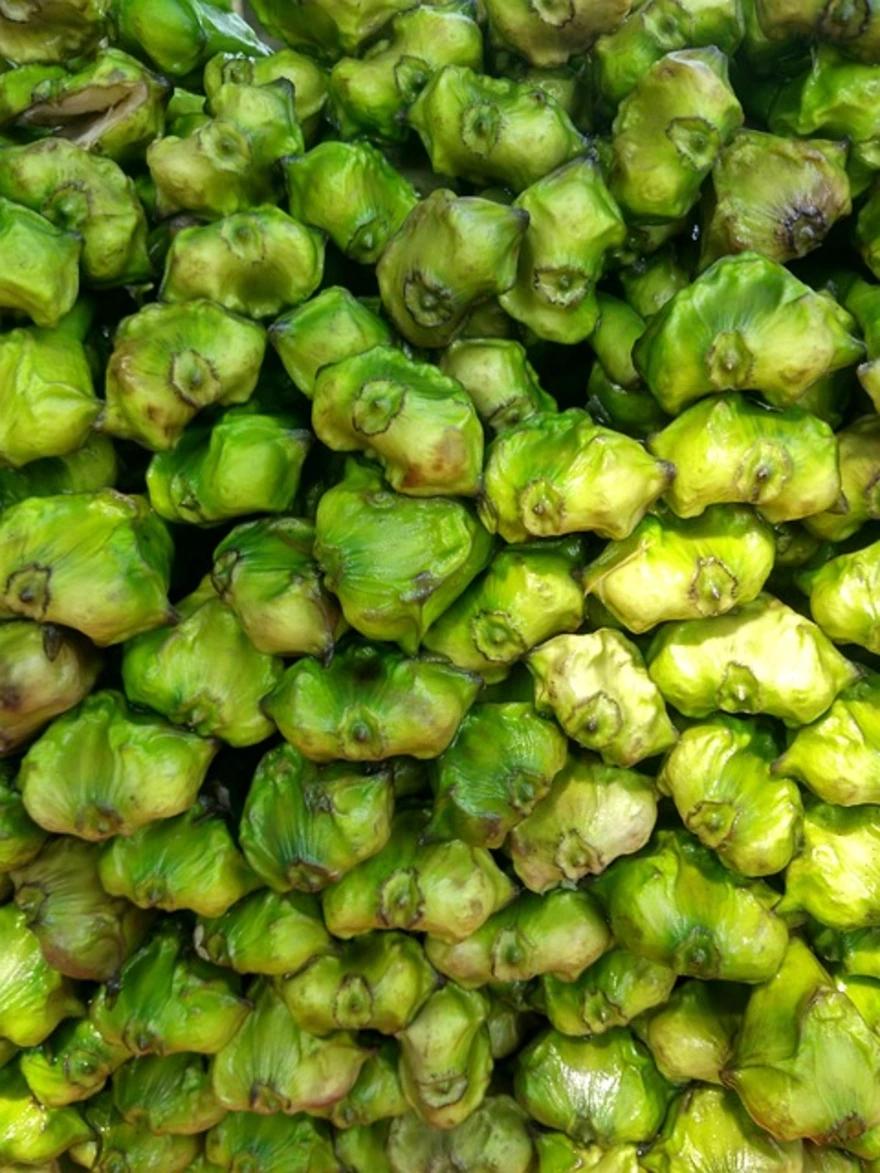
Table of Contents
Do you often look for seasonal foods that can uplift your health while being gentle on your system? Then water chestnut, or singhara, is a wholesome choice that brings you both nourishment and freshness. Crisp in texture and naturally cooling, it supports your wellbeing in simple, reassuring ways.
Exploring the benefits of water chestnuts can guide you towards healthier food habits, giving you confidence in what you eat. This seasonal delight is more than just a snack; it is a natural source of comfort and vitality.
What Is Water Chestnut (Singhara)?
Have you ever seen a small, dark green or black-skinned fruit with crisp white flesh inside? That is the water chestnut, or water caltrop, commonly called 'singhara'. It grows in freshwater ponds and lakes and is harvested during the cooler months.
Unlike tree nuts, it is actually an aquatic vegetable, making it suitable for most diets and lifestyles. Water chestnuts are rich in vitamin B6, potassium, fibre, and antioxidants. They are naturally low in fat and gluten-free, making them a wholesome seasonal food choice. Its crunchy texture and refreshing taste make it both delicious and satisfying.
These water chestnuts can be eaten raw, boiled, or ground into flour for various recipes. This versatile food has been enjoyed for generations not only for its unique flavour but also for its nourishing qualities. When you explore singhara benefits, you discover how something so simple can gently support your health while offering comfort and reassurance.
Nutritional Value of Water Chestnut
When considering food's impact on your wellbeing, the nutritional value of water chestnuts surpasses all. This seasonal delight is low in fat, yet rich in minerals, vitamins, and fibre. Its mild sweetness comes from natural starches, giving you energy without overwhelming your system.
Here is a table to help you see the main nutrients found in water chestnuts (per 100 grams, approx.):
|
Nutrient |
Amount |
Benefits for You |
|
Water content |
74% |
Keeps you hydrated and refreshed |
|
Calories |
97 kcal |
Provides gentle energy |
|
Carbohydrates |
23.9 g |
Supports daily fuel needs |
|
Protein |
1.4 g |
Aids body repair |
|
Fat |
0.1 g |
Very low in fat, easy to digest |
|
Fibre |
3 g |
Helps digestion and gut comfort |
|
Potassium |
584 mg |
Supports heart and fluid balance |
|
Manganese |
0.3 mg |
Aids metabolism and bone health |
|
Copper |
0.3 mg |
Important for blood health |
|
Vitamin B6 |
0.33 mg |
Supports brain function |
|
Vitamin C |
4 mg |
Boosts immunity and healing |
This balance of nutrients explains why water chestnut health benefits are trusted across many wellness practices.
Top 10 Health Benefits of Water Chestnut
You may wonder what makes this seasonal food truly special. The answer lies in the many water chestnut benefits that touch different aspects of your well-being. From digestion to immunity, this crisp food can be a gentle source of health support for you and your loved ones.
1. Supports healthy digestion
The natural fibre in water chestnuts keeps your digestive system comfortable. It regulates bowel movements and reduces feelings of heaviness after meals.
2. Provides cooling and hydration
With high water content, water chestnuts have a soothing and cooling effect on your body. They are significantly helpful if you often feel tired, restless, or overheated.
3. Strengthens your heart
Rich in potassium, water chestnuts help maintain blood pressure and support your heart’s health. This makes them a reassuring choice if you are mindful of your heart's well-being.
4. Boosts energy gently
The carbohydrates in water chestnuts release energy steadily, helping you feel active without sudden drops. This makes them a wholesome snack when you need natural energy.
5. Supports immunity
The presence of vitamin C plays a role in protecting your body against common illnesses. It gently strengthens your body's natural defence, keeping you resilient.
6. Promotes healthy skin
Antioxidants in water chestnuts help reduce the impact of stress and environmental factors on your skin. Eating them regularly supports a fresh, natural glow of the skin.
7. Aids weight management
Low in fat but high in fibre, water chestnuts help you feel full without excess calories. They are a safe and healthy choice, satisfying your hunger during weight management.
8. Gentle for expecting mothers
One of the unique benefits of water chestnuts is their suitability during pregnancy. Many people appreciate water chestnuts during pregnancy due to their nutrients like potassium, fibre, and vitamins, which gently support both the mother's and baby’s well-being.
9. Supports bone and muscle strength
Manganese, copper, and other minerals in water chestnuts contribute to bone density and muscle function. They are especially helpful if you often worry about weakness or fatigue.
10. Helps calm stress and fatigue
The Vitamin B6 in water chestnuts supports brain function and may help regulate mood and reduce fatigue. Eating them can provide comfort and calmness during stressful days.
Together, these water chestnut health benefits make this seasonal food a trusted, natural option. Each small piece brings comfort, nourishment, and reassurance to your daily life.
How to Eat Water Chestnuts for Maximum Benefits?
You may wonder how to enjoy water chestnuts so that you make the most of their goodness. The good news is that they are versatile and simple to add to your daily routine. Eating them raw after peeling gives you the purest form of nutrients, with a crisp texture and refreshing taste. This is one of the easiest ways to access water chestnut benefits directly.
Boiling or roasting water chestnuts is another gentle option. When cooked, they retain most of their nutritional value while becoming softer and easier to digest. Some people enjoy them in curries, stir-fries, or soups, where their mild flavour blends well without overpowering other foods. Using singhara flour in recipes such as pancakes or flatbreads is also a nourishing choice.
If you are looking for seasonal comfort, adding water chestnuts to snacks or drinks can be very helpful. For instance, they can be ground into flour and used in puddings or boiled and mixed into fruit salads.
Each method allows you to leverage water chestnut benefits while keeping your meals light and wholesome. However you choose to eat them, the key is moderation—just a small portion can reassure you of gentle nourishment.
Conclusion
Learning about the benefits of water chestnuts suggests how seasonal foods can gently support your wellbeing. Their crisp freshness, natural nutrients, and soothing qualities make them a wholesome part of your diet. But while food choices are important, regular health monitoring is equally vital for peace of mind.
For dependable diagnostic services and accurate results, you can trust Metropolis Healthcare to support your journey towards better health with professionalism and care.
FAQs
Is singhara hot or cold?
Singhara is naturally cooling in nature. Its high water content makes it refreshing and soothing, helping your body stay calm and balanced.
Is water chestnut good for pregnancy?
Yes, water chestnut is considered supportive during pregnancy. Its nutrients, like potassium and fibre, gently aid overall wellbeing, benefiting both mother and developing baby.
Can I eat water chestnuts daily?
Yes, you can enjoy water chestnuts daily in moderation. Their light nutrients and fibre make them a safe, wholesome, and refreshing food choice.
Can I eat singhara with high BP?
Yes, singhara is safe for high blood pressure. Its potassium content supports healthy blood pressure regulation, making it a gentle and heart-friendly food option.
Is water chestnut good for diabetes?
Yes, water chestnuts can be included in diabetic diets in moderation. They have a relatively low glycaemic index, meaning they release energy more steadily than refined carbs. Portion control is still important, release energy steadily, and help maintain balanced blood sugar levels naturally.
Is it better to eat water chestnuts raw or boiled?
Both forms are healthy. Raw provides maximum nutrients, while boiled is softer and still nourishing. Choose whichever feels more comfortable and suitable for your digestion.
How many water chestnuts can I eat in a day?
About 4–6 medium-sized water chestnuts a day is generally safe for most healthy individuals. People with specific conditions like diabetes or kidney issues should consult a doctor for personalised guidance. This portion offers sufficient nutrients without causing heaviness, supporting your health in a balanced way.
Does water chestnut help in weight loss?
Yes, water chestnuts can help with weight management. They are low in calories, high in fibre, and keep you feeling full for longer naturally.
Are there any side effects of eating too many water chestnuts?
Excessive intake may cause digestive discomfort, like bloating. Eating in moderation ensures you enjoy benefits without upsetting your stomach or overall well-being.