Home Visit
 Upload






Preventive Healthcare
Vaginal Itching: Causes, Soothing Remedies, and When to See a Doctor
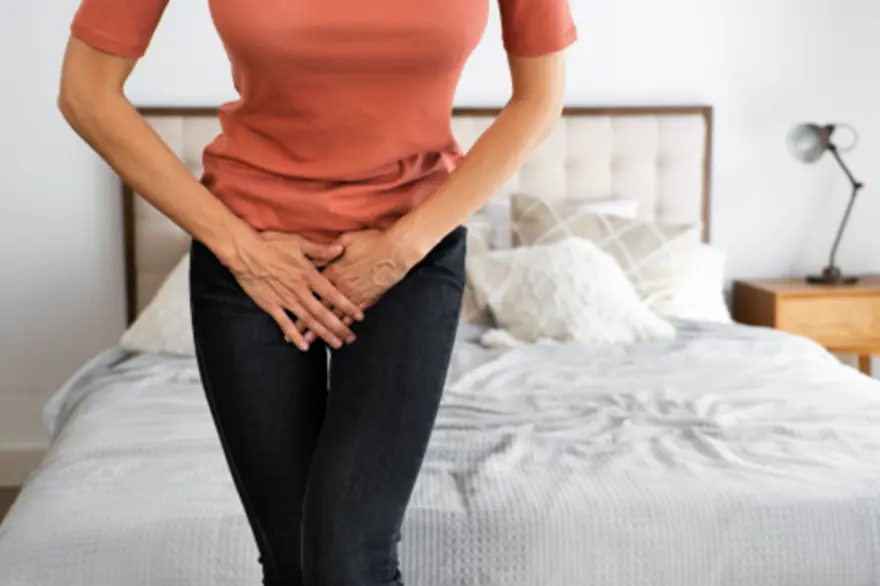
Table of Contents
- What is Vaginal Itching?
- Common Causes of Vaginal Itching
- Associated Symptoms to Watch For
- When Vaginal Itching May Signal a Serious Problem
- Home Remedies to Relieve Vaginal Itching
- Medical Treatments for Vaginal Itching
- Lifestyle Tips to Prevent Vaginal Itching
- When to See a Doctor
- Possible Complications of Untreated Vaginal Itching
- Conclusion
- FAQs
- References
What is Vaginal Itching?
Vaginal itching refers to an irritating or uncomfortable sensation in or around the vagina and vulva, which make up the external genital area. This condition is characterised by a persistent urge to scratch the affected area, which can lead to further vaginal inflammation and discomfort.
Vaginal itching is a common and often distressing problem that affects many women at some point in their lives. This uncomfortable sensation can range from mild to severe and may be accompanied by other symptoms such as vaginal irritation, inflammation, and abnormal vaginal discharge. While occasional itching is normal, persistent or severe itching may indicate an underlying health issue that requires attention.
Common Causes of Vaginal Itching
Vaginal itching causes can range from mild irritants to more serious infections. Some of the most common culprits include:
Infections
- Yeast infections: Most commonly caused by an overgrowth of Candida albicans, these infections are characterised by intense itching, redness, swelling, and thick, white, cottage cheese-like discharge.
- Bacterial vaginosis (BV): An imbalance in normal vaginal bacteria can cause thin, greyish-white discharge with a characteristic fishy odour; itching may occur but is often mild or absent.
- Sexually transmitted infections (STIs): Certain sexually transmitted infections (STIs), including trichomoniasis, chlamydia, and gonorrhoea, may cause vaginal itching, burning, and abnormal discharge.
Skin Irritants and Allergies
- Scented feminine hygiene products, such as soaps, douches, and sprays
- Tight-fitting or non-breathable clothing
- Allergic reactions to latex condoms or spermicides
- Harsh laundry detergents or fabric softeners
Hormonal Changes
Fluctuations in hormone levels, particularly during menopause, can lead to vaginal dryness and itching. As oestrogen levels decline, the vaginal walls become thinner and less lubricated, resulting in irritation and discomfort. Hormonal changes during pregnancy and breastfeeding can occasionally contribute to vaginal dryness and mild itching.
Other Causes
- Skin conditions like eczema or psoriasis
- Parasitic infections such as pinworms (rare in adults)
- Poor hygiene practices
- Stress and anxiety
Associated Symptoms to Watch For
In addition to vaginal itching, you may experience other symptoms that can help identify the underlying cause:
- Abnormal vaginal discharge, such as thick, white, or greyish discharge
- Burning sensation during urination
- Redness and swelling of the vulva
- Pain or discomfort during intercourse
- Unusual vaginal odour (often described as fishy in bacterial infections)
- Vaginal dryness or soreness
When Vaginal Itching May Signal a Serious Problem
While most cases of vaginal itching are treatable and not cause for major concern, there are instances when it may indicate a more serious health issue. If you experience any of the following symptoms alongside persistent itching, it's essential to consult a healthcare provider promptly:
- Severe pain or burning in the vaginal area
- Unusual vaginal bleeding or spotting
- Fever or chills
- Abdominal pain
- Painful urination or difficulty emptying the bladder
- Foul-smelling, greenish, or yellowish vaginal discharge
These symptoms may suggest a severe infection or an underlying condition that requires medical intervention.
Home Remedies to Relieve Vaginal Itching
If your vaginal itching is mild and not accompanied by other concerning symptoms, you can try these vaginal itching home remedies to alleviate discomfort:
- Apply a cold compress to the affected area to soothe inflammation
- Soak in a lukewarm bath for 10–15 minutes; adding a small amount of baking soda may help soothe mild irritation
- Avoid scented hygiene products, perfumed soaps, and vaginal deodorants; use mild, fragrance-free cleansers formulated for intimate areas
- Wear loose, breathable cotton underwear
- Practice good hygiene by keeping the genital area clean and dry
- Avoid douching or using harsh cleansers
- Incorporate probiotic-rich foods, such as yoghurt, into your diet to promote healthy vaginal flora
Medical Treatments for Vaginal Itching
When home remedies fail to provide relief or if your symptoms worsen, it's time to seek vaginal itching treatment from a healthcare professional. Depending on the underlying cause, your doctor may recommend:
- Antifungal creams or oral medications for yeast infections
- Antibiotics for bacterial vaginosis or STIs
- Topical corticosteroids for skin conditions like eczema
- Hormone replacement therapy for menopausal women experiencing vaginal dryness
- Antihistamines may help relieve itching caused by allergic reactions or contact dermatitis
Lifestyle Tips to Prevent Vaginal Itching
To minimise your risk of developing vaginal irritation and itching, consider adopting these lifestyle habits:
- Maintain good hygiene by gently cleansing the genital area daily with mild soap and water
- Avoid douching, as it can disrupt the natural balance of vaginal bacteria
- Change out of wet or sweaty clothing promptly
- Use unscented, hypoallergenic feminine hygiene products
- Practice safe sex by using barrier protection, such as condoms or dental dams, to reduce the risk of sexually transmitted infections (STIs)
- Manage stress through relaxation techniques, such as deep breathing or meditation
- Stay well-hydrated to support overall vaginal health
When to See a Doctor
It's important to consult a healthcare provider if you experience:
- Persistent vaginal itching that lasts more than a week
- Severe pain, burning, or swelling in the vaginal area
- Unusual vaginal discharge or odour
- Painful urination or intercourse
- Symptoms that worsen despite home treatment
- Recurrent episodes of vaginal itching
Possible Complications of Untreated Vaginal Itching
Ignoring or delaying proper vaginal itching treatment can have a range of health consequences. What may start as mild irritation can progress into more serious complications if left unaddressed.
Some of the possible outcomes include:
- Spread of infection: Untreated bacterial, fungal, or parasitic infections can extend to the urinary tract or reproductive organs, leading to conditions like urinary tract infections (UTIs), pelvic inflammatory disease (PID), or chronic inflammation.
- Increased risk of sexually transmitted infections (STIs): Persistent itching and irritation can make the vaginal lining more vulnerable to pathogens. According to the WHO, infections such as Trichomonas vaginalis (T. vaginalis) not only cause vaginal discomfort but are also linked to a 1.5 times higher risk of HIV transmission, highlighting the importance of timely diagnosis and management.
- Pregnancy-related complications: Untreated sexually transmitted infections (STIs) are linked to adverse birth outcomes, including low birth weight, preterm delivery, and premature rupture of membranes. Though uncommon, perinatal transmission can occur, leading to vaginal or respiratory infections in newborns.
- Tissue damage: Constant scratching due to severe itching can lead to open sores, fissures, or secondary bacterial infections. Over time, this may result in scarring or thickening of the vaginal tissue, causing chronic discomfort.
- Impact on emotional and sexual well-being: Persistent irritation and pain can interfere with sexual health, cause distress or embarrassment, and negatively affect intimate relationships and self-esteem.
Addressing vaginal itching promptly and identifying its underlying cause are crucial steps in preventing these complications and maintaining overall reproductive health.
Also Read: Yeast Infection vs. PID: Can a Yeast Infection Lead to Pelvic Inflammatory Disease?
Conclusion
Vaginal itching is a common issue that can cause significant discomfort and distress. By understanding the potential causes, practising good hygiene habits, and knowing when to seek medical advice, you can effectively manage and prevent this frustrating condition. If vaginal itching persists or worsens, consult a qualified healthcare professional for accurate diagnosis and tailored treatment based on the underlying cause.
At Metropolis Healthcare, we understand the importance of addressing intimate health concerns with compassion and expertise. Our team of skilled pathologists and technicians provides reliable diagnostic services, including tests for vaginal infections and inflammation. With 220 laboratories, 4600+ service centres, and over 10,000 touchpoints across the country, we ensure technological innovation, patient-centric care, and accurate diagnostic reporting that you can trust to prioritise your well-being.
Take the first step towards optimal vaginal health by booking a test or health check-up with Metropolis Healthcare today.
FAQs
Can vaginal itching go away on its own?
In some cases, mild vaginal itching caused by irritants or hormonal changes may resolve on its own within a few days. However, if the itching persists or is accompanied by other symptoms, it's best to consult a healthcare provider to determine the underlying cause and appropriate treatment.
Is vaginal itching a sign of an STD?
While vaginal itching can be a symptom of certain sexually transmitted infections, such as chlamydia or trichomoniasis, it is not always indicative of an STD. Many other factors, including yeast infections, bacterial vaginosis, and skin irritants, can cause vaginal itching. If you suspect you may have an STD, it's crucial to get tested and treated promptly to prevent complications and transmission to sexual partners.
Can stress cause vaginal itching?
Stress can indirectly contribute to vaginal itching by weakening the immune system and making you more susceptible to infections like yeast overgrowth or bacterial vaginosis. Additionally, stress can disrupt the delicate balance of vaginal flora, leading to irritation and discomfort. Practising stress-management techniques, such as deep breathing, meditation, or yoga, can help support overall vaginal health.
What foods help prevent vaginal infections?
Incorporating probiotic-rich foods into your diet can help maintain a healthy balance of vaginal bacteria and reduce the risk of infections. Some beneficial food choices include unsweetened yoghurt, kefir, sauerkraut and kimchi, tempeh, and probiotic supplements. Additionally, staying well-hydrated and limiting sugary and processed foods can support optimal vaginal health.
Is it safe to use over-the-counter creams for vaginal itching?
Over-the-counter antifungal creams can be effective for treating mild yeast infections that cause vaginal itching. However, if you are unsure about the cause of your symptoms or have never experienced a yeast infection before, it's best to consult a healthcare provider before self-treating. Using the wrong product or misdiagnosing your condition can lead to further irritation and potential complications.
References
- https://www.mayoclinic.org/symptoms/vaginal-itching-and-discharge/basics/definition/sym-20050825
- https://www.healthline.com/health/vaginal-itching#causes
- https://www.medicalnewstoday.com/articles/316595
- https://www.who.int/news-room/fact-sheets/detail/trichomoniasis