Home Visit
 Upload






Preventive Healthcare
Urine Cytology Test: Detecting Cancer Cells in the Urinary Tract
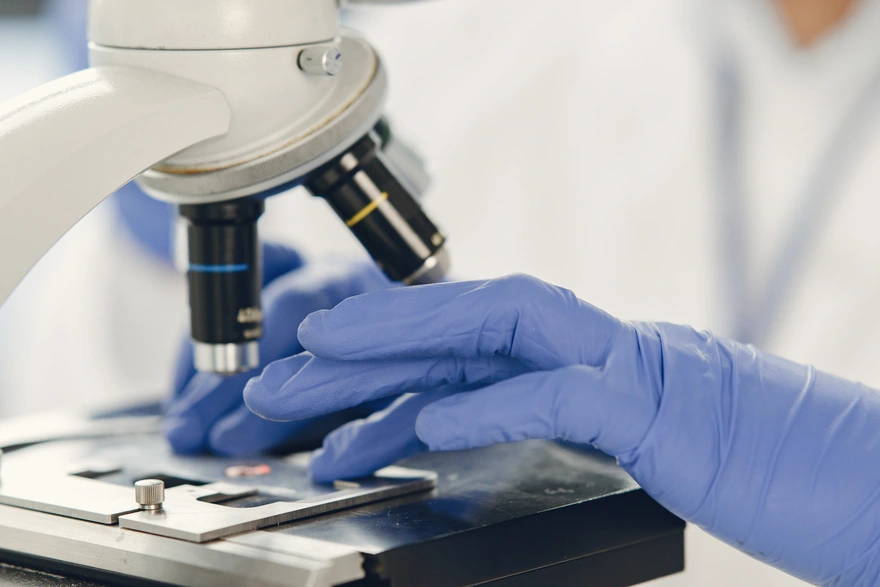
Table of Contents
- What Is a Urine Cytology?
- Why Is Urine Cytology Ordered?
- How Is the Test Performed?
- Uses of Urine Cytology
- How to Prepare for Urine Cytology?
- Normal Range for Urine Cytology
- Understanding Urine Cytology Results
- Limitations of Urine Cytology
- Follow-Up After Abnormal Results
- Conclusion: Should You Get a Urine Cytology Test?
- FAQs
What Is a Urine Cytology?
A urine cytology is a laboratory test that analyzes a urine sample for abnormal cells shed from the lining of the urinary tract, most often from the bladder, but also potentially from the ureters and renal pelvis. Unlike a biopsy, which examines tissue samples, cytology focuses on individual cells. A specialist called a cytopathologist carefully studies the appearance and characteristics of these cells under a microscope to determine if they show any signs of cancer or precancerous changes. The urine cytology test is relatively quick and painless and can provide valuable information about the health of your urinary system.
Why Is Urine Cytology Ordered?
Your doctor may recommend a urine cytology test for several reasons:
- To investigate the cause of blood in your urine (hematuria)
- To evaluate persistent urinary symptoms, such as dysuria (pain or burning during urination)
- To help in the surveillance of bladder cancer in high-risk individuals, such as smokers or those with past bladder cancer
- To monitor for recurrence in people previously treated for urinary tract cancer
- To check for certain viral diseases or inflammatory conditions affecting the urinary system.
How Is the Test Performed?
The urine cytology test procedure is straightforward and non-invasive. You'll be asked to provide a urine sample, usually a clean-catch specimen collected midstream.
Sometimes, a urine sample may be collected during a cystoscopy (bladder examination) or via catheter. The urine sample is then sent to a lab, where technicians use special techniques to concentrate the cells and examine them microscopically for any abnormalities.
Uses of Urine Cytology
The primary use of urine cytology test is to screen for cancer cells originating from the bladder, ureters, or kidneys. The other urine cytology uses include:
- Monitoring for bladder cancer recurrence in patients with a history of the disease
- Evaluating patients with blood in their urine but no obvious cause on imaging tests
- Screening individuals at high risk for bladder cancer due to smoking, chemical exposures, or chronic irritation
- Detecting certain viral infections of the urinary tract, such as polyomavirus or adenovirus
- Assessing inflammatory conditions like interstitial cystitis or eosinophilic cystitis
A urine test for cancer, like cytology, is often used as a complement to other diagnostic tools for a comprehensive evaluation.
How to Prepare for Urine Cytology?
Preparation is key for ensuring an accurate urine cytology test report. Follow these tips:
- Schedule the urine cytology test at least 1-2 weeks after any procedures involving your urinary tract, such as a cystoscopy or biopsy, to avoid false results.
- Inform your doctor about all medications and supplements you're taking, as some may affect the test.
- If possible, use the first morning urine or a freshly voided sample after several hours without urination to maximize cell yield
- Thoroughly clean your genital area before providing the sample to prevent bacterial contamination.
- Collect the urine sample midstream in the sterile container provided by the lab.
Normal Range for Urine Cytology
A normal urine cytology report means no cancerous or high-grade precancerous cells are detected, though it doesn't entirely rule out the presence of low-grade tumors or malignancies that may not shed many cells. The urine sample should contain only normal, healthy cells shed from the lining of the urinary tract. However, it's important to note that a negative result doesn't completely rule out the presence of cancer, especially small or low-grade tumours that may not shed many cells into the urine. Your doctor will interpret the urine cytology test results in the context of your symptoms, risk factors, and other test findings.
Understanding Urine Cytology Results
The urine cytology results are typically categorised as:
- Negative (normal): Only normal cellular components and no abnormal cells are seen.
- Atypical: Some cells appear abnormal but are not diagnostic of cancer. Further testing may be advised.
- Suspicious: Cells show concerning features that raise the possibility of cancer, but further diagnostic tests (such as cystoscopy or biopsy) are needed for confirmation.
- Positive: Cancerous cells are identified in the urine, indicating the presence of a urinary tract malignancy.
If your urine cytology test results are atypical, suspicious, or positive, your doctor will likely recommend follow-up tests like cystoscopy, imaging, or biopsy to confirm the diagnosis and guide treatment.
Limitations of Urine Cytology
While urine cytology is a valuable screening tool, it has some limitations:
- Lower sensitivity for detecting low-grade, early-stage, or small tumors
- Potential for false-negative results, where cancer cells are present but not identified
- Cannot definitively diagnose cancer on its own and requires confirmatory tests
- Less effective for detecting cancer in certain parts of the urinary tract, like the renal pelvis or ureters
It's important to interpret urine cytology results in the context of your symptoms, risk factors, and other diagnostic findings.
Follow-Up After Abnormal Results
If your urine cytology shows abnormal results, your healthcare team will guide you through the next steps:
- Cystoscopy is often performed to visualize the inside of your bladder and collect tissue samples if necessary to confirm the presence of cancer
- Imaging tests like CT urogram or retrograde pyelogram to evaluate your upper urinary tract
- A biopsy of suspicious areas to establish a definitive diagnosis
- Repeat urine cytology tests at regular intervals to monitor for changes
Close follow-up and additional testing can help catch urinary tract cancers early when they are most treatable.
Conclusion: Should You Get a Urine Cytology Test?
If you have risk factors, symptoms, or a history of urinary tract cancer, a urine cytology test can be a useful non-invasive tool to detect malignant cells and guide further evaluation. While it may not pick up all cancers, it can identify high-grade tumours and provide valuable information alongside other diagnostic modalities. If you have blood in your urine, persistent urinary symptoms, or are due for cancer surveillance, talk to your doctor about whether urine cytology is right for you.
At Metropolis Healthcare, we understand the importance of early cancer detection and are committed to providing accurate, reliable diagnostic services to help you prioritise your health. Our team of skilled pathologists and technicians use state-of-the-art equipment to analyse urine cytology samples with the utmost precision and care. Plus, with our convenient at-home sample collection and online report delivery, getting the answers you need has never been easier.
FAQs
Can urine cytology diagnose cancer?
Urine cytology can detect cancerous cells, particularly from high-grade tumors, but it cannot definitively diagnose all types of urinary tract cancer on its own. Abnormal results typically require additional tests for confirmation.
What cells are seen in urine cytology?
A normal urine cytology test report shows usual cells from the bladder lining and urinary tract. Abnormal, precancerous, or malignant cells may also be identified if present in the urine sample.
Why would a doctor order a cytology test?
A doctor may order a urine cytology test to investigate blood in urine, screen high-risk patients for bladder cancer, monitor for cancer recurrence after treatment, or evaluate unexplained urinary symptoms.
Is urine cytology the same as urinalysis?
No, while both tests analyse urine, urine cytology specifically looks for abnormal cells, while urinalysis is a more general evaluation of urine composition, including chemical constituents and cellular elements.
Are there any risks or side effects to a urine cytology test?
A urine cytology test is non-invasive and painless with no direct risks or side effects. Rarely, collecting the sample via catheterisation may cause temporary discomfort or a small risk of infection.
How accurate is a urine cytology test?
Urine cytology tests have a high accuracy (up to 95%) for detecting high-grade and aggressive urinary tract cancers. However, it is less sensitive for identifying low-grade, early-stage, or small tumours.
Urine cytology has high specificity (often >90%) and good sensitivity for detecting high-grade and aggressive urinary tract cancers, but sensitivity for low-grade tumors can be as low as 20–50%
What does a positive urine cytology result mean?
A positive urine cytology result indicates the presence of cancerous cells in the urine, raising a strong suspicion for urinary tract cancer. Confirmatory tests like cystoscopy and biopsy are necessary to establish a definitive diagnosis.
What happens if my test results are negative?
A negative urine cytology suggests no cancerous cells were detected. However, discuss with your doctor if further evaluation is needed based on your symptoms and risk factors, as false negatives can occur.
Can urine cytology detect kidney or ureteral cancer?
Urine cytology tests are most sensitive for detecting bladder cancer and carcinoma in situ. While it can sometimes identify cancerous cells from the kidneys or ureters, it is less reliable for these locations.
Should I drink fluids before my urine cytology test?
Avoid drinking excessive fluids before your urine cytology test to prevent diluting your urine. The first morning sample often provides the most concentrated specimen for analysis.