Home Visit
 Upload






Preventive Healthcare
Urine Culture Test: Procedure, Preparation and Results
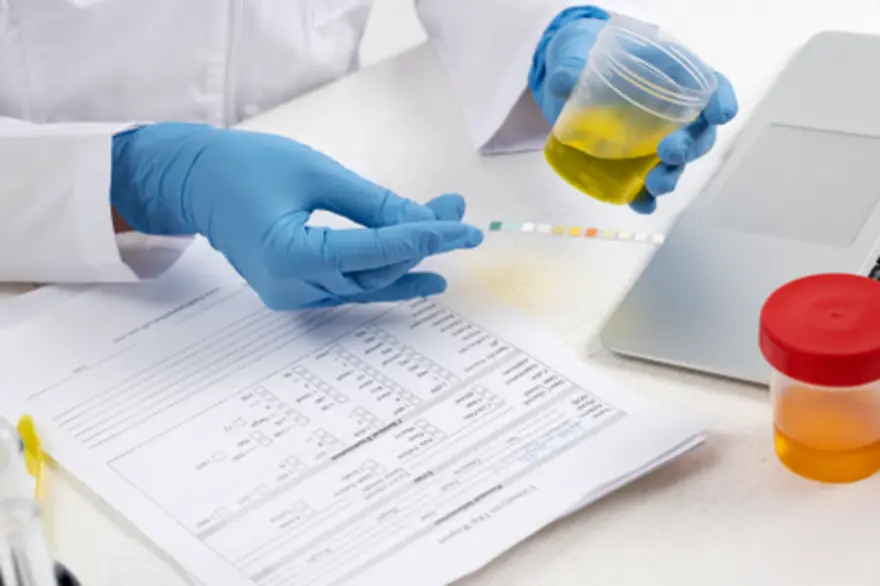
Table of Contents
- What is a Urine Culture Test?
- Why is a Urine Culture Test Done?
- How the Urine Culture Test Works
- Types of Urine Samples for Culture
- How to Prepare for a Urine Culture Test
- Urine Culture Test Procedure Step by Step
- How Long Does a Urine Culture Test Take?
- Interpreting Urine Culture Test Results
- Normal vs Abnormal Findings in Urine Culture
- Antibiotic Sensitivity Testing (Culture and Sensitivity)
- Factors That Can Affect the Accuracy of a Urine Culture Test
- Risks and Limitations of the Urine Culture Test
- When to Repeat a Urine Culture Test
- Benefits of Performing a Urine Culture Test
- How to Prevent Urinary Tract Infections (UTIs) and Reduce Need for Culture
- Conclusion
- FAQs
What is a Urine Culture Test?
A urine culture test is a specialized laboratory procedure designed to identify specific bacteria or, less commonly, fungi that may be causing a urinary tract infection (UTI). During this test, your urine sample is placed on a nutrient-rich medium that encourages microorganisms to grow and multiply.
The urine culture test’s purpose extends beyond detection—it also determines which antibiotics are most effective against the identified organisms through sensitivity testing.
It plays a crucial role in urinary tract infection diagnosis, particularly when standard urine tests suggest an infection but don't identify the specific cause.
Why is a Urine Culture Test Done?
Healthcare providers recommend a urine culture test for several important reasons:
- To diagnose urinary tract infections when UTI symptoms are present
- To identify specific bacteria or fungi causing the infection
- To determine effective antibiotic treatments through sensitivity testing
- To monitor treatment response in patients with known infections
- To screen high-risk individuals such as pregnant women or those undergoing urinary procedures
- To investigate unexplained fever in infants and children
- To follow up on persistent symptoms after initial treatment
How the Urine Culture Test Works
The urine culture test procedure begins when your sterile urine sample reaches the laboratory. Technicians spread a small amount of urine onto specially prepared culture plates containing nutrients that support bacterial growth. These plates are then incubated at body temperature for 24 to 48 hours.
Advanced techniques, like MALDI-TOF, identify the specific bacterial species. If bacteria or fungi are present in significant numbers, they form visible colonies on the culture medium. Laboratory professionals count these colonies and identify their characteristics. The urine culture test result depends on both the number of organisms present and their specific type.
Types of Urine Samples for Culture
According to StatPearls, several types of urine samples can be used for culture, each employing different collection methods to reduce contamination and improve diagnostic accuracy.
- Midstream clean-catch urine: The most common, non-invasive sample collected after cleaning the urethral area, catching urine midstream in a sterile container.
- Catheterised urine: Obtained by inserting a catheter through the urethra into the bladder, used when midstream collection is not feasible.
- Suprapubic aspiration: A sterile, invasive method where urine is drawn directly from the bladder with a needle through the abdominal wall, often used in infants or when contamination must be strictly avoided.
- Clean-catch urine: Involves thorough cleaning and collecting a midstream urine specimen in a sterile container; this method is often used synonymously with midstream collection.
How to Prepare for a Urine Culture Test
Proper preparation significantly improves your urine culture test result accuracy:
- Avoid urinating for at least one hour before sample collection
- Drink water 15-20 minutes beforehand, if instructed by your healthcare provider
- Clean the genital area thoroughly to prevent contamination
- Collect the first morning urine when possible, as it is more concentrated
- Inform your doctor about recent antibiotic use, as this affects test results
- Follow specific collection instructions provided by your healthcare team
Urine Culture Test Procedure Step by Step
- Wash your hands thoroughly with soap and warm water
- Clean the genital area using the provided sterile wipes (front to back for females)
- Begin urinating into the toilet, allowing initial urine to flow out
- Collect midstream urine in the sterile container without stopping the flow
- Capture 1-2 ounces of urine in the provided container
- Secure the container lid tightly without touching the inside surfaces
- Deliver the sample promptly to the phlebotomist or lab centre
How Long Does a Urine Culture Test Take?
The urine culture test procedure requires patience, as results typically take 24 to 48 hours to complete. This timeframe allows sufficient opportunity for any bacteria or fungi present in your sample to grow and multiply to detectable levels. Some slow-growing organisms may require up to three days for definitive identification and antibiotic sensitivity testing.
During this waiting period, your healthcare provider might start preliminary treatment if your UTI symptoms are severe. However, they may adjust your medication once the complete urine culture test result becomes available.
Interpreting Urine Culture Test Results
Understanding your urine culture test result helps you grasp your health status and treatment needs. The laboratory report indicates whether microorganisms grew during incubation and provides specific details about their identity and quantity.
- Negative or "no growth": No infection-causing organisms detected
- Positive result: Significant bacterial or fungal growth requiring treatment
- Mixed growth: Multiple organisms suggesting possible contamination
- Colony count significance: Bacterial counts above 100,000 CFU/mL (colony-forming units per milliliter) typically indicate infection
Normal vs Abnormal Findings in Urine Culture
- Normal Findings:
- No significant bacterial or fungal growth after 24–48 hours of incubation
- Colony counts below 1,000 CFU/ml
- Clear, uncontaminated sample results
- Abnormal Findings:
- Single-organism growth exceeding 100,000 CFU/mL
- Multiple organism growth, suggesting contamination
- Lower colony counts (10,000-100,000 CFU/ml) with corresponding UTI symptoms
What Does a Positive Urine Culture Mean?
A positive urine culture test result indicates that harmful bacteria or fungi are present in quantities suggesting an active urinary tract infection. This finding confirms that your UTI symptoms have a bacterial cause requiring specific antibiotic treatment. The laboratory will identify the exact organism and test its sensitivity to various antibiotics, ensuring your healthcare provider can prescribe the most effective medication.
What If There is No Growth on the Urine Culture
When your urine culture test shows no growth, it means no infection-causing bacteria or fungi were detected during the incubation period. This negative result suggests your UTI symptoms may have another cause, such as viral infection, irritation, or non-infectious inflammation.
Antibiotic Sensitivity Testing (Culture and Sensitivity)
Antibiotic sensitivity testing accompanies positive urine culture test results to guide treatment decisions. This additional testing determines which medications effectively kill or inhibit the identified organisms.
Benefits of sensitivity testing:
- Identifies effective antibiotics for targeted treatment
- Prevents antibiotic resistance by avoiding ineffective medications
- Reduces treatment time through appropriate drug selection
- Minimizes side effects by enabling targeted rather than broad-spectrum antibiotic use
Factors That Can Affect the Accuracy of a Urine Culture Test
- Sample contamination from skin or vaginal bacteria
- Delayed laboratory delivery allows bacterial overgrowth or die-off
- Recent antibiotic use suppresses bacterial growth
- Inadequate genital cleaning before collection
- Insufficient urine volume for proper testing
- Improper sample storage or handling procedures
Risks and Limitations of the Urine Culture Test
- Mild discomfort with catheterised collection methods
- False-negative results when infections are present but undetected
- False-positive results from sample contamination
- Delayed results requiring 24-48 hours for completion
- Limited detection of certain fastidious organisms
When to Repeat a Urine Culture Test
- Persistent symptoms despite appropriate treatment
- Contaminated initial sample requiring fresh collection
- Treatment follow-up in high-risk patients
- Negative results with strong clinical suspicion of infection
Benefits of Performing a Urine Culture Test
- Accurate urinary tract infection diagnosis through specific organism identification
- Targeted antibiotic therapy based on sensitivity results
- Reduced antibiotic resistance through appropriate medication selection
- Effective treatment monitoring for complex infections
- Prevention of complications through timely intervention
How to Prevent Urinary Tract Infections (UTIs) and Reduce Need for Culture
- Maintain proper hygiene by wiping from front to back after using the toilet
- Stay well-hydrated by drinking plenty of water daily
- Urinate regularly and ensure your bladder is completely emptied each time
- Urinate after sexual activity to flush bacteria from the urinary tract
- Wear breathable cotton underwear and avoid tight-fitting clothes
- Avoid irritating feminine products such as douches, sprays, or harsh soaps
Conclusion
Understanding the urine culture test procedure, preparation requirements, and result interpretation empowers you to take an active role in your healthcare. This diagnostic tool provides essential information for effective urinary tract infection diagnosis and treatment, helping you recover quickly and prevent complications.
At Metropolis Healthcare, we understand the importance of accurate diagnostic testing for your health decisions. With our comprehensive portfolio of over 4,000 tests and profiles, including specialised urine culture testing, we provide reliable results you can trust. Backed by a CAP proficiency score exceeding 98%, placing it among the top 1% of labs globally, Metropolis offers a patient-centred approach to diagnostics.
FAQs
What is a urine culture test used for?
A urine culture test is primarily used to detect and identify bacteria or fungi causing urinary tract infections. The test helps healthcare providers determine the specific organism responsible for your UTI symptoms and select the most effective antibiotic treatment.
How do you collect a urine sample for a culture?
Collect a urine sample using the clean-catch midstream method: clean your genital area thoroughly, begin urinating into the toilet, then collect the middle portion of your urine stream in a sterile container without contaminating it.
How long does it take to get urine culture results?
Urine culture test results typically take 24 to 48 hours, as bacteria need time to grow and multiply in the laboratory culture medium. Some slow-growing organisms may require up to three days for complete identification.
Can a urine culture be negative even if there is an infection?
Yes, a urine culture can sometimes show negative results despite an active infection. This may occur due to recent antibiotic use, certain types of bacteria that don't grow easily in standard culture conditions, or technical issues with sample collection or processing.
Do I need to stop antibiotics before a urine culture test?
Ideally, you should collect your urine sample before starting antibiotic treatment, as these medications can suppress bacterial growth and lead to false negative results. However, follow your healthcare provider's specific instructions regarding medication timing.
Does a clean-catch urine sample matter for the culture test?
Yes, proper clean-catch collection is crucial for accurate urine culture test results. Contamination from skin or genital bacteria can lead to false positive results or make interpretation difficult, potentially affecting your treatment decisions.
How accurate is a urine culture test?
Urine culture tests are highly accurate when properly collected and processed, with accuracy rates exceeding 95% for detecting significant bacterial growth. However, contamination or improper collection can affect reliability.
Can factors like diet or hydration affect the urine culture?
While diet and hydration don't directly interfere with bacterial growth in culture, severe dehydration can concentrate urine and potentially affect bacterial counts. Maintaining normal hydration helps ensure accurate results.