Home Visit
 Upload






Preventive Healthcare
TIBC Test: What It Measures and When It's Needed
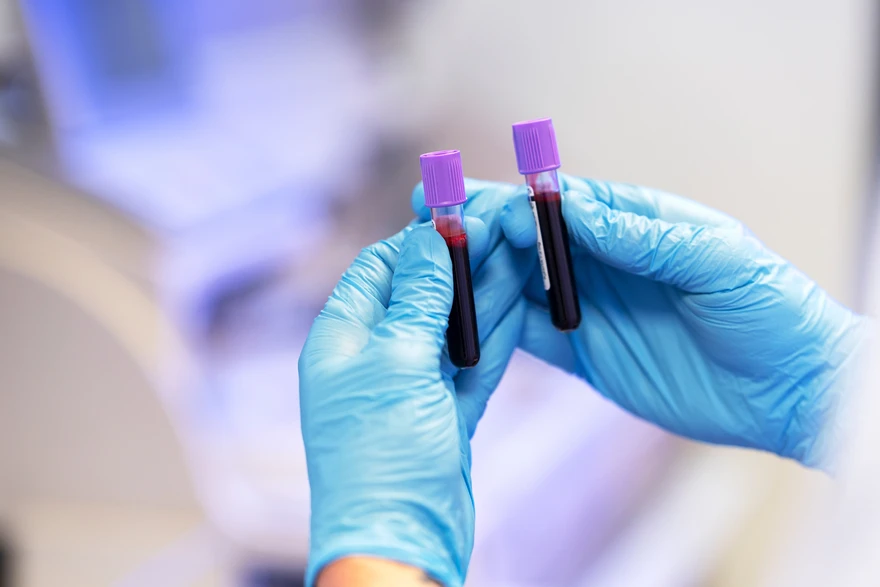
Table of Contents
- What Is a TIBC Test?
- What Does the TIBC Test Measure?
- Why Is the TIBC Test Done?
- Signs and Symptoms That May Require a TIBC Test
- How the TIBC Test Works?
- Preparation for the Test
- What Should I Expect During a TIBC Test?
- What Should I Expect After a TIBC Test?
- TIBC vs. Transferrin Test: What's the Difference?
- Interpreting TIBC Test Results
- What Does a High TIBC Level Mean?
- What Does a Low TIBC Level Mean?
- Related Tests: Ferritin, Serum Iron, and More
- Risks and Limitations of the Test
- When to See a Doctor?
- Conclusion
- FAQs
What Is a TIBC Test?
A TIBC (Total Iron-Binding Capacity) test is a blood test that measures the total amount of iron that can be bound by proteins in your blood, primarily transferrin. Transferrin is a protein that plays a crucial role in transporting iron throughout your body, delivering it to vital organs and tissues where it’s needed for functions like oxygen transport and DNA synthesis. The TIBC test evaluates how much transferrin is available to bind with iron, which helps determine if you have too little or too much iron in your system. This test is especially useful for diagnosing and monitoring conditions such as iron deficiency anemia, or iron overload disorders, such as haemochromatosis.
What Does the TIBC Test Measure?
The TIBC blood test measures the total amount of transferrin in your blood that is available to bind with iron. Transferrin is the main protein responsible for transporting iron through the bloodstream. The test estimates the total amount of iron that your blood can carry, reflecting the iron-binding capacity of transferrin. Results are typically reported in micrograms per deciliter (mcg/dL) or micromoles per liter (µmol/L). A high TIBC level means your body is producing more transferrin, often due to low iron levels, indicating iron deficiency. A low TIBC level may suggest your body has too much iron (iron overload) or could be linked to chronic illnesses, malnutrition, or inflammatory conditions.
Why Is the TIBC Test Done?
The TIBC test measures the maximum amount of iron that can be carried in your blood when transferrin, the main iron-transport protein, is fully saturated. It reflects your blood’s total capacity to bind and transport iron. A high TIBC level means there is more transferrin available, which often occurs when iron levels are low—such as in iron deficiency anemia. In these cases, the body increases transferrin production to capture and transport as much iron as possible. Therefore, TIBC is a useful indicator for assessing iron status and diagnosing iron-related conditions.
Signs and Symptoms That May Require a TIBC Test
Your doctor may recommend a TIBC test if you have symptoms that could indicate iron deficiency anemia, such as:
- Unexplained weight loss
- Frequent infections
- Cold hands and feet
- Brittle nails
- Unusual cravings for non-food items (pica)
If you have a family history of iron disorders or have been diagnosed with conditions that affect iron absorption, such as celiac disease or inflammatory bowel disease, your doctor may also recommend a TIBC test as part of your routine monitoring.
How the TIBC Test Works?
The TIBC blood test involves drawing a small sample of blood, usually from a vein in your arm. The process is quick and minimally invasive, taking only a few minutes. The blood sample is then sent to a laboratory, where it is analyzed to determine the maximum amount of iron that can be bound by transferrin in your blood. The lab technician adds an excess amount of iron to the sample, allowing all available transferrin to become fully saturated. The total amount of iron bound to transferrin is then measured, providing your TIBC level.
Preparation for the Test
To ensure accurate TIBC test results, you may be asked to fast for 8 to 12 hours before your blood draw, as recent meals can affect iron and transferrin levels. This means avoiding food and drinks (except water) during this period. Fasting helps eliminate any potential interference from recent meals, which can affect iron and transferrin levels in the blood. It's also important to inform your doctor about any medications or supplements you're taking, as some may influence iron metabolism and need to be temporarily discontinued before the test. On the day of your appointment, wear a short-sleeved shirt to allow easy access to your arm for the blood draw.
What Should I Expect During a TIBC Test?
When you arrive for your TIBC test, you'll go through the following steps:
- A phlebotomist will ask you to sit or lie down and will clean the skin around the site of the blood draw, usually the inside of your elbow or the back of your hand.
- A tourniquet will be applied to your upper arm to make the veins more visible. A small needle will be inserted into a vein, and a small amount of blood will be collected into a vial. You may feel a slight pinch or sting during this process.
- Once enough blood has been collected, the needle will be removed, and pressure will be applied to the site to stop any bleeding before a bandage is applied. The entire process typically takes less than five minutes.
What Should I Expect After a TIBC Test?
After your TIBC blood test, you can usually resume your normal activities immediately. You may experience some mild bruising or soreness at the site of the blood draw, but this should resolve within a day or two. If you have any unusual pain, swelling, or bleeding at the site, contact your doctor.
TIBC vs. Transferrin Test: What's the Difference?
The TIBC test and the transferrin test both assess iron transport in the blood but measure different aspects. TIBC measures the total capacity of your blood to bind iron, reflecting how much iron your transferrin proteins can carry if fully saturated. In contrast, the transferrin test directly measures the amount of transferrin protein itself. While TIBC gives an overall idea of iron-binding potential, the transferrin test quantifies the actual protein levels. Both tests help diagnose iron disorders but provide complementary information about iron metabolism and transport.
Interpreting TIBC Test Results
The normal TIBC test range for adults is typically 250-450 mcg/dL. However, reference ranges can vary slightly between laboratories.
- High TIBC levels (above 450 mcg/dL) can indicate iron deficiency anemia. As the body's iron stores become depleted, more transferrin is produced to scavenge for iron, resulting in an elevated TIBC.
- Low TIBC levels (below 240 mcg/dL) can occur in conditions of iron overload such as haemochromatosis, where excess iron accumulates in the body. Low TIBC may also be seen in chronic inflammatory disorders, malnutrition, and liver disease.
TIBC test results are often evaluated along with other iron studies like serum iron and ferritin to get a complete picture of a person's iron status. Transferrin saturation, which is calculated by dividing serum iron by TIBC, helps differentiate between iron deficiency anemia and anemia of chronic disease.
What Does a High TIBC Level Mean?
A high TIBC level, typically above 450 mcg/dL (81 µmol/L), generally indicates iron deficiency. When your body lacks sufficient iron, it responds by increasing the production of transferrin, the protein that binds and transports iron in the blood, to maximize iron absorption and transport. This increase allows the body to capture and use as much iron as possible.
Common causes of high TIBC levels include:
- Blood loss (such as heavy menstrual periods or gastrointestinal bleeding)
- Inadequate iron intake (common in vegetarian or vegan diets)
- Pregnancy
- Rapid growth during infancy or adolescence
- Certain gastrointestinal disorders like celiac disease or inflammatory bowel disease that impair iron absorption
If your TIBC level is high, your doctor will likely recommend additional tests to identify the cause and develop a treatment plan, which may include iron supplements or dietary changes to restore healthy iron levels.
What Does a Low TIBC Level Mean?
A low TIBC level, typically below 240 mcg/dL (43 µmol/L), may indicate iron overload or certain chronic conditions that affect iron metabolism. When iron levels in the body are high, transferrin production decreases because the body does not need to transport as much iron.
Some possible causes of low TIBC levels include:
- Haemochromatosis, a genetic disorder causing excessive iron absorption
- Multiple blood transfusions that increase iron levels
- Chronic liver disease, which can affect protein production
- Inflammation from autoimmune disorders or infections
In these situations, excess iron can be harmful, and your doctor will work to determine the underlying cause. Treatment options may include phlebotomy (regular blood removal) or medications designed to reduce iron levels and prevent complications related to iron overload.
Related Tests: Ferritin, Serum Iron, and More
In addition to the TIBC test, your doctor may order other iron-related tests to gain a more comprehensive understanding of your iron status.
These may include:
- Serum iron: Measures the amount of iron in your blood
- Ferritin: Reflects your body's iron stores
- Transferrin saturation: Calculates the percentage of transferrin that is currently carrying iron
- Haemoglobin and haematocrit: Assess the oxygen-carrying capacity of your blood and can indicate anemia
By evaluating the results of these tests together, your doctor can determine whether you have iron deficiency, iron overload, or another condition affecting iron metabolism.
Risks and Limitations of the Test
The TIBC blood test is considered a safe and low-risk procedure when performed by trained professionals when performed by trained professionals when performed by trained professionals when performed by trained professionals. As with any blood draw, there is a slight risk of bleeding, bruising, or infection at the needle site. Some people may feel dizzy or lightheaded during the blood collection, but this is usually short-lived. The TIBC test is not recommended for people with certain bleeding disorders or those taking blood thinners, as they may have an increased risk of bleeding.
When to See a Doctor?
If you're experiencing persistent symptoms like fatigue, weakness, and pale skin, it's important to see your doctor for an evaluation. While iron deficiency anemia is a common cause of these symptoms, other conditions such as thyroid disorders or chronic illnesses can also be responsible. Your doctor can order the appropriate tests, including a TIBC test, to determine the underlying cause and recommend the best course of treatment.
Conclusion
The TIBC test is a valuable diagnostic tool for assessing iron metabolism and helping to diagnose conditions such as iron deficiency anemia and iron overload disorders. By measuring your blood's total iron-binding capacity, this test provides insight into your body's ability to transport iron effectively. If you have symptoms or risk factors for iron disorders, talk to your doctor about whether a TIBC test is right for you.
At Metropolis Healthcare, we offer a wide range of diagnostic tests, including the TIBC test, with the convenience of at-home sample collection. Our experienced phlebotomists can come to your doorstep to collect your blood sample, which is then processed in our state-of-the-art laboratories. With our commitment to accuracy, reliability, and patient-centric care, you can trust Metropolis Healthcare to provide the information you need to take control of your health.
FAQs
What is a normal TIBC level?
The normal range for TIBC is typically 240-450 mcg/dL in adults, although this can vary slightly between laboratories. Your doctor will interpret your TIBC result in conjunction with other iron studies and your clinical situation.
Is fasting required for a TIBC test?
Fasting is not usually necessary before a TIBC blood test unless your doctor instructs you otherwise. However, it's important to inform your doctor about any medications or supplements you're taking, as some may affect the test results.
What causes high TIBC levels?
The most common cause of a high TIBC is iron deficiency anemia. As iron stores become depleted, the body ramps up transferrin production to maximize iron absorption, leading to an elevated TIBC. Less frequently, pregnancy and oral contraceptive use can also increase TIBC.
What can low TIBC levels indicate?
Low TIBC levels can occur in conditions of iron overload (haemochromatosis), chronic inflammation, liver disease, and malnutrition. In these cases, the body has an excess of iron or an impaired ability to produce transferrin.
How is TIBC different from serum iron?
While the TIBC test measures the total amount of iron that can be bound by transferrin, serum iron measures the actual amount of iron circulating in the blood at a given time. Both tests are often ordered together to get a more complete picture of iron status.
Can iron supplements affect the results?
Yes, taking iron supplements can alter TIBC test results by increasing serum iron levels and decreasing transferrin levels. It's important to inform your doctor about any iron supplements you're taking and follow their instructions on whether to continue or stop them before the test.
How long does it take to get TIBC test results?
TIBC test results are typically available within 1 to 2 business days. However, turnaround time may vary depending on the laboratory and whether additional tests are ordered.
Is the TIBC test painful?
The TIBC test involves a standard blood draw, which can cause a slight sting or pinching sensation when the needle is inserted into the vein. Most people find it minimally uncomfortable, and the discomfort is brief.
Related Tests
Tests related to the topic