Home Visit
 Upload






Preventive Healthcare
Thyroglobulin Test: Monitoring Thyroid Cancer Recovery
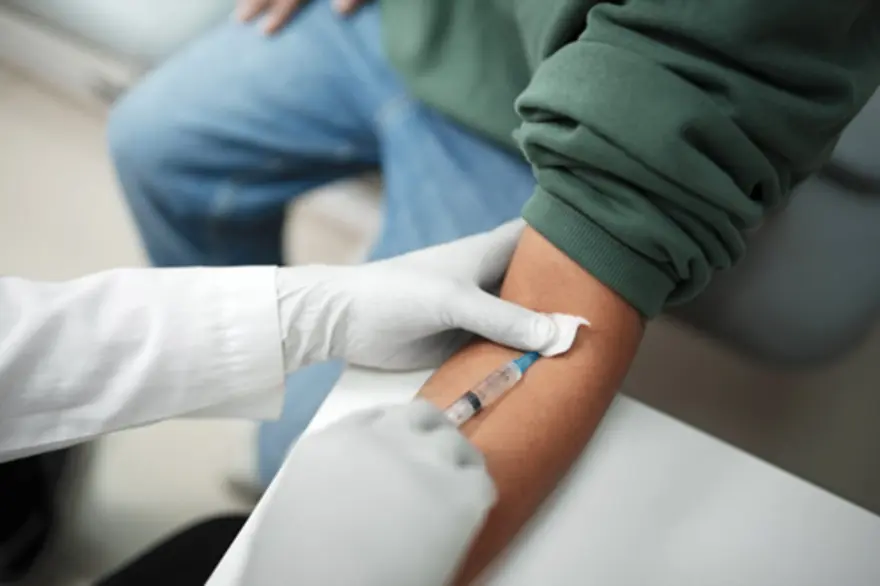
Table of Contents
- What Is the Thyroglobulin Test?
- Why Is the Thyroglobulin Test Ordered?
- How Is the Thyroglobulin Test Performed?
- What Happens During a Thyroglobulin Test?
- Interpreting Thyroglobulin Test Results
- Normal Range for Thyroglobulin Levels
- What Are the Uses of the Thyroglobulin Test?
- How to Prepare for the Thyroglobulin Test?
- What Are the Benefits of the Thyroglobulin Test?
- Thyroglobulin Antibodies and Their Impact on Test Accuracy
- Role of Thyroglobulin Test in Thyroid Cancer Monitoring
- Conclusion: Is the Thyroglobulin Test Right for You?
- FAQs
What Is the Thyroglobulin Test?
The thyroglobulin test is a blood test that measures the level of thyroglobulin, a protein that is produced only by thyroid cells. In healthy individuals, thyroglobulin is a precursor protein used by the thyroid gland to produce thyroid hormones (T3 and T4). However, in people who have undergone treatment for thyroid cancer, the presence of thyroglobulin in the blood can indicate remaining thyroid tissue or the recurrence of cancer cells.
Why Is the Thyroglobulin Test Ordered?
Your doctor may order a thyroglobulin test for several reasons related to monitoring your thyroid cancer recovery:
- To evaluate the success of thyroid cancer treatment in eliminating all thyroid cells
- To check for any signs of cancer recurrence during follow-up care
- To assess the likely behavior and prognosis of your thyroid cancer over time
- Occasionally, to assist in diagnosing other thyroid conditions like hyperthyroidism or hypothyroidism
How Is the Thyroglobulin Test Performed?
The thyroglobulin test procedure is a simple blood draw. A trained phlebotomist will collect a blood sample from a vein in your arm using a small needle. The process usually takes just a few minutes and may cause a brief sting or pinch when the needle is inserted.
What Happens During a Thyroglobulin Test?
Here's what you can expect during the thyroglobulin test procedure:
- A blood sample is drawn from a vein, typically in your arm, using a needle.
- The collected blood is placed in a test tube or vial.
- The sample is sent to a laboratory where the thyroglobulin levels are measured using specialised techniques such as immunochemiluminometric or radioimmunoassay methods.
Interpreting Thyroglobulin Test Results
Your thyroglobulin test results provide valuable insights into your thyroid cancer recovery status:
- Low or undetectable thyroglobulin levels after treatment usually indicate the absence of remaining thyroid tissue or cancer cells.
- Elevated or rising thyroglobulin levels may suggest the presence of residual thyroid tissue or cancer recurrence.
- The presence of thyroglobulin antibodies can interfere with accurate measurement and may require alternative testing methods.
Your doctor will interpret your thyroglobulin test results over time, alongside imaging studies and clinical examinations, to closely monitor your disease status.
Normal Range for Thyroglobulin Levels
The thyroglobulin test normal range can vary depending on the laboratory and testing method used. In patients who have had their thyroid completely removed for differentiated thyroid cancer, thyroglobulin levels are generally expected to be very low or undetectable when TSH is suppressed. In healthy individuals with an intact thyroid gland, typical thyroglobulin levels range from approximately 0 to 55 ng/mL.
What Are the Uses of the Thyroglobulin Test?
The thyroglobulin test serves several important purposes in managing thyroid cancer:
- Monitoring the effectiveness of thyroid cancer surgery and treatment
- Enabling early detection of thyroid cancer recurrence
- Estimating the prognosis and likely course of thyroid cancer
- In some cases, evaluating thyroid function disorders like hyperthyroidism and hypothyroidism
How to Prepare for the Thyroglobulin Test?
Typically, no special preparation is needed for the thyroglobulin test. However, it's important to inform your doctor about any thyroid hormone medications you're taking, as these can influence the TG test results. In certain situations, thyroglobulin testing may be coordinated with thyroid hormone withdrawal or stimulation to enhance the test's sensitivity for cancer monitoring.
What Are the Benefits of the Thyroglobulin Test?
The thyroglobulin test offers several key advantages in monitoring thyroid cancer recovery:
- Provides a sensitive method to detect residual or recurrent thyroid cancer
- Involves a minimally invasive blood test with quick sample collection
- Helps guide clinical decisions regarding the need for further treatment or imaging
- Allows for ongoing monitoring without repeated surgeries or biopsies
Thyroglobulin Antibodies and Their Impact on Test Accuracy
In some patients, especially those with autoimmune thyroid diseases, thyroglobulin antibodies (anti-Tg) can develop. These antibodies can interfere with standard thyroglobulin test assays, leading to falsely low or high results. When anti-Tg antibodies are present, specialised testing methods like radioimmunoassay are employed to improve the accuracy of thyroglobulin measurement.
Role of Thyroglobulin Test in Thyroid Cancer Monitoring
The thyroglobulin test plays a pivotal role in monitoring thyroid cancer recovery. By detecting any remaining thyroid cells after surgery and signalling potential cancer recurrence during follow-up, this test provides critical information to guide timely interventions and optimise long-term outcomes for thyroid cancer survivors.
Conclusion: Is the Thyroglobulin Test Right for You?
The thyroglobulin test is a key tool used for monitoring recovery in patients with differentiated thyroid cancers (papillary and follicular types). Alongside imaging and clinical exams, it offers key insights into treatment success. Discuss thyroid medications and antibodies with your doctor, as regular thyroglobulin testing ensures proper care throughout your cancer journey.
At Metropolis Healthcare, we understand the importance of accurate and reliable diagnostic testing in managing your health. Our state-of-the-art laboratories and experienced pathologists are committed to delivering high-quality thyroglobulin test results to support your thyroid cancer recovery. With a network of collection centres across India and convenient at-home sample collection services, we make it easy for you to access the tests you need.
FAQs
What does a thyroglobulin test indicate?
A thyroglobulin test measures the amount of thyroglobulin protein in your blood, indicating the presence of thyroid tissue or potential thyroid cancer recurrence after treatment.
Are there any risks to the test?
The risks of a thyroglobulin blood test are minimal, including slight pain, bruising, or infection at the needle site. Most people have no significant side effects.
What does a thyroglobulin test indicate?
A thyroglobulin test helps doctors assess the success of thyroid cancer treatment and monitor for cancer recurrence by measuring blood levels of thyroglobulin protein.
What is the normal range of thyroglobulin in females?
The thyroglobulin test normal range varies by lab and is affected by factors like age, gender, and thyroid conditions. For women after total thyroid removal, thyroglobulin should be very low or undetectable.
What do high thyroglobulin levels mean?
Elevated thyroglobulin levels after thyroid cancer treatment may indicate the presence of remnant thyroid tissue or cancer recurrence. High levels in untreated individuals may suggest hyperthyroidism or thyroid inflammation.
What do low thyroglobulin levels mean?
Low or undetectable thyroglobulin levels are expected and desirable in thyroid cancer patients after complete thyroid removal, indicating successful elimination of all thyroid tissue.
Can thyroglobulin antibodies affect the test results?
Yes, antithyroglobulin antibodies can interfere with the thyroglobulin test, leading to falsely high or low measurements. Special assays are used to ensure accurate results in patients with these antibodies.
How often should the thyroglobulin test be done?
The frequency of thyroglobulin testing depends on the type and stage of thyroid cancer, time since treatment, and individual risk factors. Typically, tests are done every 3-12 months, with the interval extending over time if results remain favourable.
Can this test detect thyroid cancer in healthy individuals?
No, the thyroglobulin test is not used to screen for or diagnose thyroid cancer in people without symptoms or a history of thyroid disease. It is primarily used as a monitoring tool after thyroid cancer treatment.
What happens if my results are abnormal?
If your thyroglobulin test results are higher than expected after thyroid cancer treatment, your doctor will likely recommend further testing, such as imaging scans or a biopsy, to check for residual or recurrent cancer and determine the need for additional treatment.