Home Visit
 Upload






Preventive Healthcare
Soya Chunks: Nutrition, Health Benefits & Daily Intake Tips
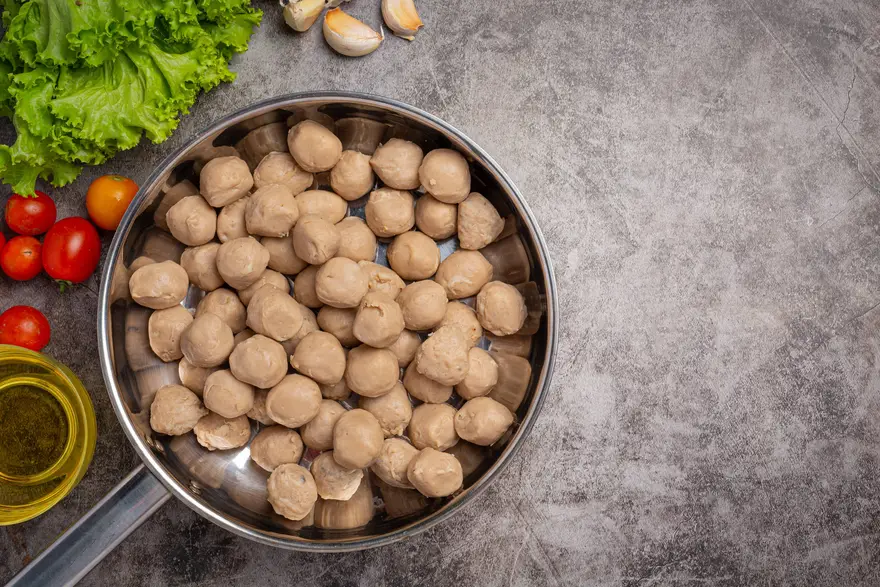
Table of Contents
What are Soya Chunks?
Soya chunks are a processed food product made from defatted soy flour, a byproduct of extracting soybean oil. The flour is cooked under pressure, extruded, and then dried to create a protein-rich, spongy product that resembles small chunks of meat when rehydrated. Also called "vegetarian meat," soya chunks readily absorb flavours from spices and sauces, making them a versatile ingredient in various dishes. They are widely used as a meat alternative due to their high protein content and meaty texture, particularly in vegetarian and vegan diets.
Soya Bean Chunks Nutritional Value
Here's a look at the soya bean chunks nutritional value per 100 g:
|
Nutrient |
Amount per 100 g |
|
Calories |
446 kcal |
|
Protein |
36.5 g |
|
Total Fat |
19.9 g |
|
Carbohydrates |
30.2 g |
|
Total Fibre |
9.3 g |
|
Calcium |
277 mg |
|
Iron |
15.7 mg |
|
Magnesium |
280 mg |
|
Phosphorus |
704 mg |
|
Potassium |
1800 mg |
|
Vitamin C |
6 mg |
|
Vitamin A |
22 IU |
Soya chunks are good for health, as they are an excellent source of plant-based protein, providing all nine essential amino acids. They are low in fat, contain no cholesterol, and are rich in fibre and minerals like calcium and iron.
Properties of Soya Chunks
Some key properties that make soya chunks a nutritious food choice include:
- High Protein Content: 36.5 g per 100 g, a complete protein with all essential amino acids
- Low Fat: Minimal fat content with a favourable fatty acid profile.
- Rich in Fibre: Dietary fibre supports digestion and gut health.
- Complete Protein: Contains all nine essential amino acids required by the body.
- Cholesterol-Free: Being plant-based, soya chunks contain no cholesterol.
- Long Shelf Life: Dehydrated form can be stored for over a year in airtight conditions.
- Affordable and Versatile: Readily available and can be used in many recipes as a meat alternative.
9 Benefits of Eating Soya Chunks
Soya chunks benefits are numerous, making them a smart addition to a regular diet for improved overall health. Here are nine science-backed reasons why soya chunks are good for health:
- Rich in Protein: With about 36 g of protein per 100 g, soya chunks are an excellent plant-based protein source for muscle growth, repair, and maintenance, especially for vegetarians and vegans.
- Improves Heart Health: The low saturated fat content and isoflavones in soya chunks may help lower LDL (bad) cholesterol and triglycerides, reducing the risk of heart disease.
- Fights Inflammation: The antioxidant and anti-inflammatory properties of isoflavones in soya chunks can help combat chronic inflammation linked to various diseases.
- Helps Control Blood Sugar: The high fibre and low glycaemic index of soya chunks can aid in blood sugar regulation and diabetes management.
- Improves Digestion: The rich fibre content in soya chunks promotes regular bowel movements and supports a healthy gut microbiome.
- Aids Weight Loss: Soya chunks are good for weight loss as they are low in calories and fat while being rich in protein and fibre, helping to boost satiety, curb appetite, and aid in effective weight management when part of a balanced diet.
- Improves Menopause Symptoms: The oestrogen-like effects of isoflavones in soya chunks may help alleviate menopausal symptoms such as hot flashes and mood swings.
- Maintains Bone Health: The calcium and magnesium in soya chunks contribute to bone strength and density, potentially reducing the risk of osteoporosis, especially in postmenopausal women.
- Improves Brain Function: The protein and isoflavones in soya chunks may support cognitive health and help protect against age-related neurodegenerative diseases through their antioxidant effects.
Side Effects of Soya Chunks
While soya chunks offer numerous health benefits, they may also cause some side effects in certain individuals:
- Digestive Issues: The high fibre content may lead to bloating, gas, or constipation in some people.
- Allergic Reactions: Those with soy allergies may experience symptoms like rash, itching, or difficulty breathing.
- Thyroid Function: Excessive consumption of soy products may interfere with thyroid function due to the presence of goitrogens.
- Hormonal Effects: Some studies suggest that the oestrogen-like compounds in soy may disrupt hormone levels, although moderate consumption is generally considered safe.
Precautions to Eating with Soya Chunks
To safely incorporate soya chunks into your diet, keep these precautions in mind:
- Limit your intake to a few servings per week to avoid potential side effects.
- If you have a soy allergy or suspect an intolerance, avoid consuming soya chunks.
- If you have a history of hormonal imbalances or thyroid issues, talk to your doctor before adding soya chunks to your diet.
- Opt for organic, non-GMO soya chunks to minimise exposure to pesticides and genetically modified ingredients.
How to Use Soya Chunks?
Using soya chunks in your meals is simple:
- Soak the chunks in hot water for 5-10 minutes until they soften and double in size.
- Squeeze out excess water and use them in place of meat in curries, stir-fries, stews, or rice dishes.
- You can also marinate the rehydrated chunks in spices and sauces before cooking for added flavour.
- Experiment with different recipes like soya chunk biryani, soya keema, or soya nuggets to add variety to your diet.
Interactions with Other Medicines
While soya chunks are generally safe for most people, they may interact with certain medications. For individuals taking thyroid medications, the goitrogens present in soy may interfere with the absorption of thyroid hormones, so it's important to consult a doctor before including soya chunks regularly in the diet. Similarly, the vitamin K content in soy may reduce the effectiveness of blood-thinning medicines such as warfarin. Additionally, the phytoestrogens in soy may interact with hormonal medications, including hormone replacement therapy and birth control pills.
Therefore, it is advisable to inform your doctor about any dietary changes or supplements you plan to incorporate, especially if you have a pre-existing medical condition or are on medication.
At Metropolis Healthcare, we understand the importance of making informed decisions about your well-being. Our team of expert pathologists and technicians is dedicated to providing accurate, reliable diagnostic services to help you monitor your health parameters. From comprehensive health check-ups to specialised tests, we offer a wide range of services to support your wellness journey.
FAQs
Is it safe to eat soya chunks daily?
While soya chunks are nutritious, it's best to consume them in moderation as part of a balanced diet. Limit your intake to a few servings per week to avoid potential side effects and ensure you're getting a variety of nutrients from other sources.
Are soya chunks bad for health?
Soya chunks are generally safe and beneficial for most people when consumed in moderation. However, those with soy allergies, thyroid issues, or hormonal imbalances should consult their doctor before adding them to their diet.
How much protein is in 50 g of soya chunks?
A 50 g serving of soya chunks contains approximately 26 g of protein, making them an excellent plant-based protein source for vegetarians and vegans.
Are there any side effects of soya chunks?
Some potential side effects of soya chunks include digestive issues like bloating and gas, allergic reactions in soy-sensitive individuals, and interference with thyroid function when consumed in excess.
Do soya chunks cause weight gain?
On the contrary, soya chunks are low in calories and fat but high in protein and fibre, making them a good choice for weight management when included in a balanced diet and combined with regular exercise.
Are soya chunks healthier than chicken?
While both soya chunks and chicken are good protein sources, soya chunks are plant-based, lower in fat and calories, and free from cholesterol, making them a heart-healthy alternative. However, chicken provides other essential nutrients like vitamin B12, which is lacking in soy products.