Home Visit
 Upload






Preventive Healthcare
Sirsasana (Headstand) Benefits: 9 Amazing Ways It Boosts Focus, Circulation & Overall Health
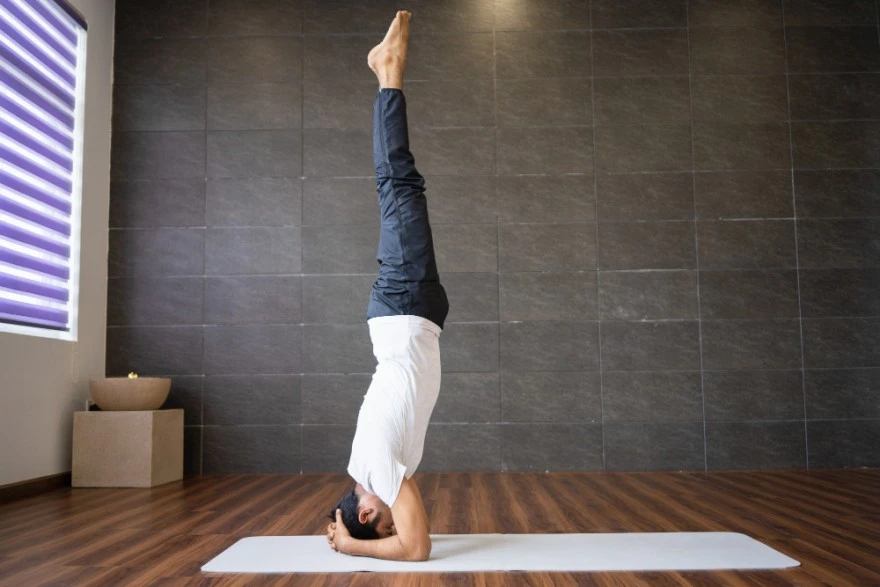
Table of Contents
What is Sirsasana (Headstand)?
Sirsasana represents one of the most revered yoga postures in traditional practice, often considered as important as seated poses like Padmasana. This inverted position involves balancing your entire body weight on your head and forearms, creating a complete reversal of your normal gravitational orientation.
In classical yoga philosophy, Sirsasana holds dual significance as both an asana (physical posture) and a mudra (energetic gesture). Unlike simpler inverted poses, the headstand demands exceptional core stability, shoulder strength, and mental composure. When practiced correctly, the Sirsasana benefits include enhanced blood flow to the brain, strengthened upper body muscles, and a profound sense of mental clarity.
How to Perform Sirsasana Safely
• Begin with proper preparation: Start in a kneeling position on your yoga mat. Interlace your fingers firmly, creating a stable cup with your hands. This foundation is crucial for protecting your neck and maintaining balance.
• Set your foundation: Place your forearms on the mat with elbows positioned shoulder-width apart. This creates a strong triangular base that will support most of your body weight, preventing excessive pressure on your neck.
• Position your head correctly: Lower the crown of your head to the floor, ensuring the back of your head rests comfortably in your interlaced hands. Your head should touch the ground lightly – remember, your forearms bear the primary weight.
• Engage and lift: Press firmly through your forearms and lift your hips high, walking your feet closer to your head. Keep your core engaged throughout this movement. This preparatory position helps you understand the weight distribution before full inversion.
• Enter the pose mindfully: When you feel stable, engage your core muscles and slowly lift one leg, then the other. Once balanced, straighten your legs gradually, maintaining steady breathing.
• Maintain proper alignment: In the full pose, your body should form a straight line from head to toes. Keep pressing through your forearms, engage your shoulders away from your ears, and maintain core activation throughout.
• Exit with control: To come down, slowly lower one leg at a time with control. Rest in Child's Pose for several breaths to allow your blood pressure to normalize.
9 Amazing Sirsasana Benefits
- Relieves stress: Inversions activate your parasympathetic nervous system, triggering a natural relaxation response. When you practise Sirsasana, your body reduces cortisol levels and promotes deep calm.
- Improves blood circulation: Inverting your body enhances blood flow to the brain and upper body, delivering fresh oxygen and nutrients to areas that typically work against gravity. This improved circulation can boost energy levels, supporting overall cardiovascular health.
- Strengthens muscles: Regular practice builds remarkable strength in your core, shoulders, and arms. Unlike isolated exercises, sirsasana benefits include functional strength that translates to improved posture and stability in daily life.
- Enhances digestion: The inversion gently massages internal organs and can help relieve constipation and bloating. The pressure changes during headstands stimulate digestive processes more intensely than seated poses like Lotus Pose.
- Promotes healthy skin and hair: Increased blood flow to your head nourishes hair follicles and facial skin from within. This enhanced circulation may support natural collagen production and promote a healthy, radiant complexion.
- Balances hormones: Inversions may positively influence endocrine glands, particularly the pituitary and pineal glands. This stimulation may help regulate hormone production, supporting everything from mood stability to metabolic function.
- Improves sleep: The calming effects on your nervous system often translate to better sleep quality. Regular practice helps helps regulate your nervous system, making it easier to fall asleep and achieve deeper rest.
- Enhances brain function: Research suggests that improved cerebral circulation enhances cognitive performance. The benefits of headstands may include sharper concentration, better memory retention, and increased mental clarity.
- Reduces varicose veins: Elevating your legs above your heart helps reduce pressure in the lower limb veins. This can provide relief from varicose vein symptoms and support overall vascular health.
Sirsasana Variations for Beginners
- Wall-Assisted Headstand: This variation provides crucial support while you develop balance and strength. Position yourself at an arm's length from a wall, follow the setup steps, then use the wall to guide your legs up.
- Dolphin Pose Preparation: Before attempting full Sirsasana, master Dolphin Pose. This preparatory posture builds essential shoulder and core strength.
- Supported Headstand (Salamba Sirsasana): This traditional variation uses your forearms for primary support, making it safer for beginners. The wider base of support provides more stability than advanced variations, allowing gradual progression.
- Bent-Knee Progression: Start by lifting your legs with knees bent, bringing them close to your chest. This reduces the lever arm and makes balance easier to achieve.
- Tripod Headstand: Once you are comfortable with supported variations, try the tripod version. Your hands and head form a triangular base, offering a different weight distribution that some find more accessible.
Safety Tips for Sirsasana
• Always warm up thoroughly: Prepare your shoulders, neck, and core with gentle stretches and strengthening exercises. Include poses like Downward Dog and Plank to activate the necessary muscle groups.
• Use proper weight distribution: Remember that your forearms, not your head, should bear most of your body weight. Excessive pressure on your neck can lead to serious injury.
• Build up gradually: Start with 15-30 seconds and increase duration slowly over weeks or months.
• Listen to your body: Exit immediately if you experience neck pain, dizziness, or unusual discomfort. These signals indicate that something needs adjustment in your practice.
• Practice on appropriate surfaces: Use a quality yoga mat on a level surface. Avoid practising on beds or uneven ground that could compromise stability.
• Maintain steady breathing: Never hold your breath during the pose. Smooth, even breathing helps maintain balance and prevents pressure buildup.
Who Should Avoid Practising Sirsasana?
While sirsasana benefits are numerous, this powerful inversion isn't suitable for everyone. Individuals with neck or back injuries should avoid headstands completely, as the pose places significant stress on these areas. According to the American Academy of Ophthalmology, individuals with glaucoma should avoid practising Sirsasana, as the increased pressure within the head can worsen their condition. Those with uncontrolled high blood pressure or heart conditions should also refrain from this pose, since it may elevate pressure in the head and strain the cardiovascular system.
Pregnant women should skip inversions like Sirsasana, especially after the first trimester, due to changes in blood pressure and balance. People with osteoporosis face increased fracture risk and should avoid weight-bearing on the head and neck. Additionally, anyone with inner ear problems, a recent stroke, or conditions affected by increased intracranial pressure should consult their doctor before attempting any inversions.
Common Sirsasana Mistakes and How to Avoid Them
• Placing excessive weight on the head: This common error strains the cervical spine dangerously. Focus on pressing through your forearms and engaging your shoulders to lift weight off your neck.
• Allowing elbows to splay outward: Keep elbows shoulder-width apart for optimal stability. Wider positioning weakens your foundation.
• Rushing the entry: Kicking up forcefully often leads to loss of control. Use slow, controlled movements powered by core engagement.
• Holding your breath: Breath-holding creates unnecessary tension. Maintain smooth, even breathing throughout your practice.
• Ignoring preparation: Attempting Sirsasana without adequate warm-up increases injury risk. Always prepare with shoulder and core exercises.
• Overstaying in the pose: Beginners often push too hard, too soon. Start with brief holds and build endurance gradually.
• Practicing without support: Learning alone significantly increases fall risk. Use walls, props, or spotters until you've mastered the technique.
At Metropolis Healthcare, we understand that optimal health requires both mindful practices like yoga and regular health monitoring. Our comprehensive portfolio of over 4,000 diagnostic tests helps you track the positive impacts of your wellness journey. With our convenient at-home sample collection service spanning 10,000+ touchpoints across India, monitoring key health markers has never been easier.
FAQs
What are the benefits of practising Sirsasana daily?
Daily Sirsasana practice enhances circulation, strengthens your entire body, reduces stress, and sharpens mental focus. These cumulative Sirsasana benefits include improved sleep, better digestion, and increased energy throughout your day.
Can Sirsasana improve brain function?
Yes, research suggests that Sirsasana benefits include enhanced cognitive performance through increased cerebral blood flow. This improved circulation delivers more oxygen and nutrients to brain tissues, potentially supporting better concentration, memory, and mental clarity.
Is Sirsasana good for circulation?
Yes, Sirsasana reverses normal blood flow patterns, improving circulation to your brain and upper body. This enhanced circulation delivers nutrients more efficiently than standard yoga postures, supporting overall cardiovascular health.
Who should avoid headstands?
Anyone with neck injuries, eye problems like glaucoma or retinal issues, uncontrolled blood pressure, heart disease, or a recent stroke should avoid Sirsasana. Pregnant women and those with osteoporosis also need to skip this pose. When in doubt, consult your doctor before attempting any inversions.
Can Sirsasana help with stress relief?
Sirsasana effectively calms your nervous system through deep breathing and parasympathetic activation. This stress-reducing benefit of headstands often exceeds what practitioners experience in other yoga postures, promoting lasting mental peace.
How long should you hold Sirsasana?
Beginners should hold Sirsasana for 5-10 breaths, focusing on proper form rather than duration. Gradually increase holding time as strength and comfort develop, eventually working up to 1-3 minutes.