Home Visit
 Upload






Preventive Healthcare
Seborrheic Keratosis: Medical Information & Health Facts
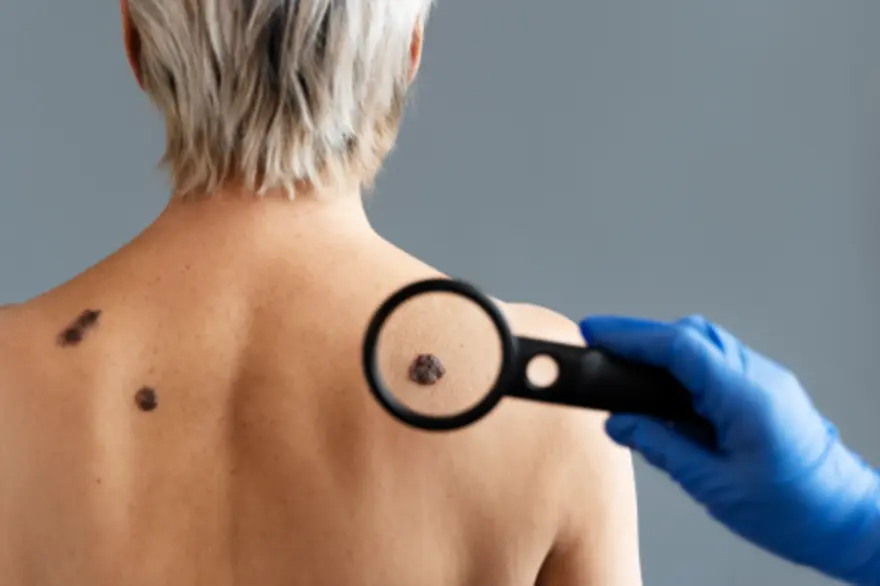
Table of Contents
- What is Seborrheic Keratosis?
- How Seborrheic Keratosis Looks: Key Characteristics
- What Causes Seborrheic Keratosis?
- Is Seborrheic Keratosis Cancerous?
- Symptoms of Seborrheic Keratosis
- Types of Seborrheic Keratosis
- Who is at Risk?
- How Seborrheic Keratosis is Diagnosed
- When to See a Dermatologist
- Treatment Options for Seborrheic Keratosis
- At-Home Care & What Not to Do
- Can Seborrheic Keratosis Come Back After Removal?
- Prevention Tips
- Difference Between Seborrheic Keratosis vs Skin Tags
- Difference Between Seborrheic Keratosis vs Melanoma
- Cost of Treatment (General Guidance)
- Complications If Left Untreated
- Conclusion
- FAQs
What is Seborrheic Keratosis?
Seborrheic keratosis is a common noncancerous skin condition that develops as people age. These growths appear as waxy, scaly patches that look as if they are stuck on to the skin surface. The condition affects millions of adults worldwide, and studies show that over 90% of people above 60 develop at least one seborrheic keratosis lesion.
This noncancerous skin condition typically appears gradually over time. The growths can vary significantly in appearance, ranging from light tan to dark brown or black. What makes seborrheic keratosis unique is its distinctive waxy texture and well-defined borders. Unlike skin cancer, seborrheic keratosis poses no health risks and doesn't spread to other parts of the body.
How Seborrheic Keratosis Looks: Key Characteristics
Seborrheic keratosis growths can develop almost anywhere on your body except the palms, soles, and mucous membranes. They're particularly common on the face, neck, chest, and back, where sun exposure is frequent.
Here are the key visual features:
- Waxy, ‘stuck-on’ appearance resembling candle wax pressed onto the skin
- Colour variations from light tan to dark brown, black, or occasionally pink
- Round or oval shape with well-defined, raised edges
- Size ranges from very small spots to growths over 2.5 centimetres across
- Rough, scaly surface that may feel greasy or soft to the touch
- Multiple growths often appear in clusters on sun-exposed areas
- Gradual development over months or years without rapid changes
What Causes Seborrheic Keratosis?
Genetics plays a crucial role in the development of seborrheic keratosis. If your parents or siblings have these growths, you're more likely to develop them too. The condition often runs in families, suggesting a hereditary predisposition to abnormal skin cell growth.
According to StatPearls, age is another significant factor in the development of seborrheic keratosis. These growths rarely appear before age 50, but their frequency increases dramatically with advancing years. Cumulative sun damage over the years may trigger abnormal proliferation of skin cells known as keratinocytes.
Hormonal changes can also influence seborrheic keratosis development. Some women notice new growths appearing during pregnancy, suggesting that hormonal fluctuations may play a role in their formation.
Is Seborrheic Keratosis Cancerous?
One of the most common concerns about seborrheic keratosis is whether it's cancerous. The reassuring answer is that seborrheic keratosis is entirely benign and poses no cancer risk. This noncancerous skin condition doesn't transform into skin cancer or spread to other body parts.
In rare cases, the sudden appearance of multiple seborrheic keratoses (called Leser-Trélat sign) may indicate an underlying internal malignancy. This unusual presentation warrants prompt medical evaluation, though it occurs in fewer than 1% of cases.
Symptoms of Seborrheic Keratosis
Most seborrheic keratosis symptoms are visual rather than physical. However, some people do experience discomfort:
- Painless brown or black growths that appear gradually over time
- Itching or irritation, especially when clothing rubs against the growth
- Occasional bleeding if the growth is scratched or picked at
- Tingling sensations in some sensitive individuals
- Cosmetic concerns, particularly when growths appear on visible areas
- Rough texture that feels different from the surrounding normal skin
Itching related to seborrheic keratosis often worsens with friction from clothing or jewellery. This is why growths on the neck, under arms, or along the bra line tend to be more symptomatic.
Types of Seborrheic Keratosis
Medical professionals classify seborrheic keratosis types based on their microscopic appearance. Understanding these seborrheic keratosis types helps doctors make accurate diagnoses:
- Acanthotic type: The most common variety with thickened skin cells
- Hyperkeratotic type: Characterised by a prominent, thickened outer layer
- Reticulated type: Showing a distinctive network-like cell pattern
- Clonal type: Featuring well-defined nests of similar cells
- Irritated type: Displaying inflammation from friction or trauma
- Pigmented type: Containing increased melanin for darker colouration
Who is at Risk?
Several factors increase your likelihood of developing seborrheic keratosis:
- Age over 50, with risk increasing significantly after 60
- Family history of seborrheic keratosis in parents or siblings
- Fair skin, though all skin types can be affected
- Frequent sun exposure throughout your lifetime
- Hormonal changes during pregnancy or menopause
How Seborrheic Keratosis is Diagnosed
Most seborrheic keratosis cases are diagnosed through visual examination alone. The distinctive "stuck-on" appearance and waxy texture make identification relatively straightforward for experienced healthcare providers. Other methods include:
- Medical history, including family background and symptom timeline
- Dermoscopy using a magnifying device to examine surface details
- Biopsy if the appearance is atypical or cancer cannot be ruled out
When to See a Dermatologist
- Rapid changes in size, colour, or appearance
- Bleeding or ulceration without obvious trauma
- Persistent pain or increasing discomfort
- Multiple new growths are appearing suddenly
- Uncertainty about diagnosis or concerns about skin cancer
Treatment Options for Seborrheic Keratosis
Most seborrheic keratosis cases require no treatment unless they cause discomfort or cosmetic concerns. When seborrheic keratosis treatment is desired, several effective options are available.
Cryotherapy (Freezing)
Cryotherapy is the most common seborrheic keratosis treatment method. This procedure uses liquid nitrogen to freeze the growth, causing it to blister and eventually fall off. The treatment takes only a few minutes and is performed in a doctor's office. Healing typically occurs within 1-2 weeks, though darker skin types may experience temporary discolouration.
Curettage (Scraping)
Curettage involves using a surgical instrument to gently scrape away the seborrheic keratosis after numbing the area. This seborrheic keratosis treatment method is often combined with cautery (burning) to ensure complete removal and minimise bleeding. The procedure leaves minimal scarring when performed correctly.
Laser Therapy
Laser seborrheic keratosis treatment uses focused light energy to vaporise the growth. This method is particularly useful for multiple lesions or when minimal scarring is desired. Various laser types can be effective, with treatment tailored to the specific characteristics of each growth.
Electrosurgery
Electrosurgery employs electric current to burn off seborrheic keratosis growths. This seborrheic keratosis treatment is often combined with curettage and works well for thicker or larger lesions. Local anaesthesia ensures patient comfort during the procedure.
At-Home Care & What Not to Do
- Avoid picking or scratching growths to prevent bleeding and infection
- Use gentle skincare products to minimise irritation
- Protect your skin from sun exposure with sunscreen and protective clothing
- Never attempt self-removal due to risks of bleeding, infection, and scarring
- Monitor for changes and report any concerns to your healthcare provider
Can Seborrheic Keratosis Come Back After Removal?
Individual seborrheic keratosis growths don't typically recur once completely removed. However, the underlying tendency to develop this noncancerous skin condition remains. New seborrheic keratosis lesions may appear elsewhere on your body over time, particularly in sun-exposed areas. This doesn't indicate treatment failure but rather reflects your genetic predisposition and accumulated sun damage.
Prevention Tips
- Use broad-spectrum sunscreen daily with SPF 30 or higher
- Limit sun exposure during peak hours (10 AM to 4 PM)
- Wear protective clothing, including wide-brimmed hats
- Perform regular skin self-examinations to monitor for changes
- Maintain overall skin health with gentle, moisturising skincare
Difference Between Seborrheic Keratosis vs Skin Tags
- Seborrheic Keratosis:
- Waxy, "stuck-on" appearance with scaly surface
- Various colours from tan to dark brown or black
- Flat or slightly raised with well-defined borders
- Can be large (over 2 cm in some cases)
- Skin Tags:
- Soft, flesh-coloured hanging growths
- Small size, typically under 1 cm
- Pedunculated (hanging from a stalk)
- Smooth surface without scales
Difference Between Seborrheic Keratosis vs Melanoma
- Seborrheic Keratosis:
- Uniform colour and well-defined edges
- Waxy, stuck-on texture that's distinctive
- Slow, gradual development over months or years
- Benign nature with no cancer risk
- Melanoma:
- Irregular borders and multiple colours
- Rapid changes in appearance
- May ulcerate or bleed easily
- Requires immediate medical attention due to cancer risk
Cost of Treatment (General Guidance)
Seborrheic keratosis treatment costs vary depending on the method chosen and the number of lesions. Since these procedures are typically considered cosmetic, insurance coverage may be limited.
Topical treatments are usually the most affordable, typically ranging from ₹500 to ₹3,000. Procedures like cryotherapy are moderately priced, generally costing ₹2,000–₹4,000. More advanced options, such as laser removal, can be higher and may go up to ₹10,000.
Complications If Left Untreated
While seborrheic keratosis is benign, leaving symptomatic growths untreated may lead to:
- Persistent itching and discomfort from friction
- Bleeding and infection from scratching or trauma
- Cosmetic concerns affecting self-confidence
- Difficulty detecting other potentially serious skin lesions
Conclusion
Understanding seborrheic keratosis empowers you to make informed decisions about your skin health. While this noncancerous skin condition is entirely benign, proper diagnosis ensures you receive appropriate care and peace of mind.
At Metropolis Healthcare, we understand the importance of accurate diagnosis in skin health concerns. With our comprehensive network of over 220 laboratories and 4,600+ service centres, we provide reliable diagnostic services that support your healthcare journey. Our home sample collection service, available across 10,000+ touchpoints throughout India, ensures convenient access to quality healthcare when you need it most.
FAQs
Is seborrheic keratosis dangerous?
Seborrheic keratosis is not dangerous and poses no health risks. However, it's important to have any suspicious skin growth evaluated by a healthcare professional to ensure accurate diagnosis and rule out other conditions.
Can seborrheic keratosis go away on its own?
Seborrheic keratosis rarely disappears spontaneously. These growths typically persist and may gradually increase in size or thickness over time. While they don't resolve naturally, they don't pose any health threats either.
How do you get rid of seborrheic keratosis naturally?
There are no proven natural remedies for seborrheic keratosis removal. Home treatments and natural approaches are ineffective and potentially dangerous. Professional seborrheic keratosis treatment methods like laser therapy or surgical removal are the only safe and effective options for permanently removing these growths.
What triggers seborrheic keratosis?
Seborrheic keratosis causes include genetic predisposition, advancing age, and cumulative sun exposure. Hormonal changes during pregnancy or menopause may also trigger new growths.
Can seborrheic keratosis turn into melanoma?
Seborrheic keratosis cannot transform into melanoma or any other type of skin cancer. This noncancerous skin condition remains benign throughout its existence.
Is seborrheic keratosis related to HPV?
Seborrheic keratosis is not caused by HPV (human papillomavirus). Unlike common warts, which are viral infections, seborrheic keratosis results from abnormal growth of your own skin cells.
Does seborrheic keratosis itch?
Many people experience itching as one of the primary seborrheic keratosis symptoms. The itching often worsens when clothing or jewellery rubs against the growth. This symptom is particularly common with growths located on areas prone to friction, such as the neck, underarms, or waistline.