Home Visit
 Upload






Preventive Healthcare
Sabja Seeds vs Chia Seeds: Nutritional Comparison and Best Uses
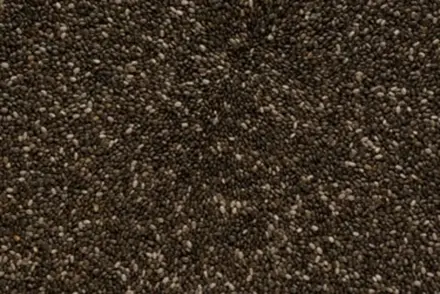
Table of Contents
- Why Compare Sabja and Chia Seeds?
- Nutritional Profile (per 100 g)
- Chia Seeds Vs Sabja Seeds Benefits at a Glance
- Chia vs Sabja: Which Is Better for Weight Loss?
- Digestion & Gut Health Advantages
- Heart Health & Omega-3 Content
- Cooling Properties & Summer Hydration
- Culinary Uses and Preparation Tips
- Potential Side-Effects & Precautions
- Quick Decision Guide (Sabja vs Chia)
- Conclusion & Key Takeaways
- FAQs
- References
Why Compare Sabja and Chia Seeds?
Both sabja seeds and chia seeds have become modern superfoods, praised for their impressive nutrition and health benefits. From boosting digestion to aiding weight loss, these tiny seeds pack remarkable potential. Yet, they differ in origin, taste, preparation, and how they interact with the body. Comparing sabja seeds vs chia seeds helps identify which one suits your lifestyle and dietary goals better.
Overview of Sabja Seeds vs Chia Seeds
While they look alike, Sabja seeds (also called basil seeds or tukmaria) and chia seeds (from Salvia hispanica) belong to the same plant family (Lamiaceae) but come from different species and have distinct nutritional characteristics.
Botanical Origin & Appearance
|
Feature |
Sabja Seeds |
Chia Seeds |
|
Scientific Name |
Ocimum basilicum |
Salvia hispanica |
|
Family |
Lamiaceae (Mint family) |
Lamiaceae (Mint family) |
|
Origin |
India & Southeast Asia |
Central & South America |
|
Color & Size |
Jet black, slightly larger and oval |
Black, grey, or white, smaller and oval |
|
Soaking Time |
Swells instantly (in <10 mins) |
Takes 20–30 mins to form gel |
|
Common Name |
Tukmaria or Basil Seeds |
Chia Seeds |
Taste and Texture Profile
At first glance, sabja and chia seeds appear similar, but their taste and texture differ once soaked.
Sabja seeds (basil or tukmaria) quickly form a jelly-like coating with a slightly crunchy core, offering a cooling, refreshing feel ideal for drinks like falooda or lemon water.
Chia seeds, in contrast, form a uniform gel-like texture without crunch, blending seamlessly into smoothies, puddings, and yoghurt bowls while absorbing surrounding flavours.
Nutritional Profile (per 100 g)
|
Nutrient |
Sabja Seeds |
Chia Seeds |
|
Calories |
480 kcal |
490 kcal |
|
Protein |
19 g |
16 g |
|
Fat |
20 g |
31 g |
|
Carbohydrates |
43 g |
42 g |
|
Fiber |
37 g |
34 g |
|
Calcium |
350 mg |
630 mg |
|
Iron |
20 mg |
7.7 mg |
|
Magnesium |
90 mg |
335 mg |
|
Omega-3 Fatty Acids |
1.2 g |
17.8 g |
|
Antioxidants |
Moderate |
Very High |
|
Water Content (after soaking) |
High |
High |
Chia Seeds Vs Sabja Seeds Benefits at a Glance
Both sabja and chia seeds are nutrient-rich superfoods packed with fibre, omega-3 fatty acids, protein, calcium, magnesium, and antioxidants. These tiny seeds support digestion, reduce inflammation, and promote heart and metabolic health.
Health Benefits of Sabja Seeds
1. Cooling and Hydration: Known for their natural cooling effect, sabja seeds help prevent heat exhaustion and maintain hydration, especially during summer. Their mucilaginous texture soothes the digestive tract and balances body temperature.
2. Digestive and Gut Health: High soluble fibre content improves bowel movement, relieves constipation, and supports healthy gut flora—making sabja seeds a gentle, natural digestive aid.
3. Weight Management: When soaked, the seeds expand quickly, creating fullness and reducing hunger. This helps control calorie intake and aids healthy, sustained weight loss.
4. Blood Sugar Regulation: The gel layer slows down glucose absorption, preventing sudden spikes in blood sugar—ideal for diabetics or those with insulin resistance.
5. Skin and Hair Nourishment: Rich in antioxidants and plant compounds, sabja seeds help fight oxidative stress, promoting glowing skin and stronger hair.
Chia Seed Benefits
1. Heart and Brain Health: Loaded with omega-3 fatty acids, chia seeds lower cholesterol, reduce inflammation, and enhance cognitive function, supporting overall cardiovascular wellness.
2. Plant-Based Protein Source: Containing all essential amino acids, chia seeds support muscle repair and energy metabolism—perfect for vegetarians and fitness enthusiasts.
3. Weight Control and Satiety: Their fibre-rich gel slows digestion, promoting satiety and reducing overeating. This helps maintain steady energy and manage weight naturally.
4. Bone Strength: With high calcium, magnesium, and phosphorus, chia seeds contribute to stronger bones and teeth—an excellent dairy alternative.
5. Gut Health and Digestion: As prebiotics, chia seeds feed beneficial gut bacteria, improve nutrient absorption, and support smooth digestion.
Chia vs Sabja: Which Is Better for Weight Loss?
Both chia and sabja seeds aid weight management through their high fibre and water-absorbing properties, promoting fullness and reducing calorie intake. However, they differ in how they act.
Sabja seeds swell instantly when soaked, forming a gel that curbs hunger and slows digestion, making them ideal before meals for quick appetite control and stable blood sugar.
Chia seeds, on the other hand, swell slowly and are richer in omega-3s, protein, and insoluble fibre. They provide sustained energy, boost metabolism, and support gradual, long-term weight management when combined with a balanced diet and regular exercise.
Digestion & Gut Health Advantages
Both sabja and chia seeds promote digestive health, though in different ways.
According to research published in the National Centre for Biotechnology Information (NCBI), the mucilage in sabja seeds coats the intestinal walls, easing bowel movement and relieving constipation naturally. Their cooling and lubricating properties may help soothe acidity, bloating, and mild inflammation, making them ideal for sensitive stomachs.
Chia seeds, on the other hand, act as powerful prebiotics that nourish healthy gut bacteria and improve microbiome balance. Their soluble and insoluble fibre adds bulk to stool and promotes hydration in the colon. While sabja gently cleanses, chia strengthens and supports long-term gut wellness.
Heart Health & Omega-3 Content
Chia seeds are exceptional for heart health, providing one of the richest plant-based sources of omega-3 fatty acids, particularly alpha-linolenic acid (ALA). With roughly 15 times more omega-3s (ALA) than sabja seeds per 100 g, chia seeds help reduce triglycerides, lower LDL cholesterol, and raise HDL cholesterol. Their magnesium and antioxidants also support healthy blood pressure and improve arterial function.
Sabja seeds, though lower in omega-3s, contribute to cardiovascular wellness through polyphenols and flavonoids that reduce inflammation, combat oxidative stress, and protect the heart from free-radical damage.
Cooling Properties & Summer Hydration
In Ayurvedic and Siddha traditions, sabja (basil) seeds are valued for their cooling and hydrating effects. When soaked, they form a gel that helps regulate body temperature, soothe acidity, and retain moisture—making them perfect for summer drinks like falooda, rose milk, and sherbets. They refresh, support digestion, and prevent dehydration.
Chia seeds, meanwhile, absorb up to 10 times their weight in water, maintaining hydration and energy, though their thicker gel suits smoothies and breakfast bowls more than light beverages.
Culinary Uses and Preparation Tips
Both sabja seeds and chia seeds are incredibly versatile ingredients that can be easily incorporated into a variety of meals and beverages. Their ability to absorb water and form a gel-like texture makes them excellent for both traditional and modern recipes. The key lies in proper soaking and moderation, as both seeds expand significantly when hydrated.
How to Consume Sabja Seeds Safely
- Soak Before Use: Always soak 1–2 teaspoons of sabja seeds in a cup of water for 10–15 minutes. The seeds swell quickly and develop a jelly-like outer layer, making them easier to swallow and digest.
- Add to Cooling Drinks: Once soaked, add them to lemonade, coconut water, milkshakes, buttermilk, or yoghurt for a refreshing twist. In India, they are most popular in falooda, nimbu pani, and rose milk—perfect for summer hydration.
- Avoid Dry Seeds: Never consume sabja or chia seeds dry, as they expand rapidly when wet and may pose a choking risk. Soaking ensures safety and proper nutrient release.
- Ideal Quantity: Consume 1–2 tablespoons daily to support digestion, appetite control, and hydration without overloading on fibre.
Creative Ways to Use Chia Seeds
- Make Chia Pudding: Mix 1 tablespoon of chia seeds with ½ cup of milk or plant-based milk and let it rest for 20–30 minutes (or overnight). Add honey, fruit, or nuts for a wholesome breakfast or dessert.
- Add to Smoothies and Oats: Sprinkle chia over smoothies, oats, yoghurt bowls, or salads for added fibre, protein, and omega-3s without altering taste.
- Use as a Vegan Egg Substitute: In baking, combine 1 tablespoon of chia seeds with 3 tablespoons of water to replace one egg. The gel binds ingredients effectively, making it a popular vegan alternative.
- Blend in Detox or Energy Drinks: Add soaked chia to lemon water, green juice, or coconut water for a slow-release energy boost and sustained hydration throughout the day.
Potential Side-Effects & Precautions
While generally safe, overconsumption of both seeds may cause mild bloating or digestive discomfort due to their high fibre content.
- Digestive Discomfort: Overconsumption of sabja seeds or chia seeds may lead to bloating, gas, or mild stomach cramps due to their high fibre content.
- Start Small: Begin with 1 teaspoon to 1 tablespoon daily, increasing gradually while maintaining proper hydration to help the body adjust to increased fibre intake.
- Medication Interactions: Individuals taking blood thinners, diabetes medications, or antihypertensive drugs should consult their doctor before regular use, as both seeds can enhance the effects of these medicines.
- Chia Seeds Caution: Dry chia seeds absorb several times their weight in water and may expand in the throat — always soak thoroughly before consuming to prevent choking.
- Sabja Seeds Caution: Sabja seeds swell rapidly and may pose a choking risk if consumed dry; avoid use in individuals with swallowing difficulties or oesophageal narrowing.
- Hydration Is Key: Drink adequate water throughout the day to aid digestion and prevent constipation when including either seed in your diet.
- Moderation Matters: Though nutrient-rich, both seeds should be used in moderation — excessive intake can upset digestion or interfere with certain medications.
Quick Decision Guide (Sabja vs Chia)
|
Parameter |
Sabja Seeds |
Chia Seeds |
|
Best For |
Hydration, digestion, and cooling |
Heart health, energy, omega-3s |
|
Ideal Season |
Summer |
Year-round |
|
Soaking Time |
10–15 minutes |
20–30 minutes |
|
Protein |
Higher digestibility |
Higher quantity |
|
Omega-3 Fatty Acids |
Moderate |
Very high |
|
Fiber Content |
Slightly more soluble fibre |
High insoluble fibre |
|
Ease of Digestion |
Lighter and quicker |
Denser and slower digestion |
|
Taste & Texture |
Crunchy, slippery |
Smooth, gel-like |
|
Best Use |
Cool drinks, smoothies |
Breakfast bowls, puddings |
|
Suitability |
Quick hydration and gut support |
Sustained energy and cardiac wellness |
Conclusion & Key Takeaways
Sabja and chia seeds are nutrient-rich superfoods packed with fibre, protein, omega-3s, and antioxidants that boost digestion, metabolism, and overall health. Sabja seeds are best for hydration, cooling, and digestive balance—ideal for summer—while chia seeds support heart and bone health, offering lasting energy and better cholesterol control. Consuming 1–2 tablespoons of either seed daily can support long-term wellness and vitality.
For a holistic approach to preventive health, trust Metropolis Healthcare, India’s leading diagnostic partner. With 4,000+ tests, NABL and CAP accredited labs, and home sample collection from 10,000+ touchpoints, Metropolis ensures quick, accurate, and reliable results. Book your test easily through our website, app, WhatsApp, or by phone, and explore more science-backed wellness insights.
FAQs
1. Which is better—Sabja or Chia?
Both are excellent, but chia seeds win for omega-3 and calcium content, while sabja seeds excel in cooling and digestive properties. Your choice depends on your health needs.
2. Can I consume both together?
Yes. Combining sabja and chia seeds in smoothies or detox drinks provides complementary nutrition—hydration from sabja and sustained energy from chia.
3. How much should I eat daily?
1–2 tablespoons (about 10–15 g) of either seed per day is adequate. Always soak before consuming to maximise absorption and prevent choking.
4. Who should avoid Sabja seeds?
Pregnant women, children, and individuals with swallowing difficulties or low blood pressure should consume sabja seeds in moderation and under guidance.
5. Do Chia seeds need soaking?
While not mandatory, soaking chia seeds for 20–30 minutes improves digestibility, hydration benefits, and nutrient bioavailability.
References
https://pmc.ncbi.nlm.nih.gov/articles/PMC6994964/
https://www.health.harvard.edu/nutrition/chia-seed-benefits-what-you-need-to-know
https://pmc.ncbi.nlm.nih.gov/articles/PMC8303141/
https://pmc.ncbi.nlm.nih.gov/articles/PMC8303141/