Home Visit
 Upload






Preventive Healthcare
Broken Ribs: Pain Management, Healing Time & When to Seek Help
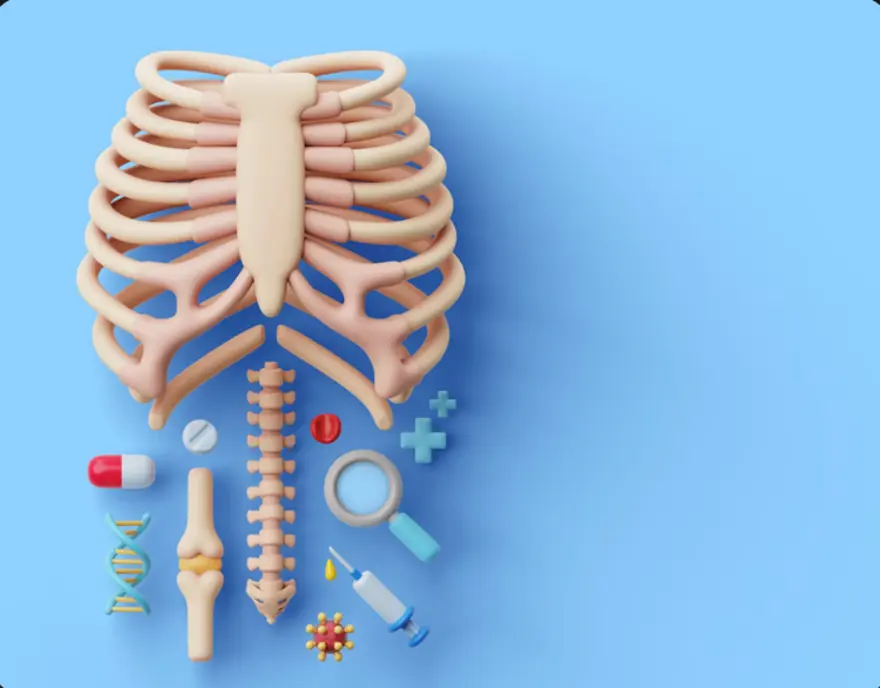
Table of Contents
- What is a Rib Fracture?
- Types of Rib Fractures
- How Common Are Rib Fractures?
- Who is More Prone to Rib Fractures?
- What Causes a Rib Fracture?
- Rib Fracture Symptoms
- How is a Rib Fracture Diagnosed?
- Clinical Examinations & Imaging Tests to Identify a Rib Fracture
- Pain Management for Rib Fractures
- When is Surgery Needed?
- Typical Healing Time & Recovery Phases
- Complications to Watch For
- When to Seek Urgent Care or Emergency Room
- Living With a Rib Fracture: Daily Life & Activity
- How to Prevent Rib Fractures
- Conclusion
- FAQs
What is a Rib Fracture?
A rib fracture occurs when one or more of one or more of your 12 pairs of ribs crack or break completely. These curved bones form your chest wall, protecting vital organs like your heart and lungs from external damage. When a significant force impacts your chest, the resulting rib fracture can cause severe pain that worsens with breathing, movement, or coughing.
Your ribs are designed to flex slightly during normal breathing. However, excessive force from trauma, severe coughing, or underlying bone weakness can exceed their natural flexibility, resulting in a fracture. The middle ribs (ribs 4-10) are most commonly affected, as they bear the brunt of direct impacts while lacking the protection offered by surrounding muscles and bones.
Types of Rib Fractures
• Simple fracture: A single crack in one rib without bone displacement, typically healing well with conservative treatment
• Multiple fractures: Two or more ribs broken simultaneously, increasing the risk of complications and requiring closer medical monitoring
• Flail chest: Three or more adjacent ribs fractured in multiple places, resulting in a free-floating chest segment that moves paradoxically during breathing
• Stress fracture: Develops gradually from repetitive strain, commonly seen in athletes like rowers or golfers
• Pathologic fracture: Occurs due to underlying bone weakness from conditions like osteoporosis, cancer, or metabolic disorders
• Floating rib fracture: Affects ribs 11 and 12, which do not connect to the breastbone, often causing less severe symptoms
How Common Are Rib Fractures?
• Rib fractures affect approximately 10% of all trauma patients and up to 40% of those with chest (thoracic) trauma
• Approximately 50% of motor vehicle accident victims sustain rib fractures, making them extremely common in trauma centers worldwide
• In India, rib fractures are frequent in high-impact road traffic injuries, as published by a study in the International Journal of Orthopaedics Sciences
• Age plays a crucial role, with elderly patients experiencing higher mortality and morbidity rates compared to younger individuals
Who is More Prone to Rib Fractures?
Older adults are particularly vulnerable due to age-related bone weakening from osteoporosis, making even minor falls sufficient to cause fractures. Their bones become more brittle and less flexible over time, requiring less force to break.
Younger people typically sustain rib fractures from high-impact trauma such as sports injuries, vehicle collisions, or falls from significant heights. Athletes participating in contact sports such as rugby, football, or martial arts face an elevated risk due to direct impacts to the chest. Additionally, individuals with underlying conditions that weaken bones, such as cancer or prolonged steroid use, may experience fractures from relatively minor incidents.
What Causes a Rib Fracture?
• Blunt trauma: Motor vehicle accidents, particularly steering wheel or seatbelt impacts, represent the leading cause in adults
• Falls: Especially significant in elderly patients, where even falls from standing height can result in fractures
• Sports injuries: Direct impacts during contact sports or falls during activities like cycling or skiing
• Assault: Physical violence resulting in direct impacts to the chest
• Severe coughing: Prolonged, forceful coughing from conditions such as pneumonia or chronic obstructive pulmonary disease (COPD) can occasionally cause stress fractures
Who is at Higher Risk?
Elderly individuals with osteoporosis face significantly higher risks, with even minor falls potentially causing fractures. Athletes engaged in contact sports or repetitive activities face elevated risks from both acute trauma and stress fractures. People with bone-weakening conditions such as cancer, those undergoing chemotherapy, or individuals requiring CPR are also particularly vulnerable to rib fractures.
Rib Fracture Symptoms
• Sharp, severe pain at the fracture site that intensifies with deep breathing, coughing, or movement
• Chest wall tenderness when touching or pressing the affected area
• Difficulty breathing or shortness of breath, particularly during deep inspiration
• Bruising or swelling around the injury site, often appearing hours after the initial trauma
• Crepitus: A grating sensation or sound when the broken bone ends rub together
• Paradoxical chest movement in severe cases, like flail chest, where part of the chest moves inward during inspiration
How is a Rib Fracture Diagnosed?
- Medical history assessment: Your doctor will ask about recent trauma, accident details, pain characteristics, and any breathing difficulties you're experiencing
- Physical examination: This includes checking for chest wall tenderness, bruising, abnormal movement, and listening to your breathing sounds
- Imaging studies: X-rays are typically the first imaging test, though they may miss subtle fractures; CT scans provide more detailed views and can identify complications
- Vital signs monitoring: Checking for signs of respiratory distress, rapid heart rate, or low oxygen levels that might indicate complications
Clinical Examinations & Imaging Tests to Identify a Rib Fracture
• Physical examination: Includes palpation for bony tenderness, assessment of breathing patterns, and checking for signs of internal injury
• Chest X-rays: Standard initial imaging that can identify most rib fractures, though some subtle breaks may not be visible immediately
• CT scans: The gold standard for detecting multiple fractures, assessing complications like pneumothorax, and evaluating internal organ damage
• Ultrasound: Increasingly used as a bedside tool for quick fracture detection in emergencies.
• MRI scans: Reserved for specific cases, particularly stress fractures in athletes, where other imaging appears normal
• Blood tests: A complete blood count (CBC) and inflammatory markers such as CRP or ESR may help identify complications like pneumonia or internal bleeding
Pain Management for Rib Fractures
Effective pain management is crucial for broken rib treatment, as inadequate pain control can lead to shallow breathing and subsequent complications like pneumonia. The primary goal is controlling pain sufficiently to allow normal breathing patterns and mobility while the bone heals naturally.
Most rib fractures heal successfully with conservative management focused on pain relief and breathing exercises.
• Ice therapy: Apply ice packs wrapped in cloth for 15-20 minutes several times daily during the first 48-72 hours
• Positioning: Sleep with your upper body elevated or lean forward while sitting to ease breathing discomfort
• Breathing exercises: Use incentive spirometry devices to maintain lung expansion and prevent complications
Home Care & Supportive Measures
• Rest and activity modification: Avoid strenuous activities that strain your chest, but maintain gentle movement to prevent stiffness
• Regular ice application: Continue applying ice for the first few days to reduce swelling and numb pain
• Breathing exercises: Perform deep breathing exercises hourly while awake to expand your lungs and prevent atelectasis
• Supportive pillows: Use pillows to support your chest when coughing, sneezing, or changing positions
• Gradual activity increase: Slowly resume normal activities as pain permits, listening to your body's signals
Medications & Therapies for Pain
Paracetamol and ibuprofen serve as first-line treatments for mild to moderate pain, while prescription opioids may be necessary for short-term severe pain management. For hospitalised patients with multiple fractures, epidural analgesia or intercostal nerve blocks can provide excellent pain relief while facilitating proper breathing patterns and early mobilisation.
When is Surgery Needed?
Surgery for rib fractures is relatively uncommon but may be required in specific situations. Surgical stabilisation may be required for flail chest injuries, where multiple ribs are fractured in various places, causing a free-floating chest segment. Other indications include nonunion (failure to heal), persistent pain contributing to respiratory compromise or failure, significant chest wall deformity, or failure of conservative management after several weeks.
Typical Healing Time & Recovery Phases
• Acute phase (1-2 weeks): Pain peaks during this period; focus remains on pain control and maintaining proper breathing patterns
• Healing phase (3-6 weeks): Bone callus formation begins, pain gradually decreases, and you can slowly return to light activities
• Consolidation phase (6-8 weeks): Most fractures achieve solid healing; gradual return to normal activities becomes possible
• Full recovery (8-12 weeks): Complete bone remodelling occurs, though some residual discomfort may persist in complicated cases
How Long Does Pain Last?
Pain typically peaks during the first one to two weeks after a rib fracture, then gradually improves as the bone begins to heal. Most patients experience significant pain relief by 4-6 weeks, though complete resolution may take 6-8 weeks or longer. Multiple fractures or complications can extend the pain duration considerably, sometimes requiring several months for full resolution.
Complications to Watch For
• Pneumonia: Caused by shallow breathing patterns due to pain, leading to inadequate lung expansion and secretion clearance
• Pneumothorax: Occurs when a broken rib punctures the lung, causing lung collapse and requiring emergency treatment
• Flail chest: Creates paradoxical chest wall movement that can severely compromise breathing
• Internal organ damage: Sharp bone fragments may injure nearby organs like the spleen, liver, or major blood vessels
• Chronic pain syndrome: Persistent pain lasting months beyond the expected healing time, potentially requiring specialised treatment
When to Seek Urgent Care or Emergency Room
- Severe breathing difficulty: Rapid, shallow breathing, inability to take deep breaths, or feeling like you can't get enough air
- Signs of pneumothorax: Sudden worsening chest pain, severe shortness of breath, or bluish discoloration of lips or fingernails
- Coughing up blood: Any blood in sputum could indicate lung injury or other internal damage
- Signs of infection: Fever, worsening cough with coloured sputum, or increasing chest pain after initial improvement
- Paradoxical chest movement: Any portion of your chest moving inward during inspiration suggests flail chest
- Severe pain unrelieved by medication: Pain that doesn't respond to prescribed medications may indicate complications
Living With a Rib Fracture: Daily Life & Activity
Avoid bending, lifting heavy objects, or twisting movements that may strain your chest. Sleep in a semi-upright position using multiple pillows for support, and keep additional pillows nearby to brace your chest during coughing episodes. Gradually resume light activities like walking after 1-2 weeks, but avoid sports or heavy physical work until 6-8 weeks post-injury or until your doctor provides clearance.
How to Prevent Rib Fractures
• Vehicle safety: Always wear seatbelts and ensure proper airbag function; avoid driving under the influence
• Sports protection: Use appropriate protective equipment during contact sports and follow proper techniques
• Fall prevention: Install grab bars, improve lighting, and remove trip hazards in homes, especially for elderly residents
• Bone health maintenance: Ensure adequate calcium and vitamin D intake, and discuss osteoporosis screening with your healthcare provider
• Regular exercise: Maintain bone density through weight-bearing activities and strength training as appropriate for your age and health status
Conclusion
Understanding rib fracture symptoms, treatment options, and healing expectations empowers you to navigate recovery confidently. Most rib fractures heal successfully within 4-6 weeks through careful pain management, breathing exercises, and gradual activity resumption. However, recognising complications like pneumonia, pneumothorax, or flail chest ensures you seek timely medical care when needed.
Prevention strategies, particularly fall prevention among older adults and protective equipment use in sports, can help reduce future fracture risk. If you suspect a rib fracture, don't hesitate to seek medical evaluation for proper diagnosis and treatment planning.
At Metropolis Healthcare, we understand that accurate diagnosis forms the foundation of effective rib fracture management. With over 4,000 advanced tests and a robust network spanning 10,000+ touchpoints across India, we provide comprehensive diagnostic services that support your healthcare journey. Our home sample collection service ensures you can access essential blood tests and health check-ups conveniently, even during recovery when mobility may be limited.
FAQs
Is a rib fracture curable?
Yes, most rib fractures heal completely within 4-6 weeks through rest, pain management, and breathing exercises. Surgery is rarely needed for simple fractures.
How long until I can breathe normally?
Pain typically limits deep breathing for 1-2 weeks, but normal breathing patterns usually return within 4-6 weeks as healing progresses steadily.
Can you work or exercise with a broken rib?
Light desk work may resume soon after injury, but avoid exercise or physical labour for 4-6 weeks until pain-free and approved by a doctor.
What increases the risk of complications?
Multiple fractures, flail chest, advanced age, shallow breathing patterns, or underlying lung diseases like COPD significantly increase complication risks, including pneumonia.
What pain relief medication is safe at home?
Paracetamol or ibuprofen are generally safe options, combined with ice packs and supportive pillows. Avoid strong opioids without medical supervision.