Home Visit
 Upload






Preventive Healthcare
How Many Calories in Poha? Benefits And Nutritional Facts Explained
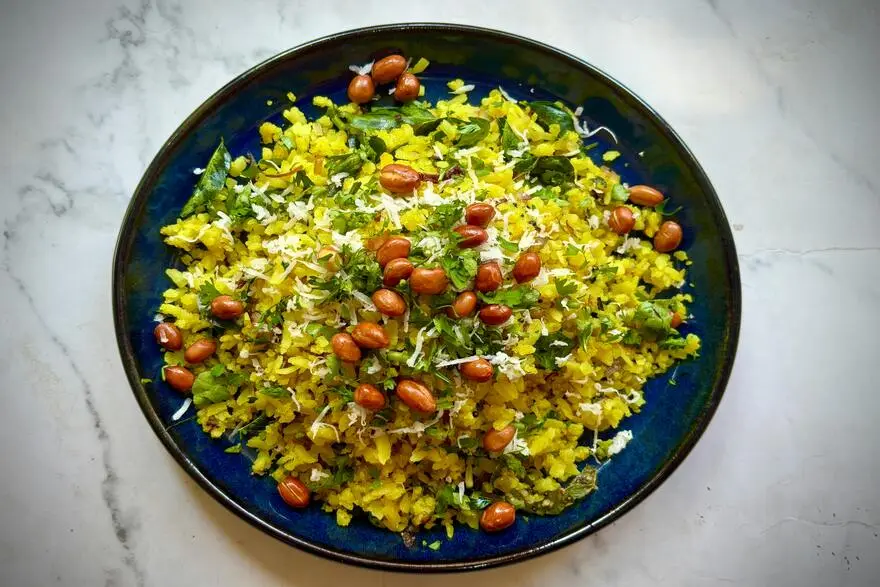
Table of Contents
- What Is Poha?
- Poha Calories & Nutrition Facts
- Poha Calories Per 100 g
- Macronutrients in Poha
- Top Benefits of Poha
- How to Add Poha to Your Diet?
- Is Poha Good for Weight Loss?
- Poha Recipe Guide: Fast, Flavourful, and Nutritious
- When Is the Best Time to Eat Poha?
- How to Make Poha Healthier?
- Is Poha at Night Bad for Health?
- Conclusion
- FAQs
Do you often find yourself curious about how many calories are in poha and if it really fits into your healthy routine? It’s natural to seek clarity when making food choices that matter to you and your loved ones. Poha is a simple, wholesome dish enjoyed by many, yet its nutritional profile can feel confusing.
Here, you will uncover the calorie count, benefits, and essential nutritional facts about poha, so you can enjoy it with ease, knowing exactly what it brings to your plate.
What Is Poha?
Poha is flattened rice that becomes soft when soaked and cooked with simple spices, vegetables, and herbs. It is known for being light, easy to digest, and quick to prepare, which makes it a regular choice for breakfast or a light meal.
Many people enjoy it because it feels filling without being heavy. Beyond taste and convenience, the nutritional value of poha makes it an interesting option for those paying attention to their overall health.
Poha Calories & Nutrition Facts
When you consider poha's calories, it’s reassuring to know that the dish is generally considered a low- to moderate-calorie option. It provides energy without overwhelming your diet, especially when combined with vegetables and light seasonings.
At the same time, poha brings a mix of carbohydrates, some protein, and small amounts of fibre, iron, and essential vitamins. While it is not the richest source of protein, its gentle nutritional profile makes it a balanced meal for everyday eating.
Poha Calories Per 100 g
If you’re curious about poha's calories per 100 g, the numbers give you a clear picture. One hundred grams of uncooked poha typically contains a modest amount of calories, making it easier to include in a daily routine without guilt.
Here’s a simple breakdown of poha calories per 100 g along with other values:
|
Nutrient |
Amount (per 100 g) |
|
Calories |
350 kcal |
|
Carbohydrates |
76 g |
|
Protein |
6.7 g |
|
Fat |
1.1 g |
|
Fibre |
1.0 g |
|
Potassium |
50–170 mg |
|
Magnesium |
40 mg |
|
Iron |
20 mg |
|
Calcium |
13 mg |
This table highlights poha's benefits and why it is seen as a filling meal, yet not too heavy.
Macronutrients in Poha
Understanding the macronutrients in poha helps you see how it fits into your diet. While the poha's nutritional value varies slightly by preparation, the overall structure remains simple and light.
- Carbohydrates: Poha is primarily carbohydrate-rich, giving you sustained energy for hours. This makes it suitable for mornings or midday meals.
- Protein: Though not very high, poha does provide some protein. Adding peas, nuts, or yoghurt can improve the protein balance.
- Fat: Very low in fat, poha allows you to control oil use when cooking, keeping it heart-friendly.
- Fibre: Small amounts of fibre help digestion. Including vegetables like carrots, beans, or spinach boosts fibre content.
- Micronutrients: Iron in poha is particularly useful if you need support for healthy haemoglobin levels. Adding lemon juice during cooking also helps absorb iron better.
Top Benefits of Poha
Poha is more than just a quick meal. The poha's benefits go beyond convenience and taste, offering reassurance in daily health choices.
- Easily digestible: Its light texture is gentle on the stomach, making it safe even if you are worried about heaviness or discomfort.
- Sustained energy: Carbohydrates in poha release energy gradually, helping you stay active without sudden spikes or crashes.
- Iron content: Useful for supporting overall vitality, especially when combined with vitamin C foods like lemon.
- Low-fat: With very little fat, it keeps your meals lighter while still satisfying hunger.
- Versatility: You can prepare poha with vegetables, nuts, or spices, creating variety while keeping nutrients intact.
- Satiety: Despite the moderate calories in poha, it helps you feel full and prevents overeating.
- Gentle for children and elders: Because it’s soft and mild, poha suits people of all ages, including those who prefer lighter meals.
These health benefits of poha make it a reliable addition to your daily diet.
How to Add Poha to Your Diet?
Including poha in your meals is easy because it adapts well to different flavours and cooking styles. You can enjoy its nutritional goodness while keeping meals simple.
- Breakfast: Poha works beautifully as a morning dish, offering energy without heaviness. Add vegetables like peas, onions, and carrots for extra nutrition.
- Mid-day snack: If you need a light option between meals, a small bowl of poha keeps hunger away.
- Side dish: You can serve poha alongside yoghurt or salads to balance flavours and nutrition.
- Protein boost: Adding peanuts, paneer, or sprouts makes poha richer in protein.
- Creative twists: Some people prepare a sweet version with milk and jaggery, turning poha into a nourishing dessert.
- Meal prep: Because it’s quick to cook, poha can be made in batches and kept handy for busy days.
Experimenting with a healthy poha recipe helps you maintain balance while still enjoying variety.
Is Poha Good for Weight Loss?
If you’re thinking about poha for weight loss, the answer is encouraging. With moderate calories and low fat in poha, it is suitable for people trying to manage their weight.
- Low-calorie base: Poha doesn’t overload your calorie count. So it easily fits into controlled diets.
- Keeps you full: It fibre and carbohydrates offer satiety, reducing the urge for unnecessary snacking.
- Customisable: Adding vegetables keeps it filling without increasing calories significantly.
- Portion-friendly: Measuring your servings helps you stay consistent with calorie goals.
While poha alone won’t guarantee weight loss, it plays a supportive role when paired with a balanced diet and activity.
Poha Recipe Guide: Fast, Flavourful, and Nutritious
Cooking poha is quick, making it appealing if you value both health and convenience. A thoughtful recipe can bring together taste and nourishment.
- Basic method: Rinse poha gently, drain water, and keep aside. Sauté onions, green chillies, and spices in a pan. Add vegetables like peas or carrots. Mix in the soaked poha, season lightly, and finish with lemon juice.
- Protein-packed version: Include roasted peanuts, paneer cubes, or sprouts for extra protein.
- Kids’ version: Add colourful vegetables like corn and capsicum to make it attractive and nutritious.
- Quick fix: If you’re short on time, keep it simple with onions, curry leaves, and lemon.
- Balanced serving: Pair with curd or a boiled egg for a wholesome plate.
This makes any healthy poha recipe versatile and enjoyable for everyone.
When Is the Best Time to Eat Poha?
Morning hours are often considered an ideal time for enjoying poha. The moderate calories in poha provide energy for daily activities without causing heaviness.
It also makes sense as a light evening snack. Eating poha later in the day can help you manage hunger gently, preventing you from overeating during dinner. This balance is especially comforting when you want something filling but light.
How to Make Poha Healthier?
Poha already offers a reassuring balance of taste and lightness, but small changes can make it even healthier. Using minimal oil and including more vegetables enhances the dish without adding unnecessary calories.
Another idea is to pair poha with protein-rich sides, like yoghurt or sprouts. This balances macronutrients and improves satiety. Adding fresh herbs, spices, and a squeeze of lemon also boosts both flavour and nutrition. With these tweaks, the poha's nutritional value is enhanced, making it more appealing.
Is Poha at Night Bad for Health?
It’s common to wonder whether eating poha at night is unhealthy. The good news is that limited calories in poha make it safe to eat at night, especially if you want something light before bedtime. Its easy digestibility ensures comfort and restful sleep.
However, if you prefer heavier meals late in the evening, poha might leave you hungry sooner. In that case, pairing it with yoghurt, soup, or a small salad can make it more filling. Ultimately, it depends on your comfort and preference.
Conclusion
Choosing poha as part of your daily meals is a simple way to enjoy light, nourishing food while keeping track of your calorie intake. With its balanced nutrition, poha supports energy, digestion, and overall wellness without weighing you down.
For deeper insights into your body’s health and nutritional needs, it’s wise to rely on trusted diagnostics—Metropolis Healthcare offers accurate tests and comprehensive health packages to guide you confidently.
FAQs
Is poha ok for weight loss?
Yes, poha is good for weight loss, as it’s light, low in fat, provides satiety, and supports portion-controlled eating when paired with vegetables.
Is poha a carb or protein?
Poha is primarily a carbohydrate-rich food, offering sustained energy. It has small amounts of protein, which can be enhanced by adding peanuts, sprouts, or yoghurt.
Is poha better than roti?
Poha is lighter and easier to digest than roti. It’s lower in fat, quick to prepare, and offers moderate calories, supporting balanced everyday meals.
How many calories are in 2 cups of cooked poha?
Two cups (about 200 g cooked) poha contain ~300–350 calories, depending on oil and ingredients, depending on the oil and ingredients used. Adding vegetables keeps it filling while still being calorie-friendly.
Is poha gluten-free?
Yes, poha is naturally gluten-free, as it’s made from flattened rice. It’s safe for people with gluten sensitivity or coeliac disease when prepared carefully.