Home Visit
 Upload






Preventive Healthcare
Plum Fruit Benefits: A Nutrient-Packed Superfood for Better Health
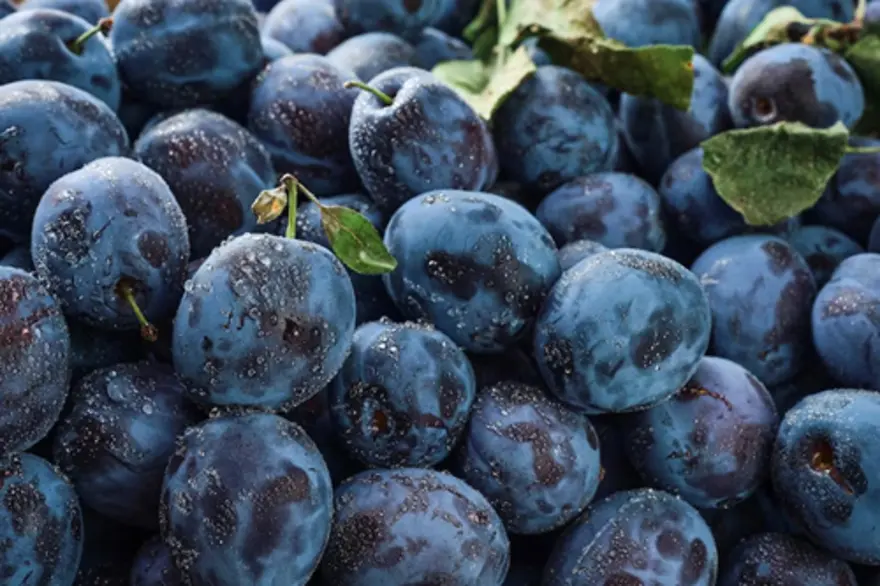
Table of Contents
Looking for a natural way to support your health and well-being? Plums are more than just a sweet, juicy fruit—they’re packed with nutrients that may help you feel better, inside and out. Whether you're aiming to support digestion, improve energy, or simply eat healthier, understanding plum benefits can guide your choices.
This small fruit holds a range of vitamins, antioxidants, and fibre that work gently with your body. With just a few added to your routine, you might notice a real difference in how you feel each day.
What are Plums?
Plums are small, round fruits that come in a variety of colours, including deep purple, red, and yellow. You might recognise them for their juicy texture and sweet-tart flavour. These fruits grow on trees and belong to the same family as peaches and cherries. You can eat them fresh, dried (known as prunes), or even cooked in recipes.
What makes plums especially appealing is not just their taste but their impressive nutrient profile. They’re rich in vitamins, minerals, and antioxidants that can support your health in a gentle yet effective way. If you’re looking for a natural, comforting food to include in your diet, plums are a great option.
Whether you’re trying to care for your digestive health, boost energy, or just eat more mindfully, understanding plum fruit benefits can offer valuable guidance. Adding plums to your meals can be a simple and enjoyable step towards better well-being.
Nutritional Value of Plums
Plums may be small, but they pack in a variety of nutrients your body can benefit from. They’re low in calories and contain a good mix of essential vitamins and minerals.
|
Nutrient |
Approx. Amount (per 100g) |
|
Calories |
46 kcal |
|
Fibre |
1.4 g |
|
Vitamin C |
9.5 mg |
|
Vitamin A |
17 µg |
|
Vitamin K |
6.4 µg |
|
Potassium |
157 mg |
|
Antioxidants |
Rich in polyphenols |
These nutrients work together to support your immune function, heart health, digestion, and more.
Types of Plums
There are many varieties of plums available, each with its own colour, taste, and texture. Some are better for eating fresh, while others are ideal for cooking or drying. Knowing the types can help you choose the one that best suits your needs.
- Black Plums: These have dark purple to almost black skin and yellow flesh. They are juicy and sweet, often eaten fresh or used in desserts. Rich in antioxidants, they support overall wellness.
- Red Plums: With reddish skin and flesh, these plums are sweet with a slightly tart bite. They're great in salads or enjoyed as a refreshing snack.
- Yellow Plums: These are milder in taste and have a golden-yellow colour. They’re usually firmer and can be cooked into jams or sauces with ease.
- Green Gage Plums: These are small, green, and incredibly sweet. They're often used in baking or preserves and are high in natural sugars and nutrients.
- Damson Plums: Smaller and more tart, damsons are ideal for jams, jellies, and cooking. They’re known for their strong flavour and deep colour.
- Prunes (Dried Plums): These are dried versions of specific plum types. They’re commonly used to support digestive health thanks to their natural laxative properties.
Choosing from these types allows you to enjoy a variety of flavours and health perks, tailored to how you prefer to eat them.
11 Health Benefits of Plums & and Prunes
Plums offer more than just good taste. Their nutrients and plant compounds work gently with your body, making them a valuable part of your wellness journey. Here are 11 health benefits of plum fruit:
- Supports digestion: Plums are a good source of fibre and sorbitol, a natural sugar alcohol that helps soften stools and ease digestion.
- Rich in antioxidants: They’re packed with polyphenols that may protect your cells from oxidative stress, helping to reduce inflammation.
- Improves heart health: Their potassium content supports heart rhythm and may help manage blood pressure when included in a balanced diet.
- Supports blood sugar control: Despite being sweet, plums have a low glycaemic index and may support stable blood sugar levels.
- Boosts immune function: Vitamin C in plums plays a key role in supporting your immune system, helping your body defend against illness.
- May improve bone health: Some studies suggest that compounds in prunes may help slow bone loss, particularly important as you age.
- Aids weight management: Low in calories and high in fibre, plums can keep you feeling full, making them helpful if you’re watching your weight.
- Supports eye health: Plums contain Vitamin A, which is essential for vision and may help prevent age-related eye concerns.
- May help improve memory: Some studies point to the benefits of antioxidants in plums for brain health and cognitive function.
- Good for your skin: The antioxidants and Vitamin C in plums may promote clearer, more radiant skin. Plum fruit benefits for skin include improved hydration, reduced inflammation, and support for collagen production.
- Natural energy boost: Their natural sugars combined with vitamins can give you a quick energy lift without the crash.
Including plums regularly in your diet is a simple, nourishing way to support your health and feel your best.
Side Effects of Eating Plums
While plums are generally safe and healthy, it’s good to know how your body might respond, especially if you’re introducing them into your diet for the first time. These effects are usually mild and preventable.
- Digestive discomfort: Eating too many plums or prunes may lead to bloating or loose stools due to their fibre and sorbitol content. Start with small amounts and observe how your body reacts.
- Allergic reactions: Although rare, some people may have allergies to stone fruits, including plums. Look out for signs such as itching, swelling, or difficulty breathing, and seek medical advice if needed.
- May interact with medications: Plums are high in Vitamin K, which could interfere with blood-thinning medications. If you’re on such treatment, speak with your doctor before increasing intake.
- Natural sugars: While plums have health benefits, they also contain natural sugars. If you have diabetes or are monitoring sugar intake, enjoy them in moderation.
- Risk of tooth enamel erosion: The natural acids in plums may contribute to enamel wear over time. Rinse your mouth with water after eating or include them with meals.
- Kidney concerns: People with kidney issues may need to watch potassium intake, as plums are a moderate source. Check with your healthcare provider if unsure.
Being mindful of these points allows you to enjoy the many plum benefits while keeping your body’s needs in balance.
5 Different Ways to Use Plums
Plums are wonderfully versatile and can be enjoyed in a range of simple, wholesome ways. Whether you're craving something sweet or looking for a nourishing snack, plums can be a lovely addition to your daily routine.
- Eat them fresh: Simply wash and bite into a ripe plum for a quick, refreshing snack. You’ll get the full flavour and the best of plum fruit benefits in their natural state.
- Make a plum compote or jam: Cook plums with a little honey or cinnamon to create a delicious topping for porridge, yoghurt, or toast. It's a gentle way to enjoy their sweetness while still gaining fibre and vitamins.
- Add to smoothies: Blend plums with banana, oats, and a splash of milk or yoghurt for a soothing drink that supports digestion and energy.
- Use in salads: Slice plums and mix with greens, nuts, and cheese for a satisfying mix of textures and nutrients. It’s a simple way to enjoy the health benefits of plum fruit during lunch or dinner.
- Bake with plums: From crumbles to muffins, baked dishes with plums provide comfort and nourishment. They retain many nutrients even when cooked, making this a cosy, health-friendly option.
Using plums in different ways helps you enjoy their taste and health properties throughout the week, making them a truly adaptable and comforting food choice.
Conclusion
Including plums in your daily routine is a simple, natural way to support your health and well-being. From aiding digestion to boosting skin health, the plum fruit benefits are both comforting and effective.
If you're looking to track how your diet supports your body, regular health check-ups can help. For trusted diagnostics and expert care, consider Metropolis Healthcare—a reliable partner in your health journey.
FAQs
Can I eat plums every day?
Yes, you can enjoy plums daily in moderation for fibre, antioxidants, and gentle support for digestion.
Are plums a superfood?
Yes, plums are often considered a superfood due to their rich nutrients, antioxidants, and health-supporting properties.
Can I eat plums with diabetes?
Yes, in moderation. Plums have a low glycaemic index and may help support blood sugar stability when managed properly.
Do plums detox your body?
Plums support natural detoxification gently through antioxidants and fibre, helping your body eliminate waste more efficiently.
Is plum good for weight loss?
Yes, plums are low in calories and high in fibre, which helps control hunger and supports weight management.