Home Visit
 Upload






Preventive Healthcare
Plant-Based vs. Vegan Diet: Key Differences Explained
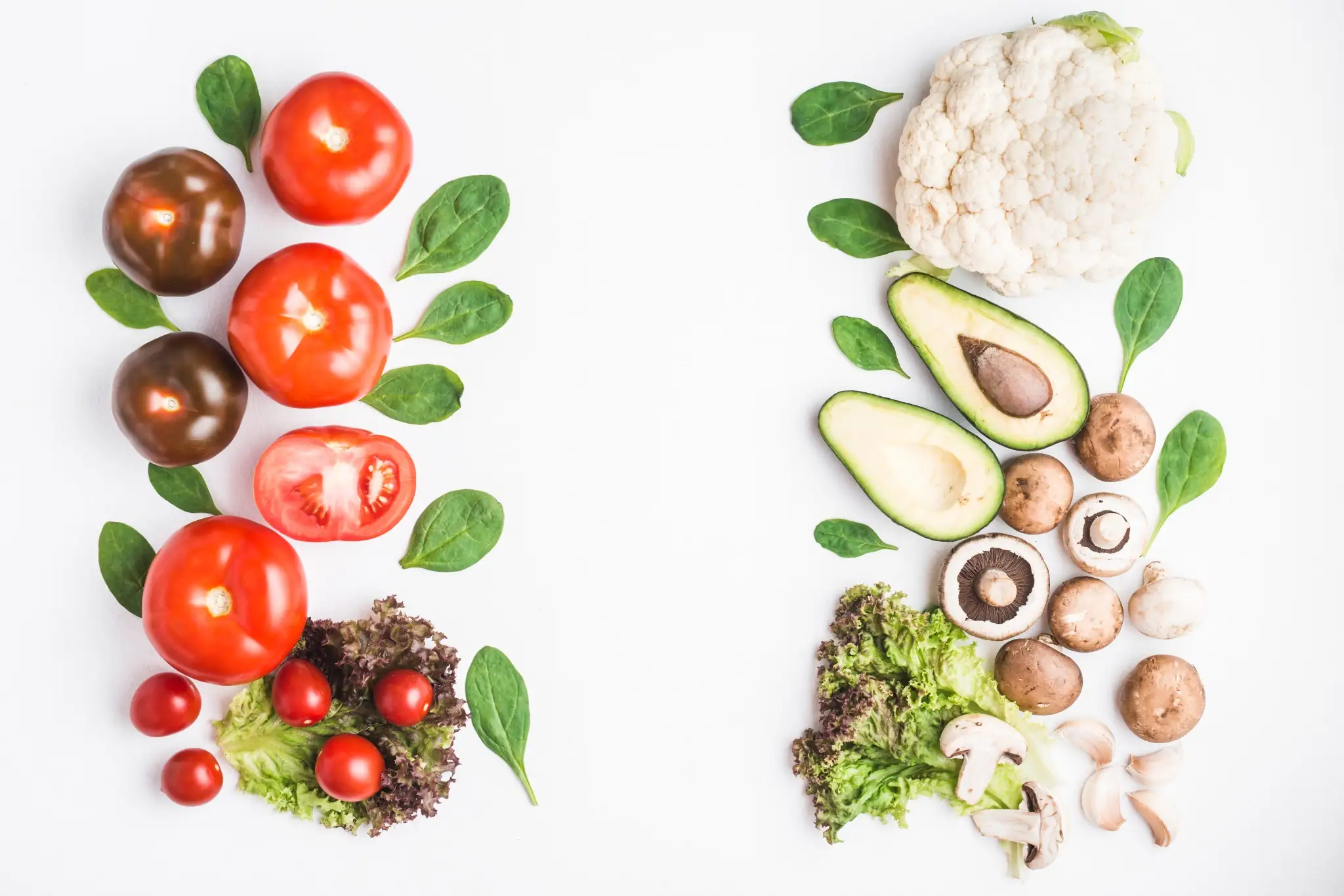
Table of Contents
- Overview of Plant-Based and Vegan Diets
- What Is a Plant-Based Diet?
- What Is a Vegan Diet?
- Plant-Based vs. Vegan Diet: Key Differences
- Foods Allowed & Restricted: Plant-Based vs. Vegan Diet
- Types of Plant-Forward Diets
- Nutritional Benefits of a Plant-Based Diet
- Health Benefits of a Vegan Diet
- Potential Risks & Nutrient Deficiencies
- Weight Loss Comparison: Vegan vs. Plant-Based Diets
- Which Diet Is More Flexible & Easy to Maintain?
- Impact on Environment & Sustainability
- Who Should Choose a Plant-Based Diet?
- Who Should Choose a Vegan Diet?
- Sample 7-Day Meal Examples: Plant-Based vs. Vegan
- Tips for Transitioning to a Plant-Based or Vegan Diet
- When to Consult a Nutritionist
- Conclusion
- FAQs
- References
Overview of Plant-Based and Vegan Diets
The difference between vegan and plant-based diets often confuses people, as both terms are frequently used interchangeably. However, these approaches differ significantly in scope, flexibility, and underlying motivations. A plant-based diet primarily focuses on what you eat, emphasizing foods derived from plants while allowing flexibility for occasional animal products. Veganism, conversely, represents a comprehensive ethical and lifestyle philosophy extending beyond diet to clothing, cosmetics, and consumer choices.
What Is a Plant-Based Diet?
A plant-based diet consists predominantly of foods derived from plants, including fruits, vegetables, whole grains, legumes, nuts, and seeds. The key characteristic of plant-based eating is its emphasis on minimally processed whole foods, while maintaining some flexibility regarding animal products.
Many people following plant-based diets adopt a whole-food, plant-based (WFPB) approach, which minimizes oils, refined grains, and highly processed foods.
What Is a Vegan Diet?
A vegan diet excludes all forms of animal products and by-products, such as meat, poultry, fish, dairy, eggs, and honey. The concept of “veganism” was formally introduced in 1944 by Donald Watson, co-founder of The Vegan Society in the UK, to describe individuals who avoid the use of animals for ethical reasons. Today, veganism encompasses not only dietary choices but also broader lifestyle decisions, influencing preferences in clothing, personal care items, and household products.
Plant-Based vs. Vegan Diet: Key Differences
|
Aspect |
Plant-Based Diet |
Vegan Diet |
|
Primary Focus |
Health-oriented dietary approach |
Comprehensive ethical lifestyle |
|
Animal Products |
Flexible; may include limited amounts depending on individual preference |
Completely eliminated |
|
Processed Foods |
The whole-food, plant-based approach limits processed items. |
May include processed vegan alternatives |
|
Philosophy |
Health and environmental focus |
Animal rights and ethical considerations |
|
Flexibility |
Spectrum of adherence levels |
Strict 100% plant-based requirement |
|
Lifestyle Scope |
Diet-focused only |
Extends to all consumer choices |
Foods Allowed & Restricted: Plant-Based vs. Vegan Diet
Plant-Based Diet Allowed Foods:
• Fruits and vegetables of all varieties
• Whole grains like brown rice, quinoa, oats
• Legumes, including lentils, beans, chickpeas
• Nuts, seeds, and their natural butters
• Herbs, spices, and natural seasonings
• Small amounts of animal products (depending on individual interpretation)
Plant-Based Diet Restricted Foods:
• Highly processed and refined foods
• Excessive oils and refined sugars
• Heavily processed meat alternatives
• Foods with artificial additives
Vegan Diet Allowed Foods:
• All plant-derived foods and beverages
• Processed vegan alternatives and substitutes
• Fortified plant-based milks, yogurts, and cereals
• Nutritional yeast and vegan supplements
Vegan Diet Restricted Foods:
• All meat, poultry, and seafood
• Dairy products, including milk, cheese, and yoghurt
• Eggs from any animal source
• Honey and other bee products
• Any ingredient derived from animals
Types of Plant-Forward Diets
• Whole Foods Plant-Based: Emphasises unrefined plant foods while excluding processed items and animal products.
• Flexitarian Diet: Mostly plant-based with occasional consumption of meat, dairy, or fish.
• Mediterranean Plant-Based: Combines traditional Mediterranean eating with increased plant food emphasis.
• Raw Vegan: Includes only uncooked, unprocessed plant foods.
• High-Carb, Low-Fat Vegan: Focuses on whole plant foods while minimizing fat intake
Nutritional Benefits of a Plant-Based Diet
• Reduced risk of cardiovascular disease through lower saturated fat consumption.
• Decreased likelihood of developing type 2 diabetes mellitus.
• Improved digestive health due to higher fiber intake.
• Enhanced weight management due to lower calorie density.
• Better blood pressure control and cholesterol levels.
• Increased antioxidant intake supporting cellular health.
Health Benefits of a Vegan Diet
• Comprehensive cardiovascular protection through complete elimination of animal-derived saturated fats.
• Significant reduction in type 2 diabetes risk.
• Potentially lower risk of colorectal and certain other cancers, according to observational studies.
• Improved kidney function and reduced kidney disease progression.
• Possible enhancement of cognitive health through higher intake of antioxidants and unsaturated fats.
• Better digestive health and gut microbiome diversity.
• Reduced inflammation markers throughout the body.
Potential Risks & Nutrient Deficiencies
Both dietary approaches require careful planning to ensure adequate nutrition. The difference between plant-based and vegan diet planning involves similar considerations regarding key nutrients that may be limited in plant-only eating patterns.
Possible enhancement of cognitive health through higher intake of antioxidants and unsaturated fats:
- Vitamin B12: Must be supplemented, as it is not naturally present in plant foods.
- Iron: Plant-based iron requires vitamin C for optimal absorption.
- Calcium: Strategic inclusion through fortified foods or supplements is necessary.
- Omega-3 Fatty Acids: Long-chain varieties are limited in plant sources.
- Vitamin D: Often requires supplementation, especially in areas with limited sunlight exposure.
- Zinc: Found in whole grains, legumes, and nuts, but absorption is lower compared to animal sources.
Weight Loss Comparison: Vegan vs. Plant-Based Diets
Plant-based diets focusing on whole foods typically promote weight loss through increased fibre intake and reduced calorie density. Vegan diets can sometimes include more processed foods, which may affect weight outcomes if consumed frequently depending on food choices. Studies suggest both approaches can be effective for weight management when emphasising whole, minimally processed plant foods.
Which Diet Is More Flexible & Easy to Maintain?
Plant-based diets generally offer greater flexibility and easier long-term adherence compared to strict vegan approaches. The spectrum nature of plant-based eating allows for gradual transition and greater social flexibility, making it easier to sustain long term.
Impact on Environment & Sustainability
• Both approaches significantly reduce environmental footprint compared to conventional diets.
• Plant-based eating requires fewer natural resources, including water and land usage.
• Reduced greenhouse gas emissions through decreased animal agriculture demand.
• Lower environmental pollution from agricultural runoff and waste.
• Supports biodiversity by reducing deforestation and habitat destruction linked to animal agriculture.
• Ethical eating considerations extend beyond personal health to global sustainability.
Who Should Choose a Plant-Based Diet?
• Individuals seeking improved health outcomes while maintaining dietary flexibility.
• People transitioning from conventional eating patterns who need gradual changes.
• Supports biodiversity by reducing deforestation and habitat destruction linked to animal agriculture.
• Individuals with social or cultural situations requiring occasional dietary adaptations.
• People wanting to reduce but not eliminate animal product consumption entirely.
Who Should Choose a Vegan Diet?
• Individuals motivated by animal welfare and ethical considerations.
• People seeking comprehensive lifestyle changes aligned with their values.
• Those comfortable with strict dietary boundaries and clear guidelines.
• Individuals willing to invest time in meal planning and understanding plant-based nutrition.
• People wanting to make the strongest environmental impact through dietary choices.
Sample 7-Day Meal Examples: Plant-Based vs. Vegan
|
Day |
Plant-Based |
Vegan |
|
Day 1 |
Breakfast: Poha + green tea Lunch: Brown rice, dal, steamed veggies Dinner: Grilled paneer + salad |
Breakfast: Vegan smoothie bowl Lunch: Chickpea–spinach curry + basmati rice Dinner: Baingan sabzi + roti (bajra/jowar) |
|
Day 2 |
Breakfast: Vegetable upma + chutney Lunch: Chapati, vegetable curry, curd |
Breakfast: Tofu bhurji Lunch: Vegetable stir-fry with tofu and brown rice Dinner: Lobia curry + roti (bajra/jowar) |
|
Day 3 |
Breakfast: Oats porridge + fruits Lunch: Daliya with mixed vegetables Dinner: Palak soup + multigrain toast |
Breakfast: Oatmeal with almond milk Lunch: Rajma + brown rice Dinner: Vegetable biryani + coconut chutney |
|
Day 4 |
Breakfast: Vegetable poha + green tea Lunch: Dal + brown rice + mixed sabzi Dinner: Roti + palak paneer + curd |
Breakfast: Poha with vegetables Lunch: Masoor dal + chapati + salad Dinner: Tofu vegetable curry + millet |
|
Day 5 |
Breakfast: Oatmeal + almonds + chia Lunch: Rajma + brown rice + greens Dinner: Chana masala + brown rice |
Breakfast: Chia pudding + fruit Lunch: Mix veg sabzi + brown rice Dinner: Tofu vegetable stir-fry + millet |
|
Day 6 |
Breakfast: Moong dal chilla + chutney Lunch: Vegetable pulao + curd Dinner: Lauki sabzi + dal + rotis |
Breakfast: Vegan idli + coconut chutney Lunch: Lobia curry + roti Dinner: Mixed vegetable curry + brown rice |
|
Day 7 |
Breakfast: Oats idli + tomato chutney Lunch: Chapati + mixed vegetable curry + dal Dinner: Light vegetable soup + multigrain toast |
Breakfast: Overnight oats + nuts Lunch: Chana masala + basmati rice Dinner: Rajma curry + vegetable pulao |
Tips for Transitioning to a Plant-Based or Vegan Diet
• Start gradually by replacing one meal daily with plant-based options.
• Focus on adding rather than restricting foods initially.
• Experiment with new recipes and cooking methods to maintain interest.
• Ensure adequate protein intake through varied legume, grain, and nut combinations.
• Plan meals ahead to prevent nutrient gaps and ensure convenience.
• Stock your pantry with plant-based staples and alternatives.
When to Consult a Nutritionist
Professional guidance becomes essential when considering significant dietary changes, particularly for people with existing health conditions, pregnant or breastfeeding women, children, or older adults. A qualified nutritionist can help assess your individual needs, plan balanced meals, and recommend appropriate supplements.
Conclusion
Understanding the difference between plant-based and vegan diet approaches empowers you to make informed nutritional decisions aligned with your health goals and values. Both dietary patterns offer significant health benefits, from improved heart health to better weight management, when properly planned and implemented.
The plant-based vs. vegan choice ultimately depends on your personal motivations, lifestyle preferences, and commitment level. Whether you're drawn to the flexibility of plant-based eating or the comprehensive ethical approach of veganism, both paths can support optimal health when nutritionally balanced.
At Metropolis Healthcare, we support your wellness journey with comprehensive health monitoring through our extensive portfolio of over 4,000 tests and profiles. Our convenient home sample collection service, available across 10,000+ touchpoints throughout India, makes tracking your nutritional status simple and accessible.
FAQs
Is a plant-based diet healthier than a vegan diet?
Both approaches offer significant health benefits when properly planned, with plant-based diets potentially allowing more flexibility in meeting nutritional needs through occasional animal products.
Can you eat meat on a plant-based diet?
Plant-based diets exist on a spectrum, with some interpretations allowing occasional small amounts of animal products while emphasising predominantly plant foods.
Is a vegan diet good for weight loss?
Yes, vegan diets can effectively support weight loss through increased fibre intake, lower calorie density, and reduced consumption of high-calorie animal products.
What foods are not allowed on a vegan diet?
• All meat, poultry, and seafood products
• Dairy products, including milk, cheese, butter, yoghurt
• Eggs from any animal source
• Honey and other bee-derived products
• Gelatin and other animal-derived ingredients
Can athletes follow a plant-based or vegan diet?
Yes, many successful athletes thrive on plant-based or vegan diets with proper planning to ensure adequate protein, iron, and energy intake.
Can a vegan diet be unhealthy?
Like any dietary approach, vegan diets can be unhealthy if dominated by processed foods, lacking variety, or inadequately planned regarding essential nutrients.
Do you need supplements on a vegan diet?
A vegan diet may require the support of supplements if nutritional deficiencies are observed, such as
• Vitamin B12 supplementation is essential for everyone following a vegan diet.
• Vitamin D supplementation may be necessary depending on sunlight exposure and latitude
• Omega-3 supplements derived from algae (providing DHA and EPA)
• Iron supplements may be required if deficiency is confirmed through testing
• Calcium supplements if intake is inadequate through food sources
References
- https://www.ncbi.nlm.nih.gov/pmc/articles/PMC3967195/
- https://worldveganorganisation.org/History/WorldVeganism
- https://www.who.int/news-room/fact-sheets/detail/healthy-diet
- https://www.heart.org/en/healthy-living/healthy-eating/eat-smart/nutrition-basics/vegetarian-vegan-and-meals-without-meat
- https://pmc.ncbi.nlm.nih.gov/articles/PMC10516628/