Home Visit
 Upload






Preventive Healthcare
PTH Test: Diagnosing Parathyroid and Calcium Disorders
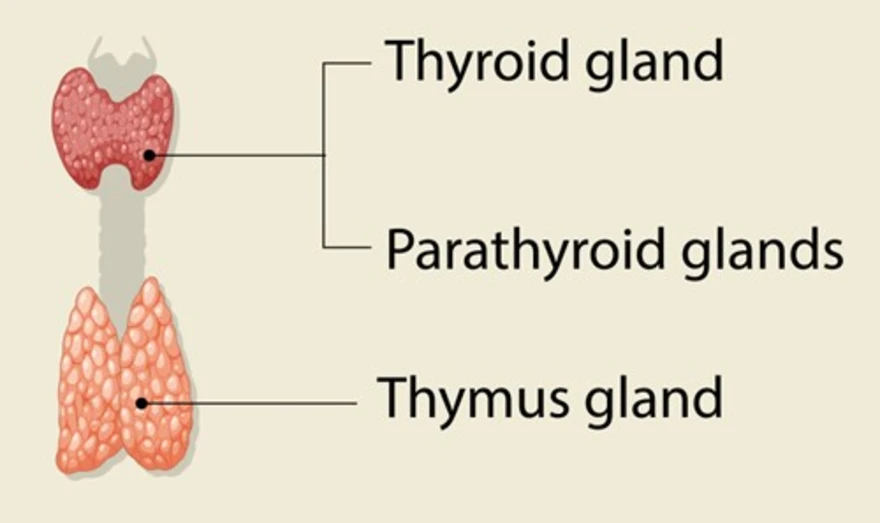
Table of Contents
- What Is the Parathyroid Hormone (PTH) Test?
- Why Is the PTH Test Important?
- What Conditions Does the PTH Test Diagnose?
- How Is the Parathyroid Hormone Test Conducted?
- Preparing for a PTH Test
- What Causes Abnormal PTH Levels?
- Symptoms of Abnormal PTH Levels
- When Should You Get a Parathyroid Hormone Test?
- What Are the Risks of the PTH Test?
- How to Interpret PTH Test Results
- Related Tests and Procedures
- Prevention: How to Maintain Healthy Parathyroid and Calcium Levels
- Post-Test Care and Follow-Up
- Conclusion
- FAQs
What Is the Parathyroid Hormone (PTH) Test?
The PTH test is a blood test that measures the amount of parathyroid hormone (PTH) circulating in your blood. This hormone is produced by four parathyroid glands located in your neck, just behind your thyroid gland. These small glands play a crucial role in regulating calcium balance in your body.
PTH works in coordination with calcium, phosphorus, and vitamin D to maintain normal calcium balance in your blood and bones. According to MedlinePlus, when calcium levels drop, the parathyroid glands release more PTH, which increases calcium release from bones, absorption from the intestines, and reabsorption from the kidneys. Conversely, when calcium levels rise, PTH secretion decreases to restore balance.
The PTH blood test provides doctors with essential information about how well your parathyroid glands are functioning and whether your calcium metabolism is working properly.
Why Is the PTH Test Important?
The PTH test acts as an early indicator of several underlying health conditions that might otherwise go undetected. Abnormal PTH levels can indicate parathyroid disease, chronic kidney disease, severe vitamin D deficiency, and various bone disorders, including osteoporosis. Since parathyroid hormone tightly controls calcium release from bones, absorption from the digestive system, and elimination through urine, imbalanced levels can lead to significant health problems.
Without timely diagnosis, conditions such as hyperparathyroidism can lead to bone loss, kidney stones, abnormal heart rhythms, and neuromuscular problems. The test helps doctors determine whether calcium abnormalities stem from parathyroid gland problems or other underlying causes, ensuring you receive appropriate treatment and monitoring.
What Conditions Does the PTH Test Diagnose?
• Primary hyperparathyroidism: Overactive parathyroid glands leading to high PTH and elevated calcium levels
• Secondary hyperparathyroidism: Increased PTH in response to chronically low calcium, often due to kidney disease or vitamin D deficiency.
• Tertiary hyperparathyroidism: Long-standing secondary hyperparathyroidism, where glands become autonomously overactive.
• Hypoparathyroidism: Underactive parathyroid glands leading to low PTH and calcium levels.
• Pseudohypoparathyroidism: Body resistance to PTH resulting in high hormone but low calcium.
• Bone disorders, including unexplained osteoporosis or frequent fractures.
• Chronic kidney disease complications affecting mineral and bone metabolism.
• Parathyroid tumours requiring diagnosis and surgical monitoring.
How Is the Parathyroid Hormone Test Conducted?
- You'll sit comfortably with your arm extended and inner elbow exposed.
- An elastic band is placed around your upper arm to make the veins more visible.
- The puncture site is cleaned with an antiseptic solution.
- A sterile needle draws blood into a special collection tube.
- A small bandage is applied to the puncture site.
- Your sample is analysed using specialised equipment to measure PTH levels.
The entire procedure usually takes less than five minutes and involves minimal discomfort.
Preparing for a PTH Test
• Fasting is not required for a PTH test—you can eat and drink normally before sample collection.
• Inform your doctor about calcium supplements, vitamin D, diuretics, lithium, and other medications that might affect results.
• Mention any chronic kidney disease, bone disorders, or previous thyroid/parathyroid surgery.
• Avoid taking biotin supplements for at least 8 hours before the test, as they can interfere with certain hormone assays.
Normal PTH Levels and Their Significance
• Typical range: The normal intact PTH levels range between 15 and 65 pg/mL.
• Calcium correlation: PTH test normal range must be evaluated alongside calcium levels for accurate interpretation.
• Functional assessment: Normal PTH with normal calcium generally indicates healthy parathyroid function.
• Metabolic balance: Appropriate PTH levels help maintain stable calcium and phosphorus for optimal bone and muscle function.
• People with chronic kidney disease: Target PTH levels may differ depending on disease stage and treatment.
What Causes Abnormal PTH Levels?
Causes of High PTH (Hyperparathyroidism):
• Primary hyperparathyroidism from benign tumours, gland enlargement, or rarely cancer.
• Chronic kidney disease reduces kidney function and vitamin D activation.
• Vitamin D deficiency impairs calcium absorption from the digestive system.
• Malabsorption disorders or inadequate dietary calcium intake.
• Pseudohypoparathyroidism, causing tissue resistance to parathyroid hormone.
Causes of Low PTH (Hypoparathyroidism):
• Hypoparathyroidism from gland damage, surgical removal, or autoimmune conditions.
• Magnesium deficiency affects parathyroid gland function.
• Genetic disorders causing underdeveloped or absent parathyroid glands.
• Certain medications suppress parathyroid hormone production.
Symptoms of Abnormal PTH Levels
High PTH symptoms:
• Bone pain, tenderness, and an increased risk of fractures
• Kidney stones and excessive urination
• Fatigue, weakness, and depression
• Memory problems and confusion
• Nausea, vomiting, and loss of appetite
Low PTH symptoms:
• Muscle cramps, spasms, and tingling sensations
• Numbness around the mouth and fingertips
• Seizures in severe cases
• Anxiety and mood changes
• Brittle nails and dry skin
When Should You Get a Parathyroid Hormone Test?
Your doctor may order a PTH test if you have symptoms or test results suggesting calcium imbalance, or a personal/family history of parathyroid disorders. Patients with chronic kidney disease require regular PTH monitoring to prevent bone disorders and cardiovascular complications.
Consider asking your doctor about PTH testing if you experience persistent fatigue, bone pain, kidney stones, or symptoms of calcium imbalance. Early detection through testing can prevent serious complications and improve your quality of life.
What Are the Risks of the PTH Test?
The PTH test carries minimal risks, similar to any routine blood draw. You might experience slight bruising, temporary soreness at the puncture site, or, rarely, infection. Some people may feel lightheaded during or after the blood draw, but serious complications are extremely rare.
How to Interpret PTH Test Results
Interpreting PTH results requires evaluating them alongside calcium, phosphorus, vitamin D, and kidney function results. Your doctor will evaluate your PTH level alongside calcium, phosphorus, vitamin D, and kidney function tests to get a complete picture of your mineral metabolism.
High PTH with elevated calcium generally points to primary hyperparathyroidism, whereas high PTH with low or normal calcium suggests secondary hyperparathyroidism, while high PTH with low or normal calcium may indicate secondary hyperparathyroidism. Low PTH with low calcium suggests hypoparathyroidism, requiring careful management to prevent complications.
High PTH Levels – What They Mean
• Primary hyperparathyroidism: Autonomous overproduction requiring surgical evaluation.
• Secondary hyperparathyroidism: Compensatory response to chronic kidney disease or vitamin D deficiency.
• Tertiary hyperparathyroidism: Long-standing secondary condition becoming autonomous.
• Pseudohypoparathyroidism: Tissue resistance requiring specialised management.
• Malabsorption syndromes: Poor calcium absorption stimulates hormone production.
What Do Low PTH Levels Indicate?
• Hypoparathyroidism: Inadequate hormone production requiring calcium and vitamin D supplementation.
• Surgical complications: Accidental gland removal during thyroid surgery.
• Autoimmune conditions: The immune system attacks parathyroid glands.
• Genetic disorders: Inherited conditions affecting gland development.
• Magnesium deficiency: Mineral imbalance suppressing hormone production.
Related Tests and Procedures
• Calcium Blood Test: A vital companion test that helps interpret PTH results accurately
• Phosphorous Blood Test: Helps assess mineral balance and kidney function
• Vitamin D Test: Evaluates vitamin D status affecting calcium absorption
• Calcium Urine 24H: Measures calcium excretion patterns
• Kidney Function Test (KFT): Evaluate chronic kidney disease's impact on mineral metabolism.
• Bone density scans: Assess bone health in suspected bone disorders
Prevention: How to Maintain Healthy Parathyroid and Calcium Levels
• Maintain adequate vitamin D: Ensure sufficient sunlight exposure and consider supplements.
• Consume calcium-rich foods: Include dairy products, leafy greens, and fortified foods.
• Exercise regularly: Weight-bearing activities strengthen bones and improve calcium utilisation.
• Limit excessive calcium supplements: Avoid unnecessary supplementation without medical guidance.
• Monitor kidney health: Manage conditions that might lead to chronic kidney disease.
• Regular health screenings: Include calcium and PTH testing in routine check-ups.
Post-Test Care and Follow-Up
• Review results promptly: Schedule follow-up appointments to discuss findings.
• Implement treatment plans: Follow prescribed medications or lifestyle modifications.
• Monitor symptoms: Track any changes in bone pain, fatigue, or other relevant symptoms.
• Schedule repeat testing: Undergo periodic monitoring as recommended by your healthcare provider.
• Maintain a healthy lifestyle: Continue supporting bone and parathyroid health through proper nutrition and exercise.
• Communicate concerns: Report new or worsening symptoms to your medical team promptly.
Conclusion
The PTH test serves as an invaluable diagnostic tool for detecting and monitoring parathyroid and calcium disorders before they cause irreversible complications. Understanding when to seek testing, how to prepare, and what results mean empowers you to take proactive steps to maintain optimal bone and mineral health.
Whether you’re experiencing symptoms such as bone pain, kidney stones, or fatigue—or undergoing routine screening—the PTH test provides valuable insights for personalised diagnosis and treatment.
At Metropolis Healthcare, we understand the importance of accurate, accessible diagnostics in managing your health. With a comprehensive portfolio of over 4,000 diagnostic tests and profiles, including specialised tests for endocrine disorders, we provide the precise diagnostics needed to guide effective treatment decisions. Our extensive network of 10,000+ touchpoints ensures convenient access to quality healthcare services, while our home sample collection brings laboratory-quality testing directly to your doorstep.
FAQs
What does a high PTH level mean?
High PTH levels typically indicate hyperparathyroidism, chronic kidney disease, or vitamin D deficiency, requiring medical evaluation and appropriate treatment.
How can I lower my PTH levels?
Lowering PTH levels depends on the underlying cause and may involve vitamin D supplementation, dietary changes, or medical treatment.
How often should I take a PTH test?
Testing frequency varies by condition, ranging from annually for monitoring to more frequently during treatment adjustments or active disease.