Home Visit
 Upload






Preventive Healthcare
Paneer Nutrition Facts: High Protein Content & Health Benefits
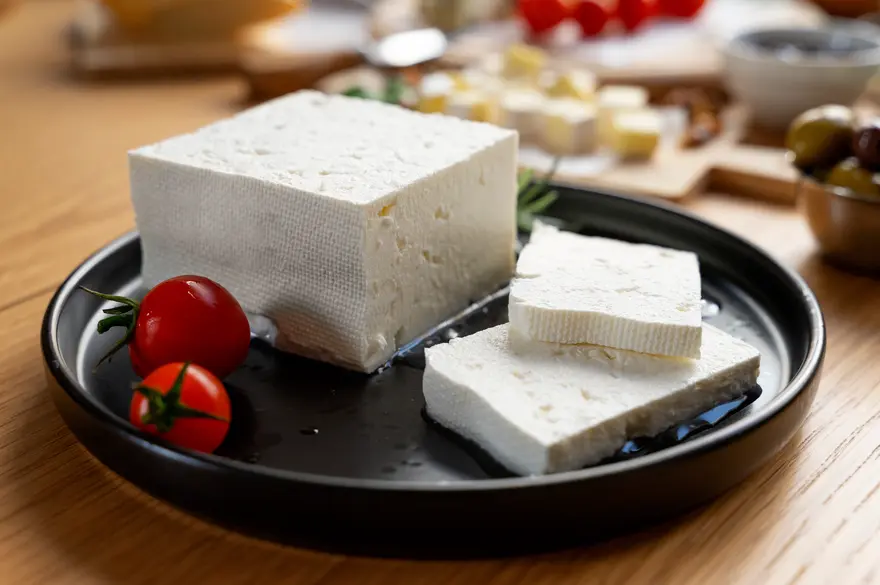
Table of Contents
Paneer, the versatile and beloved Indian cottage cheese, is a cornerstone of vegetarian cuisine across the subcontinent. This fresh, non-melting cheese is made by curdling milk with natural food acids like lemon juice or vinegar, producing a soft, protein-rich food that’s both delicious and wholesome. Its high-quality complete protein, along with essential minerals such as calcium and phosphorus, makes paneer a valuable part of a balanced diet. Additionally, its low lactose content allows many people with mild lactose intolerance to enjoy it without discomfort.
Packed with nutrients, paneer supports muscle health, bone strength, and satiety, making it equally popular among vegetarians, fitness enthusiasts, and health-conscious individuals. In this article, we’ll take a closer look at the detailed paneer nutrition profile, including its protein content per 100 g, vital micronutrients, and impressive health benefits. Whether you’re exploring new foods or aiming to boost your wellness routine, paneer offers both flavour and nourishment in every bite.
Protein Content: Paneer Protein Per 100 g
One of the most notable aspects of paneer nutrition is its high protein content. Paneer protein per 100 g ranges from 18 to 21 grams, making it an excellent source of this essential macronutrient for vegetarians and non-vegetarians alike. Consuming adequate protein is crucial for muscle maintenance, satiety, and overall health.
What Type of Protein Does Paneer Contain?
Paneer's primary protein is casein, a slow-digesting, complete protein that contains all nine essential amino acids. This gradual digestion rate promotes a sustained release of amino acids into the bloodstream, supporting muscle repair and growth over an extended period.
Nutritional Value of Paneer Per 100 g
The following table shows paneer protein per 100 g:
|
Nutrient |
Amount per 100 g |
|
Calories |
318 kcal |
|
Protein |
21 g |
|
Total Fat |
24.7 g |
|
Saturated Fat |
14 g |
|
Carbohydrates |
3.5 g |
|
Sugars |
2.8 g |
|
Fibre |
0 g |
|
Calcium |
710 mg |
|
Sodium |
18-916 mg (varies by brand) |
|
Cholesterol |
84-89 mg |
Essential Nutrients in Paneer
Beyond its high-quality protein, paneer packs in essential nutrients.
- Rich in essential nutrients: A 100 g serving of paneer delivers about 700 mg of calcium for strong bones, plus phosphorus and magnesium to support skeletal health and metabolism.
- Easier digestion: Most lactose is converted to lactic acid during curdling, making paneer more tolerable than regular milk for many people.
- Versatile in meals: While naturally low in fibre, pairing paneer with vegetables, legumes, or whole grains creates balanced, nutrient-rich dishes.
- Complete protein source: Provides high-quality protein that supports muscle repair, growth, and overall health.
7 Health Benefits of Paneer
1. Supports muscle maintenance and recovery
Paneer is an excellent source of complete protein, meaning it contains all the essential amino acids required for muscle repair and growth. High-quality paneer protein per 100 g is obtained, which supports muscle protein synthesis, helping to maintain lean body mass. This makes it particularly beneficial for vegetarians, older adults, and physically active individuals looking to meet their protein needs without relying on meat or fish.
2. Promotes satiety and weight management
The combination of protein and healthy fats in paneer slows down the digestive process, leading to prolonged feelings of fullness. Including paneer to make balanced meals can help curb unnecessary snacking, regulate calorie intake, and support healthy weight management: especially when consumed in moderate portions alongside vegetables, legumes, and whole grains.
3. Enhances bone health
Paneer benefits also include the presence of calcium, along with phosphorus and magnesium. Paneer delivers around 700mg of calcium per 100g. These minerals work together to maintain strong bones and teeth, as well as support healthy muscle and nerve function. Regular consumption of calcium-rich foods like paneer is particularly important for women, who face an increased risk of osteoporosis with age.
4. Aids in blood sugar regulation
The casein protein in paneer digests slowly and has a lower glycaemic index compared to rapidly absorbed proteins or refined carbohydrates. Swapping out high-GI foods for paneer in meals can help keep blood sugar levels stable after eating, which is especially beneficial for individuals with diabetes or insulin resistance.
5. Offers a lactose-friendly option
Among many other paneer benefits, the paneer-making process removes much of the lactose and the whey. This means paneer contains less lactose than milk and may be better tolerated by people with mild lactose intolerance. It offers the nutritional benefits of dairy without causing discomfort for many individuals who are sensitive to lactose.
6. Provides nutrient density for vegetarians
For those following a vegetarian diet, getting enough high-quality protein and essential minerals can sometimes be challenging. Paneer nutrition delivers both in a concentrated form, making it a valuable addition to plant-based meal plans. It also pairs well with nutrient-dense plant foods, helping ensure overall dietary balance.
7. Offers culinary versatility
Paneer’s mild flavour and firm texture make it an adaptable ingredient for countless dishes. It can be grilled, stir-fried, added to curries, tossed into salads, or even used in wraps and sandwiches. This versatility makes it easy to incorporate into everyday meals, ensuring consistent nutritional benefits without compromising on taste.
Who Should Eat Paneer?
Paneer nutrition is a versatile food, suitable for a wide range of people. It is especially beneficial for vegetarians and flexitarians who want to increase their intake of complete protein and calcium, helping to meet nutritional needs that can be harder to fulfil without meat or fish.
Athletes and fitness enthusiasts cannot overlook paneer benefits in terms of high-quality protein, which supports muscle recovery and helps maintain lean body mass. Older adults may find it valuable for preserving both muscle strength and bone density as part of healthy ageing. Additionally, paneer is often well-tolerated by individuals with mild lactose intolerance, as it contains less lactose than milk.
However, it should be strictly avoided by those with dairy allergy. As with any dietary choice, individuals with specific health concerns or restrictions should seek professional medical, or nutritional advice before making paneer a regular part of their diet.
Comparing Paneer with Other Protein Sources
The nutritionally enriched paneer protein per 100 g in comparison to other protein sources suggests paneer's superiority among protein foods.
|
Items |
Protein (per 100 g) |
Calories (per 100 g) |
Benefits |
|
Paneer |
21 g |
318 kcal |
High calcium; low lactose (good for strength and bone health); casein-rich (slow-digesting protein) |
|
Generic Paneer (range) |
18-20 g |
321 kcal |
Protein and calorie values vary with fat and moisture content, like full-fat or low-fat paneer |
|
Tofu (firm) |
10-12 g |
76 kcal |
Plant-based protein; lower in calories; cholesterol-free; and contains isoflavones (good for heart health) |
|
Milk (cow milk) |
3.3 g |
61 kcal |
Lower protein density; good calcium source; whey + casein protein |
|
Greek Yogurt (plain) |
10 g |
59 kcal |
Low calories, high in probiotics; and a versatile food |
|
Egg (whole and boiled) |
12.6 g |
155 kcal |
Rich in essential amino acids, vitamins, and healthy fats; its yolk adds micronutrients. |
How to Include Paneer in Your Diet
- Add to curries or stir-fries: Mix cubed paneer into vegetable-rich curries or stir-fries to boost paneer calories and calcium content.
- Grill or pan-sear: Cook paneer on a grill or skillet and pair with whole grains and legumes for a balanced, filling meal.
- Enhance salads: Combine paneer with leafy greens, colourful vegetables, and light dressings for a nutrient-dense, satisfying salad.
- Swap refined carbs: Replace part of the rice, pasta, or bread in wraps, grain bowls, or lunch plates with paneer to improve satiety and nutrient quality.
- Check tolerance: If lactose sensitive, start with small portions to gauge comfort—paneer is generally lower in lactose than milk.
Takeaway
Paneer is a nutritional powerhouse that can help support muscle health, bone strength, and overall wellness. While exploring the difference between paneer and tofu, remember that paneer is a dairy product offering complete animal protein, whereas tofu is plant-based and lactose-free, making each suitable for different dietary preferences.
At Metropolis Healthcare, we understand the importance of making informed dietary choices for optimal health. Our team of experienced phlebotomists provides convenient at-home sample collection for a wide range of wellness tests, empowering you to take charge of your well-being.