Home Visit
 Upload






Preventive Healthcare
Liposarcoma: Symptoms, Causes, Treatment Options, And Survival Rates
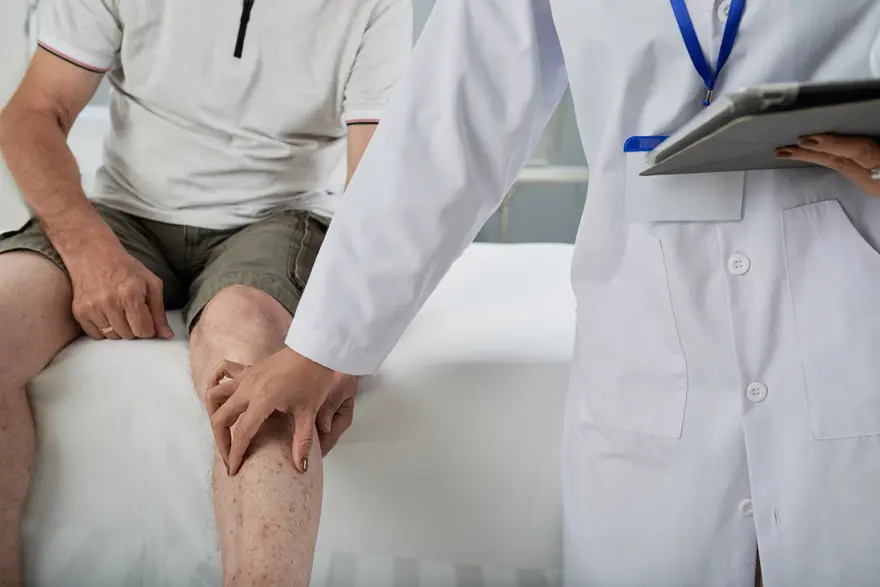
Table of Contents
What Is Liposarcoma?
Liposarcoma is a soft tissue sarcoma that originates in the fat cells. It most commonly develops in the limbs, particularly the thighs, and the abdominal area. Liposarcoma accounts for about 15-20% of adult soft tissue sarcomas, making it one of the more common types of sarcoma. However, it is still considered a rare cancer overall.
Liposarcoma malignant tumours can invade nearby tissues and spread (metastasise) to other parts of the body. Some liposarcomas grow slowly (like well-differentiated), while others (such as pleomorphic or dedifferentiated) can grow and spread much faster. Understanding the liposarcoma symptoms and characteristics of each subtype is crucial for determining the best course of treatment.
Types of Liposarcoma
Liposarcomas are classified into several subtypes based on their cell characteristics and behaviour. Understanding the liposarcoma meaning and its types helps guide treatment and predict outcomes.
Well-Differentiated Liposarcoma (WDLS)
WDLS is the most common liposarcoma, typically appearing as a painless, slow-growing mass in the limbs or abdomen. It is low-grade, rarely metastasises, but can recur locally after removal. Its well-differentiated cells resemble normal fat, making it less aggressive compared to other subtypes.
Myxoid Liposarcoma/Round Cell Liposarcoma
Myxoid liposarcoma is common in the limbs and often grows slowly, but higher-grade forms (round cell components) behave more aggressively and can spread, especially to fat and soft tissues. It has a gelatinous, myxoid matrix and can recur locally. When round cell components increase, the tumour becomes more aggressive and prone to metastasis, especially to soft tissues and bones, requiring closer monitoring and treatment.
Dedifferentiated Liposarcoma (DDLS)
DDLS arises from well-differentiated liposarcoma, showing more aggressive behaviour. It contains both well-differentiated and high-grade non-lipogenic areas, grows rapidly, and has a higher potential to metastasise. DDLS often requires aggressive treatment due to its tendency to spread and poorer prognosis.
Pleomorphic Liposarcoma
Pleomorphic liposarcoma is the rarest, marked by highly abnormal, varied cell shapes and aggressive growth. It has a high risk of metastasis, particularly to the lungs and other distant sites and tends to occur in older adults. This subtype has a poor prognosis, often requiring intensive treatment and close follow-up due to its high recurrence and spread risk.
|
Subtype |
Growth Speed |
Risk of Spread |
Common Location |
Prognosis |
|
WDLS |
Slow |
Rarely metastasises |
Limbs, retroperitoneum |
Good, but may recur |
|
Myxoid/Round cell |
Intermediate → aggressive if round cell present |
Can spread to fat, bone |
Limbs |
Variable |
|
DDLS |
Aggressive |
Higher spread risk |
Retroperitoneum, limbs |
Moderate-poor |
|
Pleomorphic |
Very aggressive |
High risk (esp. lungs) |
Limbs, trunk |
Poor |
Liposarcoma Symptoms
Liposarcoma symptoms can vary depending on the tumour's size and location. Common signs and symptoms include:
- Painless lump or mass: Liposarcomas often present as a painless, slowly growing lump, typically in the limbs, abdomen, or retroperitoneal area. Due to their deep location, these tumours may not cause discomfort initially, leading to delayed detection.
- Pain or discomfort: As the tumour enlarges, it can press on surrounding nerves, muscles, or organs, leading to pain or discomfort. This may result in localised tenderness or aching, especially if the tumour invades adjacent tissues.
- Swelling and limited movement: A growing mass can cause swelling, potentially restricting movement or flexibility in the affected limb or area. This is particularly common when liposarcomas develop near joints or muscles.
- Abdominal symptoms: For liposarcomas located in the abdomen or retroperitoneal space, symptoms may include abdominal fullness, bloating, or digestive issues like nausea, constipation, or a feeling of pressure on internal organs.
- General symptoms: In some cases, patients may experience systemic symptoms such as unexplained weight loss, fatigue, or malaise, which often indicate a more advanced disease stage.
Symptoms typically develop gradually and may go unnoticed until the tumour becomes large enough to affect surrounding tissues. If you notice any persistent lumps or swelling, it's important to consult a doctor to get an accurate diagnosis.
What Does a Liposarcoma Feel Like?
A liposarcoma usually feels like a firm, painless, slow-growing lump located deep in the body's soft tissues. The lump may be mobile when pressed. However, as the tumour grows, it can cause pain or discomfort by compressing nerves or muscles.
Causes of Liposarcoma
The exact cause of liposarcoma is unknown. However, several factors may contribute to the development of this cancer:
- Genetic mutations within fat cell DNA that disrupt normal growth controls
- Prior exposure to radiation therapy
- Some inherited cancer syndromes (rare)
It's important to note that there are no well-established environmental or lifestyle risk factors for liposarcoma. In most cases, the cancer arises spontaneously without a clear cause.
Diagnosis and Tests
Diagnosing liposarcoma typically involves a combination of clinical examination, imaging studies, and biopsy:
- Physical exam: Your doctor will check for any lumps or swelling in the affected area.
- Imaging tests: MRI and CT scans help determine the tumour's size, location, and involvement of surrounding tissues. These imaging tests can also assess whether the cancer has spread to other parts of the body.
- Biopsy: A core needle biopsy or surgical biopsy is required to confirm the diagnosis and identify the specific liposarcoma subtype. During a biopsy, a small tissue sample is removed and examined under a microscope.
- Genetic tests: In some cases, genetic testing may be performed to characterise the molecular features of the tumour, which can help guide treatment decisions.
Accurate diagnosis is crucial for developing an appropriate treatment plan tailored to the specific subtype and extent of the liposarcoma.
Treatment
Liposarcoma treatment depends on several factors, including the tumour's subtype, size, location, and whether it has spread to other parts of the body. The main treatment options include:
- Surgery: Surgical removal of the tumour is the primary treatment for most liposarcomas. The goal is to remove the entire tumour along with a margin of healthy tissue to reduce the risk of recurrence. In some cases, reconstructive surgery may be necessary to restore function or appearance.
- Radiation therapy: Radiation therapy uses high-energy beams to kill cancer cells. It is often used before or after surgery to decrease the risk of local recurrence, especially for tumours that cannot be completely removed or have a high risk of coming back.
- Chemotherapy: Chemotherapy involves using drugs to kill cancer cells throughout the body. It is typically used for more aggressive subtypes (such as myxoid, pleomorphic, or dedifferentiated liposarcoma) or when the cancer has spread to other parts of the body. Not all liposarcoma subtypes respond equally to chemotherapy.
Treatment plans for liposarcoma often involve a team of specialists, including surgical oncologists, medical oncologists, and radiation oncologists, working together to provide comprehensive care. Your healthcare team will work with you to develop a personalised treatment plan based on your specific situation.
What Are Treatment Side Effects?
Common side effects of liposarcoma treatment may include pain, swelling, and limited movement in the treated area. These side effects are usually temporary and can be managed with medication and physical therapy.
What Are Treatment Complications?
While treatments for liposarcoma are designed to be as safe and effective as possible, they may carry certain risks and potential complications. The specific complications depend on the tumour's location, size, and the type of treatment received. Some of the commonly seen complications include:
- Infection or delayed healing after surgery
- Damage to nearby nerves, blood vessels, or organs during surgery
- Lymphoedema (swelling caused by a buildup of lymph fluid) after surgery or radiation therapy
- Recurrence or spread of the cancer despite treatment
- Side effects from chemotherapy, such as nausea, fatigue, and an increased risk of infection
Your healthcare team will discuss the potential risks and benefits of each treatment option with you and help manage any complications that may arise.
Can I Prevent Liposarcoma?
Currently, there are no known ways to prevent liposarcoma. Most cases arise spontaneously without clear risk factors or causes. Routine monitoring or screening is not recommended unless you have a strong family history of cancer or have had significant radiation exposure in the past. The best approach is to be aware of your body and promptly report any concerning lumps or symptoms to your doctor.
Metropolis Healthcare offers convenient at-home sample collection services, where our skilled phlebotomists will visit you to collect blood samples for testing. Your samples will be processed in our advanced labs, and your results will be shared with you securely online via email and our user-friendly Metropolis TruHealth app.
FAQs
1. How does a liposarcoma affect my body?
A liposarcoma can cause a painless lump, restrict movement in the affected area, and invade surrounding tissues. In advanced cases, the tumour may affect the function of nearby organs or spread to other parts of the body.
2. How common is this condition?
Liposarcoma accounts for about 15–20% of adult soft tissue sarcomas, but soft tissue sarcomas themselves make up <1% of all cancers.
3. Who does this condition affect?
Liposarcoma can affect people of any age, but it is most commonly diagnosed in adults between the ages of 50 and 65. Men are slightly more likely to develop liposarcoma than women.
4. Is liposarcoma an aggressive cancer?
The aggressiveness of liposarcoma depends on the specific subtype. Well-differentiated liposarcoma tends to be less aggressive, while pleomorphic and dedifferentiated liposarcomas are more likely to grow and spread rapidly.
5. What can I expect if I have this condition?
If you are diagnosed with liposarcoma, your treatment will likely involve surgery to remove the tumour. Depending on the subtype and extent of the cancer, you may also receive radiation therapy or chemotherapy. Prognosis varies widely: well-differentiated liposarcoma has a good outlook (about 80–90% survive 5 years), while myxoid has an intermediate prognosis (60–70%), and pleomorphic or dedifferentiated subtypes often carry a poorer outlook (30–50% 5-year survival).
6. What's the difference between liposarcoma and lipoma?
This distinction is important when differentiating between liposarcoma vs. lipoma. Liposarcoma is a malignant tumour that develops in fat cells and can invade nearby tissues and spread to other parts of the body. In contrast, a lipoma is a benign (non-cancerous) fatty lump that grows slowly and does not spread to other areas.