Home Visit
 Upload






Preventive Healthcare
What Is Joint Effusion? Causes, Symptoms, and Treatment Options
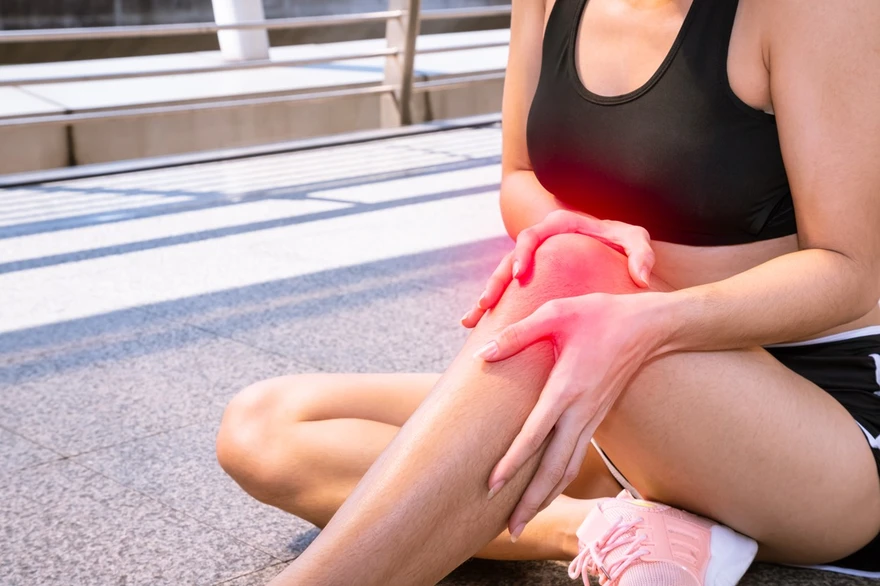
Table of Contents
- What Is Joint Effusion?
- How Joint Effusion Occurs
- Common Joints Affected by Effusion
- Symptoms of Joint Effusion
- Types of Joint Effusion
- Joint Effusion vs General Swelling
- Causes of Joint Effusion
- Risk Factors for Joint Effusion
- How Joint Effusion Is Diagnosed
- Treatment Options for Joint Effusion
- When Is Surgery Needed?
- Complications of Untreated Joint Effusion
- How to Prevent Joint Effusion
- When to See a Doctor
- Conclusion
- FAQs
What Is Joint Effusion?
Joint effusion refers to an abnormal buildup of fluid within a joint capsule, leading to swelling, stiffness, and pain. Although joints normally contain a small amount of synovial fluid for smooth movement, inflammation, injury, or infection can cause overproduction of this fluid.
It can affect any joint, though it most commonly involves the knee, ankle, shoulder, or elbow. Unlike general swelling in surrounding tissues, joint effusion is specifically fluid within the joint space, which increases internal pressure and can limit movement, from mild discomfort to significant restriction.
How Joint Effusion Occurs
Joint effusion develops when the normal balance between synovial fluid production and reabsorption is disrupted. The synovial membrane typically produces a small, regulated amount of synovial fluid to lubricate the joint and support cartilage, while the body continuously reabsorbs and replaces it to maintain balance.
When inflammation, injury, or infection occurs, this balance breaks down. Inflammation increases fluid production and reduces reabsorption, trauma can cause bleeding into the joint space, a condition known as hemarthrosis, and infections can trigger an intense inflammatory response. As fluid builds up, pressure rises inside the capsule, activating pain receptors and making the surrounding muscles “guard” the joint, leading to stiffness and reduced mobility.
Common Joints Affected by Effusion
Joint effusion can occur in various locations throughout your body, with some joints being more susceptible than others:
• Knee joints - The most frequently affected location, often called "water on the knee"
• Shoulder joints - Common in athletes and individuals with repetitive overhead activities
• Elbow joints - Frequently seen in tennis players and manual laborers
• Wrist joints - Often associated with repetitive strain injuries
• Hip joints - Less common but can occur with arthritis or trauma
• Ankle joints - Typically following sprains or other injuries
An effusion is an abnormal accumulation of fluid within the joint that commonly presents with swelling, pain, stiffness, and reduced range of motion. It can result from trauma (e.g., ligament/meniscal injury or fracture), inflammatory conditions (e.g., arthritis or gout), infection (e.g., septic arthritis), or degenerative disease (e.g., osteoarthritis). According to a publication on the National Library of Medicine, Optimal care depends on a comprehensive evaluation using clinical assessment, imaging, and when unexplained, synovial fluid analysis via arthrocentesis.
Symptoms of Joint Effusion
Recognizing joint effusion symptoms early can help you seek appropriate treatment and prevent complications.
The primary indicators include:
• Visible swelling - The affected joint appears enlarged compared to the unaffected side
• Pain and tenderness - Discomfort that worsens with movement or pressure
• Stiffness and limited range of motion - Difficulty bending or straightening the joint
• Warmth and redness - Particularly evident in inflammatory or infectious cases
• Joint instability - Feeling that the joint may "give way" during weight-bearing
• General malaise and fever - Systemic symptoms suggesting possible infection
Types of Joint Effusion
Understanding the different types of joint effusion helps healthcare providers determine appropriate treatment approaches:
• Inflammatory effusion - Results from joint inflammation due to arthritis, gout, or autoimmune conditions
• hemarthrosis - Blood accumulation within the joint from trauma or bleeding disorders
• Septic effusion - Caused by bacterial, viral, or fungal infections within the joint
• Non-inflammatory effusion - Associated with mechanical problems or chronic conditions without active infection
Joint Effusion vs General Swelling
|
Aspect |
Joint Effusion |
General Swelling |
|
Location |
Fluid inside the joint capsule |
Soft tissue around the joint |
|
Cause |
Synovial overproduction, trauma, and infection |
Injury, systemic conditions |
|
Feel on examination |
Fluid-filled, fluctuant sensation |
Diffuse tissue puffiness |
|
Impact on movement |
Severe restriction, stiffness |
Mild to moderate limitation |
|
Diagnostic approach |
Joint aspiration, imaging studies |
Clinical examination, general assessment |
Causes of Joint Effusion
Joint effusions can result from a wide range of conditions and circumstances:
• Traumatic injuries - Fractures, ligament tears, meniscus damage
• Arthritis conditions - Osteoarthritis, rheumatoid arthritis, psoriatic arthritis
• Infectious diseases - Septic arthritis from bacterial, viral, or fungal sources
• Crystal arthropathies - Gout, pseudogout, and calcium pyrophosphate deposits
• Autoimmune disorders - Lupus, systemic sclerosis, inflammatory bowel disease
• Overuse injuries - Repetitive stress from occupational or recreational activities
• Bleeding disorders - Haemophilia, anticoagulant medication effects
Risk Factors for Joint Effusion
Several factors increase your likelihood of developing joint effusion:
• Advanced age - Natural wear and tear increases arthritis risk
• Previous joint injuries - Prior trauma predisposes to future problems
• Family history of arthritis - Genetic factors influence joint health
• Obesity - Excess weight increases stress on weight-bearing joints
• Occupational hazards - Jobs requiring repetitive joint movements
• Athletic participation - High-impact sports increase injury risk
• Chronic medical conditions - Autoimmune diseases, bleeding disorders
• Medication effects - Anticoagulants, certain antibiotics
How Joint Effusion Is Diagnosed
Joint effusion diagnosis involves several complementary approaches:
• Physical examination - Assessment of swelling, tenderness, and fluid presence
• Medical history review - Evaluation of symptoms, previous injuries, and risk factors
• Imaging studies - X-rays, ultrasound, or MRI to visualise fluid and joint structures
• Joint aspiration - Removal and analysis of joint fluid for diagnostic purposes
• Blood tests - Assessment of inflammatory markers, infection indicators, and underlying conditions
• Specialised tests - Crystal analysis, bacterial cultures, and autoimmune markers
Treatment Options for Joint Effusion
Joint effusion treatment varies based on the underlying cause and severity:
• Conservative management - Rest, ice application, compression, and elevation (RICE protocol)
• Medication therapy - Anti-inflammatory drugs, pain relievers, and specific treatments for underlying conditions
• Joint aspiration - Drainage of excess fluid to relieve pressure and obtain diagnostic samples
• Injection therapy - Corticosteroids or hyaluronic acid to reduce inflammation
• Physical therapy - Exercises to maintain joint mobility and strengthen supporting muscles
• Activity modification - Temporary restrictions to allow healing and prevent aggravation
When Is Surgery Needed?
Surgery for joint effusion is considered only when conservative treatments fail or when there is underlying structural damage. This includes ligament or meniscal tears that require repair, or joint infections that do not respond to antibiotics and need surgical drainage to prevent permanent damage.
In cases of chronic or recurrent effusion causing ongoing pain or functional limitation, arthroscopic surgery might be recommended. This minimally invasive approach helps remove excess fluid and treat the underlying joint problem. The decision is guided by factors such as the cause of effusion, severity of symptoms, age, activity level, and overall health.
Complications of Untreated Joint Effusion
Failing to address joint effusion promptly can lead to serious long-term consequences:
• Chronic pain and stiffness - Persistent discomfort limiting daily activities
• Joint damage and cartilage deterioration - Progressive structural changes
• Muscle weakness and atrophy - Loss of strength from reduced use
• Joint instability - Increased risk of future injuries
• Infection spread to surrounding tissues or bloodstream - Potential systemic complications in septic cases
• Cyst formation - Development of fluid-filled sacs around joints
• Permanent functional limitation - Long-term disability affecting quality of life
How to Prevent Joint Effusion
Prevention strategies can significantly reduce your risk of developing joint effusion:
• Maintain healthy body weight - Reduces stress on the weight-bearing joints
• Exercise regularly - Strengthens muscles supporting joints while maintaining flexibility
• Use proper protective equipment - Wear appropriate gear during sports and high-risk activities
• Practice good ergonomics - Proper workplace setup and movement techniques
• Manage chronic conditions - Control arthritis, gout, and other predisposing factors
• Avoid overuse - Balance activity with adequate rest periods
• Seek prompt treatment for injuries - Address joint problems before they worsen
When to See a Doctor
Seek medical attention promptly if you experience:
• Sudden onset of severe joint swelling - particularly after trauma or injury
• Joint warmth and redness with fever - Signs suggesting possible infection
• Inability to bear weight - Significant functional impairment
• Persistent swelling lasting more than a week - Chronic symptoms requiring evaluation
• Severe pain unresponsive to over-the-counter medications - Indicates need for professional assessment
• Recurrent episodes - Pattern suggesting underlying condition requiring management
Conclusion
Joint effusion is a symptom, not a diagnosis, and it usually signals an underlying problem such as injury, arthritis, gout, bleeding into the joint (hemarthrosis), or infection. Because treatment depends on the cause, timely evaluation, joint fluid testing when needed, and the right imaging can help relieve pain faster and prevent long-term stiffness or joint damage.
If you’re experiencing persistent swelling, warmth, fever, or recurrent “fluid in the joint,” Metropolis Healthcare can support accurate diagnosis through an extensive diagnostic network—offering over 4,000 tests, specialized testing, and comprehensive health checkups—backed by home sample collection across 10,000+ touchpoints with quick turnaround and accurate results. You can book easily via website, app, WhatsApp, or call, making it convenient to start the right care pathway early.
FAQs
What causes joint effusion?
- Arthritis
- Injury or trauma
- Infection
- Gout
- Autoimmune disorders
How do you treat joint effusion?
- Rest and ice
- Anti-inflammatory medications
- Joint aspiration
- Treating the underlying cause
Is joint effusion serious?
Joint effusion can range from mild to serious. While some cases resolve with simple treatment, others, especially infections, require urgent medical care.
How long does joint effusion last?
The duration depends on the cause. Mild cases may resolve within days, while chronic conditions may cause recurrent effusion.
What is the difference between joint effusion and arthritis?
Arthritis is a disease affecting joints, whereas joint effusion is a symptom that may occur as a result of arthritis.
Can joint effusion be cured?
Joint effusion can be completely resolved if the underlying cause is treated effectively.
Does joint effusion require surgery?
Most cases do not require surgery. Surgical treatment is reserved for severe or recurrent cases.
What does fluid in the knee mean?
Fluid in the knee usually indicates knee effusion due to injury, arthritis, or inflammation.
Can dehydration cause joint effusion?
Dehydration alone does not cause joint effusion, but adequate hydration supports joint health.
What is the best exercise for joint effusion?
Low-impact exercises such as swimming, cycling, or guided physiotherapy are generally recommended once pain and swelling subside.