Home Visit
 Upload






Preventive Healthcare
Is Corn Good for Weight Loss? Nutrition Facts and Diet Tips
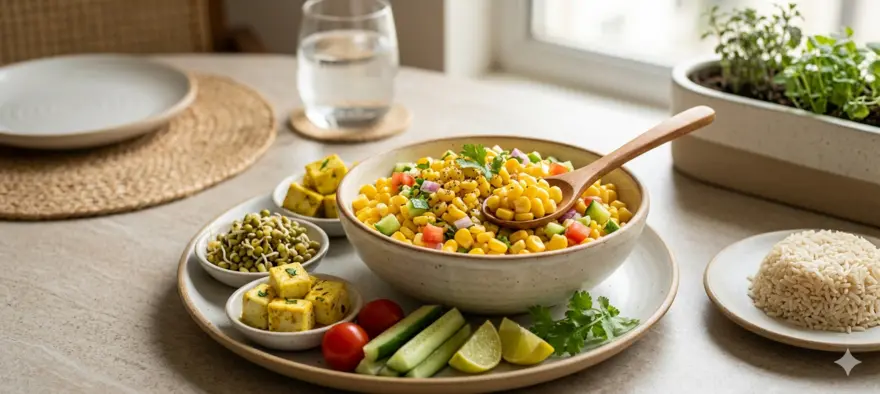
Table of Contents
- Nutritional Profile of Corn
- Is Corn Good for Weight Loss?
- How Corn Can Support Weight Loss
- Is Boiled Corn Good for Weight Loss?
- Is Maize Good for Weight Loss?
- Is Popcorn Good for Weight Loss?
- Best Ways to Eat Corn for Weight Loss
- What to Avoid: Corn Foods That May Hinder Weight Loss
- Are There Any Risks of Eating Corn for Weight Loss?
- FAQs About Corn and Weight Loss
- Conclusion
- References
Corn is a staple in Indian kitchens. From bhutta on a rainy evening to sweet corn in a salad, it finds its way into meals in many forms. But if you are watching your weight, you may have wondered whether corn belongs on your plate or not.
The short answer is yes, corn can be part of a healthy weight loss diet. But like most foods, how you eat it matters just as much as what you eat. This article breaks down the nutrition behind corn, how it can support your weight loss goals, and the smartest ways to include it in your diet.
Nutritional Profile of Corn
Before deciding whether corn is good for weight loss, it helps to understand what corn actually contains. Here is the approximate nutritional value of 100 grams of boiled sweet corn:
- Calories: 86 kcal
- Carbohydrates: 19 g
- Dietary fibre: 2.4 to 2.7 g
- Protein: 3.2 g
- Fat: 1.2 g
- Vitamin C: Around 9% of daily requirement
- B vitamins: Thiamin, niacin, folate, and B6
- Minerals: Magnesium, potassium, and phosphorus
- Antioxidants: Lutein and zeaxanthin
Corn is nutrient-dense. It gives you meaningful amounts of fibre, protein, vitamins, and minerals without being excessively high in calories. This makes corn a more useful addition to your diet than many people assume.
Is Corn Good for Weight Loss?
Yes, corn can be good for weight loss when eaten in the right portions and prepared in the right way. Corn is not a miracle food, but it is not an obstacle to weight loss either.
Many people avoid corn because they associate it with carbohydrates and assume it will cause weight gain. However, the carbohydrates in whole corn are complex carbohydrates, which digest slowly and provide sustained energy rather than causing rapid blood sugar spikes.
Corn also contains fibre and a modest amount of protein, both of which contribute to satiety. When you feel fuller for longer, you are less likely to reach for unhealthy snacks or overeat at your next meal. This is one of the key reasons corn can play a positive role in a calorie-controlled diet.
Weight loss ultimately depends on maintaining a calorie deficit over time. Corn, at around 86 calories per 100 grams when boiled, fits comfortably within that framework.
How Corn Can Support Weight Loss
Corn supports weight loss through several nutritional properties that work together.
High Fibre Content
The fibre in corn slows down digestion, which helps you feel full sooner and stay satisfied longer. This naturally reduces the urge to snack between meals. A diet high in dietary fibre is consistently associated with better weight management, according to research published in nutrition journals.
Low in Fat
Boiled or steamed corn is naturally low in fat, with around 1.2 grams per 100-gram serving. As long as you avoid adding butter, cheese, or heavy sauces, corn remains a low-fat food that supports your weight loss efforts.
Moderate in Calories
At roughly 86 calories per 100 grams, boiled corn is not a high-calorie food. You can enjoy a satisfying portion without using up a large chunk of your daily calorie allowance.
Low to Moderate Glycaemic Index
Whole corn ranks between 55 and 60 on the glycaemic index. This means it causes a gradual rise in blood sugar rather than a sharp spike. Stable blood sugar levels help prevent sudden hunger and cravings, which are common barriers to sustained weight loss.
Protein for Satiety and Metabolism
Corn contains around 3.2 grams of protein per 100 grams. While it is not a high-protein food on its own, the protein it provides contributes to muscle maintenance and helps you feel fuller after a meal. Pairing corn with a lean protein source makes for a well-rounded, satisfying meal.
Is Boiled Corn Good for Weight Loss?
Boiled corn is one of the best ways to eat corn when you are trying to lose weight. Boiling preserves the fibre, protein, and micronutrients in corn without adding any extra fat or calories.
A medium ear of boiled corn contains roughly 100 to 120 calories, 2 to 3 grams of fibre, and around 3 to 4 grams of protein. It is filling, nutritious, and genuinely low in fat when served plain.
The key is to keep it simple. Eating boiled corn is good for weight loss as long as you avoid loading it with butter, salt, or creamy toppings. A squeeze of lime and a pinch of spice is all you need to make it flavourful and satisfying.
Boiled corn also makes a practical snack between meals, helping you avoid processed, high-calorie alternatives.
Is Maize Good for Weight Loss?
Maize and corn refer to the same grain. In India, maize is used widely in both its whole form and as a processed ingredient in foods like cornflour, makki ki roti, and corn-based snacks.
When you eat maize in its whole, minimally processed form, it carries the same benefits as sweet corn. It is high in fibre, moderate in calories, and provides a useful range of vitamins and minerals. Maize is good for weight loss when eaten as whole kernels, roasted on the cob, or added to soups and salads.
However, processed maize products are a different matter. Cornflour, refined corn cereals, and fried corn snacks lose much of their fibre and nutrient content during processing. They often contain added fats, sugar, and salt, which can work against your weight loss goals. When it comes to maize, always choose the whole grain form over refined or fried options.
Is Popcorn Good for Weight Loss?
Plain, air-popped popcorn can be a surprisingly good snack for weight loss. It is low in calories, high in volume, and contains a reasonable amount of fibre, which means it can help you feel full without consuming too many calories.
Air-popped popcorn contains around 31 calories per cup, making it one of the more filling low-calorie snacks available. It is a whole grain, so it retains its fibre content and provides some micronutrients as well.
The problem arises with how most popcorn is prepared and sold. Microwave popcorn, buttered cinema popcorn, and caramel or cheese-coated varieties are loaded with added fat, sugar, and salt. These versions can contain several hundred calories per serving and offer little nutritional value.
If you enjoy popcorn as a snack, choose plain air-popped corn and season it lightly with herbs or a small amount of nutritional yeast. This way, popcorn can be a smart, weight-loss-friendly choice.
Best Ways to Eat Corn for Weight Loss
How you prepare and combine corn makes a significant difference to how it affects your weight. Here are the best approaches:
- Boil or steam corn on the cob and season with lime, cumin, or chilli powder instead of butter
- Add corn to salads with cucumber, tomato, onion, and a light dressing for a filling, fibre-rich meal
- Use corn in soups alongside vegetables and legumes for a balanced, low-calorie dish
- Pair corn with protein such as grilled chicken, paneer, eggs, or lentils to improve satiety and create a nutritionally complete meal
- Include corn in stir-fries or grain bowls with leafy greens, whole grains, and a lean protein
- Enjoy plain air-popped popcorn as a snack in place of chips or biscuits
- Stick to a portion of half a cup to one cup of corn per meal to keep your calorie intake in check
- Eat corn as part of a varied diet that includes plenty of vegetables, fruits, whole grains, and lean proteins
What to Avoid: Corn Foods That May Hinder Weight Loss
Not all corn products are equal. Some forms of corn can actively slow down your weight loss progress:
- Corn chips and tortilla chips are deep-fried and high in sodium, fat, and calories
- Buttered or cheese-coated corn adds significant amounts of saturated fat and extra calories
- High-fructose corn syrup, found in many packaged foods and soft drinks, is heavily processed and linked to weight gain
- Sugary corn cereals are low in fibre and high in added sugar, causing blood sugar spikes and quick hunger
- Canned sweet corn often contains added salt and preservatives; if using canned corn, rinse it well before eating
- Cornbread and corn muffins made with refined cornflour tend to be high in calories and low in fibre
- Ready-to-eat microwave popcorn with artificial butter or cheese flavourings contains added fat and excess sodium
When trying to lose weight, the form of corn you choose matters enormously. Whole corn is your ally. Heavily processed corn products are not.
Are There Any Risks of Eating Corn for Weight Loss?
Corn is generally safe and healthy for most people. However, a few considerations are worth keeping in mind.
Corn is higher in carbohydrates than many non-starchy vegetables. If you have insulin resistance, type 2 diabetes, or are following a very low-carbohydrate diet, you may need to monitor your portions carefully and speak to your doctor or dietitian about how much corn suits your specific plan.
Corn is also higher in calories compared to vegetables like broccoli, spinach, or cucumbers. If you are already eating a calorie-dense diet, adding large amounts of corn without adjusting your overall intake could slow your progress.
Some individuals may experience digestive discomfort with corn because its outer husk contains cellulose, a form of fibre that is difficult for the human gut to break down completely. This is usually not harmful, but it can cause bloating in sensitive individuals.
Corn allergy, while uncommon, does exist. Symptoms can include skin reactions, digestive issues, or respiratory discomfort after eating corn or corn-based products. If you notice any of these symptoms consistently after eating corn, it is worth speaking to a doctor and considering an allergy evaluation.
Finally, if you are on a specialised weight management programme involving GLP-1 agonists, your dietary needs may differ. Those following a GLP-1 diet should speak to their healthcare provider about the right carbohydrate balance for their plan, as appetite and digestion can be significantly affected by these medications. The Metropolis GLP-1 Test Package and GLP-1 Monitor Package can help you track the health markers relevant to your treatment journey.
FAQs About Corn and Weight Loss
Is Corn Good for Weight Loss?
Yes, corn is good for weight loss when eaten in moderation and prepared simply. Its fibre content promotes satiety, its calorie count is moderate, and it provides useful nutrients without being high in fat. The key is to eat whole corn in controlled portions and avoid processed corn products that are high in fat, sugar, and salt.
Can Corn Help Reduce Belly Fat?
No single food can target belly fat specifically. Fat loss occurs across the body when you maintain a consistent calorie deficit over time. Corn can support this process by keeping you full, providing sustained energy, and fitting within a balanced, calorie-controlled diet. A 2024 study found that bioactive compounds in native corn may reduce adipogenesis, the process by which the body builds fat, though further human studies are needed to confirm these findings.
Is Boiled Corn Good for Weight Loss?
Yes, boiled corn is one of the most weight-loss-friendly ways to eat corn. It retains its fibre and nutrients, adds no extra fat, and is filling without being calorie-dense. Eating boiled corn as a snack or as part of a meal, without heavy toppings, is a smart choice when you are watching your weight.
Can Eating Maize Daily Help with Weight Loss?
Eating maize daily in its whole form can be part of a healthy diet, provided portions are controlled and it is balanced with protein, vegetables, and healthy fats. However, eating any single food every day without variety can limit the range of nutrients your body receives. It is better to include whole maize as one component of a diverse, balanced diet rather than relying on it as a daily staple.
Is Popcorn a Healthy Snack for Weight Loss?
Plain, air-popped popcorn is a healthy and satisfying snack for weight loss. It is low in calories, high in volume, and contains fibre. However, commercially prepared popcorn with butter, cheese, or caramel is high in fat and sugar and is not suitable for weight loss. Always choose plain popcorn and season it lightly at home for the best results.
Are GLP-1 Medications Compatible with a Corn-Inclusive Diet?
GLP-1 agonists work by reducing appetite and slowing gastric emptying, which means portion sizes and food choices need to be carefully considered. Corn, in moderate amounts and in its whole form, is generally not contraindicated with GLP-1 medications. However, because these medications significantly affect digestion and appetite, it is important to follow the dietary guidance provided by your doctor. If you are on this type of treatment, tracking your metabolic markers through a structured programme can help you stay on course.
Conclusion
Corn is not the enemy of weight loss. When eaten in the right form and the right amounts, it is a nutritious, satisfying, and versatile food that can genuinely support your health goals. The fibre keeps you full, the complex carbohydrates provide steady energy, and the vitamins and minerals support your body through the process of losing weight. What matters most is choosing whole corn over processed corn products, keeping portions sensible, and pairing corn with protein and vegetables for balanced meals.
Taking charge of your weight is about more than just the food on your plate. Knowing how your body is responding, whether in terms of blood sugar, thyroid function, or metabolic health, is just as important. Routine health monitoring gives you a clearer picture of what is working and where you may need support.
At Metropolis Healthcare, you can access a wide range of tests, from full body checkups to speciality panels, all designed to help you stay informed about your health. With home sample collection available across more than 10,000 touchpoints in India, getting tested is simple and convenient. Book through the website, app, call, or WhatsApp, and receive accurate results you can trust, interpreted by expert pathologists. Because understanding your body is the first step to taking better care of it.
References
- Slavin J. Fiber and prebiotics: mechanisms and health benefits. Nutrients. 2013;5(4):1417-1435.
- Atkinson FS, Foster-Powell K, Brand-Miller JC. International tables of glycemic index and glycemic load values. Diabetes Care. 2008;31(12):2281-2283.
- Bortolin RC, Vargas AR, Gasparotto J, et al. A new animal diet based on human Western diet is a robust diet-induced obesity model. Eur J Nutr. 2018;57(8):2745-2757.
- Holesh JE, Aslam S, Martin A. Physiology, carbohydrates. In: StatPearls. StatPearls Publishing; 2024.
- Dreher ML. Whole fruits and fruit fiber emerging health effects. Nutrients. 2018;10(12):1833.
- Mozaffarian D, Hao T, Rimm EB, Willett WC, Hu FB. Changes in diet and lifestyle and long-term weight gain in women and men. N Engl J Med. 2011;364(25):2392-2404.
- Aune D, Norat T, Romundstad P, Vatten LJ. Whole grain and refined grain consumption and the risk of type 2 diabetes, cardiovascular disease and obesity. Eur J Epidemiol. 2013;28(11):845-858.
- Rebello CJ, O'Neil CE, Greenway FL. Dietary fiber and satiety: the effects of oats on satiety. Nutr Rev. 2016;74(2):131-147.