Home Visit
 Upload






Preventive Healthcare
How to Increase Platelet Count Naturally
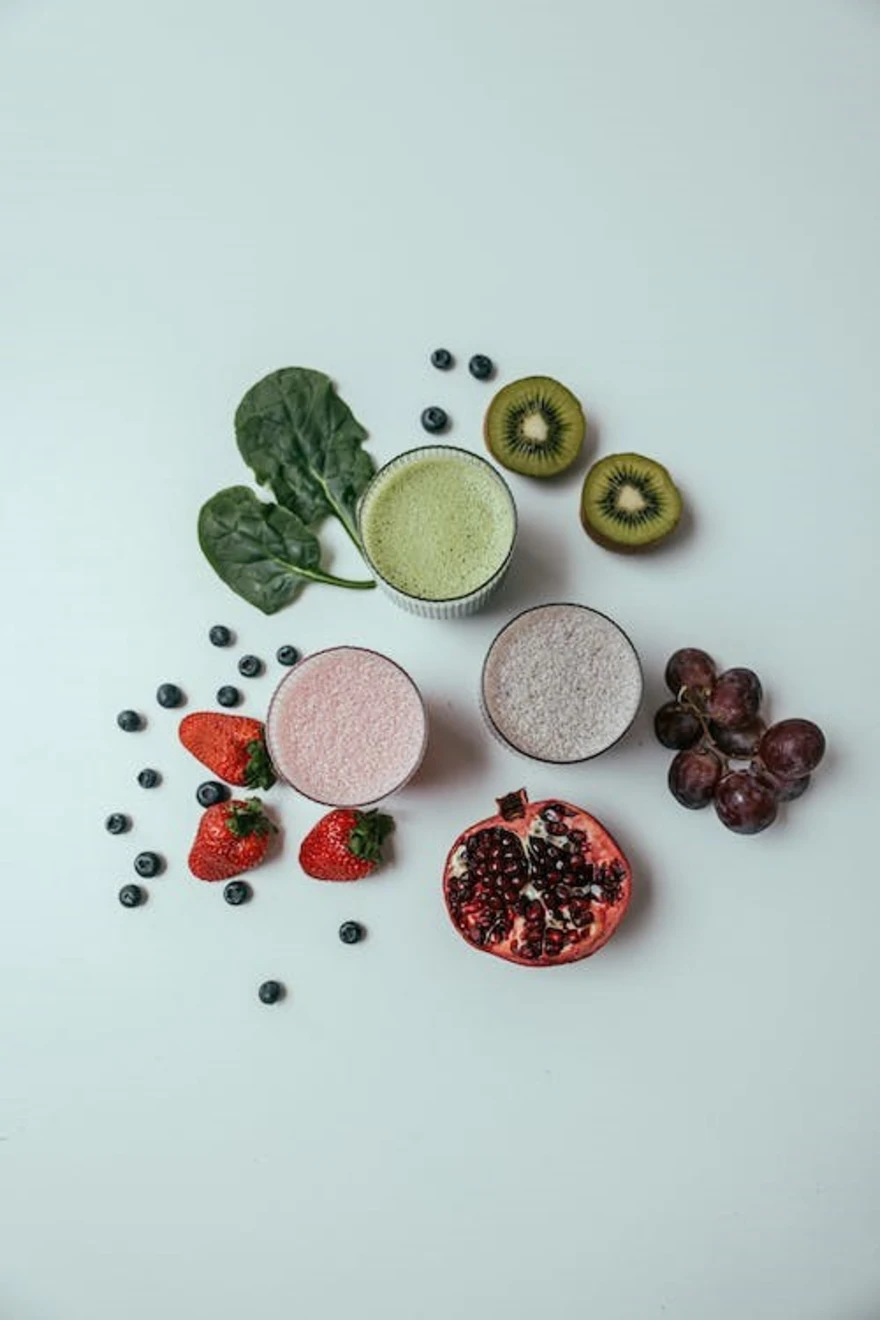
Table of Contents
A drop in platelet count can leave you feeling uncertain, but there are natural ways to support your body during this time. Platelets are vital for blood clotting, and keeping them at a healthy level helps your body heal and stay protected. If you are looking for guidance on how to increase platelet count naturally, simple changes to your daily habits may make a difference.
From nourishing foods to mindful lifestyle choices, these small steps can help you care for your health with calm and confidence.
12 Natural Ways to Increase Platelet Count
When your platelet count is lower than normal, it’s understandable to feel concerned. Platelets play an essential role in clotting and healing, so supporting your body with natural remedies can help maintain healthy levels.
Here are 12 gentle and natural ways that may help improve your platelet count:
- Eat Vitamin C-Rich Foods: Vitamin C helps absorbing iron and supports collagen production, essential for healthy blood vessels. Foods like oranges, kiwi, papaya, and bell peppers are great sources
- Increase Leafy Greens: Spinach, kale, and fenugreek leaves are rich in vitamin K, which activates blood clotting factors, helping to maintain proper platelet function.
- Stay Hydrated: Drinking plenty of water helps your blood remain healthy and prevents it from thickening, supporting overall circulation and platelet function.
- Consume Pumpkin and Pumpkin Seeds: Pumpkin is rich in vitamin A, which supports general immune function and may aid in healthy blood cell production.
- Boost Folate Intake: Folate (vitamin B9) helps in the formation of blood cells. You can find it in lentils, asparagus, and citrus fruits.
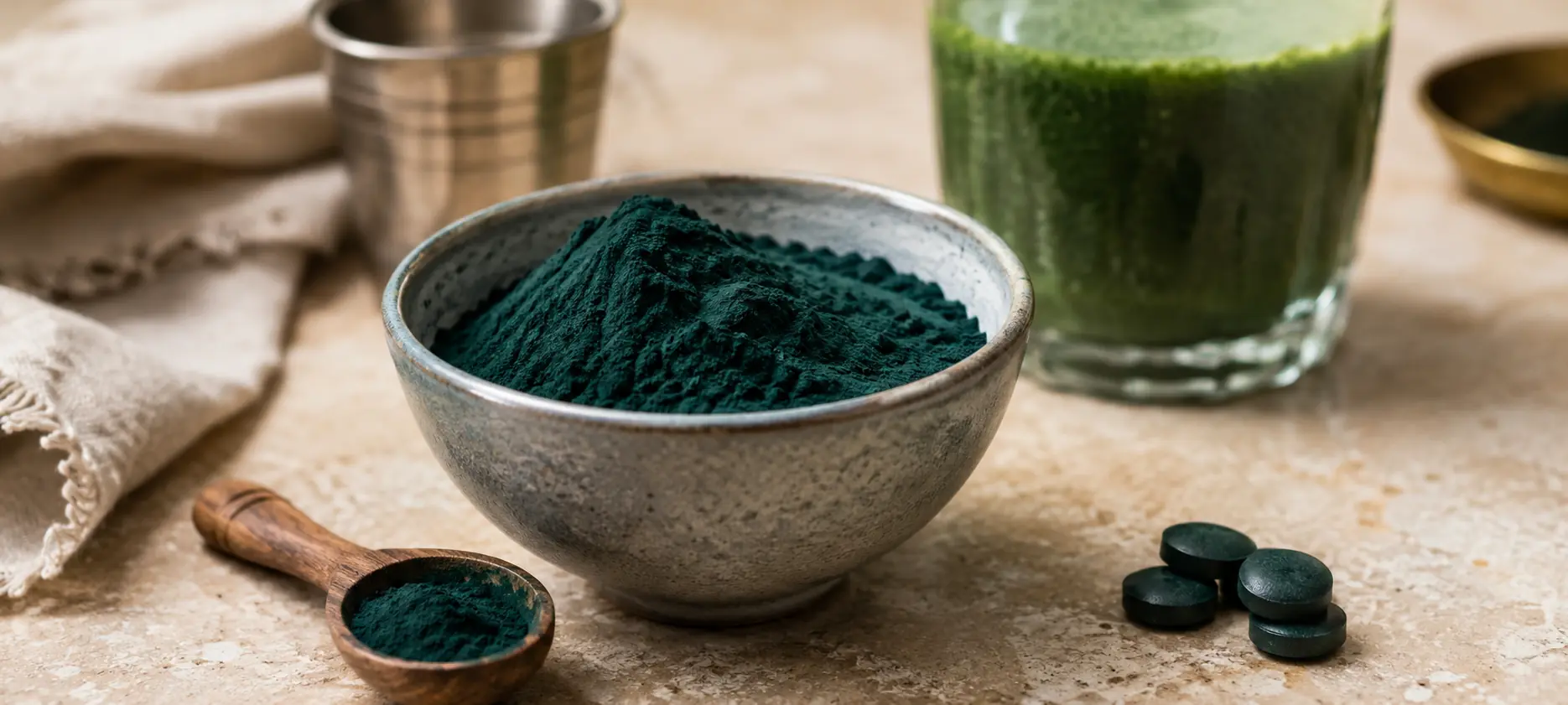
- Try Wheatgrass Juice: Wheatgrass contains chlorophyll, which may help increase haemoglobin levels and support healthy blood production.
- Use Papaya Leaf Extract: Popular in managing dengue fever, papaya leaf extract is known to support platelet levels. Some people also use it to explore how to increase platelets in dengue at home.
- Include Pomegranate: Rich in antioxidants and iron, pomegranate supports blood health and may encourage platelet production.
- Eat Foods Rich in Iron: Iron helps produce healthy red blood cells and platelets. Include beans, tofu, fortified cereals, and dark leafy greens.
- Avoid Alcohol: Alcohol can slow platelet production. Reducing or avoiding it may help support your body in restoring normal levels.
- Try Indian Gooseberry (Amla): Amla is high in vitamin C and has antioxidant properties. It may help maintain a healthy immune system and platelet count.
- Prioritise Sleep and Rest: Fatigue and stress can interfere with blood health. Resting properly gives your body time to recover and regenerate platelets.
Food to Eat to Increase Platelet Count
Nutrition plays a vital role in your body’s ability to maintain healthy platelet levels. By including certain foods in your diet, you may gently support your body’s natural processes.
Here are some foods that may help:
- Papaya and Papaya Leaf Juice: Commonly recommended during viral infections like dengue fever, papaya and its leaf juice are believed to support platelet levels naturally.
- Citrus Fruits: Oranges, lemons, and other citrus fruits are high in vitamin C, which boosts iron absorption and may help your body produce more platelets.
- Pumpkin and Carrots: These contain vitamin A, which helps your bone marrow (where platelets are made) function more efficiently.
- Leafy Greens: Vegetables like spinach, broccoli, and kale are rich in vitamin K, supporting the blood-clotting process.
- Beetroot and Pomegranate: These are iron-rich fruits that may support red blood cell and platelet production.
- Lentils and Beans: Great sources of folate and iron, they help produce healthy blood cells and support overall platelet count.
- Indian Gooseberry (Amla): Loaded with antioxidants and vitamin C, it’s thought to help improve immune function and blood health.
- Dates and Raisins: These natural iron-rich snacks can be added to your diet to support healthy blood cell production.
- Wheatgrass: Some use wheatgrass juice to boost overall blood health due to its chlorophyll content.
- Nuts and Seeds: Almonds, sunflower seeds, and flaxseeds offer vitamin E and healthy fats, supporting general immune health and blood production.
Food to Avoid: To Improve Your Platelet Count
Some foods and ingredients may hinder platelet production or interfere with how your blood clots. Avoiding or limiting these may help your body focus on recovery.
- Processed and Packaged Foods: High in additives, preservatives, and salt, processed foods can stress your immune system and don’t offer much nutritional value.
- Artificial Sweeteners: These can affect gut health and may not support your body’s natural healing processes.
- Refined Sugars: Sugary snacks and drinks may lead to inflammation, which might interfere with platelet production.
- Tonic Water (Contains Quinine): Tonic water contains quinine, which in rare cases has been linked to thrombocytopenia (low platelet count) by inhibiting platelet aggregation. It’s best avoided unless recommended by a doctor.
- Aspartame: This artificial sweetener has raised concerns for its possible negative effects on blood components in certain individuals.
- Excessive Garlic or Onion: Garlic and onion may have mild blood-thinning effects in large quantities or when combined with medications that thin blood. Moderation is key.
- Alcohol: Even moderate alcohol intake can affect your liver and bone marrow function, both of which are important in producing platelets.
- Cow’s Milk (in some cases): Some individuals with milk allergies or sensitivities may experience reduced platelet production. This isn’t common but is something to consider if you have a dairy intolerance.
- Certain Herbal Supplements: Supplements like ginkgo biloba and ginseng can affect clotting. Always consult a healthcare provider before using any herbal remedy if your platelets are low.
Supplements to Boost Platelets
While balanced diet is key, some supplements may offer additional support to help improve your platelet levels naturally.
- Vitamin C: Boosts iron absorption and supports immune function. Choose natural forms when possible, like acerola extract.
- Folic Acid (Folate): Important in production of blood cells, folic acid supplements may help people with lower levels due to diet or absorption issues.
- Vitamin B12: A deficiency in B12 can cause low blood cell counts. If you don’t eat animal products, supplementation may help.
- Iron Supplements: Iron supplements are essential when iron levels are low, especially after conditions like typhoid fever or heavy bleeding. Always follow your doctor's recommendations
- Papaya Leaf Capsules or Extract: Often used during dengue fever, papaya leaf supplements may help if you’re wondering how to increase platelets in dengue at home.
- Chlorophyll Supplements: Derived from plants, chlorophyll may support blood health, much like wheatgrass.
- Vitamin A: Essential for bone marrow health, which is where platelets are produced. Take care not to exceed the recommended dose.
- Omega-3 Fatty Acids: Omega-3 fatty acids in fish oil and flaxseed oil support heart health but can have a mild blood-thinning effect. Use with caution if your platelet count is low.
- Probiotic Supplements: A healthy gut helps absorb nutrients more efficiently. Probiotics may indirectly support better nutrient uptake and immune health.
Always speak to your doctor before starting any supplement, especially if your platelet count is critically low or if you’re on medication.
Lifestyle Changes to Improve Platelet Count
Small lifestyle shifts can support your body’s natural healing and production of platelets over time. Here are some suggestions to try:
- Get Enough Sleep: Your body repairs itself during rest. Aim for 7–9 hours of quality sleep each night to allow healing and regeneration.
- Manage Stress: Chronic stress may affect your immune function. Gentle practices like deep breathing, light walking, or meditation can help.
- Avoid Smoking: Smoking can damage blood vessels and lower platelet production. If you smoke, consider seeking help to quit.
- Gentle Physical Activity: Activities like stretching or walking, supports circulation and overall health. Avoid intense or strenuous exercise, which can strain your body and negatively affect platelet production.
- Avoid Contact Sports: Until your platelets are back to normal, avoid high-impact activities that might risk bleeding or injury.
- Limit Chemical Exposure: Try to avoid environmental toxins, including certain cleaning products or pesticides, which may burden your immune system.
- Regular Check-ups: If you're managing a condition like typhoid fever or recovering from an illness, follow-up care is essential. Monitoring your levels helps adjust your plan if needed.
Conclusion
Monitoring your health is just as important as making positive changes. While natural remedies and lifestyle improvements can support your body, regular testing helps you stay informed and on track. If you are managing a low platelet count or recovering from conditions like dengue or typhoid fever, timely blood tests are key.
For reliable and accurate diagnostic services, consider Metropolis Healthcare—a trusted name in pathology, offering advanced tests and convenient home sample collection to support your health journey.
FAQs
How to increase platelet count fast?
To increase platelet count quickly, prioritise rest, hydration, and foods rich in vitamins C, A, and folate. While these natural remedies support recovery, fast improvements depend on your body’s individual response and should be monitored by your healthcare provider.
Can platelets increase in 2 days?
Yes, platelets can begin to rise in 2 days, particularly if your condition is not severe. However, the speed of recovery depends on the underlying cause of the low platelet count. Always consult your doctor for personalised care and monitoring.
Which fruits increase platelets?
Fruits like papaya, pomegranate, kiwi, oranges, and Indian gooseberry are commonly recommended to help support platelet production. These fruits are rich in antioxidants, vitamins, and essential nutrients that may assist your body in producing healthy blood cells and maintaining better platelet levels over time.
Is 70 a low platelet count?
Yes, a platelet count of 70,000 per microlitre is considered low, but the severity depends on individual factors. This level may not cause immediate symptoms, but it requires medical evaluation to ensure your body can still properly clot blood.
Does papaya increase platelets?
Papaya and especially its leaf extract are widely used in natural remedies to support platelet levels. Studies suggest they may help during illnesses like dengue by stimulating the bone marrow. However, while commonly recommended, always discuss usage with your healthcare provider for safety and effectiveness.
Also book Malaria Antigen Test or Malaria Parasite Test (Smear Test) online with home collection and 24-hr report at Metropolis Healthcare.