Home Visit
 Upload






Preventive Healthcare
Hyperpigmentation Decoded: Your Ultimate Guide To Causes And Treatments
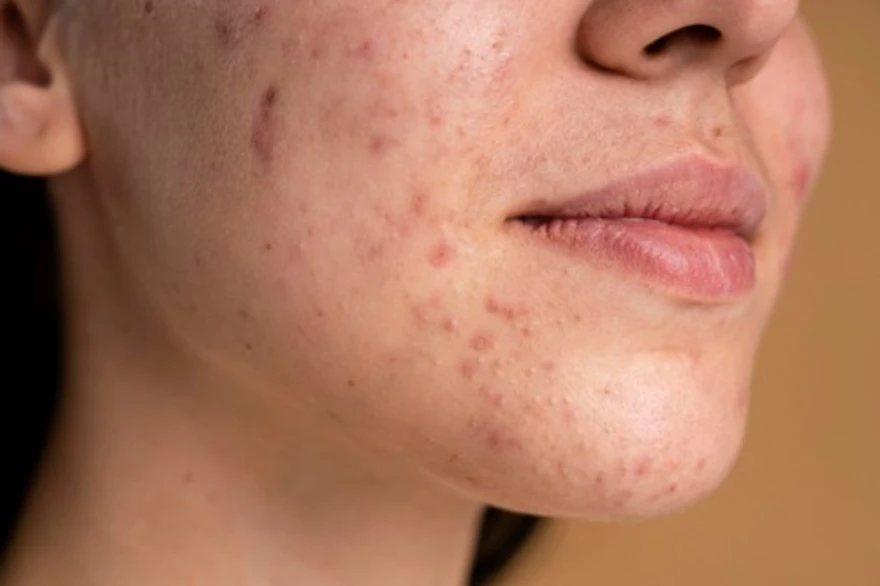
Table of Contents
- What Is Hyperpigmentation?
- Types of Hyperpigmentation
- What Causes Hyperpigmentation?
- Who Is at Higher Risk?
- How to Diagnose Hyperpigmentation
- Treatment Options for Hyperpigmentation
- Natural Remedies and Lifestyle Tips
- Prevention Tips for Hyperpigmentation
- Hyperpigmentation Myths vs. Facts
- When to See a Dermatologist
- Conclusion
- FAQs
- References
What Is Hyperpigmentation?
Hyperpigmentation is a common skin condition in which certain areas become darker than the surrounding skin due to increased melanin production, the pigment responsible for skin, hair, and eye colour. This can result in brown, black, grey, red, or purple spots or patches, which may appear on the face, hands, or other parts of the body. While usually harmless, hyperpigmentation can be a cosmetic concern and may sometimes indicate an underlying health issue.
Types of Hyperpigmentation
The National Institutes of Health identifies several types of hyperpigmentation, each with its own characteristics and triggers:
- Melasma: Large, symmetrical patches of darkened skin, often on the face; frequently linked to hormonal changes.
- Post-Inflammatory Hyperpigmentation (PIH): Dark spots or patches that develop after skin injury or inflammation, such as acne or eczema.
- Solar Lentigines (Sunspots): Flat, brown-to-black spots caused by chronic UV exposure, most often seen on the face, hands, shoulders, and forearms.
- Freckles: Small, light brown spots that are genetic and become more prominent with sun exposure.
Melasma
Melasma appears as symmetrical, blotchy, brown, or grey-brown patches, typically on the face, especially the cheeks, forehead, or upper lip. It is strongly linked to hormonal changes, such as pregnancy or birth control use, and sun exposure. Melasma is more common in women and people with medium to darker skin tones.
Post-Inflammatory Hyperpigmentation (PIH)
PIH develops as a result of skin injury or inflammation, like acne, eczema, burns, or even certain cosmetic procedures. As the skin heals, it overproduces melanin, leaving behind dark spots on the skin that can persist long after the original issue has resolved.
Sunspots (Lentigines)
Also called age spots or liver spots, sunspots are flat, brown, or black spots that appear on sun-exposed areas, like the face, hands, and arms. They're most common in older adults and are a result of cumulative sun damage over the years.
Freckles
Freckles (ephelides) are small, light-brown spots that appear due to sun exposure and genetic predisposition, particularly in fair-skinned individuals. Unlike other types of hyperpigmentation, freckles are usually genetic and tend to fade in the winter months when sun exposure is reduced.
What Causes Hyperpigmentation?
Hyperpigmentation occurs when the skin produces excess melanin, which can be triggered by various factors, including:
Sun Exposure
Ultraviolet (UV) rays from the sun stimulate melanin production as a defence mechanism, leading to dark spots on the skin, like sunspots, freckles, and melasma. Sun exposure is the most common trigger for hyperpigmentation and can worsen existing patches.
Hormonal Changes
Fluctuations in hormones, especially oestrogen and progesterone, can increase melanin production, resulting in melasma. This is common during pregnancy, with the use of birth control pills, or during hormone replacement therapy.
Skin Inflammation or Injury
Any process that causes skin inflammation or damage, like acne, eczema, burns, or even certain cosmetic procedures, can trigger PIH. As the skin heals, it produces extra melanin, leading to dark spots on the skin.
Medications & Medical Conditions
Certain medications and systemic conditions can cause hyperpigmentation, including:
- Oral contraceptives
- Chemotherapy agents
- Antimalarials
- Antibiotics
- NSAIDs
- Endocrine disorders such as Addison’s disease
- Diabetes
- Thyroid disease
Who Is at Higher Risk?
- People with medium to dark skin tones
- Individuals with a history of frequent sun exposure
- Pregnant women or those on hormone therapy
- People with a family history of hyperpigmentation
- Those with chronic skin conditions (acne, eczema)
How to Diagnose Hyperpigmentation
If you suspect you have hyperpigmentation, it's best to consult a dermatologist for an accurate diagnosis. Here's what you can expect during the evaluation:
- Medical History: Your dermatologist will review your symptoms, their onset and duration, and any potential triggers, like sun exposure, medications, or hormonal changes.
- Physical Examination: They will visually inspect your skin, noting the colour, pattern, and distribution of the pigmented areas.
- Wood's Lamp Examination: A special light may be used to assess the depth of the pigmentation in your skin.
- Lab Tests: If an underlying health condition is suspected, your doctor may order blood tests to evaluate your thyroid or adrenal gland function.
- Skin Biopsy: In rare cases, if the diagnosis is uncertain, a small skin sample may be taken for further analysis.
Treatment Options for Hyperpigmentation
There are several approaches for hyperpigmentation treatment, depending on its type, severity, and underlying cause:
Topical Treatments
Topical creams and serums can help fade dark spots on the skin by reducing melanin production or promoting cell turnover. Some common ingredients include:
- Hydroquinone: A prescription depigmenting agent that inhibits tyrosinase, an enzyme involved in melanin production.
- Retinoids (tretinoin, adapalene): Vitamin A derivatives that speed up cell turnover and fade pigmentation.
- Vitamin C (ascorbic acid): A potent antioxidant that inhibits tyrosinase, brightens skin, and reduces melanin formation.
- Azelaic acid: Used to treat acne and PIH, it helps reduce melanin formation.
- Kojic acid: A natural skin lightener derived from mushrooms, it works by blocking melanin synthesis.
Chemical Peels
Chemical peels use acids like glycolic, lactic, or salicylic acid to exfoliate the outer skin layer and promote new cell growth, helping fade pigmentation.
Laser Therapy
Laser therapy (e.g., Q-switched Nd:YAG or fractional lasers) targets melanin with focused light energy, fragmenting pigment and improving overall skin tone.
Microdermabrasion
This procedure involves exfoliating the outermost layer of the skin using a minimally abrasive instrument, which can help fade superficial pigmentation.
Prescription Medications
For stubborn or severe cases of hyperpigmentation, your dermatologist may prescribe stronger topical medications or oral melasma treatments tailored to your specific needs.
Natural Remedies and Lifestyle Tips
In addition to medical treatments, adopting certain lifestyle habits can help manage and prevent hyperpigmentation:
- Daily use of broad-spectrum sunscreen (SPF 30 or higher, with UVA/UVB protection)
- Wearing protective clothing and hats when outdoors
- Avoiding peak sun hours (10 a.m.–4 p.m.) and seeking shade whenever possible.
- Using gentle skincare products (avoid harsh scrubs)
- Eating a diet rich in antioxidants (vitamins C and E)
- Staying well-hydrated
- Avoid picking or scratching at the skin.
Prevention Tips for Hyperpigmentation
- Apply a broad-spectrum sunscreen (SPF 30) every day, even on cloudy days.
- Reapply sunscreen every two hours when spending time outdoors.
- Wear protective clothing, wide-brimmed hats and sunglasses to shield your skin from UV rays.
- Avoid direct sun exposure during peak hours, typically from 10 a.m. to 4 p.m.
- Choose skincare products that are suitable for your skin type and non-irritating.
- Treat skin conditions like acne or eczema promptly to reduce the risk of PIH.
- Avoid picking, squeezing, or scratching your skin, as this can cause inflammation and trigger pigmentation.
Hyperpigmentation Myths vs. Facts
|
Myth |
Fact |
|
Only fair-skinned people get hyperpigmentation. |
Hyperpigmentation can affect people of all skin tones. |
|
Hyperpigmentation is always permanent. |
Many forms of hyperpigmentation can improve with proper treatment. |
|
Sunscreen isn't necessary when indoors. |
UV light can penetrate through windows, so daily sunscreen use is crucial. |
|
All dark spots are hyperpigmentation. |
Some pigmented lesions may indicate other skin conditions or health issues, so a dermatologist's evaluation is important. |
When to See a Dermatologist
Consult a dermatologist if you have dark spots on your skin that are spreading, changing in appearance, or not improving with basic measures, or if you have a personal or family history of skin cancer. A dermatologist can identify the underlying hyperpigmentation causes and tailor a safe treatment plan, especially for persistent or severe cases.
Conclusion
Hyperpigmentation is a complex skin concern with various causes and types, but with the right knowledge and care, it is manageable. Remember, the key to achieving an even complexion is a combination of sun protection, gentle skincare, and targeted treatments tailored to your specific needs. If you're struggling with stubborn dark spots on your skin or suspect an underlying health issue, don't hesitate to consult a dermatologist.
At Metropolis Healthcare, we understand the importance of accurate diagnostics in managing skin conditions, such as hyperpigmentation. With a presence in over 750 towns in India, supported by a robust network of more than 220 laboratories, 4600+ service centres, and over 10,000 touchpoints, we are committed to providing reliable pathology services to help you take control of your health. Our team of qualified technicians offer convenient at-home sample collection, and our state-of-the-art diagnostic labs ensure precise results.
FAQs
1. Can hyperpigmentation go away on its own?
Some types, particularly post-inflammatory hyperpigmentation, may gradually fade over time once the trigger is removed. But persistent or severe cases often require targeted hyperpigmentation treatment for improvement.
2. What is the fastest way to get rid of hyperpigmentation?
A combination approach using prescription-strength topical treatments, in-office procedures like chemical peels or lasers, and diligent sun protection typically offers the most rapid improvement in hyperpigmentation.
3. Is hyperpigmentation permanent?
Most cases of hyperpigmentation are not permanent and can be improved with the right treatment. However, some types, like melasma, can be challenging to treat and may recur without ongoing management and sun protection.
4. Which vitamin helps reduce hyperpigmentation?
Vitamin C helps reduce hyperpigmentation by slowing melanin production, protecting the skin from damage, and supporting an even skin tone.
5. Does sunscreen help with hyperpigmentation?
Yes, sunscreen is crucial in preventing and managing hyperpigmentation. UV exposure is a major trigger for excess melanin production, so daily use of broad-spectrum SPF 30+ sunscreen is essential, even when indoors.
Also Read: Melasma: Causes, Symptoms, and Treatment Options
References
- https://my.clevelandclinic.org/health/diseases/21885-hyperpigmentation
- https://www.aad.org/public/diseases/a-z/melasma-overview
- https://www.health.harvard.edu/diseases-and-conditions/demystifying-hyperpigmentation-causes-types-and-effective-treatments
- https://pmc.ncbi.nlm.nih.gov/articles/PMC10304091/
- https://www.ncbi.nlm.nih.gov/books/NBK559150/