Home Visit
 Upload






Preventive Healthcare
What is Hyperparathyroidism? Symptoms, Causes, and Treatment Options
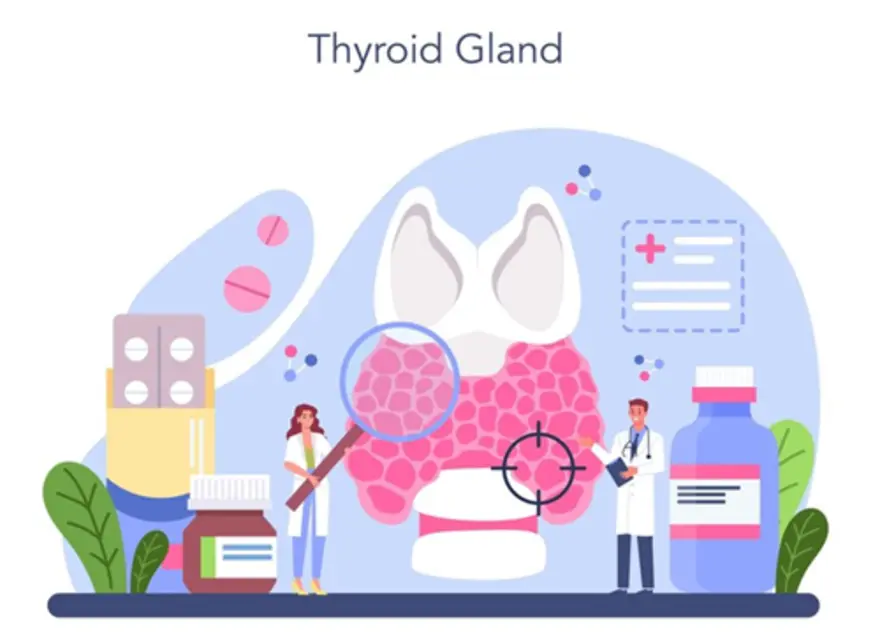
Table of Contents
- What is Hyperparathyroidism?
- Types of Hyperparathyroidism
- Symptoms of Hyperparathyroidism
- Causes of Hyperparathyroidism
- Risk Factors For Hyperparathyroidism
- Complications of Hyperparathyroidism
- How is Hyperparathyroidism Diagnosed?
- What Tests Do Providers Use To Diagnose Hyperparathyroidism?
- How is Hyperparathyroidism Treated?
- Prevention
- Conclusion
- FAQs
It’s natural to feel concerned when facing unfamiliar health issues. Hyperparathyroidism is a condition that affects your body’s calcium balance and may lead to a variety of symptoms over time. While it might sound serious, many people manage it well once they understand what’s going on.
This guide is here to help you recognise the signs, understand the underlying causes, and explore treatment options. With the right support and information, you can take steps towards feeling better and protecting your long-term health. Let’s start by understanding what hyperparathyroidism really means.
What is Hyperparathyroidism?
Hyperparathyroidism happens when your parathyroid glands make too much parathyroid hormone (PTH), which affects the balance of calcium in your blood and bones. These glands are small and located behind your thyroid gland in the neck. When they become overactive, calcium levels rise, which can cause different symptoms or health concerns.
You might not notice anything at first, as it often develops slowly. But over time, it can impact your bones, kidneys, and muscles. Understanding this condition helps you take better care of your body and make informed choices about your health.
Types of Hyperparathyroidism
There are three main types of hyperparathyroidism. Each one has different causes and may need a different treatment approach.
- Primary hyperparathyroidism occurs when one or more parathyroid glands become overactive without another health condition triggering it. It’s the most common type and usually caused by a non-cancerous growth or gland enlargement.
- Secondary hyperparathyroidism happens as a response to low calcium levels, often due to kidney disease or vitamin D deficiency. Your glands work harder to balance calcium.
- Tertiary hyperparathyroidism develops when the parathyroid glands remain overactive even after the original cause of secondary hyperparathyroidism has been treated, such as after a kidney transplant.
Symptoms of Hyperparathyroidism
Symptoms may be mild or go unnoticed at first. But over time, hyperparathyroidism can lead to changes that affect your daily life.
- Tiredness and fatigue that don’t improve with rest, which is often one of the first things you might notice.
- Bone or joint pain, especially in the arms, legs, or lower back, may develop over time due to calcium being pulled from your bones.
- Kidney stones, which may cause pain in your side or back and may be linked to too much calcium in the urine.
- Muscle weakness or aches, making it harder to do daily tasks or stay active.
- Abdominal pain, nausea, or loss of appetite, which might be caused by digestive system changes linked to high calcium levels.
- Mood changes, including depression or difficulty concentrating, can occur due to altered calcium levels affecting brain function.
- Excessive thirst or urination, especially with secondary hyperparathyroidism, where the kidneys are already struggling.
Causes of Hyperparathyroidism
The causes depend on the type of hyperparathyroidism you have. Understanding the reason behind your condition is the first step toward choosing the right treatment path.
Causes of Primary Hyperparathyroidism
- A non-cancerous tumour (adenoma) in one of your parathyroid glands is the most common cause.
- Enlargement (hyperplasia) of more than one gland can also lead to primary hyperparathyroidism.
- Rarely, parathyroid cancer might be involved.
- Certain inherited conditions, like multiple endocrine neoplasia (MEN) syndromes, can increase the risk of primary hyperparathyroidism.
- Radiation exposure to the neck in the past can also be a factor.
Causes of Secondary Hyperparathyroidism
- Long-term kidney disease is the most common cause of secondary hyperparathyroidism, affecting calcium and phosphate balance.
- Severe vitamin D deficiency, which reduces calcium absorption from food, leads the glands to produce more PTH.
- Low blood calcium levels from dietary issues or gut problems may also trigger secondary hyperparathyroidism.
- Certain medications, like phosphate binders or anticonvulsants, can interfere with calcium or vitamin D.
- Gastrointestinal diseases such as coeliac disease may reduce calcium and vitamin D absorption.
Causes of Tertiary Hyperparathyroidism
- Long-standing secondary hyperparathyroidism that doesn’t return to normal after treatment can lead to tertiary hyperparathyroidism.
- Kidney transplants that fail to correct overactive glands are a common cause.
- Parathyroid gland enlargement due to chronic overstimulation.
- Delayed correction of calcium imbalance after dialysis can result in tertiary hyperparathyroidism.
- Rarely, gland changes become permanent even after underlying causes are addressed.
Risk Factors For Hyperparathyroidism
Some factors may raise your risk of developing hyperparathyroidism. Knowing these can help you stay aware and talk to your doctor early.
- Being over the age of 50, as this condition is more common with ageing and hormone changes.
- Family history of hyperparathyroidism or endocrine disorders can increase your risk, especially in primary hyperparathyroidism.
- Chronic kidney disease is a major risk for secondary hyperparathyroidism due to its effect on calcium and phosphorus levels.
- Low vitamin D levels, whether due to poor diet or limited sun exposure, can contribute to the development of secondary hyperparathyroidism.
- Having undergone radiation therapy to the neck, which may damage or affect the parathyroid glands.
- Some inherited genetic conditions can raise the likelihood of developing primary hyperparathyroidism.
- Long-term use of certain medications, including lithium or thiazide diuretics, can affect calcium balance and gland function.
Complications of Hyperparathyroidism
If not managed properly, hyperparathyroidism can cause complications. Being aware helps you take steps to protect your health.
- Osteoporosis and fragile bones can result from long-term calcium loss from your bones, especially in primary hyperparathyroidism.
- Kidney stones and decreased kidney function can occur, particularly in secondary hyperparathyroidism, where excess calcium accumulates in the kidneys.
- Cardiovascular problems, such as high blood pressure or heart rhythm issues, may occur in severe or long-standing cases.
- Nerve and muscle problems, like cramps or weakness, can happen when calcium levels drop too low or rise too high.
- Cognitive changes, including memory issues or depression, may be noticed, particularly in untreated primary hyperparathyroidism.
- Parathyroid crisis, a rare but severe spike in calcium levels, can cause confusion, dehydration, and may require hospitalization.
How is Hyperparathyroidism Diagnosed?
Diagnosing hyperparathyroidism starts with recognising signs and confirming them through medical tests. This helps guide the right care plan.
- Blood tests to measure calcium and PTH levels are often the first step in checking for overactive parathyroid glands.
- Bone density tests, especially if you're showing signs of bone thinning or fractures, help assess bone health and the risk of osteoporosis.
- Urine calcium levels, to check how much calcium your body is getting rid of, can point toward primary hyperparathyroidism.
- Vitamin D levels are assessed to rule out secondary hyperparathyroidism or identify overlapping conditions.
- Kidney function tests are especially important if you're at risk for secondary hyperparathyroidism, as they can help detect early signs of kidney-related issues.
- Physical examination and medical history review help your healthcare provider understand your overall risk.
What Tests Do Providers Use To Diagnose Hyperparathyroidism?
Your doctor may suggest several tests to confirm hyperparathyroidism and understand its cause and severity.
- Serum calcium test checks for high calcium levels in the blood, a key marker of primary hyperparathyroidism.
- Parathyroid hormone (PTH) test, which confirms if your glands are producing too much hormone.
- 25-hydroxy vitamin D test, which is particularly used to investigate secondary hyperparathyroidism linked to vitamin D deficiency.
- Creatinine and eGFR blood tests, which assess kidney function and help identify secondary hyperparathyroidism risks.
- Sestamibi scan or neck ultrasound, which may be used to locate overactive glands in cases of primary hyperparathyroidism.
- DEXA scan, to check for osteoporosis or bone thinning, especially in long-term tertiary hyperparathyroidism.
How is Hyperparathyroidism Treated?
The treatment for hyperparathyroidism depends on its type and severity. Not every case requires surgery. Your doctor will guide you through the best option for your health and comfort.
Treatment For Primary Hyperparathyroidism
Mild cases of primary hyperparathyroidism may only need regular monitoring of calcium and bone health. If symptoms or complications appear, surgery to remove the overactive gland may be recommended. This is often a long-term solution and is generally successful in restoring balance.
Treatment For Secondary Hyperparathyroidism
Secondary hyperparathyroidism is usually managed by treating the underlying cause, such as kidney disease or low vitamin D. This may include vitamin D supplements, phosphate binders, and changes in diet. Dialysis patients may need medication to manage PTH levels more effectively.
Treatment For Tertiary Hyperparathyroidism
In tertiary hyperparathyroidism, surgery to remove some of the parathyroid tissue is often necessary, especially when PTH levels stay high after a kidney transplant. Medication may also be used to control calcium and phosphorus levels if surgery isn’t an option.
Prevention
While not all forms of hyperparathyroidism can be prevented, taking steps to protect your bones, kidneys, and calcium balance is helpful.
- Maintain good kidney health through proper hydration, blood pressure control, and managing conditions like diabetes.
- Get enough vitamin D from sunlight and diet to reduce the risk of secondary hyperparathyroidism.
- Follow a balanced diet with enough calcium but not excessive amounts, especially if you have kidney issues.
- Monitor long-term medication use, especially drugs known to affect calcium or PTH levels.
- Address nutrient deficiencies early, especially if you’ve had digestive issues that affect absorption.
- Keep regular medical check-ups, particularly if you have conditions linked to primary hyperparathyroidism or a family history.
Conclusion
Hyperparathyroidism can affect your health in many ways, but early understanding and diagnosis make a big difference. Whether it’s primary hyperparathyroidism, secondary hyperparathyroidism, or tertiary hyperparathyroidism, managing it with proper tests and treatment is key to better well-being.
To ensure accurate diagnosis and personalised care, consider Metropolis Healthcare. With expert pathologists, advanced testing, and convenient home sample collection, they make the process reliable and stress-free for you.
FAQs
What can I expect if I have hyperparathyroidism?
You may experience fatigue, bone pain, or kidney issues, but proper treatment helps you feel better.
How effective is surgery for hyperparathyroidism?
Surgery is highly effective, especially for primary hyperparathyroidism, offering long-term relief and restoring calcium balance.
How long can you live with hyperparathyroidism?
With timely diagnosis and proper management, you can live a full, healthy life with hyperparathyroidism.
What happens if you have hyperparathyroidism?
Your calcium levels rise, which may cause symptoms like tiredness, bone loss, and kidney stones.
How to check for hyperparathyroidism?
Blood tests checking calcium and PTH levels are the first step in diagnosing hyperparathyroidism accurately.