Home Visit
 Upload






Preventive Healthcare
7 Health Benefits of Horsetail: A Natural Remedy for Hair, Skin, and Bones
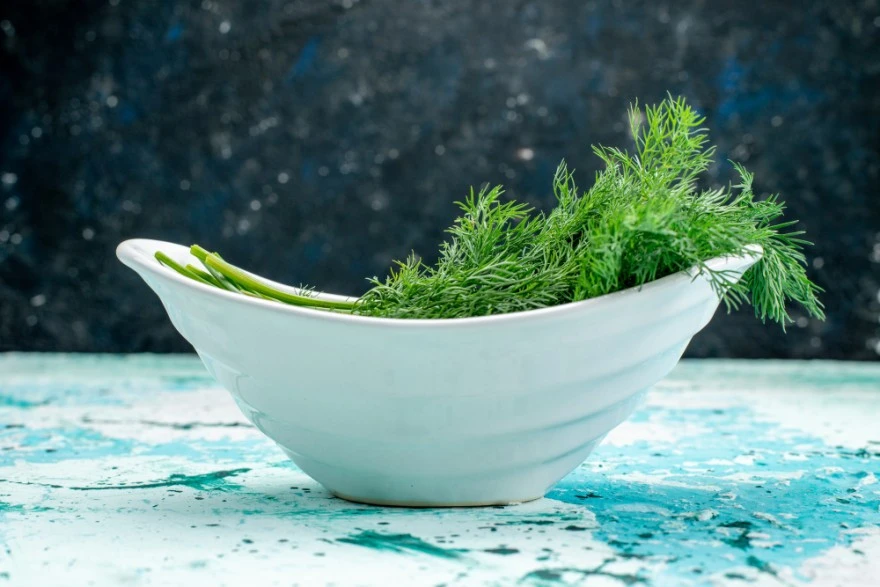
Table of Contents
What is Horsetail?
Horsetail, scientifically known as Equisetum arvense is a distinctive, fern-like perennial herb that has been valued in traditional medicine for more than 2,000 years. This remarkable horsetail plant grows wild across Europe, Asia, and North America, thriving in moist soils, marshes, and wetland areas. Unlike typical flowering plants, the horsetail herb reproduces through spores, giving it a prehistoric appearance with jointed stems and scale-like leaves.
According to research published in Food and Nutrition Sciences, what makes horsetail truly exceptional is its extraordinary silica content, which can comprise up to 25% of its dry weight. This high concentration of silica, combined with flavonoids, phenolic acids, and various minerals, creates a powerful natural remedy. The horsetail plant also contains essential nutrients including calcium, magnesium, potassium, and iron, making it a comprehensive botanical supplement.
Traditional healers have long recognized horsetail’s benefits for supporting connective tissue health, promoting urinary function, and enhancing the strength of hair, skin, and nails. Modern research continues to validate many of these traditional uses, particularly focusing on how the horsetail herb supports structural tissues throughout the body.
Nutritional Value of Horsetail
|
Nutritional / Bioactive Category |
Components Identified |
Presence |
|
Macronutrients |
Carbohydrates, proteins, amino acids |
Present (qualitative) |
|
Minerals |
Silicic acid, calcium, potassium, aluminium, sulphur, phosphorus, sodium, zinc, magnesium, manganese |
Silicic acid & silicates: 5–8%; Calcium: 1.3%; Potassium: 1.8% |
|
Silicon Compounds |
Silicic acid, silicates |
5–7.7% |
|
Vitamins |
Ascorbic acid (Vitamin C) |
Present |
|
Phenolic Compounds |
Protocatechuic acid, caffeic acid, chlorogenic acid, isoquercitrin, apigenin, kaempferol |
Total phenolics: 96.4 mg/g (n-butanol extract), 26.4 mg/g (ethyl acetate extract), 15.4 mg/g (aqueous extract) |
|
Flavonoids |
Apigenin, kaempferol, quercetin, luteolin and their glycosides |
0.6–0.9% total flavonoids |
|
Alkaloids |
Nicotine, palustrine, palustrinine, pyridine alkaloids |
Present |
|
Triterpenoids & Sterols |
Phytosterols, sterols, triterpenoids |
Present |
|
Saponins & Tannins |
Saponins, tannins |
Present |
|
Organic Acids & Esters |
Tartaric acid, caffeic acid esters, dicoffeoyl-meso-tartaric acid |
Caffeic acid esters up to 1% |
|
Nucleosides & Amino Acids |
Uridine, inosine, thymidine, tryptophan, deoxy-nucleosides |
Present |
|
Glycosides |
Equisetumosides A, B, C; coniferin |
Present |
|
Volatile Compounds |
Hexahydrofarnesyl acetone, cis-geranyl acetone, thymol, trans-phytol |
Major constituents: 18.34%, 13.74%, 12.09%, 10.06% |
7 Key Health Benefits of Horsetail
1. Supports Bone Health and Mineralisation
The horsetail plant stands out as one of nature's richest sources of bioavailable silica. This trace mineral plays a crucial role in supporting collagen synthesis and enhancing calcium absorption and utilisation. These processes help maintain bone density while supporting the structural integrity of cartilage and connective tissue. Research suggests that silica from horsetail may help prevent bone demineralisation, particularly beneficial for individuals concerned about osteoporosis.
2. Promotes Hair Strength and Growth
The combination of silica and antioxidants in horsetail extract for hair applications has shown promising results in improving hair fibre strength and reducing breakage. Silica contributes to the structural integrity of hair shafts, potentially leading to thicker, more resilient hair. Regular use of horsetail extract in hair care routines may improve texture and reduce breakage.
3. Supports Skin, Nail, and Connective Tissue Health
The horsetail plant's high silica content makes it invaluable for maintaining healthy skin and connective tissues. Silica supports collagen formation, which is essential for skin elasticity, wound healing, and overall skin appearance. Regular consumption of horsetail may contribute to firmer, more youthful-looking skin.
Additionally, horsetail benefits extend to nail health, with many users reporting stronger, less brittle nails after consistent use. The herb's antioxidant compounds help protect skin cells from oxidative damage, potentially slowing visible signs of ageing and supporting the skin's natural repair processes.
4. Acts as a Mild Natural Diuretic
Traditional medicine has long recognised horsetail as a gentle diuretic, and modern research supports this application. The horsetail herb can increase urine output, helping the body eliminate excess water and supporting kidney function. This diuretic effect may benefit individuals experiencing mild water retention or bloating.
However, it's important to note that while horsetail benefits include diuretic properties, it should never replace prescribed medications for serious kidney or cardiovascular conditions without medical supervision.
5. Provides Antioxidant Protection
The horsetail plant contains abundant phenolic compounds and flavonoids that exhibit significant antioxidant activity. These compounds help neutralize free radicals that can damage cells and accelerate visible signs of aging and various health conditions. Research demonstrates that horsetail's antioxidant capacity may support cardiovascular health, protect against oxidative stress, and contribute to overall cellular health.
6. May Support Blood Sugar Regulation
Emerging evidence suggests that horsetail may help support healthy blood sugar management. Animal studies have shown that horsetail extracts can help lower blood glucose levels and may support pancreatic function. While these findings are preliminary and require more human research, they suggest promising possibilities for metabolic health support. Individuals with diabetes should consult healthcare providers before using horsetail, as it may interact with diabetes medications and require monitoring of blood sugar levels.
7. Contributes to Urinary Tract and Wound Support
Traditional applications of the horsetail herb include supporting urinary tract health and promoting wound healing. The herb's mild antimicrobial and astringent properties may contribute to these effects. Some people use horsetail topically for minor skin irritations or consume it to support urinary tract comfort.
While these horsetail benefits are supported by traditional use, it’s important to seek medical advice for serious urinary tract issues or significant wounds.
How to Use Horsetail for Maximum Benefits
• Consult healthcare professionals first, especially if you have chronic conditions, take prescription medications, are pregnant or breastfeeding, or plan extended use
• Choose standardised products that specify Equisetum arvense, are free from contaminants, and ideally standardized for silica content
• Follow recommended doses only, adhering to product labelling or professional guidance, as optimal human dosing isn't firmly established
• Limit duration of use since long-term continuous intake may contribute to vitamin B1 depletion due to horsetail's thiaminase enzyme activity
• Ensure adequate dietary vitamin B1 and overall nutrient intake, particularly with regular horsetail use
• Monitor for side effects including gastrointestinal upset, skin reactions, or neurological symptoms such as confusion, fatigue, or irritability
• Avoid self-treating serious conditions such as osteoporosis, kidney disease, or cardiovascular problems with horsetail alone
Potential Side Effects and Risks of Horsetail
While the horsetail plant is generally considered safe for short-term use in healthy adults, several important considerations merit attention. The herb contains thiaminase, an enzyme that can break down vitamin B1 (thiamine), potentially leading to deficiency with prolonged use. This is particularly concerning for individuals with limited thiamine intake or those consuming alcohol regularly.
Some people may experience gastrointestinal upset, including nausea or stomach irritation, when first using horsetail. Skin reactions are also possible, especially with topical applications. The horsetail herb's diuretic effects may cause electrolyte imbalances if used excessively or combined with other diuretics. Additionally, horsetail may interact with certain medications, including lithium and diabetes drugs, potentially altering their effectiveness.
Quality control represents another significant concern, as horsetail products may contain heavy metals or other contaminants if not properly sourced and tested. Always choose reputable suppliers who provide third-party testing results for their horsetail products.
Who Should Avoid Horsetail?
Certain individuals should exercise particular caution or avoid horsetail entirely. Pregnant and breastfeeding women should not use horsetail, as safety data for these populations is insufficient. People with kidney disease, heart disease, kidney issues, or electrolyte imbalances should avoid horsetail due to its diuretic effects.
Children and adolescents under 18 should not use horsetail supplements without medical supervision. Individuals with known allergies to plants in the Equisetaceae family should avoid horsetail products. Those taking prescription medications, particularly diuretics, diabetes medications, or lithium, should consult healthcare providers before using the horsetail herb.
People with chronic alcoholism or severe malnutrition face increased risk of thiamine deficiency and should not use horsetail. If you're scheduled for surgery, discontinue horsetail use at least two weeks beforehand, as it may affect blood sugar control during and after procedures.
Conclusion
The horsetail plant offers remarkable potential for supporting hair, skin, and bone health through its unique nutritional profile. From promoting stronger hair growth to supporting bone mineralisation, horsetail benefits span multiple aspects of wellness. However, responsible use requires understanding both the potential advantages and risks associated with this powerful herb.
Remember, while horsetail extract for hair and skin shows promise, it works best as part of a comprehensive wellness plan rather than a standalone remedy. Always prioritise professional medical guidance, especially for serious health concerns or when combining horsetail with other treatments.
At Metropolis Healthcare, we understand that optimal health requires both natural wellness strategies and precise diagnostic insights. With our comprehensive portfolio of over 4,000 tests and profiles, we can help you monitor key health markers that complement your natural health journey. Our convenient home sample collection service, available across 10,000+ touchpoints throughout India, makes it easy to track your progress and ensure your wellness approach is working effectively.
FAQs
What is horsetail used for?
Horsetail is primarily used for supporting hair strength, skin health, bone density, and as a mild diuretic. Traditional applications include wound healing and urinary support through its high silica content and beneficial compounds.
What are the benefits of horsetail for hair?
Horsetail extract for hair provides silica and antioxidants that strengthen hair fibres, potentially reduce breakage, and improve shine. The herb supports keratin formation, contributing to healthier, more resilient hair strands overall.
Is horsetail safe to take daily?
Short-term daily use is generally considered safe for healthy adults, but prolonged use may cause thiamine deficiency. Consult healthcare providers for personalised guidance, especially for extended supplementation periods or existing conditions.
Can horsetail help with bones and joints?
Yes, horsetail's exceptional silica content supports bone formation and density by enhancing collagen synthesis and calcium utilisation. However, it should complement, not replace, established bone health strategies and medical treatments.
References
1. https://www.iosrphr.org/papers/v7i2V1/D0702013142.pdf
2. https://www.scirp.org/journal/paperinformation?paperid=31014
3. https://jddtonline.info/index.php/jddt/article/view/4413/3336
4. https://www.sciencedirect.com/science/article/pii/S2667031323000404
5. https://www.ncbi.nlm.nih.gov/books/NBK583202/