Home Visit
 Upload






Preventive Healthcare
10 Health Benefits of Honeydew: A Delicious and Nutritious Fruit
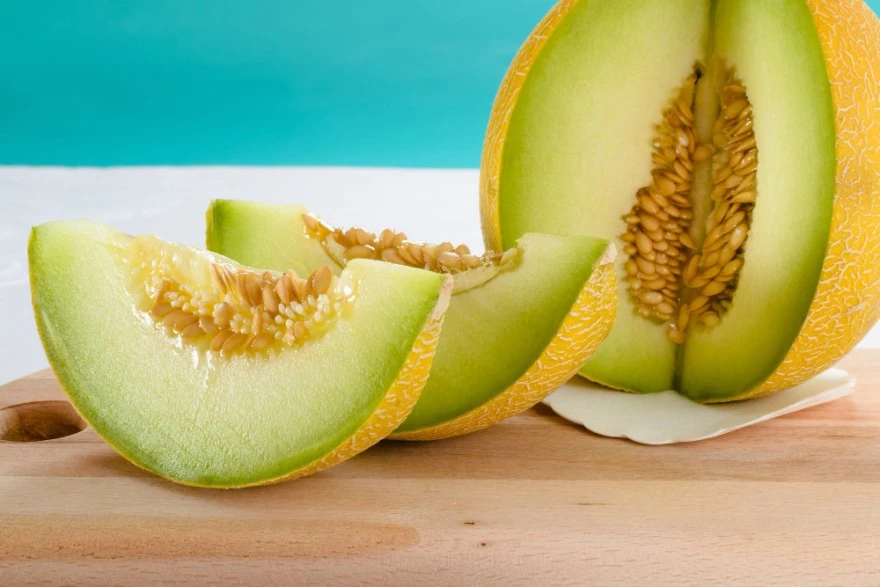
Table of Contents
What is Honeydew Melon?
Honeydew melon is scientifically called Cucumis melo and shares a close botanical similarity with cantaloupe. This climbing vine produces smooth, cream-coloured fruits with distinctively sweet, pale green flesh inside. The honeydew's natural sweetness comes from its balanced sugar content, while maintaining relatively low calories compared to many other sweet foods.
Fresh honeydew contains approximately about 90% water by weight, making it an excellent choice for hydration during hot weather or after physical activity. The fruit's smooth exterior protects tender, juicy flesh that offers a mild, refreshing flavour profile. Unlike some melons, honeydew maintains consistent sweetness throughout the flesh, from the outer edges to the central seed cavity.
You’ll recognize quality honeydew by its slightly waxy skin and sweet aroma near the stem end. When ripe, the fruit yields slightly to gentle pressure and develops a creamy yellow undertone on its surface.
Nutritional Value of Honeydew Melon
According to the USDA, here's the nutritional breakdown per 100 gm of raw honeydew melon:
|
Nutrient |
Amount (per 100g) |
|
Calories |
36 kcal |
|
Protein |
0.54 g |
|
Total Fat |
0.14 g |
|
Carbohydrate |
9.09 g |
|
Total Fibre |
0.8 g |
|
Total Sugars |
8.12 g |
|
Calcium |
6 mg |
|
Iron |
0.17 mg |
|
Magnesium |
10 mg |
|
Phosphorus |
11 mg |
|
Potassium |
228 mg |
|
Sodium |
18 mg |
|
Vitamin C |
18 mg |
|
Vitamin A |
50 IU (1 μg RAE) |
10 Health Benefits of Honeydew
1. Excellent Hydration and Electrolyte Balance
The high water content in honeydew makes it an excellent choice for maintaining proper hydration levels. When you're feeling dehydrated after exercise or during hot weather, honeydew provides both fluids and essential electrolytes like potassium and magnesium. This natural hydration support helps maintain energy levels and supports optimal bodily functions.
2. Powerful Immune System Boost
Each cup of honeydew delivers approximately one-third to half of your daily vitamin C requirements. This powerful antioxidant strengthens immune cell function and may reduce the duration and severity of respiratory infections. Regular honeydew consumption during seasonal transitions can help maintain your body's natural defence mechanisms.
3. Heart Health Protection
The potassium content in honeydew supports cardiovascular health by helping regulate blood pressure. Low sodium levels combined with beneficial potassium create an ideal balance for heart function. Additionally, the antioxidants present help protect against oxidative stress that can damage blood vessels.
4. Enhanced Skin Health and Anti-Ageing
Vitamin C in honeydew plays a crucial role in collagen synthesis, supporting firm, resilient skin texture and efficient wound healing. The fruit's water content helps maintain skin hydration from within, while carotenoids provide additional protection against oxidative damage.
5. Digestive Health Improvement
The dietary fibre in honeydew promotes healthy digestion by supporting regular bowel movements and feeding beneficial gut bacteria. This fibre also helps slow sugar absorption, preventing rapid spikes in blood glucose levels. The fruit’s high water content further supports smooth digestive function.
6. Weight Management Support
With only about 60 calories per cup (approx. 150 g), honeydew offers substantial volume and satisfaction without excessive energy intake. The fruit's high water content and modest fibre help increase meal satiety, potentially reducing overall calorie consumption when honeydew replaces higher-calorie snacks.
7. Blood Pressure Regulation
Honeydew's naturally low sodium content combined with meaningful potassium and magnesium levels support cardiovascular wellness. These minerals help regulate blood pressure and maintain normal heart rhythm. Diets rich in fruits like honeydew are consistently linked with reduced cardiovascular disease risk. The fruit's nutrient profile makes it particularly valuable for people managing hypertension or with a family history of heart conditions.
8. Bone Health Maintenance
The folate, vitamin K, and magnesium in honeydew all contribute to bone health. Folate helps break down homocysteine, which can weaken bones when levels become elevated. Vitamin K supports osteocalcin production, while magnesium enables healthy bone cell activity. These nutrients work together to maintain bone density as you age.
9. Antioxidant and Anti-inflammatory Properties
Honeydew contains various polyphenols, flavonoids, and hydroxycinnamic acids with demonstrated antioxidant capacity. These plant compounds help neutralise free radicals and may support overall health when included as part of a varied, plant-rich eating pattern. The anti-inflammatory potential of these compounds contributes to honeydew's comprehensive health benefits.
10. Eye Health Protection
Small amounts of beta-carotene, lutein, and zeaxanthin in honeydew act as antioxidants within eye tissues. These carotenoids may help protect retinal cells from oxidative damage caused by light exposure and environmental stress. Regular consumption of carotenoid-rich foods like honeydew supports long-term eye health, particularly as you age.
Conclusion: Enjoying Honeydew as Part of Your Diet
Honeydew melon stands out as a low-calorie, hydrating, and nutrient-dense fruit that delivers vitamin C, potassium, folate, and protective plant compounds in each refreshing serving. Including honeydew alongside other fruits and vegetables, whether in fruit salads, smoothies, or eaten fresh, supports hydration, digestion, heart health, immune function, and overall wellness as part of a balanced, varied eating approach.
The honeydew melon benefits extend beyond basic nutrition, offering practical advantages for people managing weight, blood pressure, or seeking natural hydration solutions. This naturally sweet fruit provides gentle nutrition that suits most dietary preferences and health goals.
At Metropolis Healthcare, we understand that optimal nutrition works hand in hand with regular health monitoring. Our comprehensive portfolio of more than 4,000 tests and profiles helps you track key health markers that reflect your dietary choices' impact. From vitamin levels to cardiovascular and metabolic health indicators, our advanced diagnostics provide insights that guide effective nutritional strategies. Our home sample collection service, spanning over 10,000 touchpoints across India, ensures convenient access to the health information you need.
FAQs
Is honeydew melon good for your health?
Yes, honeydew is exceptionally healthy. It's low in calories and fat while being rich in water, vitamin C, potassium, folate, vitamin B6, and other essential nutrients, along with fiber and antioxidants that promote overall wellness.
What are the side effects of honeydew melon?
Honeydew is generally very safe, though its natural sugar content may affect blood glucose in diabetics. Rare allergic reactions or mild digestive upset due to fiber are possible. Consume in moderation as part of a balanced diet.
Can honeydew melon help with weight loss?
• Low calorie content (61 calories per cup) supports calorie-controlled diets
• High water and fibre content promote satiety without excess energy intake
• Natural sweetness helps satisfy cravings healthily
• Supports hydration during exercise routines
Is honeydew melon good for digestion?
Yes, honeydew's fibre content promotes regular bowel movements, slows blood sugar absorption, and supports healthy gut bacteria growth, improving overall digestive health when consumed as part of a balanced diet.
How much honeydew melon should I eat daily?
• 1-2 cups provides optimal nutrients without excessive sugar intake
• Aligns with recommended 2 cups daily fruit intake for adults
• Adjust portions based on activity levels and individual dietary needs
• Monitor intake if managing blood sugar levels
References
1. https://www.mdpi.com/2223-7747/10/9/1755
2. https://fdc.nal.usda.gov/food-details/169911/nutrients
3. https://www.mayoclinichealthsystem.org/hometown-health/speaking-of-health/melons-pack-a-nutritional-punch
4. https://pmc.ncbi.nlm.nih.gov/articles/PMC8469201/