Home Visit
 Upload






Preventive Healthcare
Five Sense Organs: How They Work Together
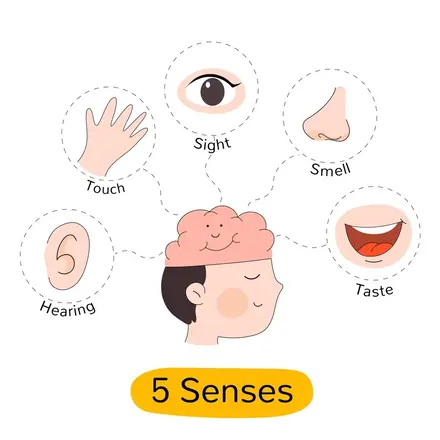
Table of Contents
Have you ever marveled at how you experience the vibrant sights, melodious sounds, tantalizing smells, delightful tastes, and soothing touches that make life so rich? It's all thanks to the intricate workings of your five sense organs. The eyes, ears, nose, tongue, and skin are the gateways through which you perceive and interact with the world around you.
These remarkable human sense organs not only enrich your daily experiences but also play a vital role in keeping you safe and healthy. So how exactly do the five sense organs work together to help you navigate and enjoy your environment? Let's take a closer look.
What are the sense organs?
The human body has five sense organs that allow us to perceive and interact with the environment. These include the eyes (sight), ears (hearing), nose (smell), tongue (taste), and skin (touch). Each of these organs plays a crucial role in gathering information and sending signals to the brain for processing.
Sense organ functions vary based on the stimuli they detect. The eyes capture light and colour, helping us see. The ears process sound waves and maintain balance. The nose detects different odours, while the tongue identifies sweet, sour, salty, bitter, and umami tastes. The functions of the skin are to respond to temperature, pressure, and pain, allowing us to feel sensations. Together, these five types of sense organs help us navigate daily life and stay aware of our surroundings.
Functions of the Five Sense Organs
Now that we know what the main human sense organs are, let's explore in more detail how each one works to provide a specific sense. Sense organ functions are essential for perceiving the world, as each organ detects different types of stimuli and transmits signals to the brain. While they have distinct roles, the five sense organs often work together, sending integrated information to the brain to create a unified perceptual experience. This coordination allows us to respond effectively to our surroundings and enhances our ability to interact with the environment.
Eyes: Sense of Sight
Your eyes are your windows to the visual world. But have you ever wondered how they transform light into the colourful, detailed images you see? It all starts when light enters the eye through the clear, dome-shaped cornea. The light then passes through your pupil, the opening in the centre of the coloured iris, and is focused by the lens onto the retina at the back of the eye.
The retina is lined with millions of light-sensitive cells called rods and cones. Rods enable you to see in dim light, while cones allow you to perceive colors and fine details. These photoreceptors convert the light into electrical signals, which then travel along the optic nerve to the visual cortex in the brain, where the image is processed and interpreted.
Incredibly, the sense organs of sight—the eyes—are capable of distinguishing about 10 million different colours! However, many eye conditions can impair this vital sense, such as nearsightedness, farsightedness, and astigmatism. Regular eye check-ups can help detect and manage such issues early, preserving your precious gift of sight.
Ears: Sense of Hearing
From the chirping of birds to the laughter of loved ones, your ears open up the world of sound. But the process of hearing is a fascinating sequence of events. It begins when sound waves enter the ear canal and cause the eardrum to vibrate. These vibrations are then amplified by the three smallest bones in the body: the malleus (hammer), incus (anvil), and stapes (stirrup) in the middle ear.
The stapes transfer the amplified vibrations to the cochlea, a fluid-filled, snail-shaped structure in the inner ear. Rippling through the cochlear fluid, the vibrations bend tiny hair cells, triggering electrical signals that travel via the auditory nerve to the brain. The brain then processes these signals, allowing you to perceive sounds and their direction, volume, and pitch.
Remarkably, the sense organs responsible for hearing—the ears—can discern about 400,000 distinct sounds! However, exposure to loud noises, infections, aging, and certain medications can damage the delicate hair cells in the cochlea, leading to hearing loss.
Nose: Sense of Smell
From the aroma of freshly brewed coffee to the fragrance of blooming roses, your nose lets you experience the world of scents. Olfaction, or the sense of smell, begins when odour molecules enter the nostrils and dissolve in the mucus lining the roof of each nasal cavity. Embedded in this lining are millions of olfactory receptor cells, each with hair-like cilia that bind to specific odor molecules.
This binding triggers receptor cells to send electrical impulses via the olfactory nerve to the olfactory bulbs, which relay the signals to the brain's olfactory cortex. The brain then identifies the smell by matching the pattern of activated receptors with previously learned odor patterns. Interestingly, your sense of smell is closely linked with your memory and emotions, which is why certain scents can vividly evoke past experiences and feelings.
Did you know that the nose—one of the five sense organs—can detect over 1 trillion distinct smells? However, smoking, aging, head injuries, and certain illnesses like Parkinson's disease and Alzheimer's can impair this sensory superpower.
Tongue: Sense of Taste
The tantalising world of taste is brought to you by the thousands of taste buds dotting your tongue's surface. Each bud consists of 50–100 specialised gustatory receptor cells that detect the five basic tastes: sweet, salty, sour, bitter, and umami (savory). When food chemicals dissolve in saliva and interact with these receptors, electrical signals are generated and transmitted via facial nerves to the brain's gustatory cortex for identification.
However, what you perceive as the "flavour" of food is actually a combination of tastes detected by your tongue and aromas detected by your nose. This is why your sense of taste may seem diminished when you have a stuffy nose. In fact, the tongue is much more limited in its taste perception compared to the nose's smell capacity, distinguishing only about 5–6 taste categories.
Some factors that can affect your sense of taste include smoking, nutritional deficiencies, oral infections, and certain medications. If you experience persistent changes in how food tastes, consult your doctor to rule out any underlying issues.
Skin: Sense of Touch
As the body's largest sensory organ, your skin allows you to experience a wide range of tactile sensations, from the warmth of the sun to the softness of a fluffy blanket. Sense organ functions are vital for detecting and interpreting different stimuli, and the skin achieves this through a complex network of nerve endings and specialised receptors that detect touch, pressure, vibration, temperature, and pain.
For example, Meissner's corpuscles respond to light touch, Pacinian corpuscles detect pressure and vibration, Merkel's discs perceive sustained pressure, and Ruffini endings sense skin stretching. When these receptors are stimulated, they send electrical signals through sensory nerves to the brain's somatosensory cortex, which processes the information and generates the appropriate touch perception.
While incredibly sensitive, the skin's sensory acuity varies across different body parts. For instance, fingertips and lips are much more touch-sensitive than the back or legs, which is why using fingers to explore objects provides the most detailed tactile information.
Other Sense Organs
While we often focus on the traditional five senses, there are additional sensory systems that play crucial roles in our perception and interaction with the environment. Two of these lesser-known sense organs are the vestibular system, responsible for balance and coordination, and the proprioception system, which provides body awareness. The vestibular system, located in the inner ear, helps us maintain stability and spatial orientation. Proprioception, often called the "sixth sense," allows us to perceive the position and movement of our body parts without looking. These sense organs' functions are essential for smooth movement, posture control, and overall physical coordination.
Vestibular System (Balance and Coordination)
The vestibular system, located in the inner ear, is essential for maintaining balance and spatial orientation. It consists of the otolith organs (utricle and saccule) and the semicircular canals, which detect changes in head position and movement. When you tilt your head, spin around, or suddenly stop, the vestibular system helps you maintain equilibrium and prevents dizziness. It works closely with the visual and proprioceptive systems to ensure smooth movement and coordination.
An interesting fact: The vestibular system is so sensitive that it can detect head movements as small as 0.004 degrees! This incredible precision allows us to stay steady while walking, running, or even standing still in a moving environment.
Proprioception System (Body Awareness)
Have you ever wondered how you can touch your nose with your eyes closed or walk without looking at your feet? This is thanks to the proprioception system, which allows us to sense the position and movement of our body parts without visual input.
Proprioceptors, located in muscles, tendons, and joints, constantly send information to the brain about the relative positioning of our limbs. Proprioception enables us to perform complex tasks, like playing musical instruments or typing on a keyboard, with incredible precision and coordination. It's like having a sixth sense that keeps track of our body's movements and adjusts muscle tension and joint positions accordingly.
How to Keep Sense Organs Healthy?
Maintaining the health of our sense organs is crucial for ensuring optimal sensory function throughout our lives. Our eyes, ears, nose, skin, and tongue help us perceive the world, and taking proper care of them ensures their longevity and efficiency. Here are essential tips for keeping each of the five sense organs healthy:
Eye Care Tips
The eyes are one of the most vital sense organs, allowing us to see and interpret the world around us. Keeping them healthy ensures good vision and prevents eye-related diseases.
- Schedule Regular Eye Exams: Visit an eye specialist at least once a year to detect and address any vision problems early on. Early diagnosis of conditions like cataracts, glaucoma, and macular degeneration can prevent severe damage.
- Wear Protective Eyewear: Use safety goggles or protective glasses when working with chemicals, sharp objects, or engaging in sports to prevent injuries.
- Maintain a Nutritious Diet: Consume foods rich in vitamins A and C, as well as omega-3 fatty acids, to support eye health. Carrots, spinach, citrus fruits, and fish are excellent choices.
- Reduce Screen Time: Prolonged exposure to screens can cause eye strain and fatigue. Follow the 20-20-20 rule: Every 20 minutes, look at something 20 feet away for 20 seconds.
Ear Care Tips
Our ears help us hear and maintain balance. Taking care of them can prevent hearing loss and other ear-related problems.
- Protect Against Loud Noises: Avoid prolonged exposure to loud music or noise. Use earplugs or noise-canceling headphones in noisy environments.
- Avoid Inserting Objects in the Ear: Refrain from using cotton swabs or any sharp objects inside your ears, as they can damage the eardrum or push wax deeper.
- Get Regular Hearing Tests: Hearing tests can help detect early signs of hearing loss. Consult an audiologist if you experience ringing in the ears (tinnitus) or difficulty hearing.
- Limit Use of Earphones: Using earphones at high volumes can damage your hearing. Keep the volume at 60% or lower and take breaks.
Nose and Smell Care Tips
The nose plays a crucial role in breathing and detecting scents. Keeping it healthy ensures a strong sense of smell and clear nasal passages.
- Keep Nasal Passages Moisturised: Use saline sprays or a humidifier, especially in dry environments, to prevent nasal dryness.
- Avoid Strong Chemicals and Pollutants: Exposure to harsh chemicals, smoke, or strong odors can damage olfactory receptors. Wear a mask if necessary.
- Quit Smoking: Smoking can dull your sense of smell and lead to respiratory problems.
- Practice Good Hygiene: Regularly clean your hands and avoid touching your nose to prevent infections like colds and sinusitis.
Skin Care Tips
The skin is the largest sense organ and is responsible for touch, temperature detection, and protection from external elements.
- Use Sunscreen: Apply sunscreen with an adequate SPF to protect against harmful UV rays that can cause premature aging and skin cancer.
- Keep Skin Moisturised: Dry skin can become irritated and lose sensitivity. Use a good-quality moisturiser to keep your skin healthy and hydrated.
- Be Gentle When Cleansing: Avoid harsh soaps and scrubbing too hard, as this can damage the skin barrier and reduce tactile sensitivity.
- Stay Hydrated: Drink plenty of water to maintain skin elasticity and overall health.
- Eat a Balanced Diet: Consume foods rich in vitamins E and C to promote healthy skin.
Tongue and Taste Care Tips
The tongue helps us taste and digest food. Keeping it clean and healthy ensures an optimal sense of taste and prevents infections.
- Maintain Good Oral Hygiene: Brush your teeth twice daily, floss regularly, and clean your tongue to prevent bacterial buildup.
- Stay Hydrated: A dry mouth can reduce your ability to taste. Drinking enough water keeps the tongue moist and functioning properly.
- Consume a Balanced Diet: Zinc, iron, and vitamin B12 are essential for maintaining taste bud health. Include nuts, lean meat, and dairy in your diet.
- Avoid Excessive Sugar and Spicy Foods: Too much sugar can cause oral infections, while very spicy foods can irritate taste buds.
- Avoid Smoking and Alcohol: These substances can dull your sense of taste over time.
Frequently Asked Questions
What is the function of sense organs?
Sense organs are specialised structures that allow us to perceive and interact with the world around us. They gather information about our environment, such as sights, sounds, smells, tastes, and tactile sensations, and transmit this information to the brain for interpretation. Sense organs functions are essential for our survival, safety, and enjoyment of life.
Which is the largest sense organ?
The skin is the largest sense organ in the human body. It is responsible for the sense of touch, allowing us to perceive temperature, pressure, pain, and texture. The skin covers an impressive surface area of approximately 2 square meters in adults, making it the most extensive of the five sense organs.
Can a person have no sense of touch?
While extremely rare, there are conditions that can impair or eliminate a person's sense of touch. For example, individuals with certain neurological disorders or nerve damage may experience reduced or absent tactile sensation. However, a complete lack of touch sensation is highly uncommon and would significantly impact an individual's ability to interact with their environment safely.
What are olfactory organs?
Olfactory organs refer to the structures in the nose responsible for the sense of smell. The primary olfactory organ is the olfactory epithelium, which contains millions of olfactory receptors. These receptors detect odor molecules in the air and send signals to the brain, allowing us to perceive and distinguish between different scents.
Which part of the human ear maintains body balance?
The vestibular apparatus, located in the inner ear, is responsible for maintaining body balance and spatial orientation. It consists of the otolith organs (utricle and saccule) and the semicircular canals, which detect changes in head position and movement. The vestibular system works in conjunction with other sense organs, such as the eyes and proprioceptors, to keep us balanced and coordinated.
Conclusion
The five sense organs - eyes, ears, nose, tongue, and skin - along with the vestibular and proprioception systems, form an incredible network that allows us to perceive, interact with, and enjoy the world around us. By understanding how these sense organs work together and taking steps to maintain their health, we can ensure a more complete and fulfilling sensory experience throughout our lives.
At Metropolis Healthcare, we understand the importance of maintaining healthy sense organs. Our team of expert pathologists and technicians provide accurate and reliable diagnostic services, including tests related to sensory health. With our convenient at-home sample collection and user-friendly online reporting system, prioritising your well-being has never been easier.