Home Visit
 Upload






Preventive Healthcare
ERCP (Endoscopic Retrograde Cholangiopancreatography)
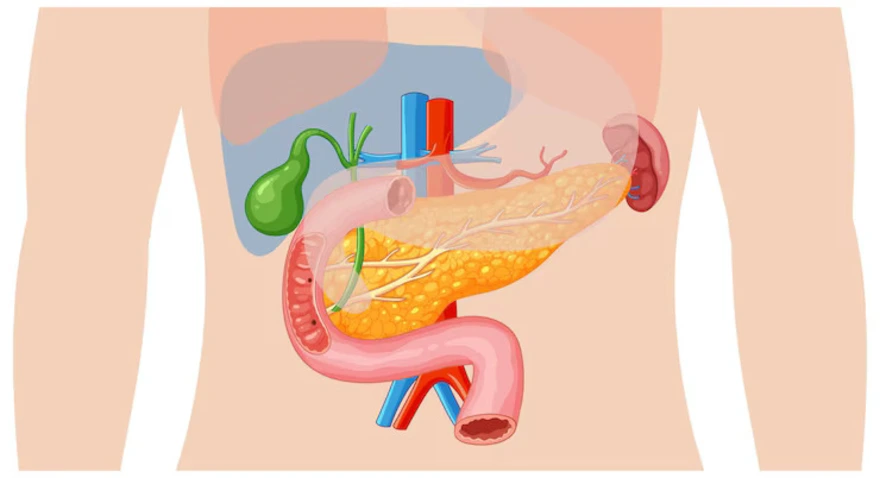
Table of Contents
What Is the ERCP Test?
ERCP or Endoscopic Retrograde Cholangiopancreatography is an advanced endoscopic test used to diagnose and treat problems in the bile ducts, pancreatic ducts, gallbladder, and liver. The ERCP test combines upper gastrointestinal endoscopy and X-ray imaging to visualise these ducts.
During an ERCP procedure, the doctor passes a thin, flexible tube called an endoscope through your mouth, oesophagus, and stomach into the duodenum (first part of the small intestine). A catheter is then inserted through the endoscope into the bile and pancreatic ducts. Contrast dye is injected to make these ducts visible on X-rays.
The ERCP test allows your doctor to detect any abnormalities like blockages, narrowing, stones, or tumours in the bile or pancreatic ducts. It also enables treatment procedures like stone removal or stent placement to open blocked ducts during the same session.
Although an endoscopic retrograde cholangiopancreatography test is generally safe, it does carry some risks. Therefore, it is usually recommended when less invasive tests are inconclusive and there is a clear need for treatment.
When Is ERCP Recommended?
Your doctor may advise an ERCP test if you have symptoms or test results suggesting a problem in your bile or pancreatic ducts, such as:
- Jaundice (yellowing of skin and eyes)
- Abdominal pain, especially in the upper right part
- Unexplained weight loss
- Dark urine or light-colored stools
- Elevated liver enzymes or bilirubin on blood tests
- Dilated bile ducts on imaging tests
Some specific conditions where an ERCP test may be recommended include:
- Gallstones or bile duct stones causing obstruction
- Blockage or narrowing of bile ducts due to scarring or tumors
- Pancreatitis, or inflammation of the pancreas
- Pancreatic tumors or cysts where biopsy or staging is needed
- Sphincter of Oddi dysfunction causing backup of bile and pancreatic juices
In many cases, an ERCP test is done with the intention of treatment, not just diagnosis. For example, your doctor can remove gallstones stuck in the bile duct, place a stent to relieve an obstruction, or take tissue samples for biopsy during the procedure.
How to Prepare for an ERCP Procedure
Proper ERCP preparation is key to a successful and safe procedure. Here's what you need to do:
- Fast for 6-8 hours before the procedure to ensure your stomach is empty. You may be allowed clear liquids up to 2 hours prior.
- Inform your doctor about all medications you take, especially blood thinners, diabetes medicines, and supplements. You may need to stop some of these temporarily.
- Discuss any allergies, especially to latex, sedatives, or contrast dyes.
- Arrange for someone to drive you home after the procedure, as you will be drowsy from the sedatives.
On the day of the ECRP procedure:
- Wear loose, comfortable clothing
- Remove any jewelry or dentures
- An IV line will be started to give you fluids and medications
Just before the procedure, you will be given a sedative to help you relax, and a local anaesthetic may be sprayed into your throat to prevent gagging. A mouth guard will be placed to protect your teeth and gums.
ERCP Test Procedure: Step-by-Step Overview
The ERCP procedure typically takes between 30-60 minutes and involves the following steps:
- Positioning: You will lie on your stomach or left side on an X-ray table.
- Sedation: Medicines will be given through the IV to make you relaxed and sleepy.
- Endoscope insertion: The doctor will gently insert the endoscope through your mouth, oesophagus, stomach, and into the duodenum. The camera sends images to a monitor.
- Duodenal papilla identification: The opening where the bile and pancreatic ducts empty into the duodenum (papilla) is located.
- Catheter and dye injection: A small catheter is passed through the endoscope into the papilla. Contrast dye is then injected into the ducts.
- X-ray imaging: X-rays are taken to look for blockages, stones, narrowing, or other abnormalities in the ducts.
- Treatments: Depending on the findings, the doctor may perform procedures like sphincterotomy (cutting the muscle around the duct opening), stone removal, stent placement, or tissue sampling.
- Endoscope removal: Once complete, the endoscope is gently withdrawn and the sedation wears off.
After the procedure, you will be monitored for any complications in a recovery area until the sedatives wear off. Your doctor will then discuss the findings with you and give instructions for follow-up care.
ERCP Test Risks and Complications
While ERCP is considered a safe procedure, it does carry some potential risks, including:
- Pancreatitis (inflammation of the pancreas): Occurs in 3-10% of patients, usually mild and resolving with treatment.
- Infection can develop if bacteria enter the bile ducts during the procedure.
- Bleeding may occur if a sphincterotomy or biopsy is done but is usually minor.
- Perforation is a rare complication where a tear occurs in the intestinal wall. May require surgical repair.
- Adverse reaction to sedatives or contrast dye: Notify your doctor if you have any allergies.
The risk of complications is higher in patients with certain conditions like cirrhosis, coagulopathy, or previous gastrointestinal surgery. Your doctor will discuss the specific risks and benefits of an endoscopic retrograde cholangiopancreatography in your situation.
ERCP vs. MRCP: What's the Difference?
ERCP and MRCP are both tests used to visualise the bile and pancreatic ducts, but they differ in some key ways:
ERCP:
- Invasive procedure using an endoscope and X-rays
- Allows for treatment procedures during the same session
- Carries risks of complications like pancreatitis, infection, bleeding
- Requires sedation and recovery time
- May not be suitable for patients with certain conditions
MRCP:
- Non-invasive imaging test using magnetic resonance imaging (MRI)
- Provides detailed images of the ducts without radiation exposure
- No treatment can be performed during the procedure
- Very low risk of complications, just those associated with MRI
- No sedation needed, so less recovery time
- Safe for most patients, even pregnant women and those with kidney problems
In general, MRCP is preferred for diagnosis when possible, while ERCP is used when there is a high suspicion of a problem requiring treatment. Sometimes, an MRCP may be done first, and if an abnormality is found, an ERCP is then performed.
What Do ERCP Results Mean?
The ERCP results will reveal if there are any problems in your bile or pancreatic ducts. Some possible findings include:
- Gallstones or bile duct stones
- Blockages or narrowing of ducts due to scarring, tumors, or other abnormalities
- Dilated ducts suggesting an obstruction
- Leaks in the ducts
- Tumors or growths in the pancreas, gallbladder, or bile ducts
- Sphincter of Oddi dysfunction
If any treatments like stone removal or stent placement were done during the procedure, this will also be noted in the results. Your doctor will explain what the specific findings mean in your case and discuss the next steps.
In some cases, ERCP results may be normal, meaning no clear problem was found. Further testing with other methods may be needed to determine the cause of your symptoms.
After the endoscopic retrograde cholangiopancreatography procedure, it's important to follow your doctor's instructions for recovery, including rest, diet, and any medications. Notify your healthcare provider immediately if you develop fever, severe abdominal pain, vomiting, or GI bleeding, as these may indicate a complication.
Summary: Is ERCP Right for You?
Endoscopic retrograde cholangiopancreatography (ERCP) is a specialised diagnostic and therapeutic endoscopic test used mainly for problems related to the bile and pancreatic ducts. Whether an ERCP test is appropriate for you depends on your symptoms, diagnostic findings, and treatment needs. Discuss the benefits, risks, and alternatives with your healthcare provider based on your specific situation.
When considering where to get your ERCP test done, look no further than Metropolis Healthcare. As a leading chain of diagnostic labs across India, Metropolis is known for its state-of-the-art facilities and commitment to delivering accurate results. Our expert team ensures a smooth ERCP preparation process, with convenient online report sharing via email and the user-friendly Metropolis TruHealth app.
FAQs
Is an ERCP test painful?
An endoscopic retrograde cholangiopancreatography procedure is generally not painful because patients receive sedatives and sometimes throat-numbing sprays to minimise discomfort. During the endoscopic test, a flexible endoscope passes through the mouth, throat, and stomach to the small intestine. While this may cause some gagging or stretching sensations, most people do not feel significant pain and may have little memory of the ERCP test afterwards.
What is the difference between ERCP and endoscopy?
Although both ERCP and endoscopy involve using a flexible tube with a camera (endoscope) inserted through the mouth, their purposes differ:
- An endoscopy primarily visually examines the upper gastrointestinal tract (oesophagus, stomach, and duodenum).
- ERCP combines endoscopy with X-rays to examine and treat problems specifically in the bile and pancreatic ducts by injecting a special dye into these ducts and taking images.
Is ERCP a major surgery?
Endoscopic retrograde cholangiopancreatography is not considered major surgery. It is a minimally invasive endoscopic procedure performed under sedation or anaesthesia, without external incisions. However, ERCP is more complex than a standard endoscopy because it involves examining and treating ducts using specialised tools through the endoscope.
Would I have an ERCP test for pancreatitis?
An ERCP procedure may be performed for pancreatitis, especially if caused by bile duct stones or strictures blocking the pancreatic duct. An ERCP test helps diagnose and sometimes treat the underlying cause, such as removing obstructions or placing stents to relieve blockages. Doctors often consider an ERCP test when pancreatitis is severe or recurrent.
How long does it take to get ERCP results?
The ERCP procedure itself usually takes 15 minutes to 2 hours, depending on the complexity. While some findings can be discussed immediately after the ERCP test, biopsy results or other laboratory analyses may take several days.
What are the indications of ERCP test?
Endoscopic retrograde cholangiopancreatography is indicated for diagnosing and treating conditions affecting the bile and pancreatic ducts, including:
- Blockages or narrowing of bile or pancreatic ducts
- Gallstones or bile duct stones causing obstruction
- Tumours in the bile ducts, pancreas, or gallbladder
- Abnormal liver function tests suggesting duct problems
- Severe or recurrent pancreatitis with suspected ductal causes
- Placement of stents to relieve obstructions
- Biopsy of suspicious areas within the ducts
Is cholecystectomy necessary after ERCP?
Cholecystectomy (gallbladder removal) is not always necessary after an ERCP test. It depends on the underlying condition. For example:
- If gallstones causing bile duct obstruction are removed during ERCP, and the gallbladder is diseased or symptomatic, your doctor may recommend cholecystectomy to prevent recurrence.
- However, ERCP alone may suffice if the gallbladder is healthy.
Who performs ERCP?
Specially trained gastroenterologists or surgeons with expertise in advanced endoscopy techniques perform ERCP tests. These specialists are trained in navigating the bile and pancreatic ducts and performing therapeutic interventions via the endoscope.
What is ERCP test cost?
The cost of an ERCP test varies based on factors like location, healthcare setting, procedure complexity, and insurance coverage.
Is ERCP safe?
ERCP is generally safe but carries some risks, including pancreatitis (pancreas inflammation), infections, bleeding, or perforation of the gastrointestinal tract.
The overall complication rate is low but higher than routine endoscopy.