Home Visit
 Upload






Preventive Healthcare
Drug Testing: Types, Uses & How Long Drugs Stay in Your System
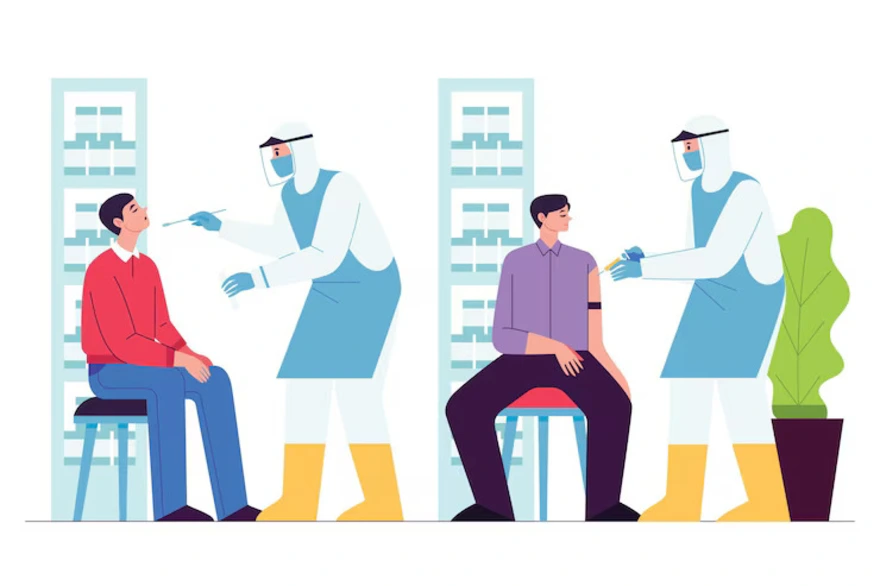
Table of Contents
- What Is a Drug Test?
- When and Why Is a Drug Test Recommended?
- Types of Drug Tests
- What will a drug test detect?
- Drug Testing Procedure: What to Expect
- How Accurate Are Drug Tests?
- Interpreting Drug Test Results
- Legal & Workplace Implications of Drug Testing
- Summary: Key Takeaways on Drug Testing
- FAQs
What Is a Drug Test?
A drug test is a scientific analysis performed on biological samples like urine, blood, hair, saliva or sweat to detect the presence of specific drugs or their metabolites in a person's body. These tests determine if an individual has recently used or is currently under the influence of certain drugs.
The most common type of drug test is a urine test, as it is non-invasive, easy to collect samples for and can detect a wide range of substances. Other types of drug tests include blood tests, which measure current intoxication levels and hair tests, which can reveal a longer history of drug use over the past few months.
When and Why Is a Drug Test Recommended?
Drug tests are recommended or required in various situations to detect the presence of illicit or prescription drugs, including:
- Pre-employment screening and random workplace testing, especially for safety-sensitive jobs
- Medical settings to monitor medication use or check for drug interactions
- Legal, forensic and criminal investigations
- Athletic programmes and competitions to screen for performance-enhancing drugs
- Addiction treatment and rehabilitation monitoring
The main reasons for conducting drug tests are:
- To maintain a safe work environment and ensure employees in high-risk jobs are not impaired
- To comply with national and state regulations for certain industries
- To identify and prevent substance abuse problems
- To avoid legal liability issues related to drug use
Types of Drug Tests
There are several types of drug tests, each with its own advantages and windows of detection:
- Urine tests: The most common drug test procedure, urine testing is affordable and minimally invasive. It can detect drugs used within the past few days. A sample is provided in a controlled environment.
- Blood tests: Though invasive and more expensive, blood testing is the most accurate way to measure current intoxication levels. Only a healthcare professional can perform the blood draw.
- Hair tests: Hair follicle tests have the longest detection window, up to 90 days, making them useful for checking for chronic substance use. A small hair sample is cut from the scalp.
- Saliva tests: Also called oral fluid tests, these are convenient and less prone to tampering. They're often used to test for very recent drug use, in the last few hours to 2-3 days. A swab is used to collect saliva from the mouth.
- Sweat tests: A newer method, sweat testing uses a patch worn on the skin to collect perspiration. The patch is worn for 14 days to test for drug use in that period. This is mostly used in rehabilitation or legal probation settings.
What will a drug test detect?
The substances detected in a drug test depend on the specific panel used. A basic 5-panel test checks for:
- Amphetamines (methamphetamine, speed, ecstasy/ MDMA)
- Cocaine
- Marijuana (THC)
- Opiates (heroin, morphine, codeine)
- Phencyclidine (PCP)
Extended 10-panel drug tests also screen for:
- Barbiturates
- Benzodiazepines
- Methadone
- Methaqualone
- Propoxyphene
In some cases, drug testing may be done for other substances like alcohol, anabolic steroids, hallucinogens, inhalants and synthetic cannabinoids. The detection windows vary based on the type of drug and its half-life, sample type, the dose taken and individual metabolism.
Drug Testing Procedure: What to Expect
The exact drug test procedure depends on the sample type being collected.
Urine test:
- You'll be given a specimen cup and directed to provide a urine sample in the restroom.
- A same-gendered collector may accompany you to prevent tampering.
- You'll need to provide a sufficient sample amount, usually 45 ml.
- The sample is sealed with tamper-evident tape and sent to the lab.
Blood test:
- A phlebotomist will clean the draw site with an antiseptic wipe.
- A tourniquet is applied and a needle inserted into your vein.
- Several vials of blood are collected into tubes.
- Afterwards, a bandage is placed on the puncture site.
Hair test:
- The collector will cut about 100 strands of hair close to your scalp.
- The sample is wrapped in foil and placed in a secure envelope.
- At the lab, the hair is washed, pulverised, dissolved and tested for drug metabolites.
Saliva test:
- You'll be asked to rinse your mouth with water to remove any food debris.
- The collector will swab the inside of your cheek and gums thoroughly.
- The swab is sealed in a tube and sent for screening.
Sweat test:
- A tamper-proof sweat patch is applied to your upper arm.
- You wear the patch for 14 days, allowing it to absorb perspiration.
- On your return visit, the patch is removed and sent to the lab.
Strict chain of custody protocols are followed for all drug test procedures to ensure sample integrity and validity of the results. Positive screens undergo confirmatory testing using advanced methods like gas chromatography/mass spectrometry.
How Accurate Are Drug Tests?
When performed correctly at certified labs, drug tests are considered highly reliable, with drug test accuracy rates of 99% for urine and blood analysis. However, no test is 100% accurate every time.
Factors that can affect drug test results include:
- Cross-reactivity with other substances, leading to false positives
- Improper collection, storage or handling of the specimen
- Attempts to cheat the test by substituting or adulterating the sample
- Differences in individual metabolism, hydration and drug elimination rates
- Sensitivity and specificity of the testing method used
To minimise inaccuracies, drug test procedures follow industry guidelines that mandate:
- Proper training for sample collectors
- Use of government-accredited or certified laboratories
- Confirmatory testing using gold-standard methods such as GC-MS or LC-MS
- Medical review of results to check for legitimate prescription use
Despite these measures, it's important to remember that drug test results, while generally accurate, must be interpreted carefully within the full context of an individual's circumstances. A positive result indicates only the presence of a drug, not necessarily impairment or addiction.
Interpreting Drug Test Results
To help interpret your drug test results, ask your provider about the type of test used, the specific drugs screened for, the detection period covered and the accuracy of the methods. A qualified medical professional can best advise you on what your results mean for your health, employment or legal situation.
Understanding a positive drug test result
A positive drug test result means that the sample contained detectable levels of a targeted drug above a preset cutoff concentration. This suggests recent usage of that substance. However, it does not reveal the exact amount used, when or how it was taken.
Sometimes, a positive result may occur due to:
- Legally prescribed medications like painkillers or amphetamine-based ADHD drugs
- Accidental exposure or passive inhalation (e.g., second-hand marijuana smoke)
- Consumption of certain foods that contain drug compounds, such as hemp products
If your drug test is positive, you'll usually have the opportunity to discuss your result with a medical review officer and provide an explanation or documentation of lawful use. Confirmatory testing is also done to rule out false positives.
Understanding a negative drug test result
A negative drug test means no targeted drugs were found above the cutoff levels. This generally indicates that you haven't used those substances recently. But it doesn't necessarily prove zero drug use, as the test may have been conducted outside the detection window or drugs may be present below the screening threshold.
For a urine test, a negative result shows that you likely haven't used the screened drugs within the last few days, except for heavy marijuana use, which is detectable for weeks. Blood tests only reveal current intoxication at the time of the draw.
Legal & Workplace Implications of Drug Testing
Pre-employment drug testing has become increasingly common, with many employers requiring it as a condition of hire. Typically, a 5-panel urine drug test is conducted after a conditional job offer is made. The offer may be withdrawn if a candidate tests positive for illegal drugs.
For current employees, workplaces may conduct random, post-accident, reasonable suspicion, or periodic drug tests depending on company policy and applicable laws.
Positive drug test results can lead to serious professional consequences, including:
- Disqualification from hiring
- Termination of employment
- Suspension or revocation of professional licenses
- Reporting to law enforcement for illegal drug possession
Summary: Key Takeaways on Drug Testing
Drug tests detect illegal or controlled substances in the body using urine, hair, saliva, or blood samples. Pre-employment screening and workplace compliance are common uses. While drug test accuracy is generally high, false positives are possible without confirmatory testing. Refusing a drug test may have legal or professional consequences and detection times vary by drug and test method.
At Metropolis Healthcare, we offer precise and confidential narcotics tests supported by advanced laboratory techniques. Our team ensures accuracy and privacy, making us a trusted choice for individuals and organisations. For concerns about substance use or testing needs, visit our website for expert guidance and support.
FAQs
Are at-home drug tests available?
Yes, at-home drug tests using urine or saliva are available for initial screening. While convenient, they offer only presumptive results and are less accurate than lab-based drug tests, which confirm findings using advanced methods like GC-MS to ensure drug test accuracy and reduce false positives.
What substances are tested for in a drug test?
Standard drug panels test for substances like marijuana (THC), cocaine, amphetamines, opioids (heroin, morphine, codeine), and PCP. Some drug tests also include benzodiazepines, barbiturates, MDMA, methadone and synthetic cannabinoids. The 5-panel test is commonly used for employment screening.
How accurate are drug tests?
Accuracy depends on the type of test. Blood tests are the most accurate, while urine tests are reliable but prone to occasional false positives. Hair tests detect long-term use but may miss recent intake. Saliva tests detect recent use but have a shorter detection window. Confirmatory testing improves result reliability.
Who needs to take a drug test?
Drug testing is common for pre-employment, random workplace checks, post-accident investigations and legal cases like child custody or probation. Healthcare providers may also use them to monitor substance use or medication compliance.
Can drug tests give false positives?
Yes, false positives can occur due to cross-reactivity with legal substances (e.g., poppy seeds), certain medications, or lab errors. Confirmatory testing helps eliminate such inaccuracies.
Is it legal to refuse a drug test?
Refusal may lead to job disqualification or termination, especially in regulated industries like transportation. In legal or medical contexts, it can affect case outcomes. Understanding your rights and policies is essential before declining.
How long do drugs stay in your system?
Detection windows vary by drug and test type. For example, marijuana can be detected in urine for up to 30 days, while cocaine may stay for 2–4 days. Hair tests detect drug use up to 90 days, while saliva and blood detect more recent use.
Can I pass a drug test if I stop using drugs before it?
Possibly. It depends on the drug, how recently it was used and the test type. Longer detection windows make hair and urine tests harder to pass if use was recent.
What happens if I fail a drug test?
Failing may result in job loss, legal consequences or treatment plan changes. Always check your employer’s or institution’s policies for specific implications.