Home Visit
 Upload






Preventive Healthcare
Amylase Test: Purpose, Procedure, and How It Helps Detect Health Issues Early
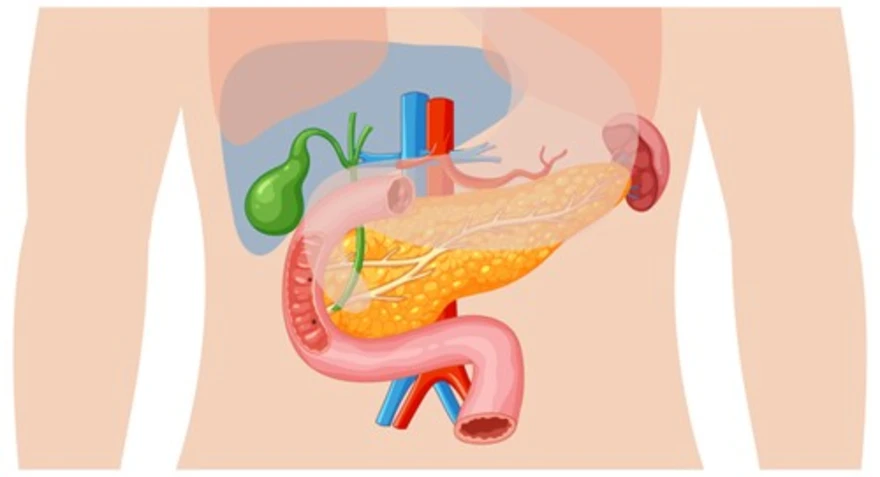
Table of Contents
- What Is Amylase and Why Does It Matter
- When Is an Amylase Test Recommended?
- Why Early Detection Matters: The Role of the Amylase Test in Preventive Healthcare
- How the Amylase Test Is Performed
- Preparation & Patient Instructions
- Normal Range for Amylase Levels
- Interpreting Results: What High or Low Amylase Means
- Limitations of the Amylase Test & Why It's Often Paired with the Lipase Test
- When Additional Tests or Follow-Up Are Needed
- Conclusion
- FAQs
What Is Amylase and Why Does It Matter
Amylase is a digestive enzyme produced primarily by your pancreas and salivary glands. It helps break down complex carbohydrates into simple sugars that your body can easily absorb. Small amounts of this enzyme naturally circulate in your bloodstream and are filtered through your kidneys into urine. When organs such as the pancreas or salivary glands become inflamed, injured, or obstructed, amylase can leak into the bloodstream, causing levels to rise significantly.
This elevation often occurs as one of the earliest laboratory signs that something requires medical attention. The amylase test serves as an important diagnostic tool because it can detect pancreatic or salivary gland problems before structural changes become visible on imaging.
When Is an Amylase Test Recommended?
• Severe upper abdominal pain that may radiate to your back, especially when accompanied by nausea and vomiting.
• Suspected acute pancreatitis based on your symptoms and physical examination findings.
• Known chronic pancreatitis requiring monitoring for flare-ups or complications.
• Swollen or painful salivary glands, which may indicate mumps, infection, or salivary gland stones.
• Unexplained digestive symptoms with upper abdominal tenderness.
• Suspected gallstones or bile duct obstruction affecting pancreatic function.
• Monitoring existing pancreatic conditions to assess treatment effectiveness.
• Evaluation of possible intestinal blockage or perforation.
• Assessment of kidney disease impact on enzyme clearance.
Why Early Detection Matters: The Role of the Amylase Test in Preventive Healthcare
Amylase levels typically rise within a few hours of pancreatic or salivary gland inflammation, often before imaging tests show visible abnormalities, frequently before imaging studies show obvious structural abnormalities. In acute pancreatitis cases, rapid amylase elevation can support prompt diagnosis, enabling early treatment to manage pain, prevent dehydration, and reduce complications like infection or organ failure.
The amylase test plays a crucial role in preventive healthcare by identifying recurrent pancreatic irritation before permanent damage occurs. Early detection allows for timely lifestyle modifications, medication adjustments, and closer medical monitoring.
How the Amylase Test Is Performed
The amylase test is most commonly performed using a blood sample, though urine testing may sometimes be requested. The entire process typically takes just a few minutes and follows routine clinical protocols.
How Blood Is Collected for an Amylase Test
- Your provider reviews your symptoms and medical history before ordering the serum amylase test.
- A tourniquet is placed around your upper arm, and the skin is cleaned with an antiseptic.
- A sterile needle is inserted into a vein, and blood is collected into a specialised tube.
- The needle is removed, pressure is applied to prevent bleeding, and a small bandage is placed.
- Your blood sample is sent to the laboratory for automated amylase measurement.
- Results are interpreted by your doctor in conjunction with your symptoms, physical findings, and related test results.
For urine amylase testing, you may need to provide either a single sample or complete a 24-hour collection following specific laboratory instructions.
Preparation & Patient Instructions
• Fasting is not required for an amylase test—you can eat and drink normally unless your doctor advises otherwise.
• Inform your doctor about all medications, supplements, and herbal products you take, as some can affect amylase levels.
• Tell your doctor if you smoke or use recreational drugs, which may influence results.
• Avoid alcohol for at least 24 hours before sample collection, as it can affect amylase levels.
• Mention any history of kidney disease, liver disease, or previous pancreatic problems.
• Wear clothing that allows easy access to your arm for blood collection.
Normal Range for Amylase Levels
|
Test Type |
Reference Range |
|
Serum amylase |
28-100 U/L |
Interpreting Results: What High or Low Amylase Means
An abnormal amylase result doesn’t point to a specific disease on its own; it should always be interpreted together with your symptoms, physical examination, imaging, and other lab tests; instead, it provides a clue that must be interpreted alongside your symptoms, physical examination, imaging studies, and other laboratory tests.
High amylase often suggests acute or chronic inflammation of the pancreas or salivary glands, while low or low-normal amylase may indicate chronic pancreatic damage or certain metabolic conditions.
Conditions Associated with Elevated Amylase
• Acute pancreatitis – amylase levels often rise to three times or more above the upper limit of normal.
• Chronic pancreatitis exacerbations during inflammatory episodes.
• Pancreatic duct obstruction from gallstones, strictures, or tumours.
• Salivary gland issues, including mumps, stones, or infections.
• Intestinal blockage or perforation affecting abdominal organs.
• Certain medications such as opiates, thiazide diuretics, or corticosteroids can elevate amylase levels.
• Kidney disease reduces normal amylase clearance.
Conditions Associated with Low or Low-Normal Amylase
• Chronic pancreatitis with significant pancreatic damage.
• Pancreatic cancer affects enzyme production.
• Severe liver disease impacting overall metabolism.
• Advanced heart failure can affect organ perfusion and lower enzyme production.
• Certain genetic conditions affecting enzyme production.
Limitations of the Amylase Test & Why It's Often Paired with the Lipase Test
The amylase test has important limitations that doctors must consider. Amylase levels can rise due to various non-pancreatic conditions, including salivary gland problems and intestinal issues, potentially leading to diagnostic confusion. Additionally, some people with pancreatitis may have normal amylase levels, especially in chronic cases or when testing occurs days after symptom onset.
This is why doctors typically order a lipase test alongside the amylase test, as lipase is more pancreas-specific and remains elevated longer. Lipase remains elevated longer than amylase and is more specific to pancreatic conditions, providing a more complete diagnostic picture when both tests are interpreted together.
When Additional Tests or Follow-Up Are Needed
• Amylase levels are significantly elevated, requiring further pancreatic evaluation.
• Results don't match your clinical symptoms, necessitating alternative diagnoses.
• Chronic conditions need monitoring with repeated amylase blood tests.
• Imaging studies are necessary to visualise pancreatic or abdominal structures.
• Lipase testing is often added to confirm or rule out pancreatic disease and improve diagnostic accuracy.
• Kidney disease evaluation is needed when clearance issues are suspected.
Conclusion
The amylase test is a valuable early detection tool for pancreatic and digestive health conditions such as pancreatitis, gallstone complications, and salivary gland disorders, helping identify conditions like pancreatitis, complications from gallstones, and other serious problems before they progress. Understanding your amylase test normal range and what abnormal results might mean empowers you to work effectively with your healthcare team. Early detection through tests like the serum amylase test can lead to prompt treatment, better outcomes, and prevention of serious complications.
At Metropolis Healthcare, we understand the importance of accurate, timely diagnostic testing for your peace of mind and health management. With our comprehensive portfolio of over 4,000 tests and profiles, including specialised pancreatic function tests and profiles, we provide the precision you need for effective health monitoring. With an extensive network of 220+ laboratories, 4,600 service centres, and over 10,000 touchpoints across India, ensures convenient access to quality diagnostics through our home sample collection services.
FAQs
Can I eat or drink before an amylase test?
Generally, no fasting is required for the amylase test, though your doctor may have specific instructions depending on additional tests ordered.
How long does it take to get the results of an amylase test?
Results are typically available within 4 hours from when your sample reaches the Metropolis laboratory, ensuring quick turnaround for timely medical decisions.
What happens if my amylase levels are abnormal?
Your doctor will interpret abnormal results alongside your symptoms and may recommend additional tests, imaging studies, or specialist consultation for proper diagnosis.
Can the amylase test be done at home?
Yes, home sample collection is available through Metropolis Healthcare, where qualified technicians visit your home to collect blood samples safely and conveniently.
Is the amylase test safe? Are there risks involved?
The amylase blood test is very safe with minimal risks, typically limited to slight bruising or discomfort at the needle insertion site.
Can the amylase test detect cancer?
While elevated amylase may occur with pancreatic cancer, the test alone cannot diagnose cancer. Additional imaging and specialist evaluation are needed.
Can the amylase test show kidney problems?
The amylase test doesn't directly detect kidney disease, but kidney problems can affect amylase clearance, potentially influencing blood amylase levels.