Home Visit
 Upload






Preventive Healthcare
What is the Tailbone? Causes of Pain, Injury, and Treatment
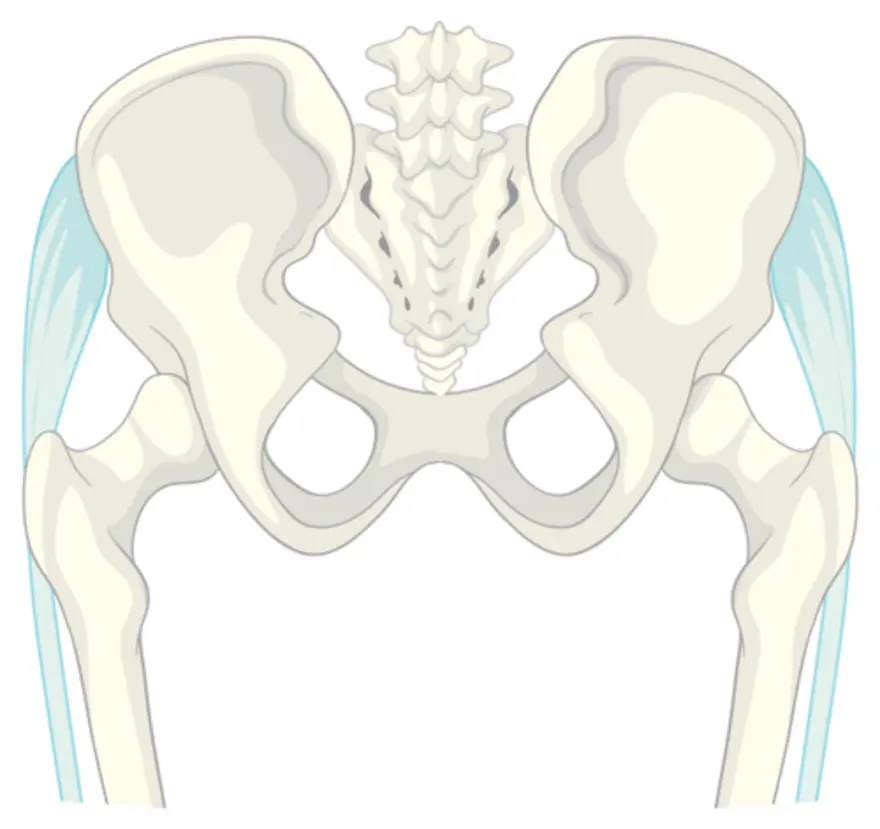
Table of Contents
- What Is the Coccyx (Tailbone)?
- Where Is the Coccyx Located?
- Coccyx Anatomy: Structure & Segments
- Functions of the Coccyx
- Common Coccyx (Tailbone) Problems
- Risk Factors for Coccyx Pain
- How are Coccyx Injuries Diagnosed?
- Test for Tailbone Injuries
- How Long Does Coccyx Pain Last?
- When Is Surgery Needed for Coccyx Problems?
- Complications of Untreated Coccyx Pain
- When to See a Doctor for Tailbone Pain?
- Conclusion
- FAQs
What Is the Coccyx (Tailbone)?
The coccyx is the final segment of your spine, positioned at the base of the vertebral column below the sacrum. According to MedlinePlus, it consists of two to four tiny, partially fused vertebrae and is commonly called the tailbone.
The coccyx is about 4–10 centimetres long and curves slightly forward toward the pelvis. This positioning allows the coccyx bone to work alongside other pelvic structures to support your body weight when sitting.
Where Is the Coccyx Located?
Your coccyx sits at the very bottom of your spine, forming the lowest part of your vertebral column. Located directly behind your rectum and above your anus, the tailbone occupies a critical position within your pelvic structure. When sitting and leaning slightly backward, your coccyx helps form a tripod of support with the two sitting bones (ischial tuberosities).
Coccyx Anatomy: Structure & Segments
• Shape and structure: A small, triangular bone measuring 4–10 cm in adults
• Vertebral segments: Composed of 3-5 coccygeal vertebrae, with four segments being most common
• Fusion pattern: These segments may be partially or completely fused, varying between individuals
• Base connection: The upper portion articulates with the sacrum through the sacrococcygeal joint
• Apex termination: The pointed lower end curves forward and provides muscle attachment points
• Surface features: The front surface is slightly concave, whilst the back surface appears convex with small tubercles
Functions of the Coccyx
• Weight distribution: Helps bear body weight when sitting, forming a stable base with your pelvic bones
• Muscle attachment: Anchors pelvic floor muscles, including the levator ani and coccygeus muscles
• Sphincter support: Provides attachment points for ligaments supporting the external anal sphincter
• Pelvic stability: Serves as an anchor for sacrotuberous and sacrospinous ligaments
• Postural support: Contributes to spinal alignment and balance during position changes
• Anatomical completion: Forms the terminal end of your vertebral column
Common Coccyx (Tailbone) Problems
• Coccydynia: A general term for tailbone pain that typically worsens when sitting or rising from a seated position
• Contusion: Soft tissue bruising around the coccyx from direct trauma or falls
• Fracture: A break in one or more coccygeal segments, usually caused by direct trauma such as a fall
• Dislocation: Abnormal movement at the sacrococcygeal joint following trauma
• Degenerative changes: Wear-and-tear or arthritic changes affecting joint function
• Bony abnormalities: Excessive curvature or bone spurs irritating surrounding tissues
• Infections: Rare cases of osteomyelitis or soft tissue infections near the tailbone
• Tumours: Uncommon primary or metastatic growths affecting the coccygeal region
Risk Factors for Coccyx Pain
• Direct trauma: Falls onto buttocks, sports injuries, or motor vehicle accidents
• Childbirth complications: Difficult vaginal deliveries or instrumental deliveries
• Gender factors: Women experience coccydynia more frequently than men
• Weight extremes: Both obesity and being significantly underweight increase risk
• Prolonged sitting: Especially on hard or poorly cushioned surfaces
• Anatomical variations: Unusual coccyx shape or positioning
• Degenerative conditions: Osteoarthritis affecting the sacrococcygeal joint
• Repetitive activities: Cycling, rowing, or horseback riding
• Previous surgery: Spinal or pelvic procedures altering normal biomechanics
How are Coccyx Injuries Diagnosed?
• Medical history: Detailed discussion of symptom onset, trauma history, and aggravating factors
• Physical examination: Palpation of the coccyx area and assessment of surrounding structures
• Movement testing: Evaluation of pain with sitting, standing, and position changes
• Neurological assessment: Evaluating for nerve irritation, referred pain, or lower spinal involvement
• Imaging studies: X-rays, CT scans, or MRI when indicated
• Specialised tests: Dynamic imaging during sitting or standing positions
Test for Tailbone Injuries
- X-rays: Standard imaging to detect fractures, dislocations, or bony abnormalities
- CT scans: Detailed bone imaging for complex fractures or structural problems
- MRI scans: Soft tissue evaluation including ligaments, muscles, and surrounding structures
- Dynamic X-rays: Taken in sitting and standing positions to evaluate coccyx movement
- Bone scans: Nuclear medicine studies to detect infections or tumours
- Complete Blood Count (CBC): Detects infection or anaemia
- C-reactive protein (CRP) and Erythrocyte Sedimentation Rate (ESR): Indicators of inflammation or infection
How Long Does Coccyx Pain Last?
The duration of tailbone pain varies significantly depending on the underlying cause and treatment approach. Acute injuries usually heal within 4–6 weeks, whereas chronic coccydynia may persist for months or even years without appropriate treatment.
Factors affecting recovery time include the severity of the initial injury, your age and overall health, adherence to treatment recommendations, and the development of complications. Early intervention with appropriate treatment for tailbone pain typically leads to faster recovery and better long-term outcomes.
When Is Surgery Needed for Coccyx Problems?
Surgical intervention for coccyx problems is rarely necessary and typically considered only after conservative treatments have failed. Coccygectomy, the surgical removal of the tailbone, may be recommended for severe, persistent pain that significantly impacts quality of life despite months of appropriate treatment.
Candidates for surgery usually have documented structural abnormalities, failed conservative management for at least six months, and significant functional impairment. The surgery carries risks such as infection, nerve injury, and persistent pain, so careful patient selection is essential.
Complications of Untreated Coccyx Pain
• Chronic pain syndrome: Long-term discomfort affecting daily activities and sleep
• Postural problems: Compensatory sitting and standing positions causing secondary issues
• Muscle dysfunction: Weakness or spasm in pelvic floor muscles
• Psychological impact: Depression, anxiety, or reduced quality of life
• Social limitations: Avoidance of activities involving sitting or movement
• Work disability: Difficulty performing job duties requiring prolonged sitting
When to See a Doctor for Tailbone Pain?
• Severe pain: Intense discomfort that interferes with daily activities
• Persistent symptoms: Pain lasting more than a few weeks despite home treatment
• Trauma history: Recent fall or injury to the tailbone area
• Neurological symptoms: Numbness, tingling, or weakness in legs or feet
• Bowel or bladder changes: New difficulty with urination, constipation, or incontinence
• Signs of infection: Fever, redness, or swelling around the tailbone
• Progressive worsening: Symptoms that continue to deteriorate over time
Conclusion
Understanding your coccyx and recognising the signs of tailbone problems empowers you to seek appropriate care when needed. Whether you're dealing with an acute tailbone injury or chronic coccydynia, effective treatment options are available to restore your comfort and mobility.
Successful management depends on accurate diagnosis, tailored treatment, and patient understanding of coccyx anatomy and care. Most people with tailbone pain experience significant improvement with conservative measures, though some cases may require more specialised interventions.
At Metropolis Healthcare, we understand the importance of accurate diagnosis in effectively managing tailbone pain. Our comprehensive portfolio of more than 4,000 tests includes advanced imaging and laboratory studies that help identify the underlying causes of your symptoms. With our extensive network of over 220 laboratories and 10,000+ touchpoints across India, we bring reliable diagnostic services directly to your doorstep through convenient home sample collection.
FAQs
What is the primary function of the coccyx?
• Supports body weight when sitting by forming a tripod with the sitting bones
• Anchors pelvic floor muscles that control bowel and bladder function
• Provides attachment points for ligaments, maintaining pelvic stability
• Contributes to overall spinal alignment and postural support
Why does my tailbone hurt when I sit?
Sitting places direct pressure on your coccyx, which can aggravate inflamed tissues, muscle tension, or structural abnormalities in the tailbone area.
How long does coccyx pain take to heal?
Most acute tailbone pain resolves within 4-8 weeks with proper treatment, though chronic cases may take months.
Can the coccyx break easily?
The coccyx can fracture from significant trauma, such as hard falls, but it's relatively well-protected by surrounding soft tissues.
How do I relieve coccyx pain quickly?
• Use cushioned seating or doughnut pillows to reduce pressure
• Apply ice packs for 15-20 minutes several times daily
• Take anti-inflammatory medications as directed by your doctor
• Avoid prolonged sitting and take frequent standing breaks
• Practice gentle stretching exercises for the surrounding muscles
What causes tailbone pain without injury?
Prolonged sitting, pregnancy, childbirth, degenerative changes, infections, or referred pain from other pelvic structures can cause tailbone discomfort.
Is walking good for tailbone pain?
Gentle walking often helps tailbone pain by promoting blood flow and preventing stiffness, but avoid activities that worsen symptoms.
How do I know if my coccyx is dislocated?
Severe pain, visible deformity, inability to sit comfortably, and pain with bowel movements may indicate coccyx dislocation requiring medical evaluation.
Can tailbone pain be serious?
Whilst usually benign, persistent tailbone pain may indicate fractures, infections, or other serious conditions requiring medical assessment and treatment.
Which cushion is best for tailbone pain?
Doughnut-shaped or wedge cushions with coccyx cutouts work best by reducing direct pressure on the tailbone while maintaining support.