Home Visit
 Upload






Preventive Healthcare
Claudication: Leg Pain from Poor Circulation – Causes & Treatment
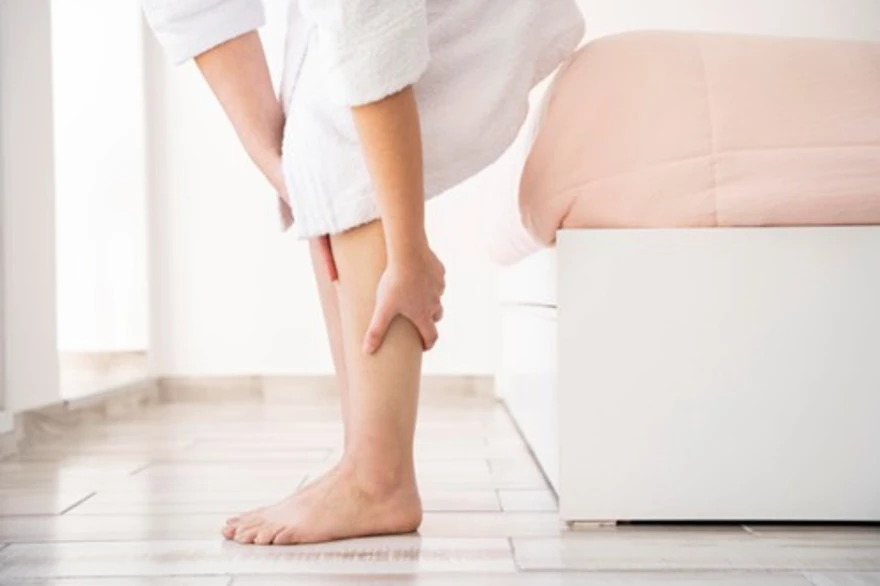
Table of Contents
- What is Claudication?
- Types of Claudication
- What Causes Claudication?
- How is Claudication Diagnosed?
- Symptoms of Claudication
- Diagnostic and Imaging Methods for Detecting Claudication
- How is Claudication Treated?
- Can Claudication Be Prevented?
- When Should You See a Doctor for Claudication?
- Conclusion
- FAQs
- References:
What is Claudication?
Claudication is a symptom of poor circulation, characterized by leg pain, aching, or cramping during walking or exercise that eases with rest. This claudication meaning reflects a clear pattern: activity-triggered discomfort followed by relief when you stop. It occurs because narrowed or blocked arteries cannot supply enough oxygen-rich blood to working muscles, leading to claudication pain—most commonly in the calves, but sometimes in the thighs, buttocks, or feet—that can range from mild discomfort to pain severe enough to limit daily activities.
Types of Claudication
Understanding different types helps identify the underlying cause and appropriate treatment approach:
• Vascular claudication: The most common type, caused by peripheral artery disease (PAD) when fatty deposits narrow the leg arteries
• Neurogenic claudication: Results from spinal stenosis compressing nerves in the lower back
• Venous claudication: Less common type caused by blood clots or severe varicose veins blocking blood return
What Causes Claudication?
Claudication primarily results from atherosclerosis, a condition in which fatty deposits (plaques) accumulate within arterial walls. These plaques gradually narrow blood vessels, reducing blood flow to leg muscles during activity. When muscles demand more oxygen during exercise, the narrowed arteries cannot supply enough blood, leading to claudication pain.
Several factors contribute to arterial narrowing and the development of claudication. Smoking damages artery walls and accelerates plaque formation. Diabetes affects blood vessel health and increases the risk of atherosclerosis. High blood pressure and elevated cholesterol levels also promote arterial damage and plaque buildup.
Age plays a significant role since arteries gradually lose elasticity over time. Men typically develop claudication earlier than women, though the risk equalises after menopause. A family history of heart disease or peripheral artery disease increases an individual's risk substantially.
How is Claudication Diagnosed?
Healthcare providers use systematic approaches to diagnose claudication accurately:
- Medical history review: Reviewing symptoms, walking limitations, and cardiovascular risk factors
- Physical examination: Checking leg pulses, skin temperature, and color changes
- Ankle-brachial index (ABI): Comparing blood pressure measurements between arms and ankles
- Exercise testing: Monitoring symptoms and blood flow during treadmill walking
- Imaging studies: Using ultrasound, CT, or MRI to visualise blood vessels
Symptoms of Claudication
Recognising claudication symptoms enables early intervention and treatment:
• Cramping or aching pain in calves, thighs, or buttocks during walking
• Muscle fatigue, tightness, or heaviness that develops with activity
• Pain relief within minutes of stopping and resting
• Consistent pain location that occurs at predictable walking distances
• Progressive limitation in walking distance over time
• Numbness or tingling sensations in affected legs
• Cool skin temperature or pale appearance in the feet or legs
As per Clinical Methods (3rd ed.) (NIH), claudication is a symptom of arterial insufficiency in the legs, defined as exercise-induced pain, cramping, or fatigue in a lower limb muscle group that is consistently relieved by a brief rest while standing. It typically follows a reproducible “walk → pain → rest → relief” pattern, with severity graded by walking distance before symptoms force the person to stop (mild: 2–3 blocks, moderate: 1–2 blocks, severe: <1 block).
Diagnostic and Imaging Methods for Detecting Claudication
Modern diagnostic techniques provide detailed information about circulation problems:
• Doppler ultrasound: Non-invasive method showing blood flow patterns and blockages
• CT angiography: Detailed imaging using contrast dye to visualise arteries
• Magnetic resonance angiography: MRI-based technique without radiation exposure
• Segmental pressure testing: Measuring blood pressure at multiple levels of the leg to localize blockages
• Pulse volume recordings: Measuring blood flow changes throughout the cardiac cycle
How is Claudication Treated?
Claudication treatment focuses on improving blood flow, managing symptoms, and preventing disease progression. The approach typically begins with lifestyle modifications and may progress to medications or procedures based on symptom severity and response to initial treatments.
Early intervention often prevents claudication from worsening and reduces complications like heart disease. Treatment success depends on addressing underlying causes while effectively managing symptoms. Many people experience significant improvement through comprehensive management approaches.
Can claudication improve without surgery? Yes, many individuals achieve substantial symptom relief through lifestyle changes, exercise programs, and medications before considering surgical interventions.
Lifestyle Changes for Claudication
Lifestyle modifications form the foundation of claudication management:
• Smoking cessation: Most important step, as smoking severely worsens circulation problems
• Regular walking exercise: Gradually increasing distance despite initial discomfort
• Diabetes management: Maintaining blood sugar levels within target ranges
• Blood pressure control: Keeping readings below recommended thresholds
• Cholesterol management: Following heart-healthy dietary patterns
• Weight maintenance: Achieving and maintaining a healthy body weight
Medications for Claudication
Several medications help manage claudication symptoms and underlying conditions:
• Antiplatelet agents: Aspirin or clopidogrel, preventing blood clots
• cholesterol-lowering drugs: Statins reduce plaque formation and stabilize existing deposits
• Blood pressure medications: Various classes controlling hypertension effectively
• Cilostazol: Medication specifically improving walking distance and reducing claudication pain
• Diabetes medications: Managing blood sugar levels to protect blood vessels
Surgical Options for Claudication
When lifestyle changes and medications don't provide adequate relief, surgical interventions may be considered. Angioplasty involves inserting a small balloon into narrowed arteries to widen them, often followed by stent placement to keep arteries open. This minimally invasive procedure typically requires only local anaesthesia and short recovery periods and high success rates.
Bypass surgery creates alternate pathways around blocked arteries using grafts from other blood vessels, such as veins from the leg. While more invasive than angioplasty, bypass procedures often provide longer-lasting results for severe blockages. The choice of procedures depends on the characteristics of the blockage, overall health, and individual circumstances.
Managing Claudication Long-Term
Successful long-term management requires ongoing commitment and regular monitoring:
• Regular medical follow-ups: Monitoring disease progression and treatment effectiveness
• Continued exercise programs: Maintaining and gradually increasing activity levels
• Medication adherence: Taking prescribed medications consistently as directed
• Risk factor management: Ongoing attention to diabetes, blood pressure, and cholesterol
• Foot care: Preventing infections and injuries that heal poorly with reduced circulation
Can Claudication Be Prevented?
Prevention strategies focus on maintaining healthy blood vessels and preventing the development of atherosclerosis. Never smoking or quitting smoking represents the most effective prevention measure. Regular physical activity, even moderate walking, helps maintain circulation and prevents artery narrowing.
Managing chronic conditions like diabetes, high blood pressure, and elevated cholesterol significantly reduces claudication risk. Following A Mediterranean-style diet rich in fruits, vegetables, whole grains, and healthy fats supports vascular health. Maintaining a healthy weight reduces strain on the cardiovascular system and decreases the risk of peripheral artery disease.
What role does family history play in claudication prevention? While you cannot change genetic factors, knowing family history helps identify increased risk and motivates earlier preventive measures.
When Should You See a Doctor for Claudication?
Recognising when to seek medical attention ensures timely diagnosis and treatment:
• Persistent leg pain during walking that consistently improves with rest
• Progressive walking limitation over weeks or months
• Pain occurring at rest or during minimal activity
• Non-healing wounds or sores on legs or feet
• Significant color changes in the legs or feet
• Severe pain that interferes with daily activities
Conclusion
Understanding claudication helps you recognise symptoms early and seek timely care, and the condition often responds well to lifestyle changes, medicines, and, when needed, medical procedures. Quitting smoking, staying active, and controlling diabetes and blood pressure can improve walking ability and long-term vascular health. At Metropolis Healthcare, our 4,000+ tests include specialised assessments for circulation problems, and with home sample collection across 10,000+ touchpoints, you can easily access precise diagnostics to manage and help prevent claudication.
FAQs
What are the early signs of Claudication?
Early claudication signs include mild cramping or aching in leg muscles during walking that disappears within minutes of resting. Initially, symptoms may occur only with longer walks or on uphill terrain. The pain typically develops in the exact location each time and at consistent walking distances.
Can Claudication go away on its own?
Claudication rarely resolves spontaneously and typically worsens without treatment. However, symptoms can improve significantly through lifestyle modifications, particularly smoking cessation and regular exercise programs. Early intervention prevents progression and may lead to substantial symptom relief.
How is Claudication different from Peripheral Artery Disease (PAD)?
Claudication is a symptom of underlying circulatory problems, while peripheral artery disease describes the underlying condition causing reduced blood flow. Not everyone with peripheral artery disease experiences claudication symptoms, but claudication nearly always indicates underlying peripheral artery disease requiring medical attention.
References:
https://www.ncbi.nlm.nih.gov/books/NBK235/
https://www.ncbi.nlm.nih.gov/books/NBK430746/
https://medlineplus.gov/peripheralarterialdisease.html
https://www.nhs.uk/conditions/peripheral-arterial-disease-pad/