Home Visit
 Upload






Preventive Healthcare
Bunions: Why They Happen & How to Treat or Prevent Them
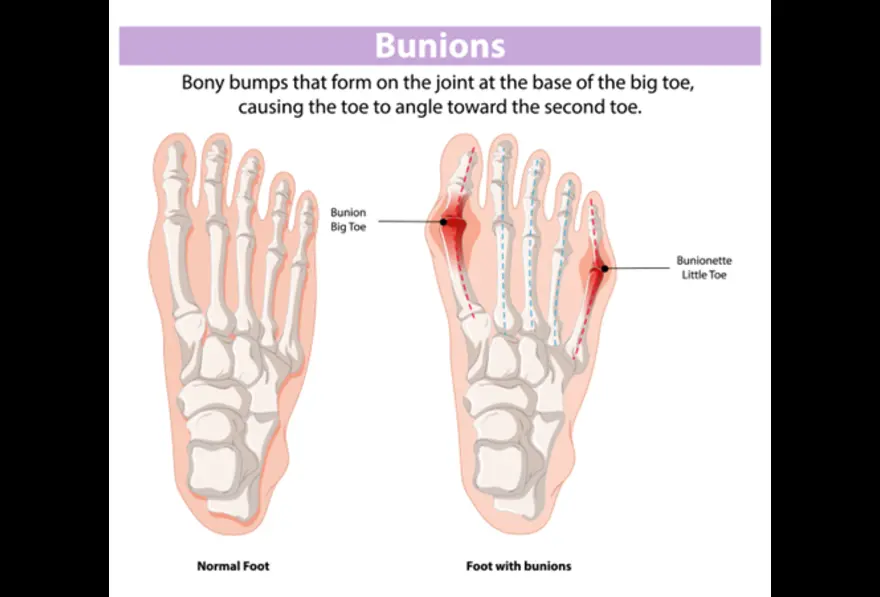
Table of Contents
What Are Bunions?
A bunion is a bony bump that develops on the joint at the base of your big toe, medically known as hallux valgus. The meaning of "bunion" stems from the Greek word for "turnip", describing the red, swollen appearance of this prominent bump. When you have a foot bunion, some bones in the front part of your foot move out of their normal position, causing your big toe to lean toward the second toe.
This toe bunion doesn't simply appear overnight—it develops gradually as the joint experiences increased pressure and stress. The bunion represents a change in the bone framework of your foot, creating a visible protrusion that can make wearing shoes uncomfortable and walking painful. Understanding what causes this structural change is crucial for effective bunion treatment and prevention.
Symptoms of Bunions
Recognizing bunion symptoms early can help you seek appropriate treatment before the condition progresses. Common signs include:
- A bulging bump at the base of your big toe
- Swelling, redness, or soreness around the big toe joint
- Corns or calluses where your first and second toes rub together
- Persistent or intermittent bunion pain at the joint
- Stiffness or limited movement of your big toe
- Thickened skin around the affected joint
- Difficulty wearing certain shoes due to discomfort
- Trouble walking as the toe bunion progresses
Causes of Bunions
Several factors contribute to bunion development, making some individuals more susceptible than others. The primary causes include inherited structural foot defects, abnormal foot mechanics, and chronic stress or injuries to your foot. Ill-fitting shoes—particularly those that are too tight, narrow, or high-heeled—can worsen or accelerate bunion formation, though they may not be the sole cause.
Inflammatory conditions, such as rheumatoid arthritis, neuromuscular diseases, or congenital foot deformities, can also contribute to the development of a bunion. Over time, the joint at the base of your big toe experiences increased pressure, causing it to angle toward the second toe and creating the characteristic bump that defines this condition.
Risk Factors for Developing Bunions
- Family history of bunions or inherited foot structure
- Wearing poorly fitting shoes, especially narrow, pointed, or high-heeled styles
- Rheumatoid arthritis or other inflammatory joint conditions
- Foot injuries or trauma
- Congenital deformities present from birth
- Occupations or activities causing repeated foot stress
- Natural ageing process affecting bone and joint structure
- Flat feet or abnormal gait patterns
Diagnostic and Imaging Tests to Identify Bunions
Healthcare professionals use several diagnostic approaches to assess bunions and determine appropriate bunion treatment options:
- Physical examination to evaluate the bump, toe alignment, and joint mobility
- X-rays of your foot to assess bone misalignment and joint damage severity
- Weight-bearing X-rays to understand bone alignment when standing
- Blood tests for rheumatoid factor to rule out inflammatory arthritis, such as the Rheumatoid Factor (RF) Test, Rheumatoid Arthritis Panel-1 Test, or RA-IgA Rheumatoid Arthritis Serum, as recommended by your doctor.
- Uric Acid Test (Serum) or Uric Acid (Spot Urine) to check for gout, which may cause similar symptoms
- Examination for corns, calluses, and other foot deformities
These diagnostic tests help your healthcare provider assess the severity of your condition and recommend the most effective bunion treatment for your specific situation.
How to Treat Bunions
According to the American Academy of Orthopaedic Surgeons (AAOS), bunion treatment varies depending on symptom severity and may range from lifestyle modifications to surgical intervention. Mild bunions often respond well to non-surgical measures such as footwear changes, protective pads, orthotics, and medications to relieve pain and inflammation.
When conservative treatments fail to provide relief or your bunion causes significant pain that impairs daily activities, surgical correction may be recommended to realign bones and restore normal foot function. The choice of bunion treatment depends on your pain level, deformity degree, and overall foot health.
Non-Surgical Treatment Options for Bunions
- Wearing comfortable shoes with a wide toe box to relieve pressure
- Using protective pads or cushions over the bunion
- Applying ice packs to reduce swelling and bunion pain
- Taking over-the-counter pain relievers like acetaminophen or ibuprofen
- Using shoe inserts or custom orthotics to improve foot alignment
- Taping or splinting your toe to maintain normal alignment
- Physical therapy or toe exercises to maintain joint mobility
- Avoiding activities that worsen pain, such as prolonged standing
Surgical Treatment for Bunions
Bunion surgery, known as a bunionectomy, is considered when conservative treatments fail to relieve symptoms or when the deformity becomes severe. The surgical procedure involves realigning bones, ligaments, and tendons in the affected area to restore your big toe's normal position.
Several surgical techniques exist, and your surgeon will choose the most appropriate method based on your bunion's severity and overall health. Recovery times vary, but most people experience significant bunion pain relief and improved foot function following surgery. Remember, bunion surgery aims to correct painful deformities and restore mobility rather than address cosmetic concerns alone.
How to Prevent Bunions
Prevention focuses on reducing risk factors and minimizing stress on your big toe joint. Wearing properly fitted shoes with wide toe boxes and low heels is essential to prevent toe crowding and pressure. Maintaining a healthy body weight, avoiding repetitive foot stress, and addressing underlying foot abnormalities early can reduce your chance of developing a foot bunion.
If you have a family history of bunions, early monitoring and proactive footwear choices become particularly important. Regular foot care and attention to any developing symptoms can help prevent minor issues from becoming major problems requiring extensive bunion treatment.
Best Shoes for Bunions
Choosing appropriate footwear is crucial for bunion management:
- Wide, deep toe boxes prevent toe crowding
- Soft, stretchable upper materials reduce irritation and pressure
- Low-heeled shoes (less than 1–2 inches)
- Good arch support and cushioning
- Adjustable closures like laces or Velcro for a personalized fit
- Avoiding narrow, pointed, or high-heeled shoes
Living with Bunions: Tips for Comfort
Managing daily life with bunions becomes easier with these practical strategies:
- Choose footwear with plenty of toe space
- Use bunion pads or cushions to prevent rubbing and irritation
- Apply ice packs to reduce swelling and pain after activity
- Perform gentle foot and toe stretches to maintain flexibility
- Wear custom orthotics if recommended by your doctor
- Avoid prolonged standing or walking when possible
- Seek timely medical advice if pain or deformity worsens
Conclusion
Understanding bunions empowers you to make informed decisions about your foot health. Whether you're experiencing early symptoms or seeking prevention strategies, proper knowledge and timely action can significantly improve your outcomes and quality of life.
At Metropolis Healthcare, we support your health journey with comprehensive diagnostic services. Our extensive network of over 220 laboratories and 10,000+ touchpoints across India ensures convenient access to accurate testing, including blood tests that may be relevant to your bunion evaluation, such as the Rheumatoid Factor (RF) Test. With our home sample collection service, you can access reliable diagnostics from the comfort of your home to make informed decisions about your health.
FAQs
Can I prevent a bunion from getting worse?
Yes, you can help prevent your bunion from worsening by wearing properly fitting shoes with wide toe boxes, using protective pads, and avoiding activities that put excessive pressure on your big toe joint. Addressing symptoms early and making lifestyle adjustments can slow or stop progression in many cases.
What are the early signs of a bunion?
Early signs include a small bump at your big toe's base, redness, swelling, or soreness around the joint, and discomfort when wearing tight shoes. Some people notice their big toe starting to angle toward the second toe before a prominent bump develops.
Is surgery always necessary for bunions?
No, bunion surgery isn't always necessary. Many people manage symptoms effectively with non-surgical treatments such as footwear changes, padding, and pain management. Surgery is reserved for cases where bunion pain is severe, conservative treatments have failed, or the deformity causes significant walking or shoe-wearing problems.
How long does it take to recover from bunion surgery?
Recovery from bunion surgery varies, but most people resume normal activities within six to twelve weeks, depending on the procedure and individual healing rates. Full recovery, including return to sports or high-impact activities, may take several months.
What kind of exercises help with bunions?
Gentle toe stretches, flexion and extension exercises, and movements that strengthen muscles around your big toe joint can improve flexibility and reduce discomfort. Range-of-motion exercises and picking up small objects with your toes are commonly recommended to maintain mobility and alignment.
References
- https://orthoinfo.aaos.org/en/diseases--conditions/bunions/
- https://www.mayoclinic.org/diseases-conditions/bunions/symptoms-causes/syc-2035479
- https://my.clevelandclinic.org/health/diseases/14386-bunions-hallux-valgus