Home Visit
 Upload






Preventive Healthcare
Broken Nose: Immediate First Aid, Treatment & Recovery Timeline
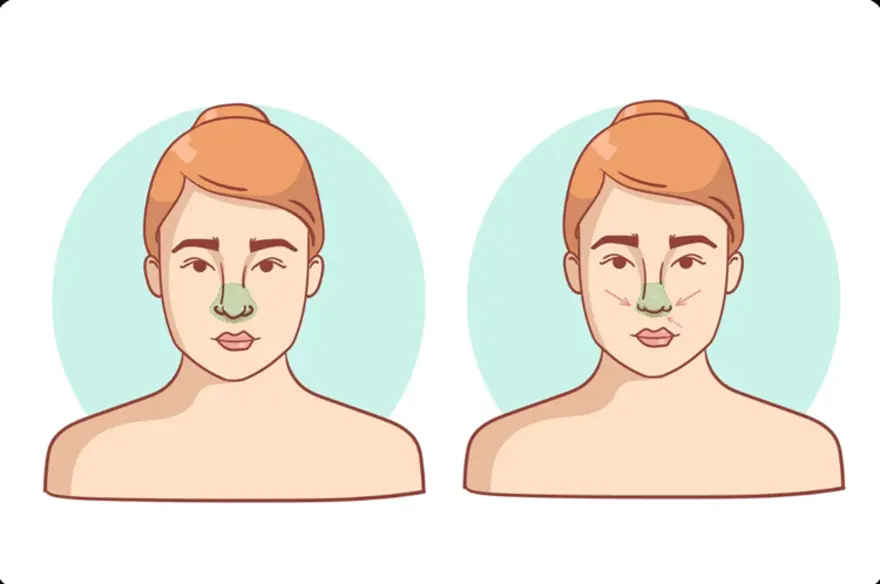
Table of Contents
- What is a Broken Nose (Nasal Fracture)?
- Symptoms of a Broken Nose
- Immediate First Aid: What to Do Right After Injury
- When to Seek Urgent Medical Care
- Causes & Risk Factors of a Broken Nose
- How is a Broken Nose Diagnosed?
- Clinical Examinations & Imaging Tests to Identify a Broken Nose
- Treatment Options: From Home Care to Medical Intervention
- Recovery Timeline: What to Expect (Day 0 to Weeks 6+)
- Common Complications & How to Prevent Them
- Prevention: How to Avoid Breaking Your Nose Again
- Conclusion
- FAQs
What is a Broken Nose (Nasal Fracture)?
A broken nose occurs when one or both nasal bones are fractured as a result of direct facial trauma. The nasal bone structure includes both the bony upper portion and the softer nasal cartilage below, making this area particularly vulnerable to injury. The nasal bones are the most prominent facial bones, making them particularly prone to injury and susceptible to impact during accidents, sports activities, or physical altercations.
The injury can range from a hairline crack to complete displacement of the nasal bone. Sometimes, the nasal cartilage may also sustain damage, affecting both the nose's appearance and function. A minor broken nose might involve only slight bone displacement, while more severe cases can affect surrounding structures, including adjacent structures such as the nasal septum and paranasal sinuses.
Symptoms of a Broken Nose
• Pain and tenderness around the nose, cheeks, or forehead
• Nosebleeds that may be immediate or delayed
• Swelling extending across the face and under the eyes
• Bruising (‘black eyes’) extending beneath the eyes or around the nose
• Blocked nasal passages causing breathing difficulties
• Crooked appearance or visible deformity of the nose
• Crackling or grating sensation (crepitus) when gently touching the nasal bridge
• Clear, watery fluid drainage from the nose — possible sign of cerebrospinal fluid (CSF) leak
Immediate First Aid: What to Do Right After Injury
- Sit upright and lean slightly forward to control bleeding; pinch the soft part of your nose firmly for 10–15 minutes, pinching the soft part of your nostrils together for 10–15 minutes
- Apply ice wrapped in a cloth to the nose and cheeks for 10–20 minutes at a time, repeating at regular intervals to reduce swelling
- Avoid touching or manipulating the injured nasal bone area
- Keep your head elevated when resting to minimise swelling
- Take over-the-counter pain relief such as paracetamol (acetaminophen), avoiding aspirin initially due to bleeding risk
- Monitor for warning signs requiring immediate medical attention
When to Seek Urgent Medical Care
• Uncontrolled bleeding lasting more than 20 minutes despite pressure
• Clear fluid drainage from the nose, potentially indicating cerebrospinal fluid leak
• Severe symptoms, including loss of consciousness, repeated vomiting, or a severe headache
• Vision changes or double vision
• Large cuts or embedded objects in the nose area
• Purple swelling inside the nose, suggesting septal haematoma
• Difficulty breathing through both nostrils
• Signs of concussions such as confusion or memory problems
Causes & Risk Factors of a Broken Nose
Direct trauma sources:
• Contact sports like boxing, football, or rugby
• Motor vehicle accidents
• Falls, particularly in elderly individuals or children
• Physical altercations or assaults
• Workplace accidents in construction or manufacturing
Risk factors that increase vulnerability:
• Participation in high-contact sports without protective gear
• Previous nasal injuries weaken the nasal bone structure
• Occupations involving facial injury risks
• Age-related factors, as children have thinner nasal bones
• Certain medical conditions affecting bone density
How is a Broken Nose Diagnosed?
Doctors typically wait 5-7 days after injury for swelling to subside before making definitive assessments. This timing allows accurate evaluation of any deformity or functional problems.
During examination, doctors review injury details, previous nasal appearance, and current symptoms. They assess breathing function, inspect for visible deformity, and check for complications like septal haematoma. Most minor broken nose cases can be diagnosed through careful physical examination.
Clinical Examinations & Imaging Tests to Identify a Broken Nose
• Physical examination involving gentle palpation to detect bone movement, tenderness, or crackling sounds
• Visual inspection using nasal speculums or endoscopes to examine internal structures
• Medical history review focusing on trauma details and pre-injury nasal appearance
• CT scans are reserved for complex cases involving suspected facial fractures or associated complications
• X-rays are rarely used for nasal bone assessment, but may be used to evaluate associated injuries
• Specialised tests like BTP (Beta-Trace Protein), CSF Leakage, Body Fluid and Serum if cerebrospinal fluid leak is suspected
Treatment Options: From Home Care to Medical Intervention
• Conservative care for minor fractures without deformity
• Closed reduction for displaced bones requiring realignment
• Surgical repair for complex fractures or functional problems
• Antibiotics if infection risk exists
• Pain management using appropriate medications
• Follow-up monitoring to assess healing progress
Home Care & Self-Management
• Continue ice application for 48-72 hours, then switch to warm compresses for bruising
• Maintain head elevation during sleep to reduce swelling
• Use saline nasal sprays to keep nasal passages moist and clear
• Avoid nose blowing for several days to prevent complications
• Take recommended pain medications following dosage guidelines carefully
• Monitor for warning signs such as increasing pain or breathing difficulties requiring medical attention
• Protect the nose from further injury during healing
Manual Realignment (Closed Reduction)
Closed reduction involves manually repositioning displaced nasal bones under local or general anaesthesia. This broken-nose treatment works best when performed 3-14 days after injury, once swelling has decreased but before the bones begin to heal permanently.
ENT specialists perform this outpatient procedure, followed by external splinting for approximately one week. Success rates remain high for uncomplicated cases, though some risk of bleeding or recurrence exists.
Surgery: When and Why It's Needed
Surgical intervention becomes necessary for severely displaced fractures, septal haematoma, associated facial injuries, or breathing obstruction. Timing typically occurs 4-6 weeks post-injury to allow complete assessment of healing needs. Surgery aims to restore both nasal function and appearance, correcting structural problems that affect breathing or cause significant deformity.
Recovery Timeline: What to Expect (Day 0 to Weeks 6+)
• Days 0-3: Peak swelling and bruising; focus on bleeding control and ice application
• Days 4-7: Swelling begins to reduce, medical evaluation for potential realignment
• Weeks 1-2: Closed reduction performed if needed, followed by splinting for 5-7 days
• Weeks 2-3: Most uncomplicated cases heal naturally; bruising fades significantly
• Weeks 3-6: Complete nasal bone healing occurs; light activities may resume gradually
• Weeks 6+: Return to contact sports if cleared medically, complete recovery assessment for function and appearance
Common Complications & How to Prevent Them
• Septal haematoma development, which requires immediate drainage to prevent cartilage damage (MedlinePlus)
• Chronic sinusitis from sinus blockage or damage during injury
• Persistent breathing difficulties due to internal structural changes
• Cosmetic deformities from inadequate or delayed treatment
• Septal perforation causing chronic crusting and bleeding
• Secondary infections, particularly in cases involving open or contaminated wounds
Prevention: How to Avoid Breaking Your Nose Again
• Wearing appropriate protective equipment during sports activities and high-risk occupations
• Using proper safety restraints in vehicles, including seatbelts and ensuring airbag functionality
• Improving home safety with non-slip surfaces, adequate lighting, and handrails where necessary
• Learning proper techniques for contact sports and self-defence activities
• Managing underlying conditions that increase fall risks, particularly in elderly individuals
• Avoiding situations with high potential for facial trauma when possible
Conclusion
A broken nose requires prompt, appropriate care to ensure optimal healing and prevent complications. Understanding broken nose symptoms helps you recognise when medical attention is necessary, while proper first-aid techniques can significantly impact the outcome of your recovery. Whether dealing with a minor broken nose or a more complex injury, timely intervention makes the difference between complete recovery and long-term complications.
The broken nose healing time varies, but most people achieve excellent results with appropriate treatment. From immediate ice application to possible surgical intervention, each step in the treatment process serves an essential purpose in restoring both function and appearance.
At Metropolis Healthcare, we support your health journey with comprehensive diagnostic services when you need them most. Our network of over 220 laboratories and 4,600+ service centres ensures reliable access to essential tests, such as CT scans, when recommended by your healthcare provider. With convenient home sample collection available at 10,000+ touchpoints across India, we make quality healthcare accessible and stress-free throughout your recovery.
FAQs
How long do swelling and bruising last?
Swelling typically peaks within 2-3 days and subsides over 1-2 weeks, while bruising around the eyes fades within 7-14 days with proper ice application and head elevation.
Can my nose fully heal on its own?
Yes, many minor broken nose cases heal properly within 3 weeks without medical intervention, provided no significant deformity or complications develop during recovery.
When can I return to sports and exercise?
Most people can resume light activities after 3-6 weeks, though contact sports require medical clearance and typically require 6+ weeks of complete healing.
Is surgery always necessary for a broken nose?
No, surgery is only required for severe displacement, persistent breathing problems, or failed closed reduction; most cases heal successfully with conservative treatment.
What are the signs of infection after a broken nose?
Watch for increasing pain, fever, foul-smelling nasal discharge, increased swelling, or redness around the injury site requiring immediate medical evaluation.