Home Visit
 Upload






Preventive Healthcare
Biparietal Diameter (BPD) in Pregnancy: What It Means
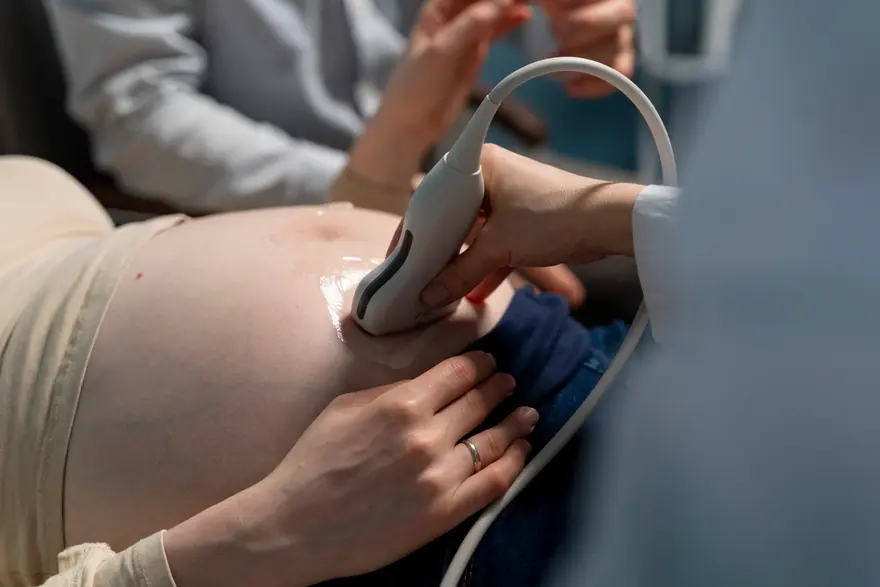
Table of Contents
- What is the Biparietal Diameter (BPD)?
- When can BPD be measured through ultrasound?
- What's the Importance of BPD in Pregnancy?
- How is BPD Measured?
- What's Considered a Normal Biparietal Diameter (BPD)?
- BPD Chart
- How is BPD in Pregnancy Performed?
- Factors affecting BPD
- How to Treat Abnormal BPD?
- Conclusion
- FAQs
What is the Biparietal Diameter (BPD)?
BPD full form in pregnancy is biparietal diameter. It is one of the key measurements taken during pregnancy ultrasounds to assess a baby's growth. BPD in pregnancy meaning refers to the distance between the outer edge of the skull closest to the probe and the inner edge of the skull farthest from the probe, at the level of the parietal bones. This measurement provides valuable information about the baby's head size and growth over the course of the pregnancy.
When can BPD be measured through ultrasound?
The BPDin pregnancy can be reliably measured via ultrasound starting from around 13 weeks gestation. Most pregnant women will have the BPD assessed at the following times:
- 12-14 weeks: The first trimester screening ultrasound often includes a BPD measurement to confirm pregnancy dating.
- 18-22 weeks: The detailed anatomy scan in the second trimester always measures BPD as part of assessing foetal growth.
- 28-32 weeks: Many women have a growth scan around this time, which will again measure BPD.
- 36+ weeks: Women with high-risk pregnancies or growth concerns may have BPD measured in the third trimester.
The BPD becomes more accurate after 13 weeks as the foetal skull bones calcify and the head shape becomes more distinct. BPD in pregnancy 20 weeks measurements taken across multiple ultrasounds help chart the baby's head growth over time.
What's the Importance of BPD in Pregnancy?
Measuring the BPD in pregnancy serves several crucial purposes:
- Estimating gestational age and due date: In early pregnancy, BPD values correlate with gestational age, helping to date the pregnancy and predict the due date.
- Assessing foetal growth: Tracking BPD over time indicates whether the baby's head is growing at a healthy, consistent rate. Slow or excessive head growth could signal an underlying issue.
- Screening for potential problems: An abnormally small BPD could indicate foetal growth restriction, while an unusually large measurement may point to conditions like hydrocephalus.
By monitoring BPDin pregnancy, doctors can identify potential concerns early and provide appropriate prenatal care for the healthiest possible outcome.
How is BPD Measured?
During a standard transabdominal ultrasound, the sonographer will:
- Locate the foetal head and obtain a clear cross-sectional view at the level of the thalami and cavum septum pellucidum
- Place calipers at the widest point of the skull perpendicular to the midline
- Measure from the outer edge of the skull closest to the transducer to the inner edge of the skull farthest away
- Record the measurement in millimetres.
Accurate positioning is essential for obtaining a reliable BPD measurement. Factors like foetal position or a tilted maternal uterus can affect the accessibility of the right cross-section. The sonographer will work to get the clearest view for precise measurement.
What's Considered a Normal Biparietal Diameter (BPD)?
Normal BPD values vary by gestational age. Here are some general guidelines for a singleton pregnancy:
- 13 weeks: 21-28 mm
- 20 weeks: 40-58 mm
- 28 weeks: 65-81 mm
- 40 weeks: 86-102 mm
A BPD measurement that falls within the expected range for gestational age usually indicates healthy foetal head growth. Slight variations can be normal, but significant deviations above or below the average may warrant further evaluation.
BPD Chart
To give you a better idea of typical BPD in pregnancy measurements, here's a BPD growth chart by gestational age:
|
Gestational Age (Weeks) |
Biparietal Diameter (mm) |
Gestational Age (Weeks) |
Biparietal Diameter (mm) |
|
13 |
21 |
27 |
68 |
|
14 |
25 |
28 |
71 |
|
15 |
29 |
29 |
73 |
|
16 |
32 |
30 |
76 |
|
17 |
36 |
31 |
78 |
|
18 |
39 |
32 |
81 |
|
19 |
43 |
33 |
83 |
|
20 |
46 |
34 |
85 |
|
21 |
50 |
35 |
87 |
|
22 |
53 |
36 |
89 |
|
23 |
56 |
37 |
90 |
|
24 |
59 |
38 |
92 |
|
25 |
62 |
39 |
93 |
|
26 |
65 |
40 |
94 |
Remember, these ranges represent averages, and each baby is unique. Your doctor will consider BPD in pregnancy 20 weeks in the context of other growth parameters and your overall health to determine if the values are appropriate for your pregnancy.
How is BPD in Pregnancy Performed?
A BPD ultrasound is a simple, non-invasive procedure performed in the following way:
- You'll lie on an exam table with your abdomen exposed.
- The sonographer will apply gel to your belly to facilitate ultrasound transmission.
- The transducer will be moved over your abdomen to visualise the baby.
- Once the head is located, the BPD will be measured as described above.
- You may be asked to change position to give the sonographer a better view.
The whole process usually takes only a few minutes. There are no known risks to you or your baby from BPD ultrasounds when performed by a qualified professional for medical reasons.
Factors affecting BPD
While BPDin pregnancy is a reliable growth indicator, some factors can influence measurements:
- Foetal position: Babies in breech (bottom-down) or transverse lie may be harder to measure.
- Gestational age: Dating is less precise if the first BPD is measured after 22 weeks.
- Multiples: Twin and triplet growth starts to slow in later pregnancy compared to singletons.
- Anatomic variations: Conditions like dolicocephaly (long, narrow head shape) can skew BPD.
- Imaging quality: Maternal obesity, active foetus, or ultrasound limitations can affect accuracy.
If any of these factors impact BPD reliability, your doctor may use other measurements like femur length or abdominal circumference to assess growth.
How to Treat Abnormal BPD?
An abnormal BPDin pregnancy, whether too large or too small for gestational age, will prompt your healthcare team to investigate further. Next steps may include:
- Detailed anatomic survey to look for structural abnormalities
- In selected cases, foetal MRI may be used to assess brain structure in more detail
- Genetic testing to screen for chromosomal disorders
- Serial growth scans to track head size over time
- Foetal monitoring to ensure continued well-being
- Consultation with a maternal-foetal medicine specialist
The course of treatment will depend on the underlying cause and severity of the growth discrepancy. In some cases, early delivery may be recommended. Throughout the process, your medical team will keep you informed and work with you to determine the safest care plan for you and your baby.
Conclusion
BPD full form in pregnancy is biparietal diameter, which is a critical measurement that offers valuable insights into a baby's growth and development during pregnancy. By understanding BPD in pregnancy meaning and tracking it across your prenatal ultrasounds, you can work with your doctor to ensure your little one is growing on track. Remember, while an abnormal BPD can feel worrying, most variations do not indicate a serious problem when caught early and managed appropriately.
Ask your doctor any questions you may have about your pregnancy or the BPD/HC/AC/FL normal range. And if you're looking for reliable prenatal testing and care, consider Metropolis Healthcare. With a wide network of diagnostic labs across India and expert home sample collection services, Metropolis makes monitoring your baby's well-being simple and convenient. Trust Metropolis to deliver accurate results and personalised support every step of the way.
FAQs
Can BPD get pregnant?
No, BPD itself doesn't refer to a person or condition that can become pregnant. BPD is simply a measurement taken during pregnancy.
Can I have a baby with BPD?
Every baby will have a BPD measurement taken during routine ultrasounds. Having a BPD measurement doesn't mean your baby has a disorder.
What is the best solution for BPD?
There's no "solution" needed for BPD, as it's a normal foetal measurement. Abnormal BPD may require additional monitoring and testing.
What is the rate of BPD by gender?
Male foetuses tend to have slightly higher BPD values compared to females, but both sexes have well-established normal ranges.
How much BPD for a baby boy?
A baby boy's BPD measurements will usually fall on the higher end of the normal range for gestational age compared to girls.
Is BPD common in girls?
BPD assessment is a routine part of prenatal care for all babies, regardless of sex. It's not a disorder that is more or less common in girls.