Home Visit
 Upload






Preventive Healthcare
Bilirubin Test: High Levels Vs. Low Levels, Normal Range, Types & Result
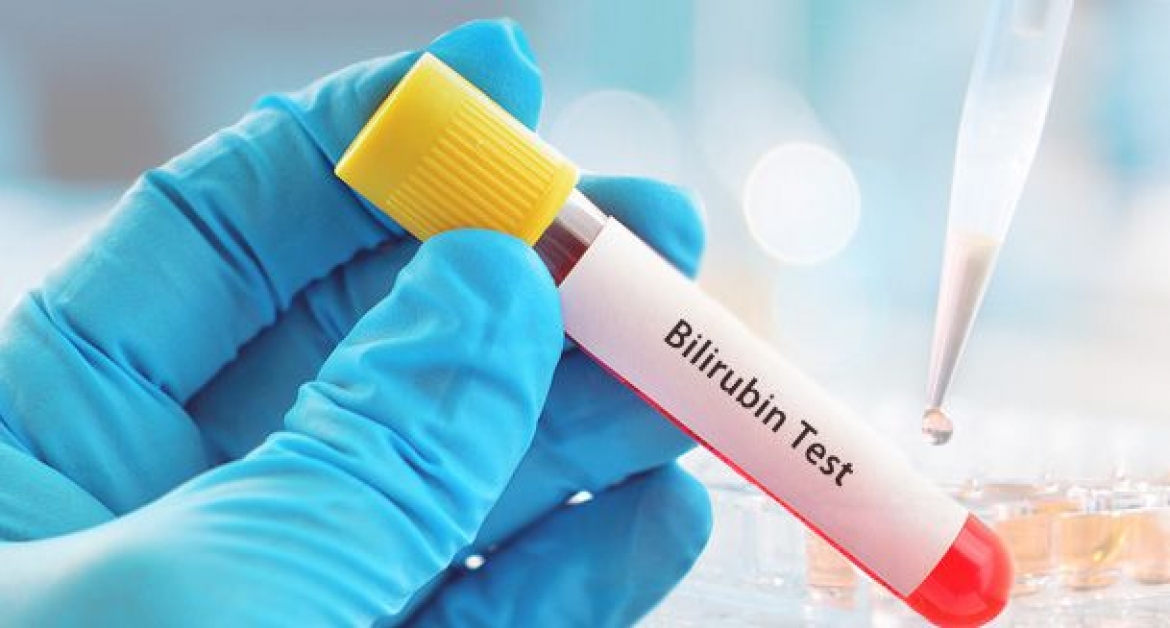
Table of Contents
- What is bilirubin?
- What is a Bilirubin Test?
- What does bilirubin do in your body?
- What does it mean when your bilirubin is high?
- If my test results are abnormal, what happens next?
- What is the treatment for high bilirubin in newborns?
- How do you lower your own bilirubin levels?
- Interpreting Your Test Results
- What happens during a bilirubin blood test?
- Composition and Ingredients of the Test
- Benefits of the Bilirubin Test
- Risks and Side Effects of the Bilirubin Test
- FAQs
What is bilirubin?
Bilirubin is a a yellow pigment produced during the breakdown of old red blood cells. It is a natural byproduct of body's recycling process. Bilirubin is carried in the bloodstream to the liver, where it is processed and eventually excreted from the body through bile.
The presence of bilirubin is what gives bile its characteristic yellowish colour. In normal amounts, bilirubin is harmless. However, if there is an excess of bilirubin in the blood (high bilirubin), it can lead to a condition called jaundice, where the skin and whites of the eyes take on a yellowish tinge.
Bilirubin exists in two forms in the body:
- Unconjugated (indirect) bilirubin: This is the form that circulates in the blood before being processed by the liver.
- Conjugated (direct) bilirubin: This is the form that has been processed by the liver and is ready for excretion.
A bilirubin test measures the levels of both these types in the blood to determine if they are within the normal range.
What is a Bilirubin Test?
A bilirubin test is a blood test that measures the levels of bilirubin in your blood. It is often part of a broader liver function test panel. The test is used to evaluate liver health and function and to diagnose conditions related to the liver, gallbladder, and bile ducts.
What Does a Bilirubin Test Detect?
The bilirubin test specifically measures two types of bilirubin:
- Total bilirubin: This includes both unconjugated and conjugated bilirubin, as measured in a Bilirubin Total Test
- Direct bilirubin: This refers to the conjugated bilirubin that has been processed by the liver
Elevated levels of either type can indicate different issues:
- High unconjugated bilirubin may indicate haemolytic anaemia (excessive breakdown of red blood cells) or Gilbert's syndrome (a harmless genetic condition).
- High conjugated bilirubin direct high means there is a problem with the liver or bile ducts, such as hepatitis, cirrhosis, or gallstones.
Causes of high bilirubin levels (hyperbilirubinemia)
Several conditions can cause high bilirubin levels, including:
- Liver diseases like hepatitis, cirrhosis, or liver cancer
- Blockage of the bile ducts due to gallstones, tumors, or other obstructions
- Haemolytic anaemia, where red blood cells are destroyed faster than they can be replaced
- Gilbert's syndrome, a harmless inherited condition that affects bilirubin processing
- Crigler-Najjar syndrome, a rare inherited disorder that affects bilirubin metabolism
In newborns, jaundice is common due to immature liver function and is usually harmless. However, very high levels can lead to kernicterus, a type of brain damage.
Causes of low bilirubin levels (hypobilirubinemia)
Low bilirubin levels are less common and not usually a cause for concern. They may result from:
- Drinking too much water (overhydration)
- Malnutrition or protein deficiency
- Certain medications that speed up bilirubin processing
What does bilirubin do in your body?
Bilirubin plays a vital role in the body's waste management system. When old red blood cells are broken down, haemoglobin is released and converted into bilirubin. The liver then processes the bilirubin, making it water-soluble so it can be excreted in bile.
Bilirubin also acts as an antioxidant, helping to protect cells from damage caused by free radicals. Research suggests it may play a role in preventing oxidative stress-related diseases.
Symptoms of high bilirubin
The most common symptom of high bilirubin is jaundice – a yellowing of the skin and whites of the eyes. Other symptoms may include:
- Dark urine
- Pale stools
- Itchy skin
- Fatigue
- Abdominal pain (if liver disease is the cause)
Symptoms of low bilirubin
Low bilirubin levels usually do not cause any noticeable symptoms. In rare cases, very low levels could indicate severe malnutrition or protein deficiency.
What does it mean when your bilirubin is high?
If your bilirubin test shows high bilirubin levels, it means there is an underlying issue causing bilirubin to build up in your blood. This could be due to increased production (e.g., haemolytic anaemia), decreased liver uptake or processing (e.g., Gilbert's syndrome, cirrhosis), or decreased excretion (e.g., blocked bile ducts).
Your doctor will interpret the results in the context of your symptoms, medical history, and other test results to determine the cause and appropriate treatment. It's important to note that mildly high bilirubin levels are common and often harmless. For example, Gilbert's syndrome affects 3-7% of the population but does not usually require treatment.
If my test results are abnormal, what happens next?
If your bilirubin test results are outside the bilirubin normal range, your healthcare provider will likely recommend additional tests to pinpoint the cause. These may include a complete blood count to check for anaemia, liver function tests to assess liver health, hepatitis virus testing, imaging tests like ultrasound or CT scans to visualise the liver and bile ducts, or liver biopsies to check for inflammation, scarring, or other abnormalities.
Treatment will depend on the underlying cause. For example:
- Gilbert's syndrome usually requires no treatment.
- Hepatitis may be managed with antiviral medications or supportive care.
- Gallstones may require surgical removal.
- Severe cirrhosis may necessitate a liver transplant in advanced cases.
Your doctor will work with you to develop an appropriate management plan based on your specific diagnosis.
What is the treatment for high bilirubin in newborns?
Newborn jaundice is very common, affecting up to 60% of infants. In most cases, it resolves on its own as the baby's liver matures. However, high bilirubin levels can be dangerous for newborns, potentially causing kernicterus (brain damage) if left untreated.
Treatment options include:
- Phototherapy: Exposing the baby's skin to special blue light helps break down bilirubin. The baby lies under the light, wearing only a diaper and protective eye shields.
- Exchange transfusion: In severe cases, the baby's blood may be gradually replaced with donor blood to quickly come down to the bilirubin normal range. This is rare and only done if phototherapy is ineffective.
- Intravenous immunoglobulin (IVIg): If the jaundice is due to blood type incompatibility between mother and baby, IVIg may be given to reduce antibody levels and prevent haemolysis.
Frequent feeding (8-12 times per day) also helps by encouraging more bowel movements, which eliminates bilirubin. Most cases of newborn jaundice resolve within 1-2 weeks with proper treatment and monitoring.
How do you lower your own bilirubin levels?
If you have high bilirubin, the treatment will depend on the underlying cause. However, some general measures that may help reach the bilirubin normal range include:
- Staying hydrated: Drinking plenty of water helps flush bilirubin out of your system.
- Eating a balanced diet: Adequate protein intake supports liver function. Fruits, vegetables, and whole grains provide antioxidants and fibre.
- Limiting alcohol: Alcohol can damage the liver and make it harder to process bilirubin. Avoid alcohol if you have liver disease.
- Managing underlying conditions: If you have hepatitis, cirrhosis, or other liver problems, work with your doctor to keep them under control.
- Avoiding unnecessary medications: Some drugs can stress the liver or contribute to haemolysis. Talk to your doctor before taking new medications.
Interpreting Your Test Results
|
Type of Bilirubin |
Normal Range (mg/dL) |
High Level Indicates |
Low Level Indicates |
|
Total Bilirubin |
0.3 to 1.2 (adults) |
Liver diseases (hepatitis, cirrhosis), bile duct obstruction, haemolytic anaemia, Gilbert's syndrome |
Usually not clinically significant |
|
Direct (Conjugated) |
0 to 0.3 |
Liver cell damage, bile duct blockage |
Rare, usually not important |
|
Indirect (Unconjugated) |
Calculated (Total minus Direct) |
Increased breakdown of red blood cells, haemolysis, Gilbert's syndrome |
Not clinically significant |
Note: Normal ranges may vary slightly by laboratory and patient's age
What happens during a bilirubin blood test?
A bilirubin test is a simple blood test to measure the levels of bilirubin. A healthcare provider will clean the skin on your arm and insert a small needle into a vein, usually at the bend of the arm, to collect a blood sample. The blood will be drawn into a tube and sent to a laboratory for analysis. The test measures levels of total, direct, and indirect bilirubin in the blood. For newborns, a heel stick may be used instead of a vein puncture. The entire procedure takes only a few minutes, and you can resume normal activities immediately after the test.
Composition and Ingredients of the Test
The bilirubin test is a laboratory blood assay that measures the concentration of bilirubin pigments in your bloodstream. It does not involve injecting any substances into your body. Instead, it analyses the naturally occurring bilirubin in a small sample of your blood.
The key components of the test include:
- Collection of a blood sample through venipuncture (using a needle to draw blood from a vein)
- Laboratory reagents that chemically react with bilirubin in the blood sample to measure its concentration
- Biochemical methods like spectrophotometry or diazo reaction to differentiate between direct (conjugated) and indirect (unconjugated) bilirubin.
Benefits of the Bilirubin Test
The bilirubin test offers several important benefits in evaluating your health:
- Assesses liver function: Bilirubin levels reflect how efficiently your liver is processing this waste product from red blood cell breakdown. High bilirubin can be an early sign of liver problems.
- Detects liver diseases: High bilirubin, especially direct bilirubin, may indicate liver conditions like hepatitis, cirrhosis, or blocked bile ducts. Early diagnosis allows prompt treatment.
- Diagnoses anaemia: High bilirubin, particularly indirect bilirubin, can reveal haemolytic anaemia caused by excessive red blood cell destruction. The test helps identify the underlying cause.
- Monitors newborn jaundice: Babies are routinely screened for high bilirubin to assess the severity of jaundice and guide treatment decisions to prevent rare but serious complications.
- Guides further testing: Abnormal bilirubin test results can prompt additional diagnostic tests to pinpoint the specific disorder involved, ensuring appropriate care.
Risks and Side Effects of the Bilirubin Test
The bilirubin blood test is considered a safe and low-risk procedure. As with any blood draw, there may be some minor side effects:
- Slight pain or stinging sensation when the needle is inserted into your vein, Minor bruising, bleeding, or soreness at the puncture site after the test
- Rarely, dizziness or fainting during the blood collection
- In very uncommon cases, infection at the needle site
However, serious complications are extremely rare, and there are no significant risks associated with the bilirubin test itself. You don't need to modify your diet or lifestyle before or after the test.
For newborns undergoing a heel stick, only very small blood quantities are taken, typically with minimal discomfort. The benefits of screening for neonatal jaundice far outweigh any minor side effects.
If you have a fear of needles or a history of feeling faint during blood draws, let your healthcare provider know beforehand so they can take appropriate precautions. Overall, the bilirubin test is a routine, well-tolerated diagnostic tool posing negligible risks for most individuals.
FAQs
What is bilirubin's normal level?
The normal bilirubin level usually ranges from 0.3 to 1.2 mg/dL for total bilirubin in adults. Direct (conjugated) bilirubin should be between 0 to 0.3 mg/dL, while indirect bilirubin is calculated by subtracting the direct level from the total. These ranges may vary slightly between laboratories and can differ based on age and gender.
What foods cause high bilirubin?
No specific food directly causes high bilirubin, but unhealthy dietary patterns can harm liver function. Excessive alcohol, high-fat junk foods, and low-fibre diets may contribute to liver problems that indirectly raise bilirubin. A diet rich in fruits, vegetables, whole grains, lean proteins, and healthy fats helps support liver health and can aid bilirubin processing.
Is 22 bilirubin high?
Yes, a bilirubin level of 22 mg/dL is dangerously high and indicates serious liver issues, bile duct blockage, or rapid red blood cell breakdown. Such high levels require immediate medical attention to prevent complications like brain damage, especially in newborns.
Does drinking water lower bilirubin?
Drinking water alone doesn't directly lower bilirubin but supports liver function by aiding detoxification and preventing dehydration.
Which fruit is best to reduce bilirubin?
Fruits like citrus, berries, guava, watermelon, tomatoes, and avocados support liver health with antioxidants and anti-inflammatory properties. Including these regularly in your diet can promote better bilirubin metabolism.