Home Visit
 Upload






Preventive Healthcare
5 Benefits of Goat Milk Soap: Why It’s Great for Your Skin
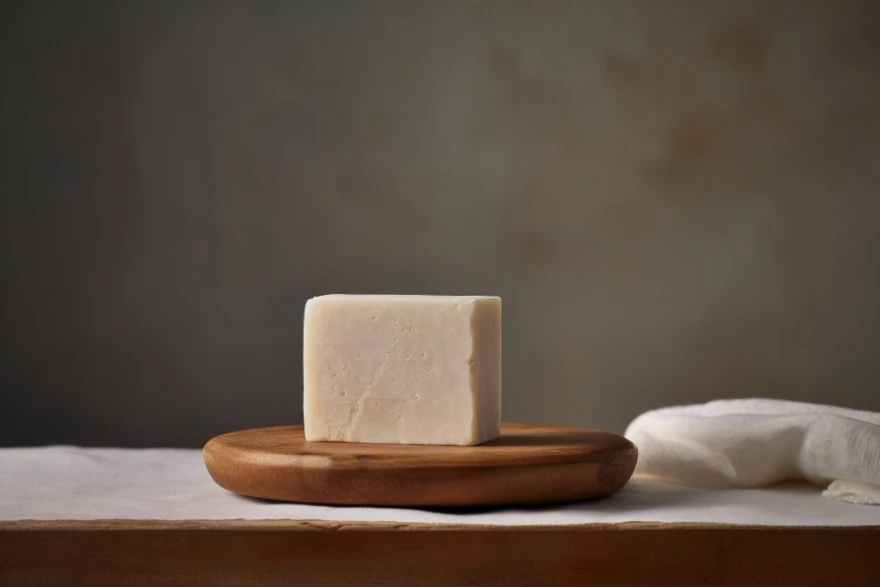
Table of Contents
Why Goat Milk Soap is Beneficial
Goat milk soap combines gentle cleansing with powerful moisturising properties, making it superior to many conventional soaps. Unlike harsh commercial cleansers that strip your skin's natural oils, goat milk soap contains beneficial fats, including caprylic acid and other fatty acids, which cleanse effectively while preserving your skin's protective barrier.
What makes goat milk particularly special is its natural lactic acid content—an alpha-hydroxy acid (AHA) that provides gentle daily exfoliation without the harsh irritation associated with stronger chemical exfoliants. The goat milk soap base also contains cholesterol and other lipids that resemble your skin’s natural composition, helping to maintain moisture and comfort.
These characteristics make goat milk soap particularly valuable for people with dry, sensitive skin or conditions like eczema and psoriasis, where maintaining the skin barrier is crucial. When you compare cow milk vs buffalo milk, goat milk actually contains smaller fat globules that absorb into the skin more readily, enhancing its moisturising benefits.
5 Benefits of Goat Milk Soap
1. Gentle, Non-Stripping Cleanser
Traditional soaps often contain harsh surfactants that remove too much oil from your skin, which can lead to tightness, dryness, and barrier disruption. Goat milk soap offers a different approach. The fatty acids in goat milk create a mild cleansing action that removes dirt and impurities without aggressively stripping your skin's natural lipids. This gentle approach is particularly important if you have conditions where over-cleansing can worsen symptoms.
2. Supports the Skin Barrier and Hydration
Your skin's outer barrier contains essential lipids like cholesterol and ceramides. People with dry skin conditions often show reduced levels of these crucial components. Goat milk soap benefits include supplying extra fats that helps replenish lost lipids and improve moisture retention.
This barrier support can ease dryness and scaling, making goat milk soap particularly helpful for mature skin or anyone dealing with environmental damage.
3. Gentle Exfoliation with Lactic Acid
The natural lactic acid in goat milk offers gentle exfoliation that removes dead skin cells without irritation, and when infused with turmeric, it enhances the known benefits of turmeric milk for clearer-looking skin. Turmeric is known to help fade acne marks, reduce the appearance of scars, and promote a more even complexion, while lactic acid encourages healthy cell renewal. This combination helps improve overall skin texture and provides skin-brightening and blemish-reducing effects.
4. Helps Support a Healthy Skin Microbiome
Your skin hosts beneficial microorganisms that protect against harmful bacteria and maintain barrier function. Harsh soaps can disrupt this delicate ecosystem, but goat milk soap's gentler formulation helps preserve beneficial bacteria while still microbiome balance plays a critical role.
The probiotics naturally found in goat milk, such as Lactobacillus, may contribute to a more balanced skin environment. This is particularly relevant if you're managing inflammatory skin conditions where microbiome balance plays a crucial role.
5. May Be Helpful for Acne-Prone or Irritated Skin
The lactic acid in goat milk soap can help keep pores clearer by promoting regular shedding of dead skin cells that contribute to blockages. Unlike some acne treatments that overdry skin and trigger rebound oil production, goat milk soap provides gentle cleansing while maintaining necessary moisture.
According to the research published in Food Science & Nutrition, goat milk has anti-inflammatory and antimicrobial properties. If you’re dealing with acne, goat milk soap offers a gentler alternative to harsh treatments while still supporting overall skin health.
How to Use Goat Milk Soap Effectively
• Start with wet skin and soap: Thoroughly wet both your skin and the soap bar to activate the beneficial fatty acids and nutrients
• Create a gentle lather: Use your hands or a soft washcloth to work up a creamy foam without vigorous scrubbing
• Apply with care: Massage the lather gently onto your face, body, or hands in circular motions, focusing on problem areas
• Rinse thoroughly: Use lukewarm water to remove all soap residue while preserving your skin's natural oils
• Pat dry gently: Avoid rubbing; instead, pat your skin dry with a clean towel to maintain hydration
• Follow with moisturiser: Apply a suitable moisturiser while your skin is still slightly damp for enhanced barrier repair
• Store properly: Keep your soap in a draining soap dish to prevent bacterial growth and extend its shelf life
Is Goat Milk Soap Suitable for All Skin Types?
Goat milk soap suits most skin types, particularly normal to dry or mildly sensitive skin. Its gentle cleansing action and lipid content help protect the barrier while maintaining hydration. The natural lactic acid provides beneficial exfoliation for dull or uneven skin.
However, you should exercise caution if you have extremely sensitive or reactive skin. Those with eczema, psoriasis, or atopic dermatitis may benefit from goat milk soap's moisturising properties but should choose fragrance-free formulations and introduce the product gradually.
If you have a known milk allergy, you'll need to be particularly careful. Consider getting a milk or dairy allergy test before using goat milk products, as cross-reactivity between different milk proteins can occur.
Potential Side Effects or Allergic Reactions
While goat milk soap is generally gentle, some people may experience side effects. Possible reactions include redness, itching, stinging, or dryness, which may result from goat milk proteins, added fragrances, or other ingredients.
People with existing eczema or dairy allergies may have a higher risk of reaction. If you have a documented cow's milk allergy, consult an allergist before using goat milk soap, because similar milk proteins can trigger cross-reactive allergic responses. Stop using the product immediately if you develop significant burning, swelling, hives, or breathing difficulties, as these may indicate a serious allergic reaction requiring medical attention.
Conclusion
Goat milk soap offers compelling benefits for many people seeking gentler skincare solutions. Its combination of mild cleansing, moisturising lipids, and natural lactic acid exfoliation makes it particularly valuable for dry, sensitive, or problematic skin. Unlike products with complex synthetic formulations, goat milk soap provides straightforward, effective care.
Success lies in choosing quality formulations, performing patch tests, and using the soap appropriately. Remember that while goat milk soap benefits are well-documented, individual responses vary. If you have specific skin conditions or allergies, consult a dermatologist before making significant changes to your skincare routine.
For those considering the switch to gentler skincare, goat milk soap represents an excellent starting point. Its natural composition and proven benefits make it suitable for most people, while its availability in various formulations allows you to find options that suit your specific needs.
At Metropolis Healthcare, we understand that achieving optimal skincare often involves identifying underlying health or nutritional factors that affect skin health. Our comprehensive portfolio of more than 4,000 tests includes specialised panels for allergies and nutritional deficiencies that might impact skin health. Through our network of over 10,000 touchpoints across India, we bring convenient at-home sample collection directly to you, ensuring you can access the diagnostic insights needed for informed health decisions.
FAQs
Is goat milk soap good for dry skin?
Yes, goat milk soap is excellent for dry skin due to its natural moisturising fats and gentle cleansing properties that preserve your skin's protective oils while providing hydration.
Can goat milk soap help with acne?
Goat milk soap may help with acne through its gentle lactic acid exfoliation, which keeps pores clearer while avoiding the overdrying effects of harsh acne treatments.
Is goat milk soap good for eczema?
Goat milk soap can benefit eczema-prone skin due to its moisturising properties and gentle formulation, but choose fragrance-free versions and consult your dermatologist first.
Does goat milk soap expire?
Yes, goat milk soap typically lasts 12-24 months when stored properly in a cool, dry place, though natural formulations may have shorter shelf lives than commercial soaps.
References
1. https://iopscience.iop.org/article/10.1088/1755-1315/1360/1/012029/pdf
2. https://arccjournals.com/journal/asian-journal-of-dairy-and-food-research/DRF-261
3. https://pmc.ncbi.nlm.nih.gov/articles/PMC10563692/
4. https://pmc.ncbi.nlm.nih.gov/articles/PMC6017965/