Home Visit
 Upload






Preventive Healthcare
Barrett’s Esophagus: Causes, Symptoms, and Risk Factors
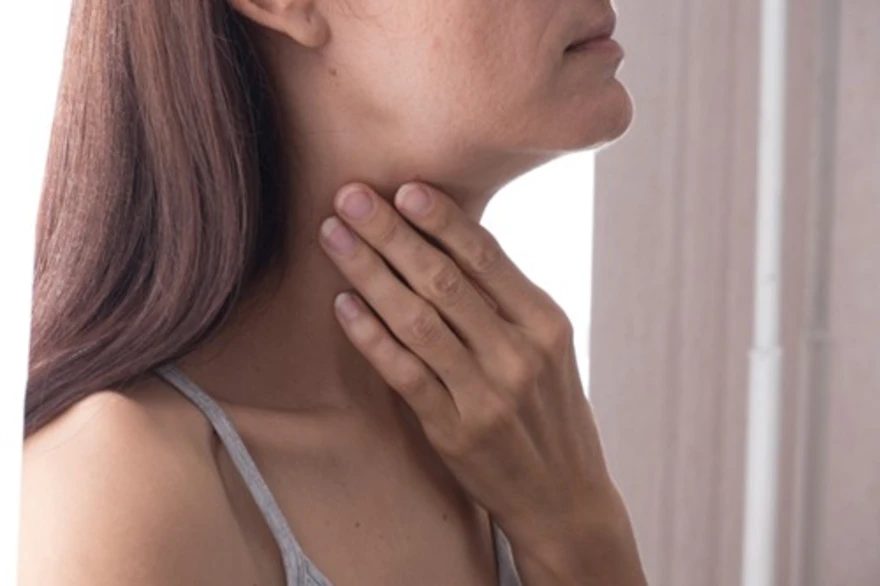
Table of Contents
- Introduction: Understanding Barrett’s esophagus
- What is Barrett’s esophagus?
- How Does Barrett’s esophagus Develop?
- How Serious is Barrett’s esophagus?
- What are the Causes of Barrett’s esophagus?
- What are the Symptoms of Barrett’s esophagus?
- What are the Risk Factors for Getting Barrett’s esophagus?
- Diagnosis: How Is Barrett’s esophagus Detected?
- What is the Treatment for Barrett’s esophagus?
- How to Prevent Barrett’s esophagus?
- Is Barrett’s esophagus a Precancerous Condition?
- Medical and Endoscopic Treatment Options
- Long-Term Outlook and Monitoring
- Final Thoughts: Living with Barrett’s esophagus
- FAQs
Introduction: Understanding Barrett’s esophagus
If you’ve been told you have Barrett’s esophagus or suspect something might be wrong, it’s natural to feel concerned. This condition happens when the lining of your esophagus changes, often due to long-term acid reflux. While it may sound worrying, knowing the causes, symptoms, and risk factors can help you feel more in control. Understanding what’s happening inside your body is the first step toward managing your health with confidence.
In this blog, you’ll find clear, supportive information to help you move forward with clarity.
What is Barrett’s esophagus?
Barrett’s esophagus is a condition where the normal lining of your esophagus (the tube that connects your mouth to your stomach) changes over time. This usually happens after long periods of acid reflux, where stomach acid irritates the esophagus.
Instead of its usual flat cells, the lining begins to resemble the cells found in your intestines. These changes are your body’s way of trying to protect itself, but they can increase the risk of further complications if left unmanaged.
How Does Barrett’s esophagus Develop?
Your esophagus is not designed to handle frequent exposure to stomach acid. When acid reflux becomes a regular problem, the tissues in the lower esophagus may start to wear down. Over time, as the body tries to repair this ongoing damage, the normal squamous cells are replaced with columnar cells—a process called intestinal metaplasia.
This is how Barrett’s esophagus develops. It's a gradual change and doesn’t happen overnight, which is why long-standing reflux should always be taken seriously.
How Serious is Barrett’s esophagus?
It’s understandable to feel concerned if you are diagnosed with Barrett’s esophagus, but the condition often progresses slowly. For most people, it does not lead to cancer. However, because there is a small increased risk of oesophageal cancer, regular check-ups are important.
Early detection of any cellular changes can lead to effective intervention. With proper management and monitoring, many people continue to lead healthy, full lives.
What are the Causes of Barrett’s esophagus?
The causes of Barrett’s esophagus are usually linked to long-term irritation of the esophagus. The most common cause is chronic acid reflux or gastro-oesophageal reflux disease (GORD).
- Chronic acid reflux (GORD): When acid from your stomach regularly flows back into your esophagus, it causes irritation and inflammation. Over time, this repeated damage may lead to changes in the oesophageal lining.
- Weakened lower oesophageal sphincter (LES): This is the valve that prevents acid from entering your esophagus. If it doesn’t function properly, it allows acid to backwash.
- Silent reflux: Some people have no obvious symptoms but still experience internal damage, known as “silent” reflux.
- Repeated inflammation (oesophagitis): Chronic irritation can cause the body to replace normal cells with different ones to protect the tissue.
What are the Symptoms of Barrett’s esophagus?
Many people experience few or no symptoms. However, some signs may point to underlying acid reflux, the most common cause.
- Frequent heartburn: A burning sensation in your chest, especially after eating or lying down, may suggest acid reflux.
- Regurgitation: You may notice sour-tasting acid or food backing up into your throat or mouth.
- Difficulty swallowing (dysphagia): Food may feel like it's getting stuck, especially in the lower esophagus.
- Chest discomfort: Mild pain or pressure that isn’t related to your heart may occur.
- Chronic sore throat or hoarseness: Acid rising into the throat can cause irritation over time.
These symptoms of Barrett’s esophagus are not always obvious, so speak to a healthcare provider if they persist.
What are the Risk Factors for Getting Barrett’s esophagus?
Certain factors make it more likely that you may develop Barrett’s esophagus. Understanding these can help you stay informed and proactive.
- Long-standing GORD: The longer you’ve experienced acid reflux, the higher your risk becomes.
- Age over 50: Risk increases as you get older.
- Male gender: Men are more commonly affected than women.
- Smoking history: Current or past smoking raises the chance of tissue damage.
- Being overweight or obese: Especially if you carry excess fat around your abdomen.
- Family history: If others in your family have had Barrett’s or oesophageal cancer, your risk may be higher.
Diagnosis: How Is Barrett’s esophagus Detected?
To confirm Barrett’s esophagus diagnosis, your healthcare provider will recommend a test called an endoscopy.
- Endoscopy: A thin, flexible tube with a camera is used to look inside esophagus and examine its lining.
- Biopsies: Small tissue samples are taken during the endoscopy to check for abnormal cell changes under a microscope.
- Visual clues: The lining may appear reddish or velvety compared to its normal pale colour.
- Ongoing monitoring: Even if no dysplasia is found, periodic checks help ensure early detection if changes do occur.
A timely Barrett’s esophagus diagnosis helps in managing the condition before complications arise.
What is the Treatment for Barrett’s esophagus?
While the cell changes in Barrett’s esophagus cannot reverse on their own, many effective treatments can help prevent complications. Barrett’s esophagus treatment focuses on managing acid reflux and monitoring for any cellular changes.
- Proton pump inhibitors (PPIs): These medications reduce stomach acid, relieving symptoms and protecting your esophagus.
- Lifestyle changes: Eating smaller meals, avoiding acidic or spicy foods, elevating your head during sleep, and maintaining a healthy weight can all help.
- Avoid smoking and alcohol: Both can worsen reflux and irritate your esophagus.
- Regular surveillance: Your doctor may suggest endoscopy every few years, depending on your risk level.
- Barrett’s esophagus diet: A balanced diet with low-fat foods, fruits, vegetables, and avoiding triggers like caffeine or citrus helps manage symptoms.
- Treating dysplasia: If changes are found, treatments such as endoscopic ablation (burning or freezing the cells) or mucosal resection may be needed.
- Surgery: In rare cases, removal of the affected portion of the esophagus may be required, especially if cancer is suspected.
With the right Barrett’s esophagus treatment, you can reduce discomfort and lower the risk of further complications.
How to Prevent Barrett’s esophagus?
While not all cases are preventable, reducing acid reflux can greatly lower your chances of developing Barrett’s esophagus.
- Manage acid reflux early: Treat GORD with lifestyle changes and medication before it causes damage.
- Eat mindfully: Avoid overeating, spicy foods, caffeine, and late-night meals to reduce reflux.
- Keep a healthy weight: Extra weight, especially around your abdomen, increases pressure on your stomach.
- Quit smoking: Smoking weakens the valve between the stomach and esophagus.
- Raise your bed head: Sleeping slightly elevated can help prevent nighttime reflux.
Is Barrett’s esophagus a Precancerous Condition?
Barrett’s esophagus is considered a precancerous condition because of the changes it causes to the cells in your esophagus. However, it’s important to remember that the vast majority of people with this condition never go on to develop cancer.
With regular monitoring, any further changes can be detected and treated early. This greatly reduces the risk of progression and helps you stay in control of your health.
Medical and Endoscopic Treatment Options
If cellular changes (dysplasia) are found, your doctor may suggest specific procedures to remove or destroy abnormal tissue. These are safe, minimally invasive, and often highly effective.
- Radiofrequency ablation (RFA): This technique uses heat energy to remove damaged tissue from the esophagus lining.
- Cryotherapy: Cold gas is used to freeze and destroy the abnormal cells.
- Endoscopic mucosal resection (EMR): This procedure removes affected tissue through an endoscope, often used when dysplasia is present.
- Surgical intervention: In cases where precancerous changes are severe or cancer is suspected, surgery may be needed to remove the damaged part of the esophagus.
These treatments are part of a personalised Barrett’s esophagus treatment plan designed to reduce long-term risk.
Long-Term Outlook and Monitoring
Most people with Barrett’s esophagus live healthy, normal lives with the right monitoring. Your doctor will guide you on how often you need an endoscopy, depending on whether any dysplasia is present.
Some people may only need checks every 3–5 years, while others may need them annually. Staying consistent with follow-up care ensures that any changes are caught early, making treatment easier and more effective.
Final Thoughts: Living with Barrett’s esophagus
Living with or suspecting Barrett’s esophagus can feel overwhelming, but taking informed action makes a real difference. Knowing the signs, causes, and when to seek help puts you in a better position to manage your health.
For trusted testing and early detection, Metropolis Healthcare offers advanced diagnostics, expert support, and home sample collection—making it simple and stress-free to monitor your condition with confidence.
FAQs
Is Barrett’s esophagus curable?
It isn’t fully curable, but treatments can manage symptoms and prevent further damage or progression effectively.
Can you reverse Barrett’s esophagus naturally?
Natural methods can manage reflux but won’t reverse cell changes; medical monitoring and treatment are still essential.
How often should Barrett’s esophagus be monitored?
Typically, every 3–5 years without dysplasia, or yearly if changes are found—based on individual risk factors.
What foods should I avoid with Barrett’s esophagus?
Avoid acidic, spicy, fried, or fatty foods, caffeine, alcohol, and citrus, as they trigger acid reflux symptoms.
Can Barrett’s esophagus turn into cancer?
Yes, it can increase cancer risk, but the chance is low and often preventable with regular surveillance.
Is Barrett’s esophagus painful?
It usually isn’t painful itself, but associated reflux can cause heartburn, chest discomfort, or swallowing difficulty.
How is Barrett’s esophagus different from GERD?
GERD causes acid reflux symptoms, while Barrett’s involves cell changes from long-term GERD exposure in the esophagus.