Home Visit
 Upload






Preventive Healthcare
BAC Test: How Blood Alcohol Levels Are Measured And Why It Matters
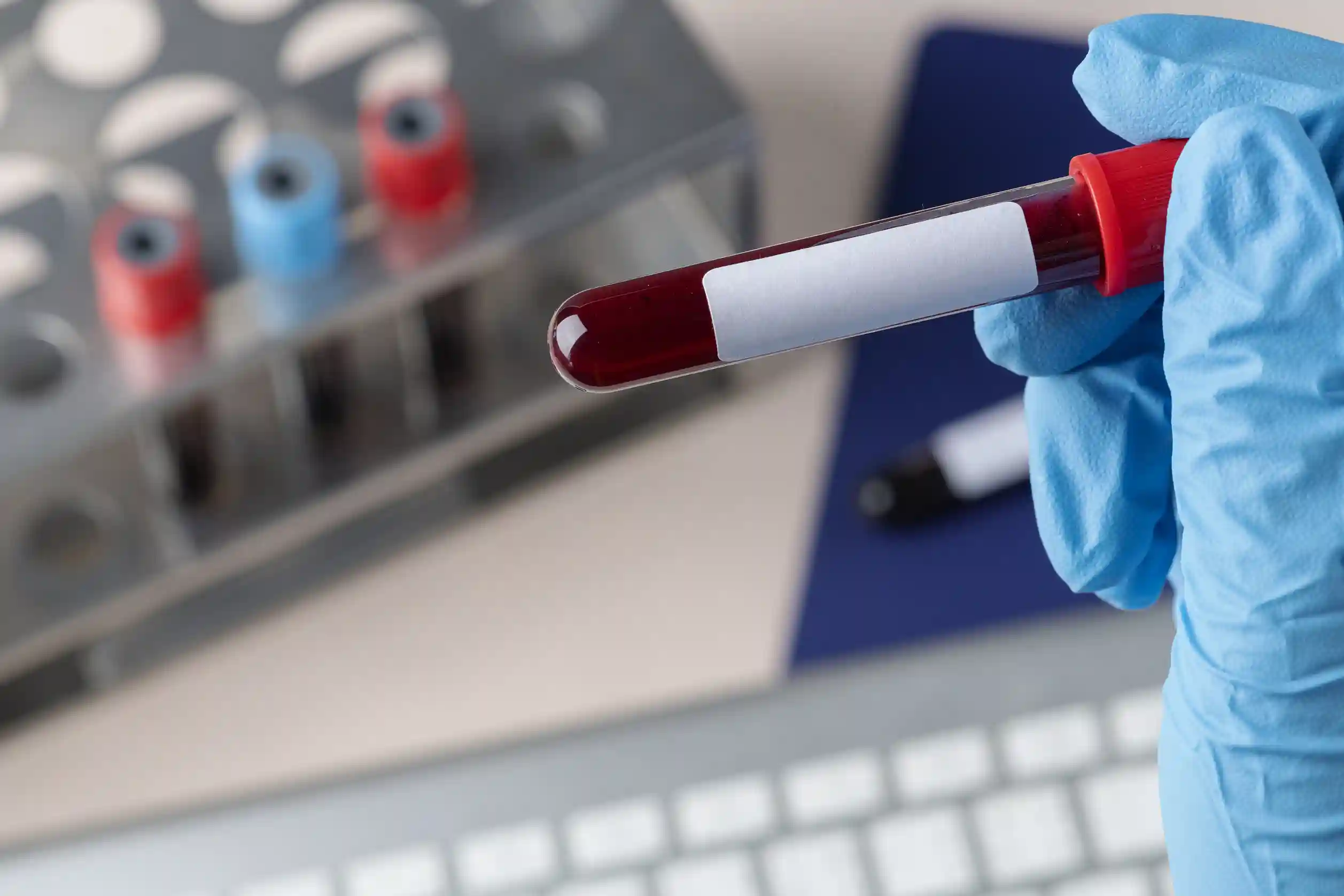
Table of Contents
- What Blood Alcohol Content (BAC) is Used For?
- What is it Used for?
- What Do Different Blood Alcohol Levels Indicate?
- Who Performs A Blood Alcohol Content (BAC) Test?
- What Should I Expect During My Blood Alcohol Content (BAC) Test?
- What Should I Expect After My Blood Alcohol Content (BAC) Test?
- Factors Influencing Test Results
- What Are The Risks Of A Blood Alcohol Content (BAC) Test?
- When Can I Expect my Blood Alcohol Content (BAC) Test Results?
- Conclusion
- FAQs
Have you ever wondered how blood alcohol levels are measured and what they really mean? Understanding your BAC (Blood Alcohol Concentration) can help you make informed decisions about your safety. It's not as complicated as it may seem. BAC tests are simple, and knowing how they work can ease your mind, especially when it comes to making choices about driving or assessing your own well-being.
Let’s break down how these tests work, what they reveal about your blood alcohol content meaning, and why knowing your BAC is important for your health and safety.
What Blood Alcohol Content (BAC) is Used For?
Blood alcohol content (BAC) is a measure of the amount of alcohol present in your bloodstream. It is typically expressed as a percentage, representing grams of alcohol per 100 millilitres of blood. When you drink, alcohol enters your bloodstream, affecting your physical and mental abilities.
The BAC test helps determine how intoxicated you are, and can be essential for various reasons such as legal purposes or medical treatment. Knowing your blood alcohol content can help you make informed decisions, especially when it comes to activities like driving or understanding the effects alcohol has on your body.
What is it Used for?
The BAC test is used in many situations to assess the amount of alcohol in your blood. It is crucial for legal, medical, and personal reasons. This test helps determine whether you are fit to drive, monitor your health, or ensure safety in workplaces. It also plays an important role in understanding and addressing alcohol-related issues. Below are some key uses of a blood alcohol content test.
Legal Evidence
A blood alcohol content test serves as a vital tool in legal matters, particularly when it comes to driving under the influence. If you're stopped for suspected drinking and driving, the authorities may use a BAC test to measure your blood alcohol level. The result can be used as evidence in court to determine whether you've exceeded the legal drinking driving limit.
This helps ensure safety on the roads by confirming whether alcohol impairment is a factor in a traffic incident or arrest. The BAC test is crucial for both your protection and upholding legal standards.
Employment
In certain work environments, particularly those requiring heavy machinery operation or vehicle driving, employers may conduct blood alcohol content tests to ensure safety. Many companies have strict policies on alcohol consumption during working hours. A blood alcohol level test can help employers maintain a safe workplace and reduce the risk of accidents.
This also extends to situations involving random drug and alcohol testing to ensure employees are fit for duty. Regular monitoring may be done if employees are involved in high-risk activities or work in safety-sensitive roles.
Testing for Alcohol Poisoning
If someone shows signs of severe intoxication, a blood alcohol content test can help doctors assess whether they are at risk of alcohol poisoning. This condition occurs when alcohol depresses the body's vital functions, potentially leading to life-threatening situations.
By measuring the blood alcohol content, healthcare professionals can determine the severity of intoxication and provide the necessary treatment. Promptly identifying dangerous levels can make a significant difference in emergency care and potentially save lives.
Monitoring Treatment For Alcohol Use Disorder
For individuals recovering from alcohol addiction, a blood alcohol content test can be an essential tool for monitoring progress during treatment. Healthcare providers use BAC tests to ensure that the patient has not consumed alcohol and to track their recovery journey.
Regular testing can also help to prevent relapse by ensuring sobriety and guiding treatment decisions. Knowing the blood alcohol content during recovery allows healthcare professionals to adjust the treatment plan as needed for the best outcome.
What Do Different Blood Alcohol Levels Indicate?
The result of a BAC test tells you the level of alcohol in your blood, which can be a helpful guide for understanding how impaired you may be. Below are the typical blood alcohol levels and their effects:
|
BAC Level |
Effect |
|
0.02% - 0.05% |
Mild relaxation and slight impairment of coordination. |
|
0.06% - 0.08% |
Decreased coordination and alertness, impairment begins. |
|
0.09% - 0.15% |
Significant impairment in motor skills and judgment. |
|
0.16% - 0.30% |
Confusion, dizziness, nausea, and risk of alcohol poisoning. |
|
0.31% and above |
Risk of life-threatening alcohol poisoning and unconsciousness. |
As the blood alcohol content increases, so does the risk of severe impairment and potential danger to your health and safety. It’s important to understand the blood alcohol level when considering activities such as driving. Even at low levels, alcohol can impair your decision-making ability and reaction times.
For those interested in calculating blood alcohol content, it's essential to recognise how different factors affect your BAC and how you can prevent harm.
Who Performs A Blood Alcohol Content (BAC) Test?
A BAC test is typically performed by trained professionals. This could include police officers, paramedics, or healthcare workers, depending on the situation. If you're involved in a traffic stop for suspected drinking and driving, the police officer will usually administer the blood alcohol content test using a breathalyser. This is a common and quick method of testing blood alcohol concentration.
In some cases, such as medical emergencies or suspected alcohol poisoning, healthcare professionals will conduct a blood alcohol content test using a blood sample. A healthcare provider may also perform the test to monitor treatment progress for individuals with alcohol use disorders. All of these individuals have the necessary training to ensure that the test is performed correctly and your results are accurate.
What Should I Expect During My Blood Alcohol Content (BAC) Test?
During a BAC test, you may undergo one of several different methods, including breath, blood, or urine testing. Here's a simple breakdown of what to expect:
- Breath test: This is the most common and non-invasive method. A breathalyser will be used, and you’ll be asked to blow into it for a few seconds.
- Blood test: If required, a healthcare professional will take a blood sample, typically from your arm. This method is often used in hospitals or for more accurate readings.
- Urine test: In some cases, urine tests are used, though they are less common than blood or breath tests.
In any case, the process is quick, and while it might feel a bit uncomfortable, it isn’t harmful. The BAC test is performed to keep you safe, and knowing what to expect can help ease any anxiety you might feel.
What Should I Expect After My Blood Alcohol Content (BAC) Test?
After undergoing a blood alcohol content test, you’ll typically wait for your results, which will depend on the testing method used. If it’s a breath test, you’ll usually receive results within minutes.
For blood or urine tests, you may need to wait longer, typically a few hours. If you’re involved in a legal situation, such as a suspected drinking and driving incident, the results could influence whether you’re cited for an offence or required to face further legal proceedings.
If the BAC test is for medical purposes, the results will help healthcare professionals determine if you need immediate treatment, especially in cases of alcohol poisoning or monitoring alcohol use disorders.
You will be informed of the results, and appropriate steps will be taken based on the findings. Your healthcare provider will offer support and advice if needed.
Factors Influencing Test Results
Several factors can influence the results of your BAC test. These include:
- Time since drinking: The longer it’s been since you consumed alcohol, the lower your blood alcohol content will likely be.
- Body weight and composition: Lighter individuals may have higher blood alcohol levels than heavier individuals, as alcohol is distributed in the body based on weight and body fat percentage.
- Food intake: Drinking on an empty stomach leads to faster absorption of alcohol into the bloodstream, raising your BAC more quickly.
- Metabolism: Individuals with faster metabolisms may process alcohol quicker than others, lowering their blood alcohol concentration.
- Medications: Some medications can affect how alcohol is processed in the body, potentially altering BAC levels.
Understanding these factors can give you a better idea of how your BAC test result might be affected and help you make better decisions.
What Are The Risks Of A Blood Alcohol Content (BAC) Test?
In most cases, the BAC test is safe and straightforward. However, there are some minor risks involved, particularly with blood testing. These include:
- Discomfort or bruising: Drawing blood may cause temporary discomfort or bruising at the needle site.
- Inaccurate results: If the test is not conducted properly, there may be errors in the reading. However, this is rare and professionals are trained to ensure accuracy.
- Health complications: In some rare cases, individuals with medical conditions that affect blood clotting may face slight risks during blood collection.
It’s important to remember that the benefits of the BAC test in ensuring safety far outweigh the minor risks involved.
When Can I Expect my Blood Alcohol Content (BAC) Test Results?
The time it takes to receive your BAC test results depends on the type of test performed. If it's a breath test, results are usually available immediately. If a blood alcohol content test requires a blood sample, results may take a few hours. Your healthcare provider or law enforcement will inform you when you can expect to receive your results and guide you through the next steps.
Conclusion
In conclusion, knowing your BAC test results is important for understanding how alcohol influences your body and helps guide your decisions, particularly when it comes to driving or personal safety.
For accurate blood alcohol content testing, Metropolis Healthcare is a reliable choice. With decades of expertise, cutting-edge technology, and the convenience of home testing services, Metropolis provides trusted, precise results to support your health and well-being.
FAQs
Q1. What is the legal blood alcohol level?
The legal blood alcohol level varies by country and region but is commonly set at 0.08% for driving under the influence.
Q2. What is the legal limit for driving?
The legal driving BAC limit is typically 0.08%. However, some regions have stricter limits for commercial drivers or younger drivers.
Q3. What does the BAC test measure?
The BAC test measures the percentage of alcohol in your blood, reflecting how much alcohol is affecting your mental and physical abilities.
Q4. How long does alcohol stay detectable in the body?
Alcohol can remain detectable in the body for up to 24 hours, depending on factors like metabolism, body weight, and the amount consumed.
Alcohol itself is usually metabolised within about 12–24 hours, depending on how much was consumed. However, detection windows vary: breath (up to 12 hrs), and urine (12–48 hrs or longer with sensitive tests).
Q5. Can medications affect BAC test results?
Yes, certain medications can impact your BAC test results by affecting alcohol metabolism or interacting with alcohol in ways that increase impairment.
Q6. Is the BAC test accurate?
When performed correctly, the BAC test is highly accurate, with breath, blood, and urine tests providing reliable results for alcohol levels.
Q7. What happens if my BAC is above the legal limit?
If your BAC exceeds the legal limit, you may face legal penalties such as fines, licence suspension, or even jail time, depending on severity.
Q8. Can drinking coffee lower my BAC?
Drinking coffee will not lower your BAC. It might make you feel more alert, but it won't reduce the alcohol in your system.
Q9. Are BAC levels different for men and women?
Yes, BAC levels tend to be higher in women than men due to differences in body composition, alcohol metabolism, and enzyme activity.
Q10. Can BAC tests detect chronic alcohol use?
BAC tests can detect recent alcohol consumption but do not provide long-term data on chronic alcohol use, which requires other specialised tests.